
🦎 Would you try to build a relationship with a reptile?
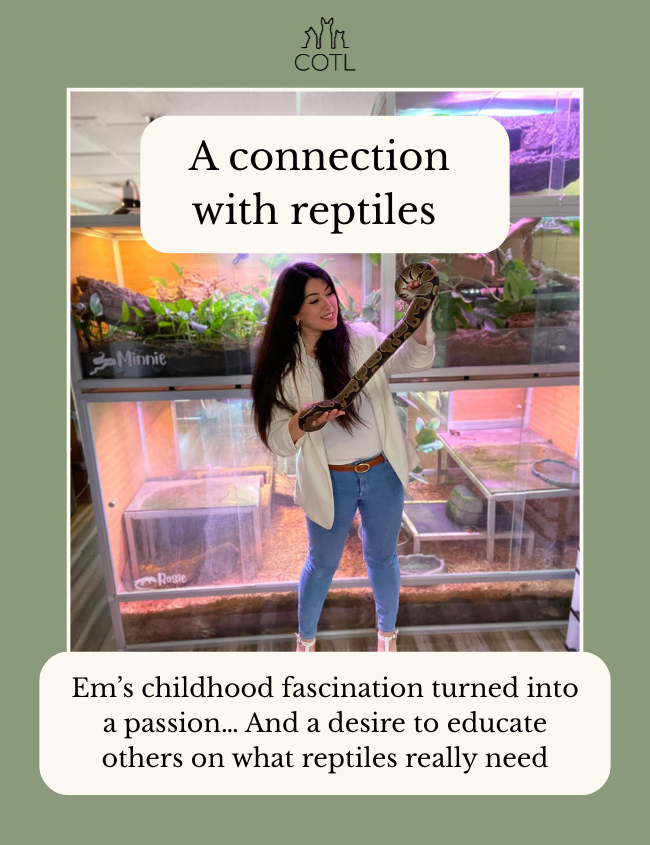
“Unfortunately, people equate price tag with worth and it shouldn't be that way with an animal… Now, you have what was a $20 animal that's suddenly $500 to $800 for a baby, not even an adult, and they're like, ‘Alright, I'm going to invest better because I want it to thrive," but it should have been that way from the very beginning.”
If acquiring a pet is inexpensive, should it be seen as disposable?
As pet lovers, we would never think that about a dog or cat adopted from a shelter. Their adoption fee may be a mere $50 compared to the $1000s an expensive pure-bred pet can cost…
But regardless of where we got them or the fees involved, we bring them home with the intention of giving them everything they need for a long, happy life.
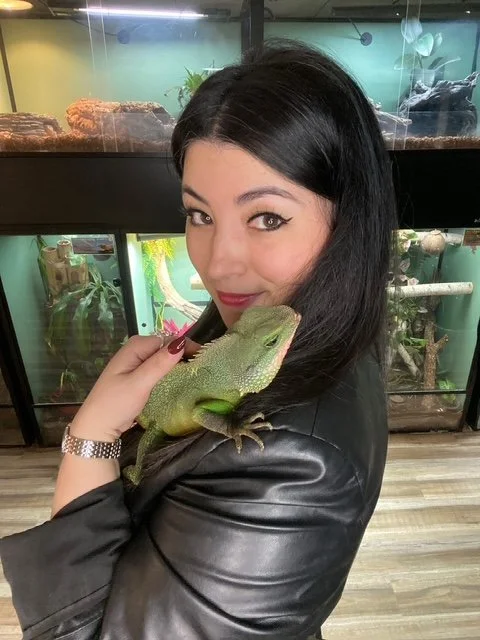
When it comes to something like reptiles, however, many are seen as little experiments. How long can we keep it alive?
Just because it cost $20 at a pet store doesn’t mean it doesn’t deserve the same love, care, and attention we would give our other pets.
This is exactly why Em Lock, animal educator and reptile lover, decided to use her own pets to spread awareness and show others what it looks like to give a reptile love and respect.
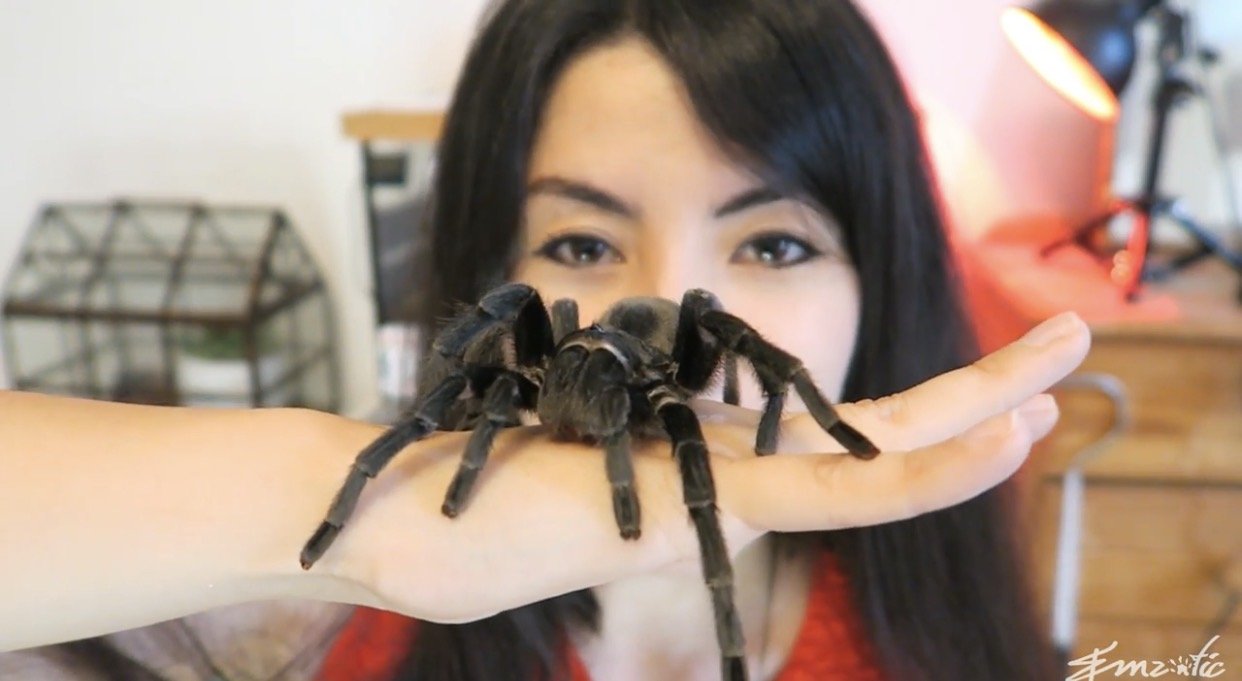
And it doesn’t always look like what we’d expect.
The reptile life chose her
“...And that really was fascinating to me because whether you like it or not, you are going to encounter these reptiles in your living space. We've had snakes in our air conditioning units or coming out of our little cracks in the walls. It was just a normal part of everyday life.”
Growing up in the subtropical city Hong Kong, Em’s childhood was filled with little critters.
Being obsessed with animals, but also having severe fur allergies, her dreams of having a pet just weren’t an option.
Luckily, the local reptiles provided plenty of entertainment for a fascinated child.
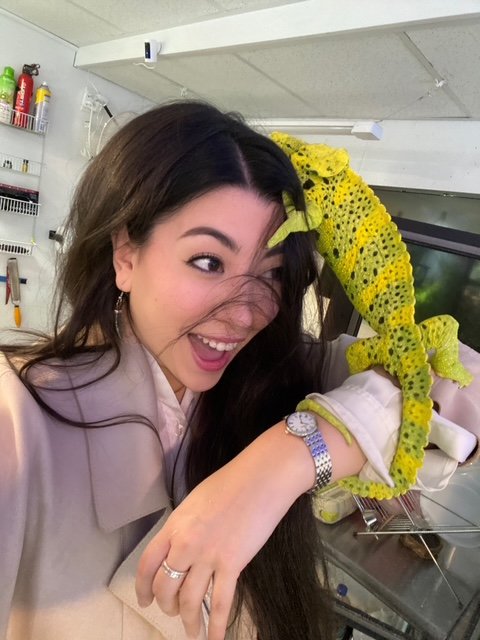
Em found herself watching the geckos that lived in the AC unit, noticing how they would dart out at night with their babies, eat bugs, and then run back inside to stay cool during the day.
She and her friends would also run through thickets of bamboo, seeing who could catch the most lizards (of course, they’d always put them back).
These childhood experiences deeply affected how she viewed animals as an adult and when it was time to get her own, a reptile just made sense.
“When I decided to first start keeping them as a pet, I was living completely by myself in a tiny London apartment and I was working ridiculous hours… By this point, I had grown out of those fur allergies but it just wasn’t possible to have a dog…
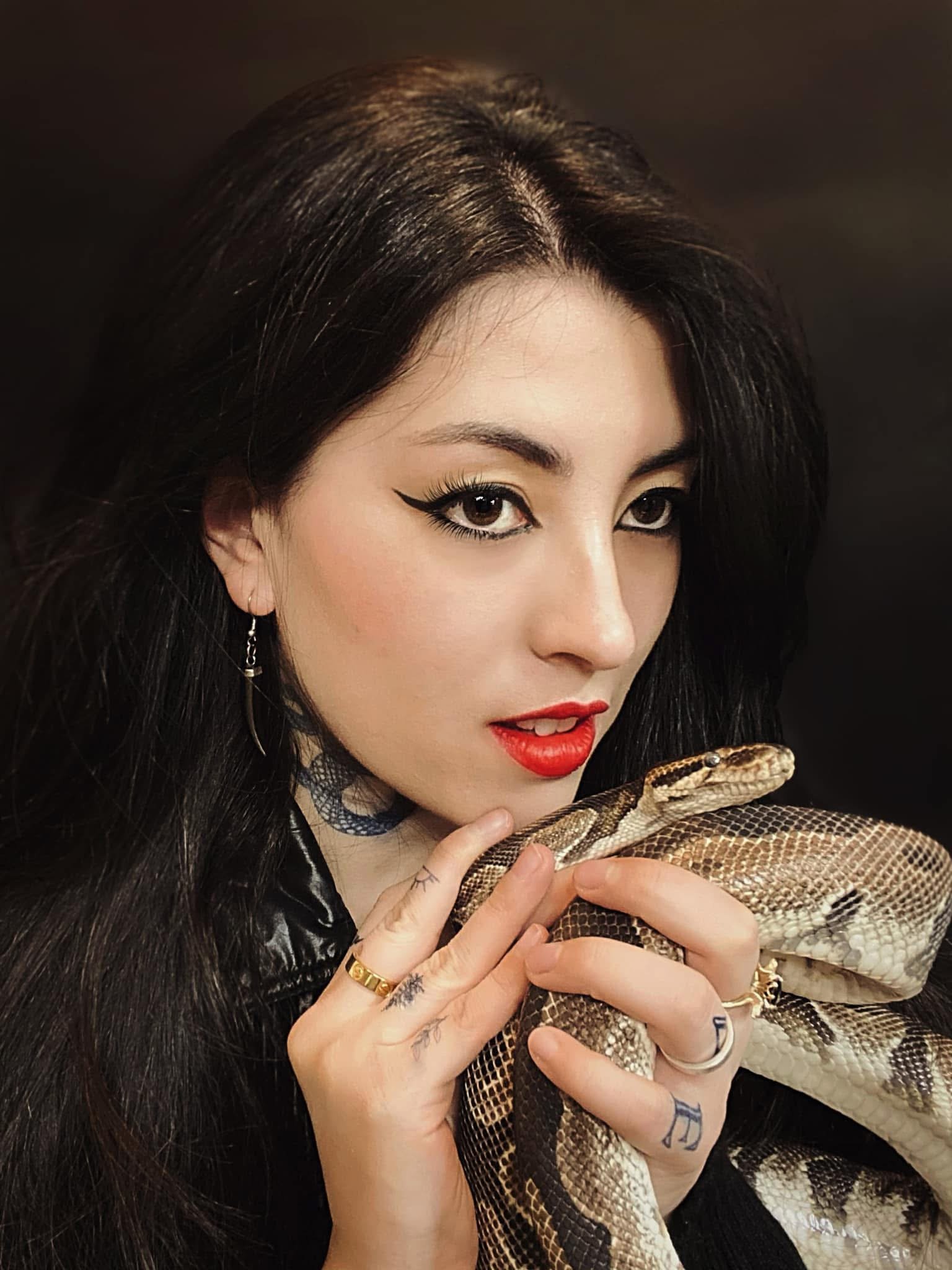
I thought, ‘What animal can I keep that's not going to really miss me during the day?’”
Doing some research, she landed on a ball python–a nocturnal species who would be happy sleeping while she was away.
“Kaa was a rescue and she just fit brilliantly into my day-to-day. She really started my deeper love for reptiles.”
Encouraging respect for animals through education
“I was traveling every day all over the UK, giving educational talks about animals, ecosystems, conservation, and doing flying displays. I would be in schools, community centers, prisons for prisoners on good behavior, retirement homes... And it was exhausting. And I thought, ‘If I'm tired, my animals are also going to be pretty tired.’”
Wanting to give her reptiles space and privacy, Em actually kept her animals outside her apartment.
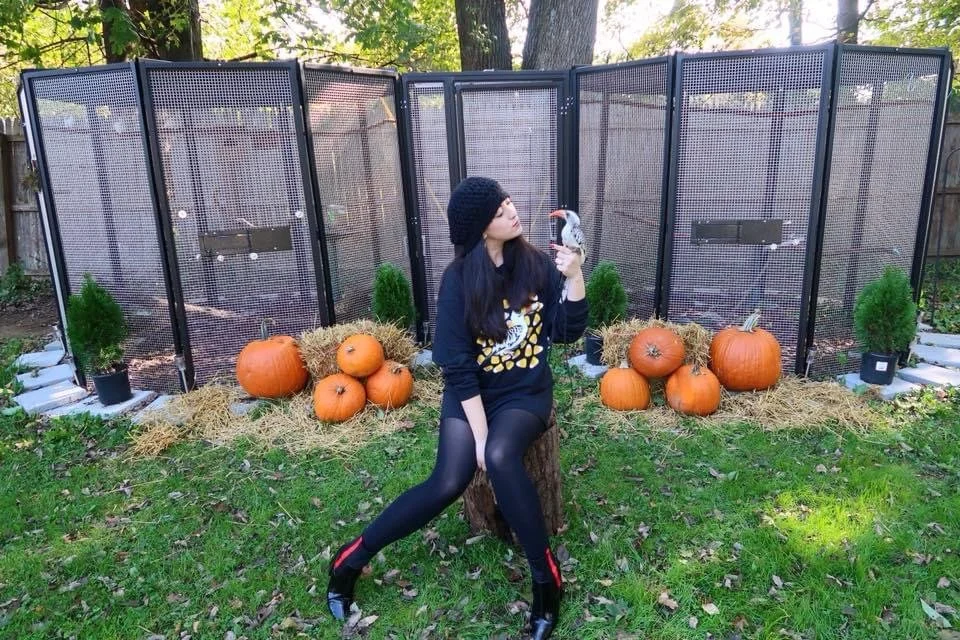
She and other animal educators collectively put their resources together to get a facility where their animals could live–which also meant there was always someone nearby to care for them.
As she acquired more pets, she would initially bring them, as well as some that belonged to the other educators, along to her talks… But never more than two days a week (and never two days in a row).
Growing tired of the hustle and sensing her pets probably didn’t enjoy it either, she shifted her efforts.
Switching to an “online school” meant she could reach more people and give her animals the true privacy they desired.
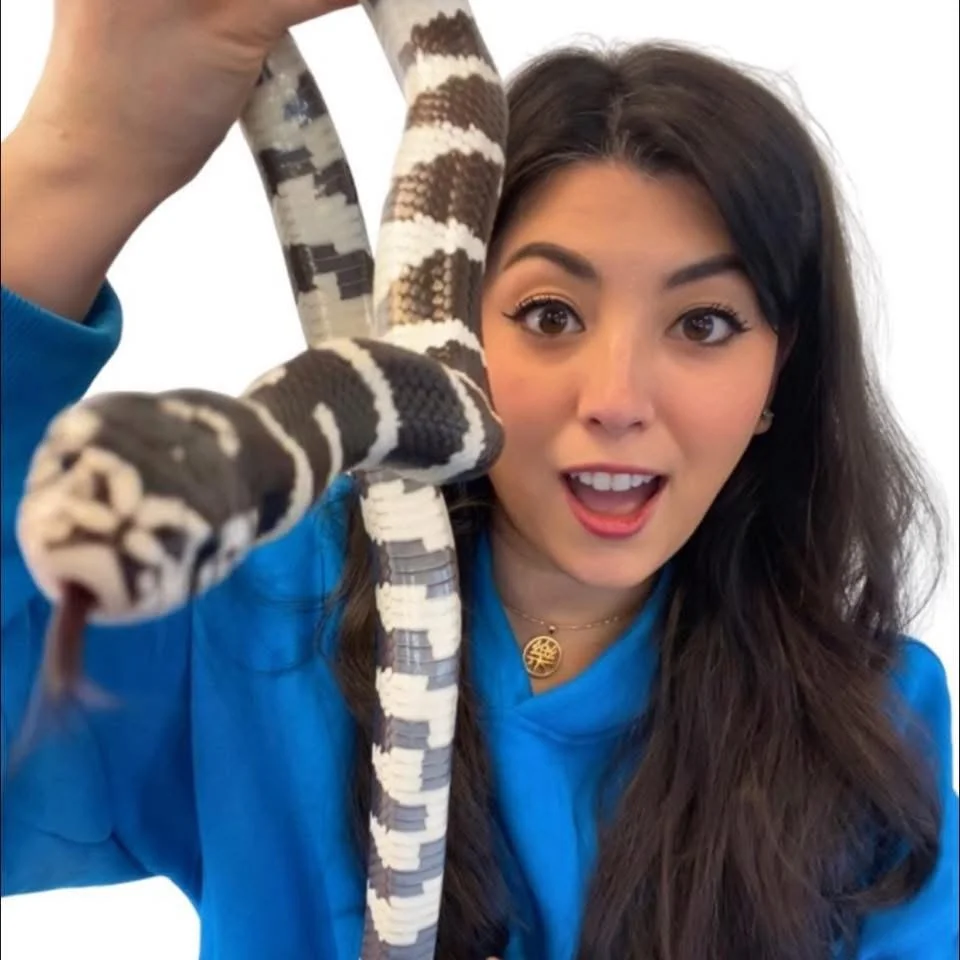
Now living in the US, she still educates through social media, but her relationship with her animals has changed.
“I now keep a very small pool of animals who are really just pets, with the occasional animal ambassador. I am also doing a breeding project that I'm very passionate about for an animal that is very rapidly disappearing from the hobby… So now I try and do my best to keep little but keep very well.”
The joys and challenges of being a reptile mom
“When you want to keep reptiles mindfully, they will always keep you on your toes. That's what really is exciting to me. You have to evolve the way that a snake sheds its skin. You should also, as a keeper, be shedding your skin.”
When it comes to the perks of being a reptile mom, Em loves how she can still reflect on the ways in which she cares for them.
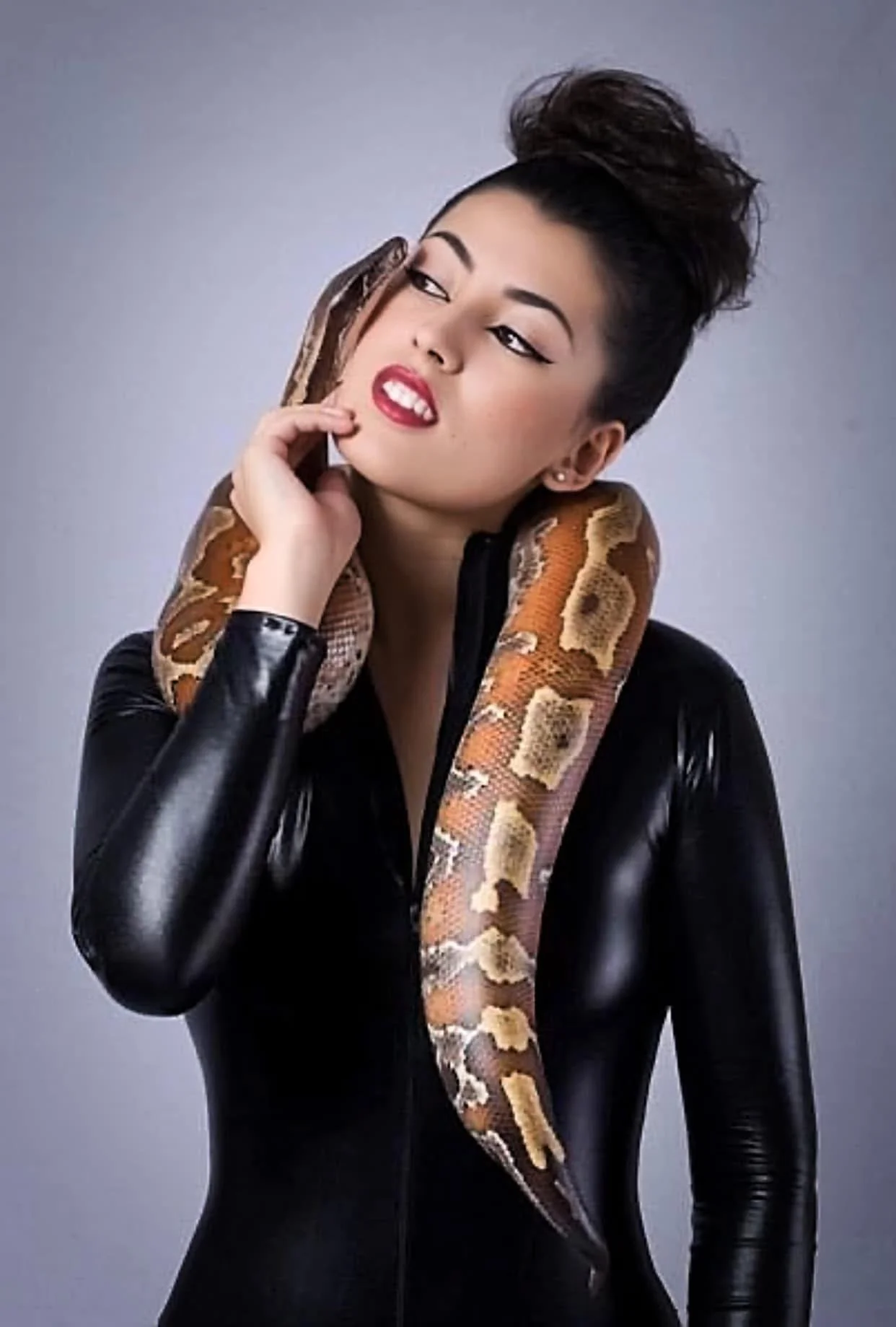
Keeping them for over 20 years, what she learned when just starting out can, in some cases, be outdated information.
What she was told by the “old school” reptile keepers (who were in their 70s/80s when she started) and what young keepers are saying now can wildly vary.
Instead of sticking to what she was told, she welcomes the new perspectives and finds it exciting that she can continue to provide more for her pets.
Reading studies, welcoming discussion, and challenging her own views helps her continue to be a strong advocate for their care.
That’s especially helpful when she’s faced some struggles too.
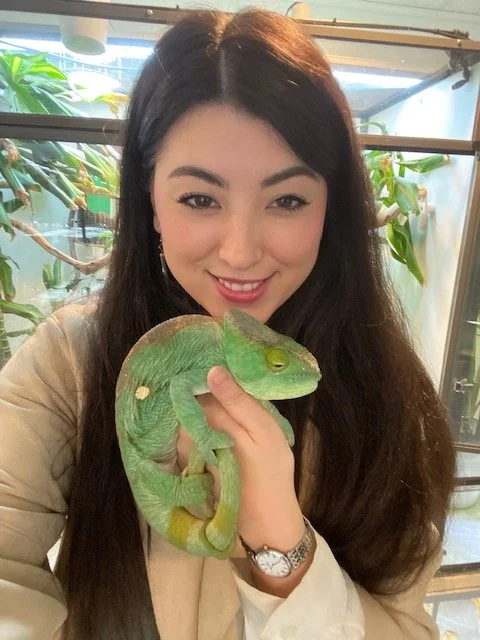
“One of the greatest challenges I've encountered is the species I’m most passionate about: the Chinese water dragon. Most that I've kept have been wild caught, meaning they've been collected from the wild and shipped over for the pet trade. And that was going on for years…
It’s been a huge challenge for me, and also a moral and ethical one, because once you've seen an animal in the wild, there's almost nothing you can do in captivity to accurately replicate that.”
Even when doing her best to give them what they needed, it was nearly impossible to create an environment in which they thrived.
Luckily, they’re no longer being imported into the US. This is great for the wild lizards, but since they’re very difficult to breed, there’s a risk they’ll disappear from the hobby.
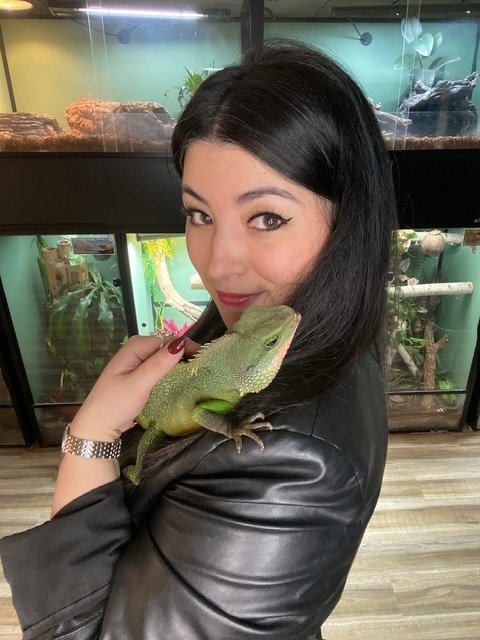
Determined to truly understand their needs, Em uses these special, expandable enclosures to give them the space and privacy they’d have in the wild.
For example, for years, the standard was a 40-gallon breeder tank (that’s roughly 36 in × 18 in × 16 in) for a lizard who can grow to 4ft long.
Em uses a 40 gallon tank… just for their pond alone.
So now, even the wild-caught Chinese water dragons she had gotten years ago are actively breeding and doing well.
But when it comes to a simple home pet, do reptiles really need that much space?
What space does a reptile really need?
“The typical shopping experience is you go in, you choose your animal, you get a cart and you add a water dish, some substrate... You pick an enclosure off the shelf, you get your lighting if you've done your research, and you're good to go.
… But you're still already set up for failure because 99% of what you see in a big box chain pet store is decisions on products that fit on the shelf, not what the animal needs.”
Reptile enclosures can be fun to put together and based on the information that’s out there, most pet parents are trying their best to create a nice home for their new pet.
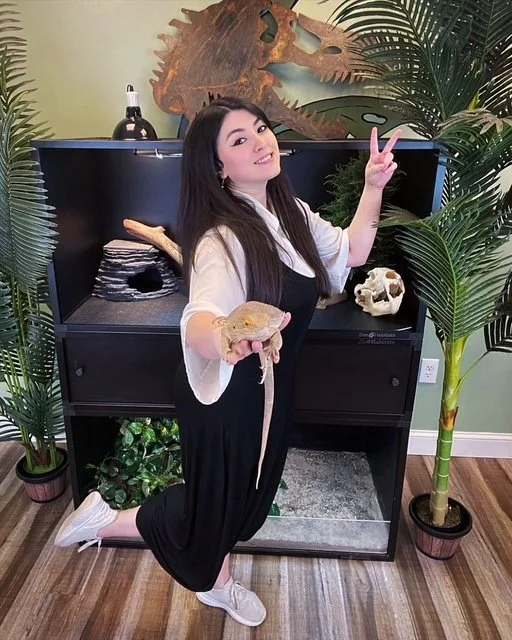
Unfortunately, a lot of what’s available is based on outdated standards.
Think of a glass tank, for example.
Reptiles who are territorial, like bearded dragons, can see their reflection and feel they’ve got to defend their home.
These enclosures typically open from the top, which poses another issue. Lizards can detect movement from the “parietal eye” on the top of their head.
Your hand reaching in creates a shadow… Like a talon would come to grab them in the wild.
Many species have different needs we don’t think of. Some may like to perch and sit high. Others may need deeper substrate to bury themselves completely.
For example, many people believe a 40 gal tank (or even a 20 gal!) is fine for a leopard gecko. Em’s got a special enclosure that’s 2ft tall, and her gecko loves climbing all the way to the top.
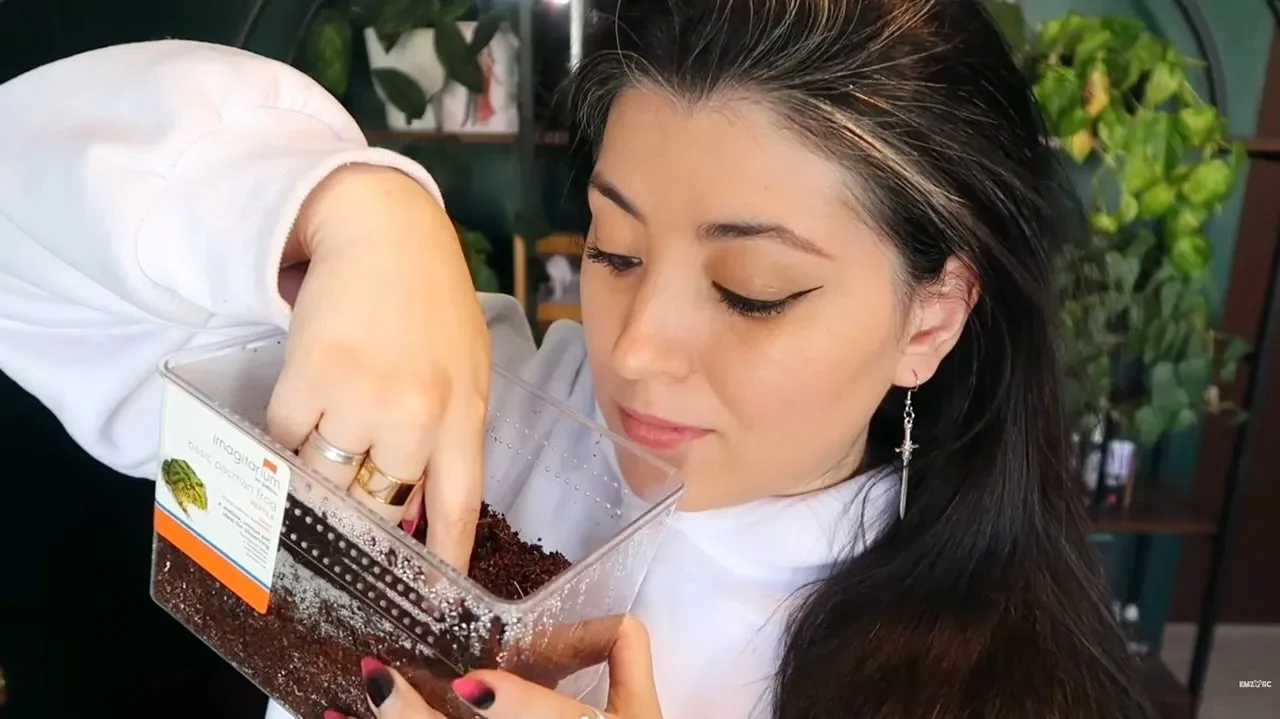
So while we do our best, our best won’t ever be enough if we don’t have access to resources that help us create a sustainable environment for them.
But giving them what they need is also the means to something else… A bond.
“I really try to make sure that even though I want an animal that suits me really well that I also am suitable for that animal. It is a two-way street and you do have to have that respect and then you get more out of your ownership of the animal and deepening that relationship.”
Connecting with a reptile
“I realized that he was so in tune with where I was during the day. We had a routine and he would be waiting for his food at a certain time. We would hang out together throughout the day. It was just really awesome, and he changed how I felt about beardies.”
Em’s biggest bond was with Norbert, a bearded dragon who passed last year.
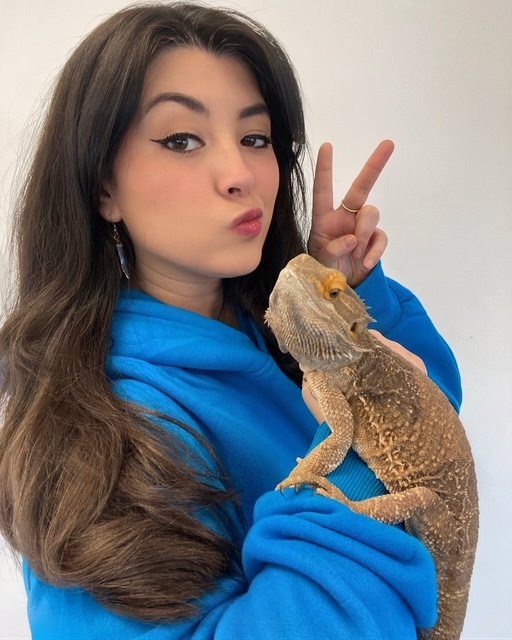
Walking into a pet store, he was stuck in a 10 gal tank next to a bunch of other reptiles. They had all been surrendered, were showing signs of extreme stress, and were heavily discounted.
Norbert was “angry and vicious” and she decided to take him home, put him in a proper enclosure, tame him down, and find him a good family.
The moment he was in a larger space and getting what he needed, he became calm and inquisitive.
She grew to love him and actively spent time with him throughout the day.
But this wasn’t the first time she felt a connection.
Even as a curious child observing the geckos in her bedroom, she realized she could get them used to her presence and feed them fresh fruit.
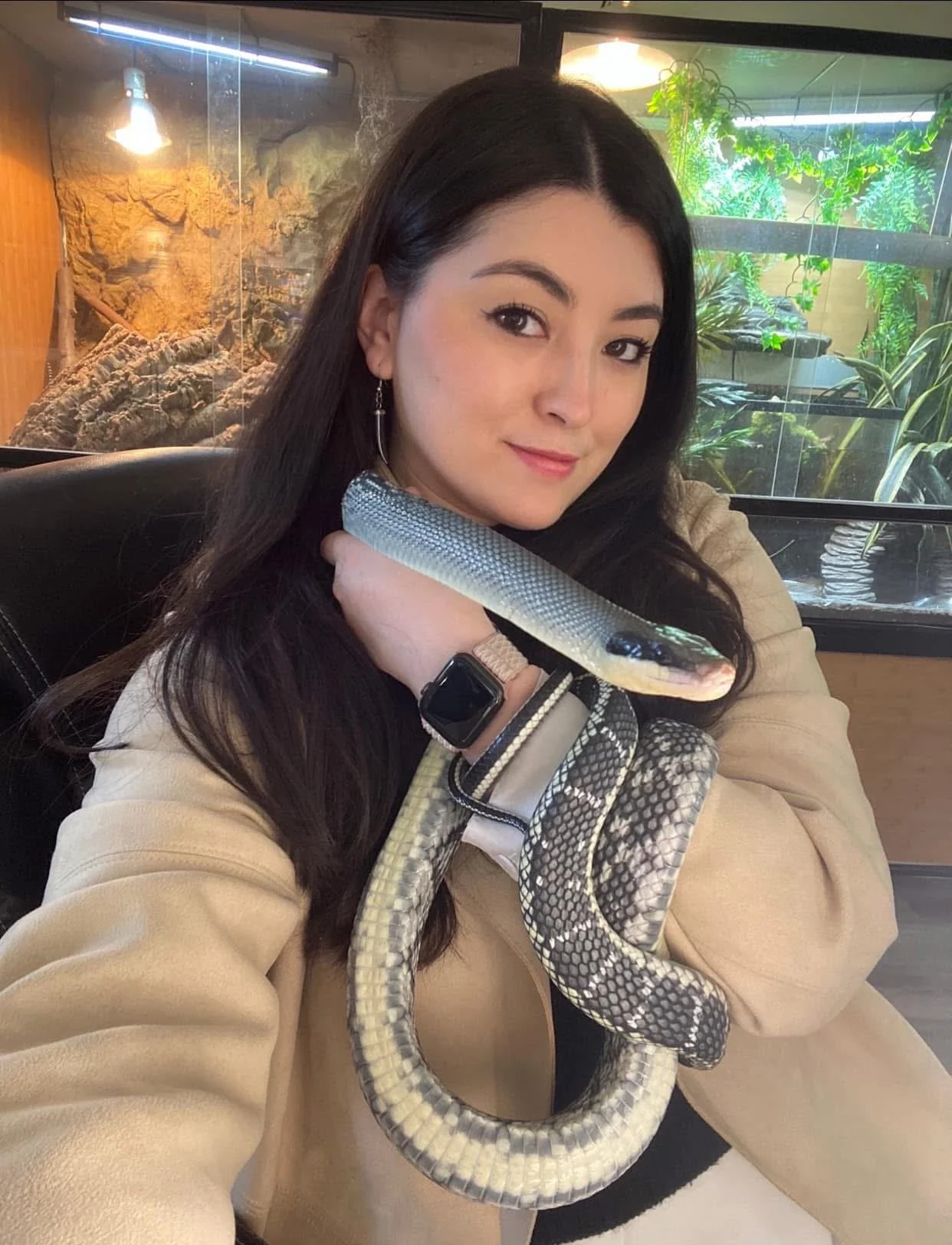
They started to follow her around the room, even when she didn’t have something to offer.
It all comes down to how we as the pet parent treat them.
“For the vast majority of reptiles that are treated as ‘just’ a pet or as a second thought, you will never get that bond. It has to be built, but also, only if the animal wants it. Most reptiles don’t crave attention.
…You can still have a respectful keeper-pet relationship, but I think with the lizards is where you really start to see an understanding of a deeper sort.”
The lessons reptiles can teach us
While reptiles don’t offer the comfy cozy snuggles we get from other pets, they do allow us to know ourselves better.
For Em, deep reflection around two Calabar pythons she had helped her dispel the shame around responsibility rehoming a pet if it’s truly not a good fit.
“That really caught me off guard because I had to make tough decisions. I've worked as a zookeeper. I've done some work in a vet’s office before and in animal rescue, you see a lot. And for some reason, I never thought their feeding would be the reason that I wouldn't keep them, but it just didn't sit right with me.”
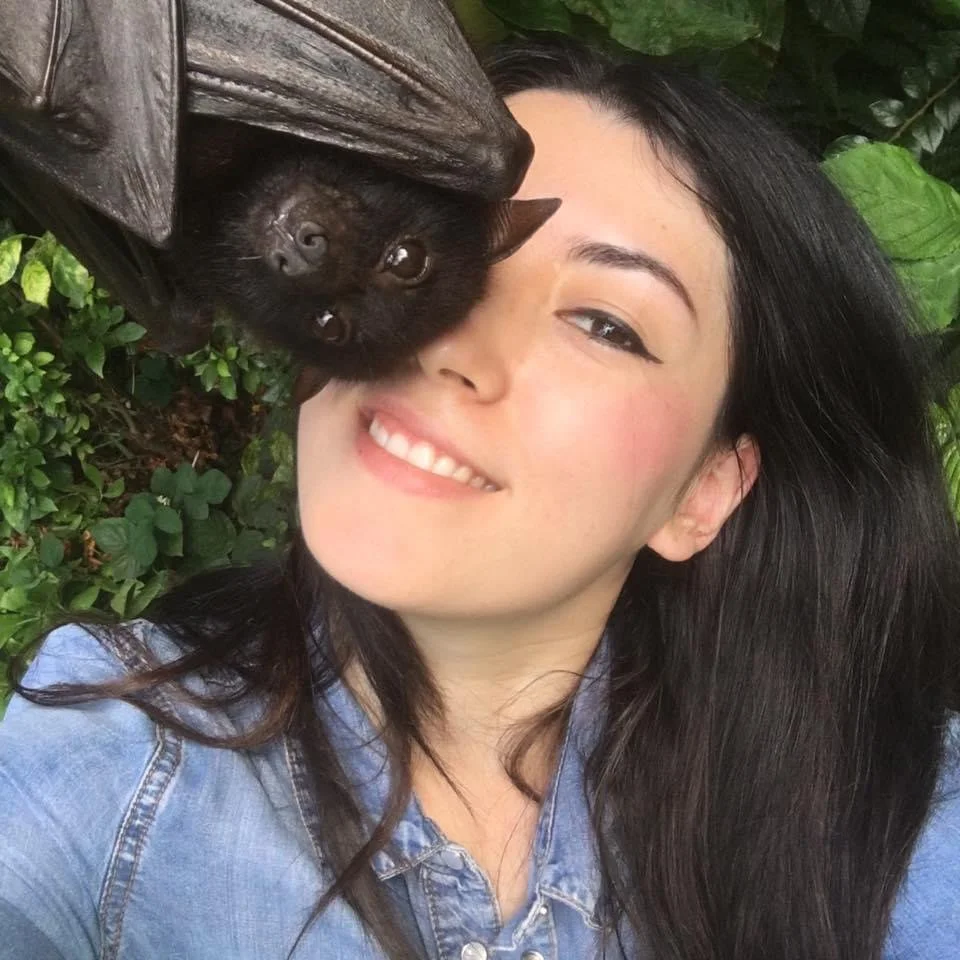
Being “nest raiders,” Calabar pythons sneak into rodent nests and eat entire litters at once.
That meant, to give her pets what they needed, she would have to emulate the same. And that’s something she just couldn’t do.
Instead of feeling shame and guilt around it, she knew that for them to thrive, and for her to be in a healthy mental state, it would be best for all of them if she found someone who could give them proper care.
Being honest about these struggles, she’s shared her experiences online and has helped others who are facing similar situations.
“Life happens. Just don't let it get to the point where the animal starts to suffer. Give yourself some grace and a little internal hug and say, ‘Hey, I tried. This is a courageous decision to make and it's okay to do that.’”
Like the Calabar pythons, all species will have various environmental and diet requirements, which has helped Em become highly observant.
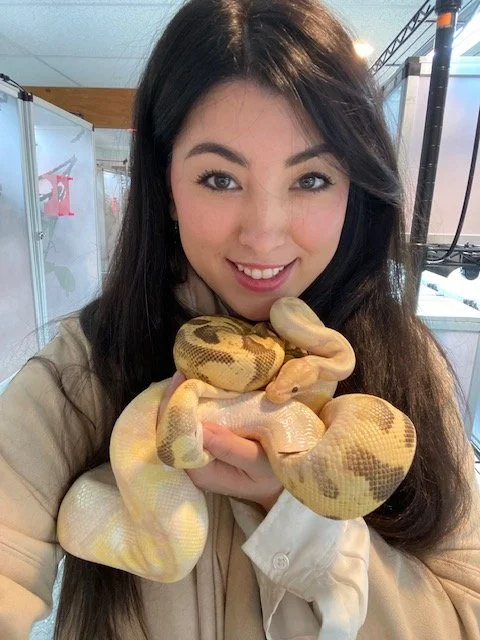
When something’s not quite right, or when a reptile is sick, it won’t always be obvious. A sick animal in the wild is prey, after all.
Keeping detailed, daily records of feeding, shedding, changes in diet, etc., means when something is off, Em can spot it more easily.
And because reptiles have so many needs and there’s always more to learn about them, they tend to draw in fans who are highly detail-oriented, and in many cases, neurodivergent.
Being around people from all different backgrounds and those who may see the world through a different lens than her, Em loves how being involved with reptiles has made her more a more open-minded person as well.
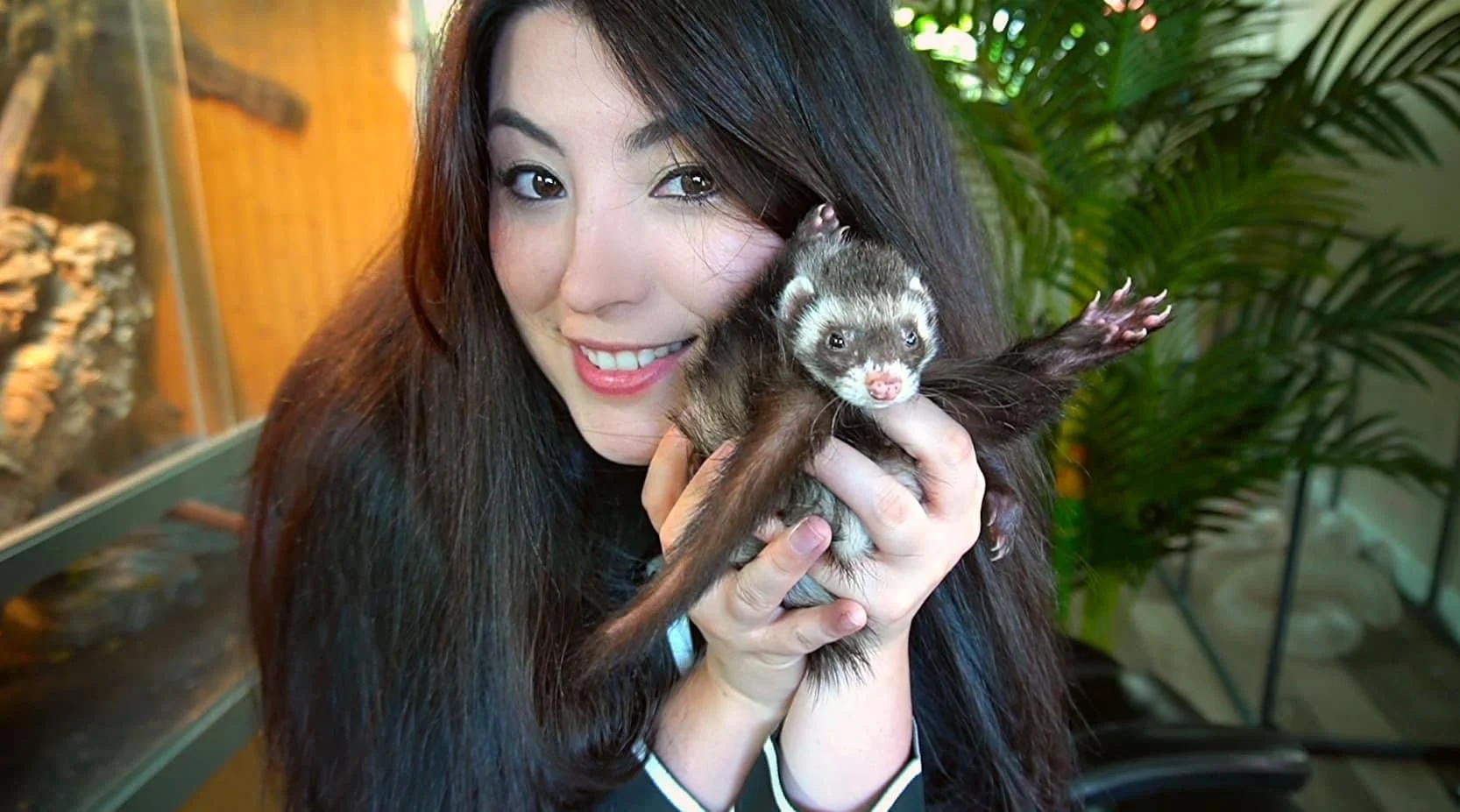
Reptiles are highly fascinating and there’s a lot of people out there who want to give them everything they need to live happy, healthy lives.
And when they’re treated like a loving pet, not just a disposable creature, they can add so much joy into one’s life.
Whether you’re a reptile lover or stick to more common pets like dogs and cats, each pet is a unique being with things they need to truly thrive.
But if you had to step away for a few days, would someone know exactly what to do to keep them happy and safe?
If something happened, could someone confidently step in and take your place?
Putting a Cotl plan in place ensures your pet is taken care of, just the way they’re used to, no matter what.
Discover how the process works or book a call directly with Sean, our founder and CEO, to see what a plan could look like for you.
