
How to prepare your dog for their first boarding stay 🧳

During their first boarding stay, your dog will eat, sleep, rest, and respond to unfamiliar people in a place they do not know yet. Good preparation is less about packing everything they own and more about choosing the right setting, confirming the facility's requirements, and making your dog's normal routine easy for staff to understand.
The best plan should reflect the dog in front of you. Their health, comfort cues, play style, food routine, sleep habits, and reactions to new people or animals all matter.
At a glance
Prepare for a first boarding stay in six practical steps:
Choose a facility that fits your dog's needs and temperament.
Confirm vaccination, health, medication, and intake requirements early.
Share your dog's real routine, behavior, comfort cues, and warning signs.
Pack only the familiar essentials the facility permits.
Practice the handoff with a tour, introduction, or short visit when appropriate.
Agree on updates, emergency contacts, and what should happen if you cannot be reached.
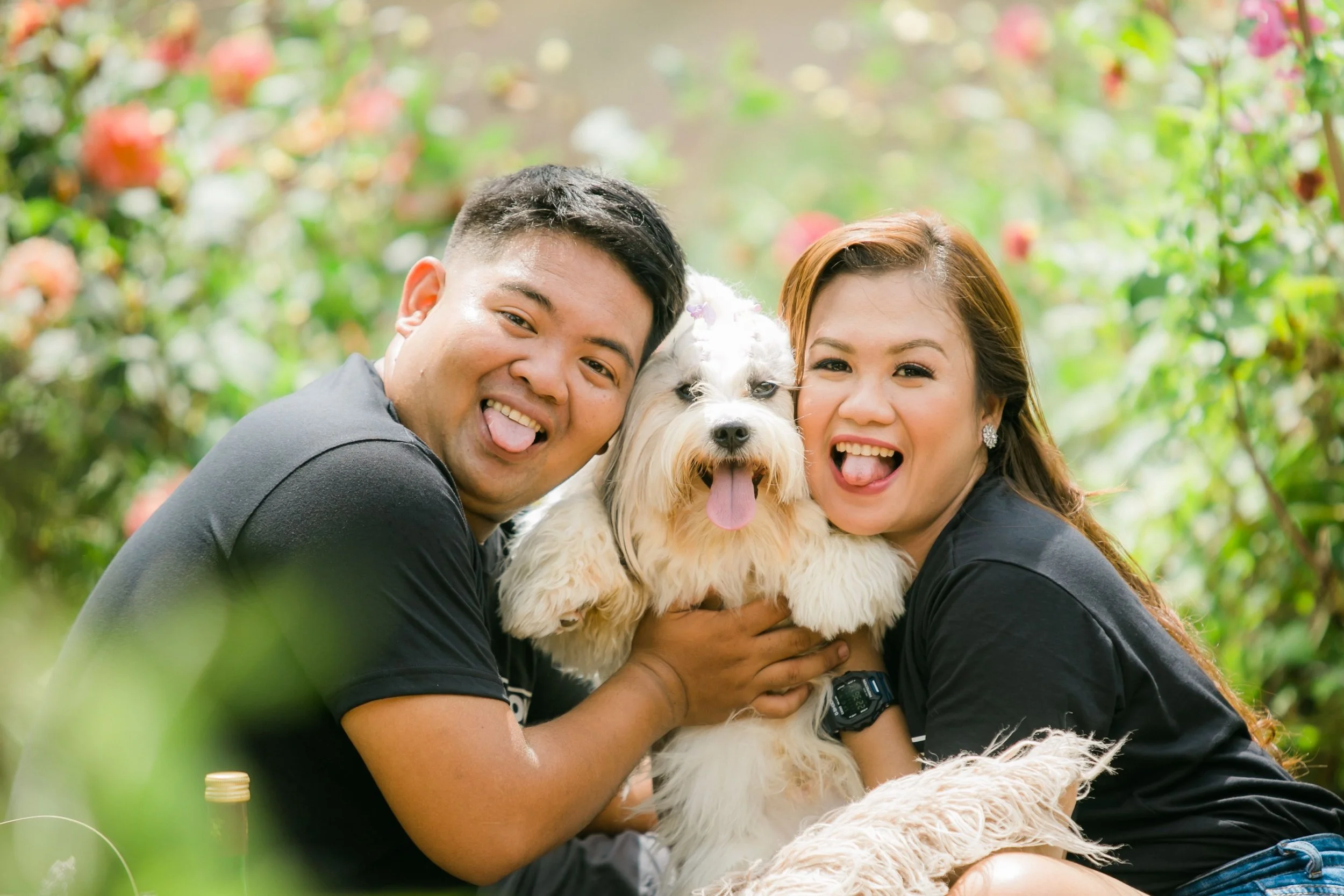
Start with the right boarding facility
A clean building and a friendly welcome matter, but the deeper question is whether the setting works for your dog. Texas A&M veterinary guidance recommends touring facilities and considering whether the environment matches the pet's needs, including noise, activity, outdoor access, and quieter spaces.
Ask staff to explain a normal day from drop-off through bedtime. Listen for how they handle feeding, walks, rest, group play, medication, nighttime monitoring, and dogs who need more space.
Questions worth asking
Where will my dog sleep, eat, exercise, and rest?
Are dogs grouped by size, play style, or temperament?
Can my dog skip group play or have a quieter routine?
How are medications stored and given?
When will staff contact me, my backup person, or my veterinarian?
What happens overnight, and who is on site?
What should I bring, and what items are not allowed?
Confirm health requirements early
Boarding facilities set their own intake and vaccination rules. Ask for the exact requirements as soon as you book, then confirm with your veterinarian that your dog's records and care plan are current. Avoid relying on a generic vaccine list from the internet because your dog and the facility may have different needs.
AAHA recommends a pre-boarding veterinary visit to discuss vaccination status, prescriptions, dietary restrictions, medication administration, behavior, and other concerns. If your dog is older, medically fragile, recovering, or especially distressed by unfamiliar settings, ask your veterinarian whether boarding is appropriate and what precautions may help.
A useful tip
Do not change or start medication just for the trip unless your veterinarian directs you. Give the facility current written instructions and medication in the form and packaging it requires.
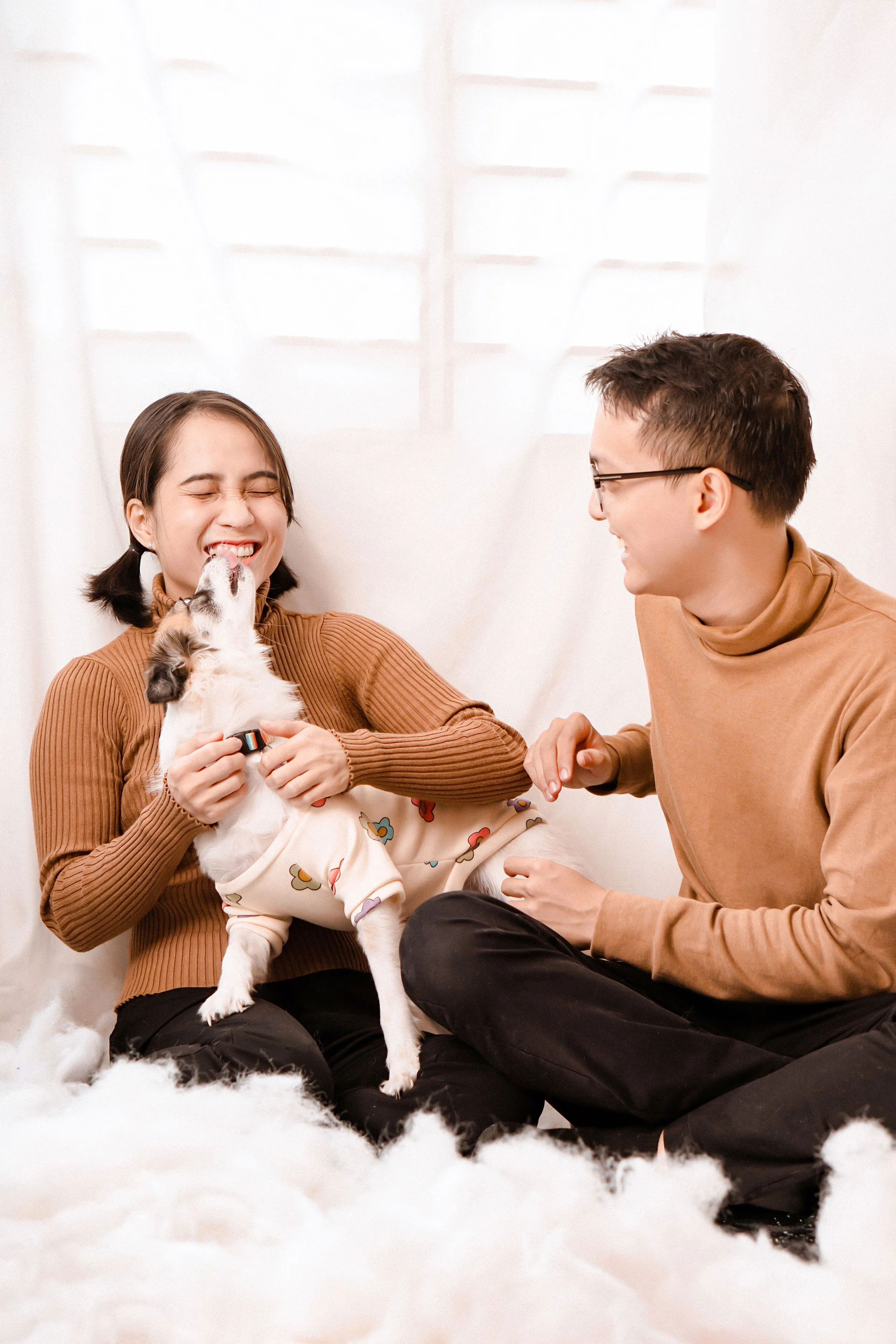
Give staff the routine your dog actually follows
A standard intake form may cover the basics without showing what daily life feels like for your dog. Write down the details that help someone recognize normal behavior, spot a meaningful change, and respond in a familiar way.
Usual meal times, portions, treats, and food sensitivities
Bathroom timing, walk preferences, and leash or harness needs
Medication names, timing, administration instructions, and veterinary contacts
Sleep routine, preferred bedding, and nighttime habits
Comfort cues, favorite activities, and what helps your dog settle
Triggers, handling preferences, and situations your dog should avoid
How your dog behaves when stressed and what is unusual for them
Your contact information, a backup contact, and your emergency preferences
Cotl's boarding and daycare tools can help you organize that context in a Pet Profile, then select the relevant details for Care Notes. Those notes can complement the facility's intake forms, not replace them.
Pack familiar essentials without overpacking
Follow the facility's packing rules. A familiar item can be comforting, but it must also be safe for your dog and manageable for staff. Texas A&M notes that a familiar toy or item carrying a person's scent may help some pets, while items that could be destroyed or swallowed may not be appropriate.
Your dog's usual food, portioned and labeled as the facility requests
Required medications with clear written instructions
A familiar blanket, shirt, or toy if the facility permits it and it is safe for your dog
Copies of required records and current contact information
The leash, collar, harness, or other equipment the facility asks you to bring
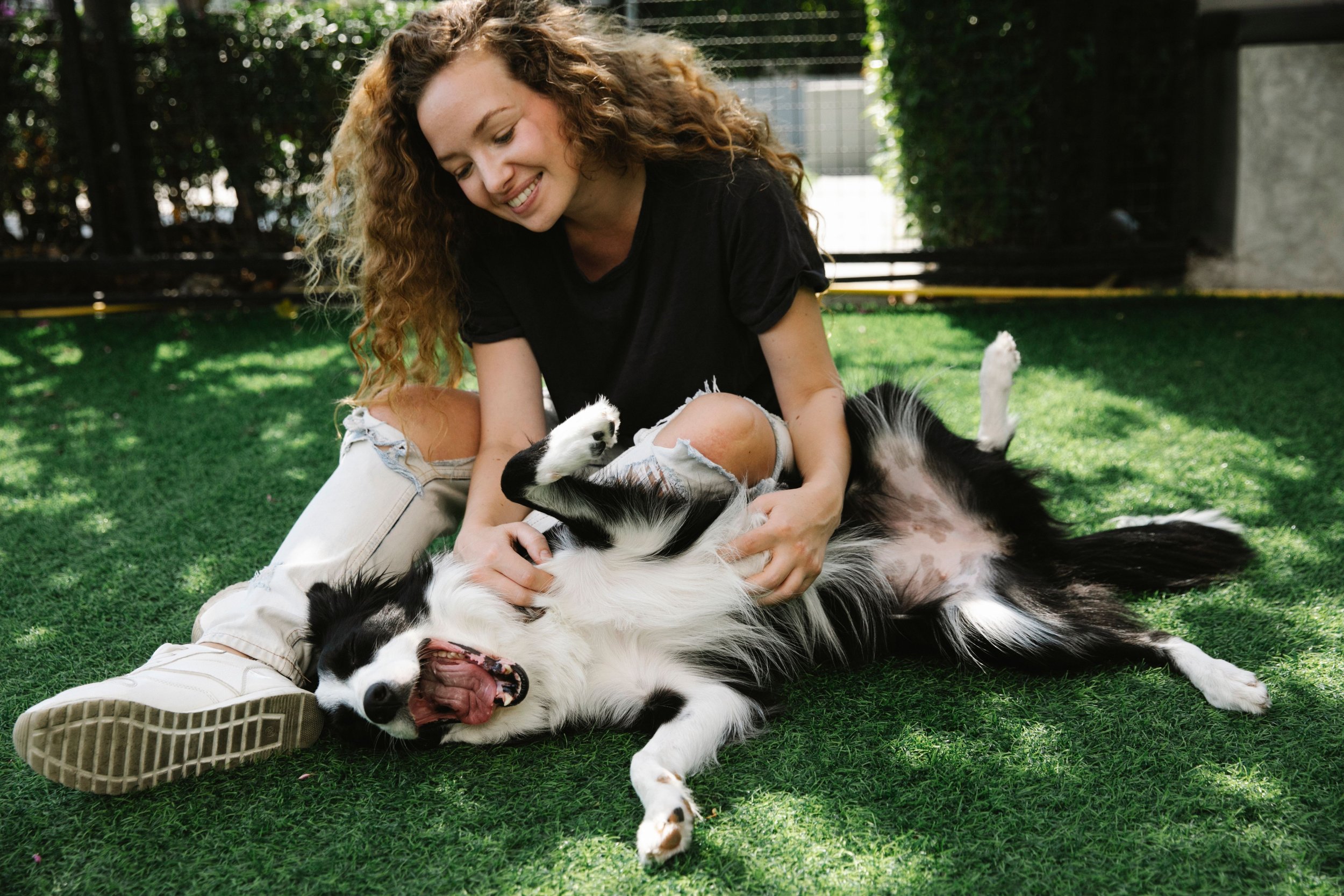
Practice the handoff before the real stay
If your dog is new to the facility, ask whether a tour, staff introduction, daycare visit, or short trial stay is available and appropriate. The goal is not to guarantee a stress-free visit; it is to learn how your dog responds and give the staff useful context before a longer stay.
Visit: Notice the noise, layout, staff interactions, rest areas, and how your dog responds.
Share: Explain your dog's cues, boundaries, routines, and any behavior the staff should recognize.
Adjust: Use what you learn to refine the care instructions, packing plan, or facility choice.
Keep drop-off calm and specific
Leave enough time for staff to review the essentials, but do not turn the lobby into a long goodbye. AAHA advises a calm, brief departure. If your dog needs a particular handoff routine, tell the staff in advance rather than improvising while everyone is waiting.
Before you leave, confirm that the facility has your phone number, backup contact, veterinarian, medication instructions, and any limits on emergency decisions. Ask how and when updates will be shared so you know what to expect.
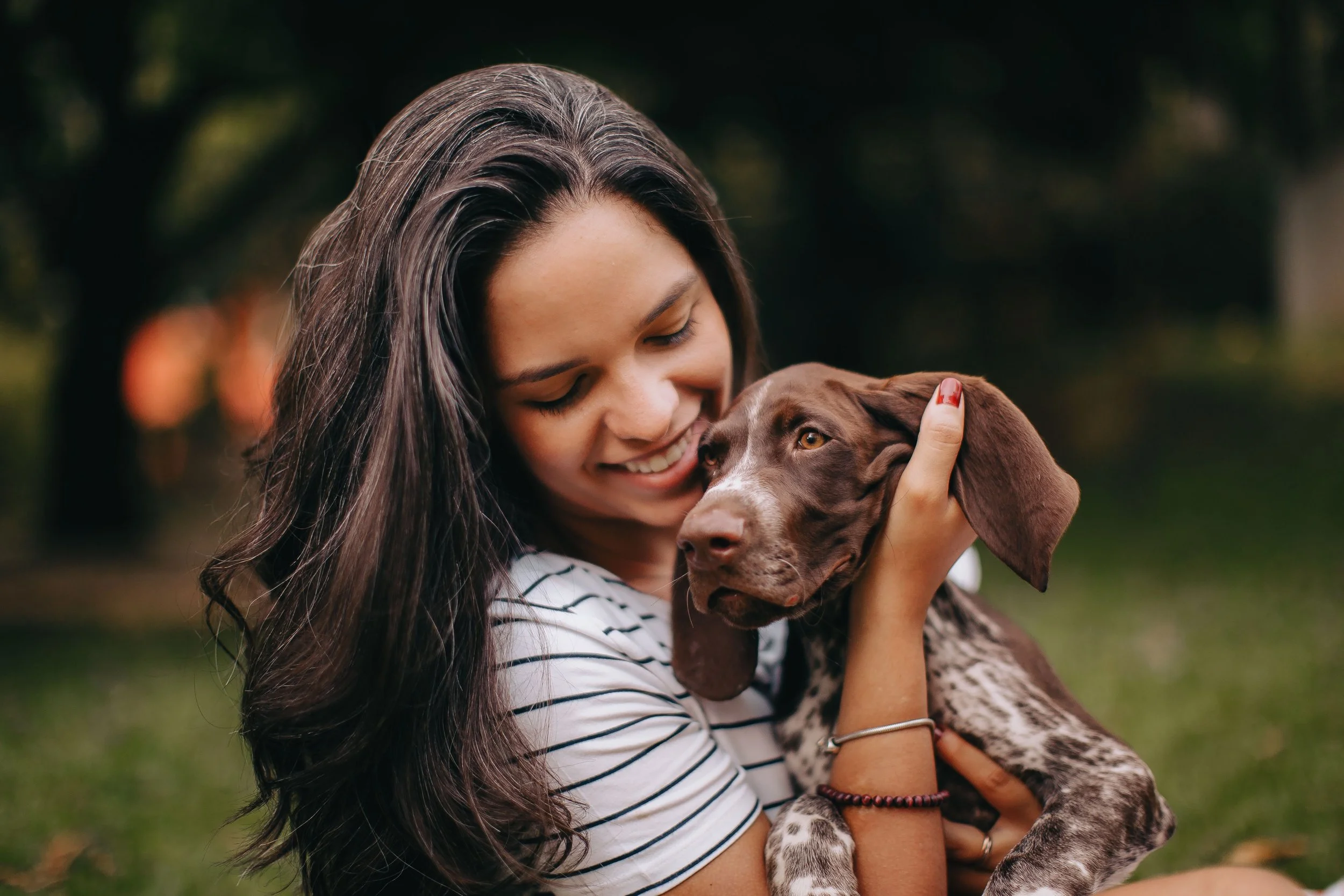
Plan for updates and the trip home
Decide what kind of updates are useful to you and realistic for the facility. A short note about eating, bathroom habits, sleep, play, or stress can help you understand how your dog is adjusting without asking staff to narrate every moment.
After pickup, your dog may need quiet, water, rest, and time to return to their routine. Texas A&M notes that a short adjustment period can be normal, but persistent or severe vomiting, diarrhea, coughing, lethargy, or significant behavior changes deserve a call to your veterinarian.
Your first-boarding checklist
The facility fits your dog's health, temperament, and daily needs.
Required records and veterinary questions are handled early.
Food, medication, routine, behavior, and emergency details are written down.
All packed items are labeled, permitted, and safe.
Staff know what is normal for your dog and when you want a call.
Your backup contact understands their role.
You know how updates will work during the stay.
You have a calm pickup plan and know when to contact your veterinarian afterward.
How Cotl can help
You know the difference between your dog's ordinary hesitation and a sign that something is wrong. You also know the strange little details that make care go smoothly, such as which cue gets their attention, whether they eat better in quiet, or how they ask to go outside.
A Cotl Pet Profile keeps those routines, records, needs, quirks, and preferences together. When boarding is coming up, you can use that information to prepare Care Notes for the facility and share only what matters for this stay. Learn how Cotl works.
Questions about a dog's first boarding stay
-
Book as soon as your travel plans are reasonably firm, especially for holiday periods. Early booking gives you time to tour the facility, complete records, discuss medications, and consider another option if the setting does not fit your dog.
-
Requirements vary by facility and by your dog's circumstances. Ask the facility for its current written requirements, then review them with your veterinarian. Do not assume that one generic online list applies everywhere.
-
Ask the facility. Many facilities allow or request a dog's usual food, but they may have rules for portioning, containers, bedding, and toys. Bring only items that are permitted, labeled, and safe for your dog.
-
Tell the facility that this is a first stay and ask about introductions, short visits, or trial options. Share how your dog handles new people, animals, sounds, and routines. If you are concerned about health or significant anxiety, talk with your veterinarian before the stay.
Help your dog arrive known, not just checked in
A thoughtful first boarding plan gives the facility more than a reservation and a bag of food. It gives staff a practical picture of the dog they are about to care for.
Start with one routine, preference, or comfort cue that someone else should know. Cotl can help you build from there and prepare the right Care Notes for the stay.
Some related external resources
Informational disclaimer
The content provided on the Cotl blog is intended for information purposes only and should not be treated as veterinary, medical, health, legal, or financial advice. We always recommend connecting with an expert if you have any specific questions about topics that interest you. Any opinions discussed or reflected in the Cotl blog are not the opinion of Cotl or any of its employees, contractors, officers, directors, stockholders, or other agents or representatives unless explicitly stated as such. Email hello@cotl.pet if you have any questions.