
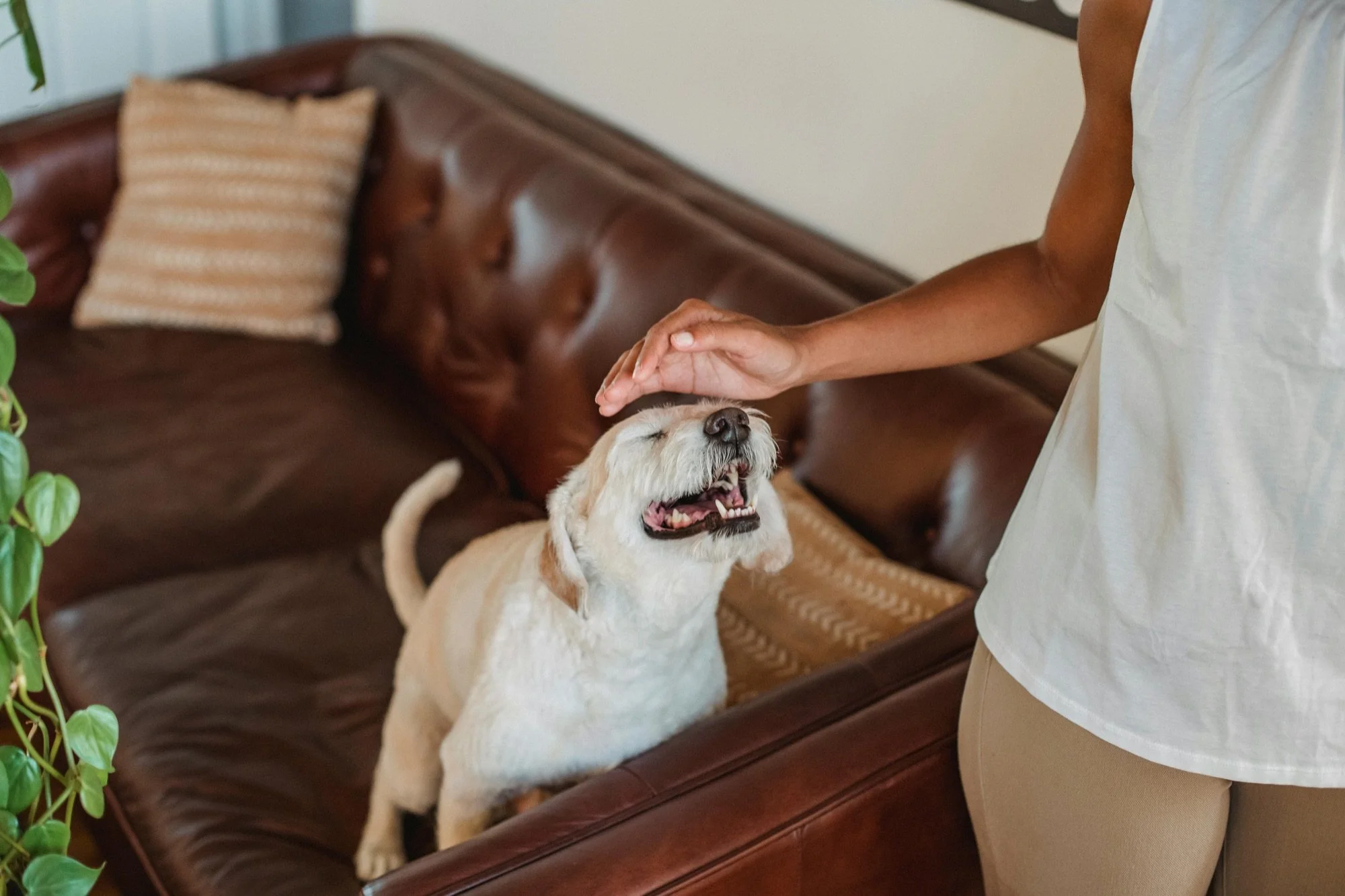
A puppy routine should make the day easier to understand, not turn every minute into a rule. The most useful routines follow the moments that naturally repeat: waking up, eating, going outside, playing, learning, settling, and sleeping.
Your puppy's age, health, breed, home, and individual temperament all matter. Use the rhythm below as a starting point, then ask your veterinarian about feeding, exercise, vaccination, and socialization choices that need to fit your puppy.
At a glance
Build the day around a few dependable anchors, then stay flexible enough to respond to the puppy in front of you.
Offer a potty break after waking, eating, drinking, and active play.
Pair meals with a calm follow-up routine and another potty opportunity.
Use short periods of play, reward-based training, and safe socialization.
Protect plenty of quiet rest and nap time.
Notice patterns, record what changes, and adjust the routine as your puppy grows.
Start with anchors, not a minute-by-minute schedule
A routine works best when it helps your puppy predict what comes next. Start with a consistent morning wake-up, regular meals, repeated potty opportunities, short activity periods, and a familiar bedtime sequence.
The clock can help, but transitions are often more useful than exact times. For example, the pattern "wake up, go outside, eat, go outside again, play briefly, then rest" is easy for a household to repeat even when the day starts a little earlier or later.
The American Animal Hospital Association (AAHA) recommends predictable feeding, potty, play, and bedtime routines, while emphasizing supervision, management, and positive reinforcement during the adjustment period.
Build the day from short puppy-sized cycles
Young puppies often move through the same basic cycle many times a day. Thinking in cycles can feel more manageable than trying to design one perfect schedule.
Wake up and go outside.
Eat or drink, then offer another potty break.
Spend a short period playing, training, exploring, or socializing.
Help your puppy settle for quiet time or a nap.
Repeat the cycle when your puppy wakes.
The length of each part will change. A very young puppy may need a much shorter awake period and more frequent potty breaks than an older puppy. The routine should stretch gradually as your puppy develops, rather than asking them to follow an adult dog's day too soon.
Let potty breaks follow the moments that trigger them
House training becomes easier when you plan around likely needs instead of waiting for an accident. VCA recommends frequent potty opportunities, including after meals or big drinks, immediately after naps, during high-energy play, and at regular intervals while a puppy is awake.
Take your puppy to the same appropriate area, stay with them, and calmly reward success. If an accident happens, clean it up without punishment and adjust the next opportunity. AAHA's current puppy guidance notes that punishment can make housetraining harder by creating anxiety.
If your puppy is left alone longer than they can comfortably wait, arrange a safe setup and a person who can provide a break. Your veterinarian can help you set realistic expectations for your puppy's age, health, and development.
Use regular meals, with a plan from your veterinarian
Regular meals make the day more predictable and can also make potty timing easier to anticipate. VCA Animal Hospitals notes that puppies may benefit from several smaller meals because of their smaller stomachs, but the right food, amount, and frequency depend on the individual puppy.
Follow the feeding plan provided by your veterinarian or the puppy food guidance they approve. Keep fresh water available unless your veterinarian gives different instructions, and avoid changing the schedule or diet abruptly without a reason.
Keep training short, clear, and rewarding
Training does not need its own long block. A minute or two before a meal, after a potty break, or during play can be enough to practice a name response, coming when called, settling on a mat, or another useful skill.
The American Veterinary Society of Animal Behavior (AVSAB) recommends reward-based methods for dog training. Focus on showing your puppy what works and rewarding the response you want, rather than using fear, pain, or intimidation.
End while your puppy is still engaged. Several tiny, successful practice moments are usually easier to fit into family life than one long session.
Protect rest as carefully as activity
Puppies need a great deal of sleep, but the amount varies. A quiet bed, pen, or other safe resting place can help your puppy settle without being pulled back into household activity.
Avoid assuming that every burst of biting, zooming, or restlessness means your puppy needs more exercise. Sometimes an overtired puppy needs help winding down. VCA advises watching for changes in sleep, energy, appetite, potty habits, and interest in play, and contacting a veterinarian when a change could signal a health concern.
Make socialization safe, gradual, and positive
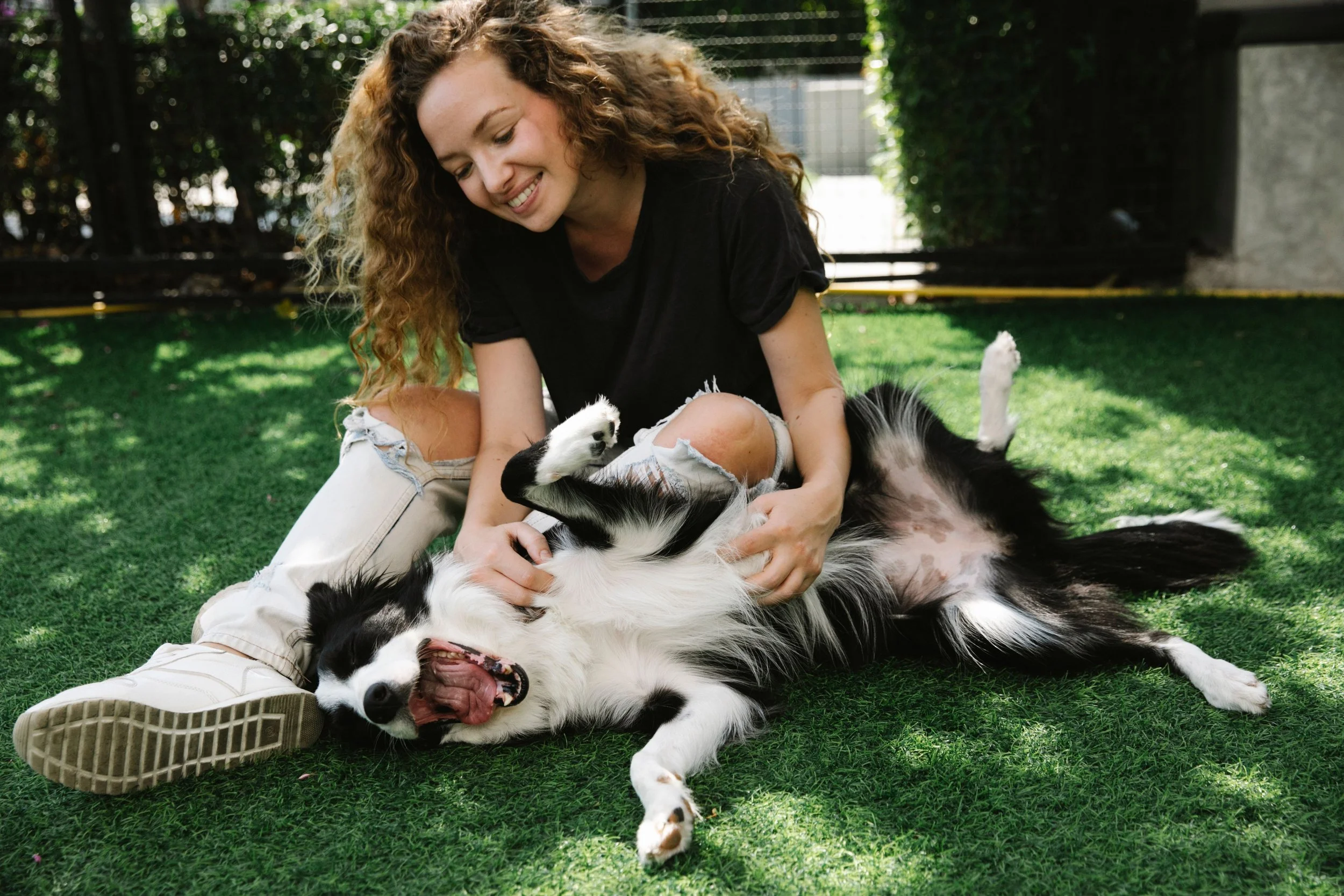
Socialization is not a race to meet as many people or dogs as possible. It is a careful process of helping your puppy experience new people, sounds, surfaces, places, handling, and other animals without overwhelming them.
AVSAB identifies the first three months as a particularly important socialization period and supports safe early exposure before the vaccine series is complete. Because local disease risk and your puppy's health matter, ask your veterinarian which classes, locations, and interactions are appropriate.
Keep exposures brief and watch your puppy's body language. If they freeze, hide, pull away, refuse food, or struggle to recover, create more distance and try an easier version later.
Choose exercise that fits a growing body
A puppy's activity should include play, exploration, and mental enrichment, but more is not always better. The appropriate type and amount depend on age, size, health, structure, and the puppy's response.
VCA recommends starting slowly, using consistent short activity, and checking with a veterinarian before beginning a new exercise routine. Stop and offer rest if your puppy repeatedly tries to sit or lie down, seems unusually slow to respond, or otherwise appears overworked.
A sample routine you can adjust
This is a sequence, not a prescription. Move the times to fit your household and repeat shorter cycles as your puppy needs them.
Morning: Wake up, go outside, eat breakfast, go outside again, then have a short play or training period.
Mid-morning: Settle for a nap, then go outside as soon as your puppy wakes.
Midday: Eat if your feeding plan includes a midday meal, go outside, then practice a short skill or safe socialization experience.
Afternoon: Alternate rest with brief play, enrichment, training, and potty opportunities.
Evening: Eat dinner, go outside, spend calm time with the household, and include another short activity period if appropriate.
Bedtime: Keep the last part of the night predictable, offer a final potty break, and help your puppy settle in the same safe sleep area.
Overnight: Some puppies still need a quiet potty trip. Keep it calm and return to sleep afterward.

How to tell whether the routine is working
Look for trends rather than a perfect day. A useful routine should become easier for your household to repeat and should help you notice what your puppy needs.
Potty accidents are becoming less frequent, even if they have not disappeared.
Your puppy can settle after activity with less help.
Meals, sleep, stools, energy, and behavior are following a recognizable pattern.
Training stays short enough that your puppy can participate willingly.
Another caregiver can follow the routine without needing you to explain every step.
If the routine repeatedly breaks down, make one part easier. Shorten an activity, add a potty opportunity, protect a nap, or ask your veterinarian or a qualified reward-based trainer for help.
Record what you are learning about your puppy
Puppy routines change quickly. Write down the details that are easy to remember today but may be harder to explain when another person steps in.
Meal timing, food amount, and any veterinarian-approved changes.
Potty timing, signals, preferred location, and recent changes.
Nap patterns, bedtime routine, and what helps your puppy settle.
Training cues, rewards that work, and situations that are still difficult.
New experiences your puppy handled comfortably and signs that they were overwhelmed.
Questions, symptoms, or changes to discuss with your veterinarian.
How Cotl can help
A Cotl Pet Profile can give you one place to keep the routines, preferences, health information, observations, and care details you are learning as your puppy grows. When a sitter, family member, trainer, or veterinarian needs context, you can prepare Care Notes with the information that matters for that situation.
You do not need to know everything on day one. Start with the routine you have now, then update it as your puppy becomes more comfortable and capable. Cotl's new pet guide can help you keep building from what you learn.
A quick routine check-in
Are meals and potty breaks predictable enough to repeat?
Does your puppy get short, rewarding practice instead of long drills?
Is quiet rest protected throughout the day?
Can another caregiver understand the current routine?
Have you recorded what changed this week?
Questions about puppy routines
-
No. Consistent anchors are helpful, but the routine should flex around your puppy’s age, health, sleep, appetite, and the realities of your household. Try to preserve the order of key events even when the clock changes.
-
Young puppies need frequent opportunities, especially after waking, eating, drinking, and active play. The right interval varies. Watch your puppy’s patterns and ask your veterinarian for age-specific guidance.
-
Meal frequency depends on age, size, health, and the food being fed. Many puppies eat several smaller meals, but follow the plan recommended by your veterinarian or the puppy food guidance they approve.
-
Reduce stimulation, use a quiet safe space, and keep the pre-nap routine predictable. If sleep changes suddenly or your puppy seems unusually tired, restless, uncomfortable, or uninterested in normal activities, contact your veterinarian.
Start with the routine you know today
Start for free with a Cotl Pet Profile, or explore how Cotl can help while you are getting to know a new pet. The goal is not a flawless schedule. It is a routine that helps your puppy feel understood and helps the people around them provide consistent care.
Some related external resources
The content provided on the Cotl blog is intended for information purposes only and should not be treated as veterinary, medical, health, legal, or financial advice. We always recommend connecting with an expert if you have any specific questions about topics that interest you. Any opinions discussed or reflected in the Cotl blog are not the opinion of Cotl or any of its employees, contractors, officers, directors, stockholders, or other agents or representatives unless explicitly stated as such. Email hello@cotl.pet if you have any questions.