
🤔 When animal rescue *didn’t* help the pets, they did this…
Imagine you meet the perfect pet. Your lifestyle accommodates their needs, their personality fills your heart with joy, and you two hit it off immediately.
Now imagine you’re not able to take this pet home because your yard is too small. Or because you live in an apartment.
And, since we’re using our imaginations here, think about how many pets miss out on their forever family because of these kinds of restrictions.
While rescues all around the country have these in place with the pets’ health and safety in mind, they may also be preventing a perfect match.
And it’s these very restrictions that led Erin Handley, along with co-founders Mike Ezzo and Shaina Ward Siegel, to create Resilient Hearts Animal Rescue.
Their first mission? Make rescue accessible.
When complaints lead to real change
“...We saw all of these barriers to getting animals placed with their forever families. These are people who are really passionate and wanted to have a pet, but couldn’t because of where they lived. Each of us saw things that didn’t make sense to us so we thought we'd like to do it differently.”
Erin, her partner Matt, and his friend Shaina, all have a background in the animal rescue world, either through working or volunteering.
Over the years, they’d come across situations that were very common among rescues but just didn’t feel right to them.
Because of requirements like: must have a house, must have a yard with 6-foot tall fencing, must work from home, etc., rescues were greatly limiting the pool of people they could place a pet with.
People who were ready to provide a loving home to a pet in need.
Feeling frustrated, they jokingly created a “complaint jar,” where money would be placed every time they wanted to express something they were unhappy about.
This money would then go toward starting their own rescue in 2020.
“The joke is that we are so good at complaining and we love to complain so much that we complained our way into starting ahead of schedule.”
Jokes aside, they started their rescue in 2019 with a focus on community and accessibility, and the neighborhood noticed.
Establishing a better way, for people and pups
“From the beginning, it’s been really exciting. We started out by asking, ‘What do we not like?’ and ‘How are we going in a different direction?’ And it really boiled down to being accessible… Saying yes unless there’s a really good reason not to.”
Want to foster?
Want to foster for a long weekend?
Want to take a dog for a walk?
Want to come in and play with a dog?
Yes.
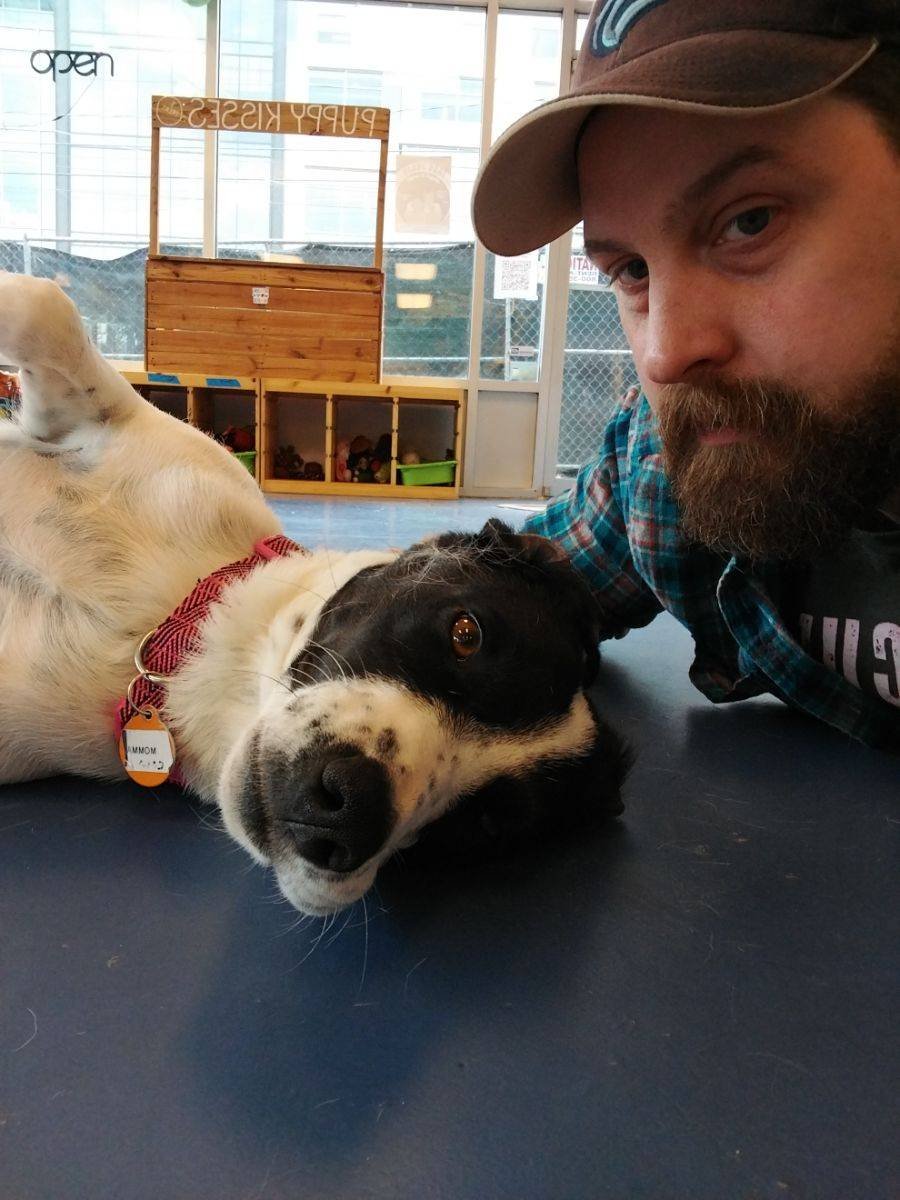
By decreasing the barriers for anything from long term fostering to a drop in play time, Erin and the Resilient Hearts team have been able to provide dogs in her care with much-needed love and socialization.
Like many rescues, for example, fosters are provided with supplies, food, and anything the dog needs while in their care.
But unlike the others, a person’s living or work situation isn’t going to make or break an opportunity to be placed with a dog.
They even provide doggy daycare for their own foster pups, so the foster parents can work and the dog gets play time!
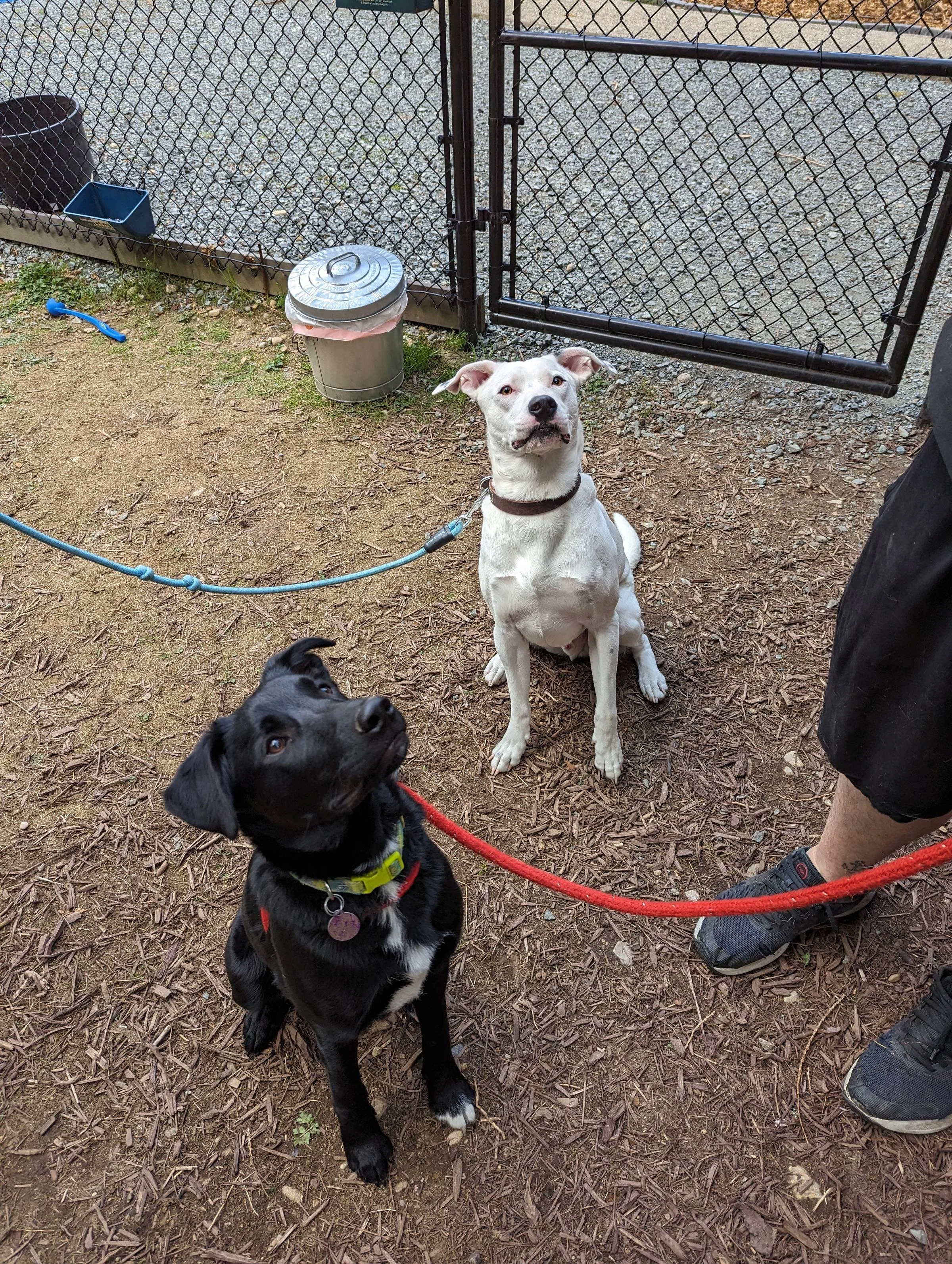
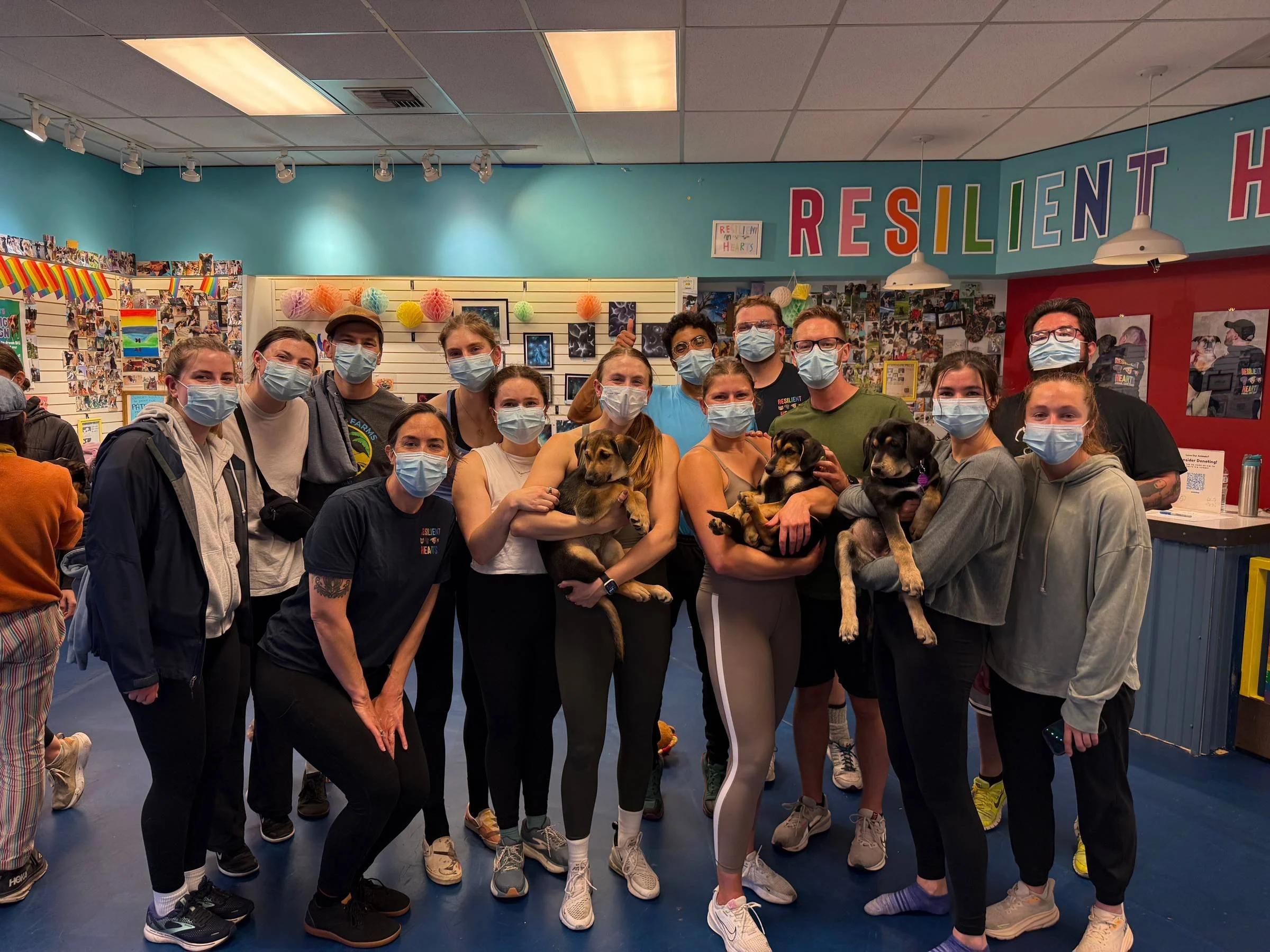
And for those who can’t or don’t want to foster, Resilient Hearts has opened their doors for volunteers to come in when it works for them.
The facility, which they’ve since 2022, is a single floor and wheelchair accessible. Everyone wears masks while inside the facility so the immunocompromised can come be with the dogs too.
They don’t require a 6-month commitment or a 3-hour time schedule like other places do–People can schedule time ahead or just drop in when they’re available.
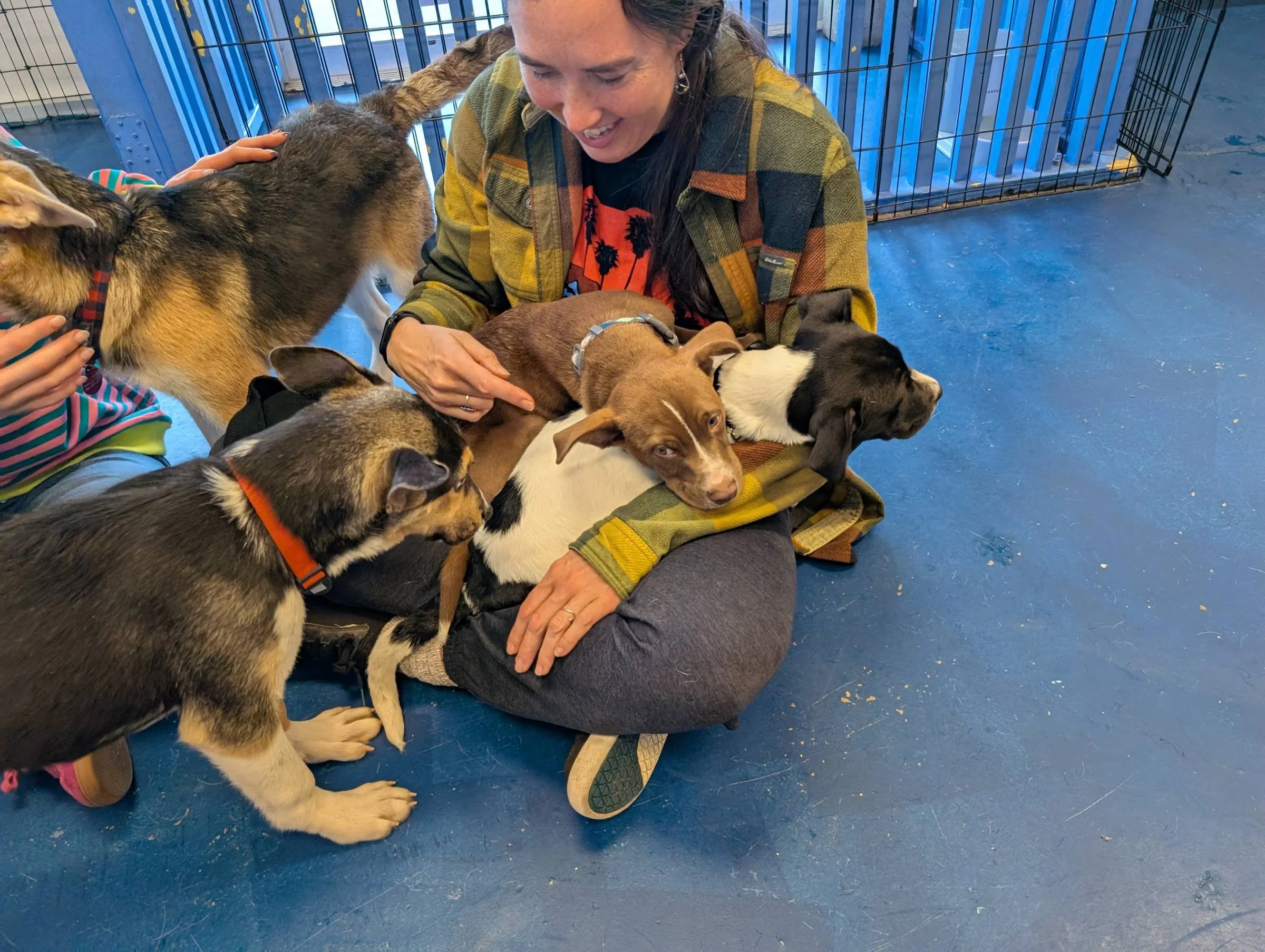
And kids? They can volunteer too.
“Kids really need animals. They need to be able to hang out with a dog, learn how to interact with them, and be comfortable with them. It's just really beneficial for everyone involved.”
It’s not just the dogs that benefit
Since the beginning, Resilient Heart’s focus on community has been a priority. When more people are involved, it only helps the dogs that much more!
“One of the baristas at a regular spot we go to recently told me that she can see the change in the neighborhood since we moved in. There are a lot more families with kids and the whole place just feels lighter and friendlier.”
Fremont, a neighborhood in Seattle, WA, is a place Erin holds near and dear to her heart. It’s where she spent her childhood.
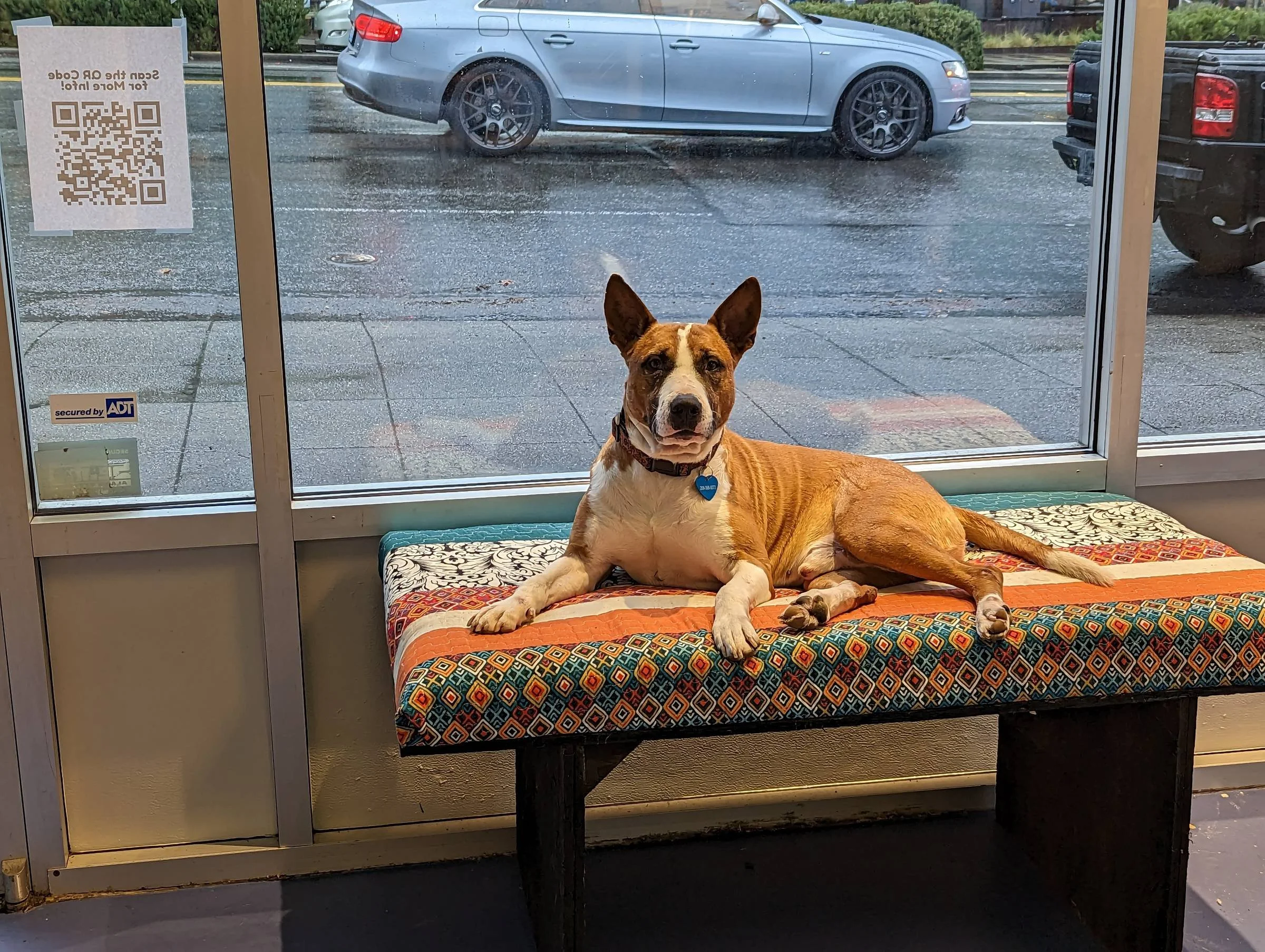
So to know she’s now making a positive change through the work she does with the pups feels extra impactful.
“Getting to do this in my neighborhood is also a huge thing for me. Getting to be in my community and then having that grow along with the rescue has been so special.”
For the kids who volunteer, she’s watched them build confidence over time.
Once the “new kid,” one of her frequent helpers now knows the ins and outs of what it takes to be a volunteer–and often gives people the spiel. He’s only in middle school.
Teenagers have found a safe space in Resilient Hearts–it’s a place they can come to, whether they’re having a good day or struggling with mental health–and the dogs still love them, no matter what.
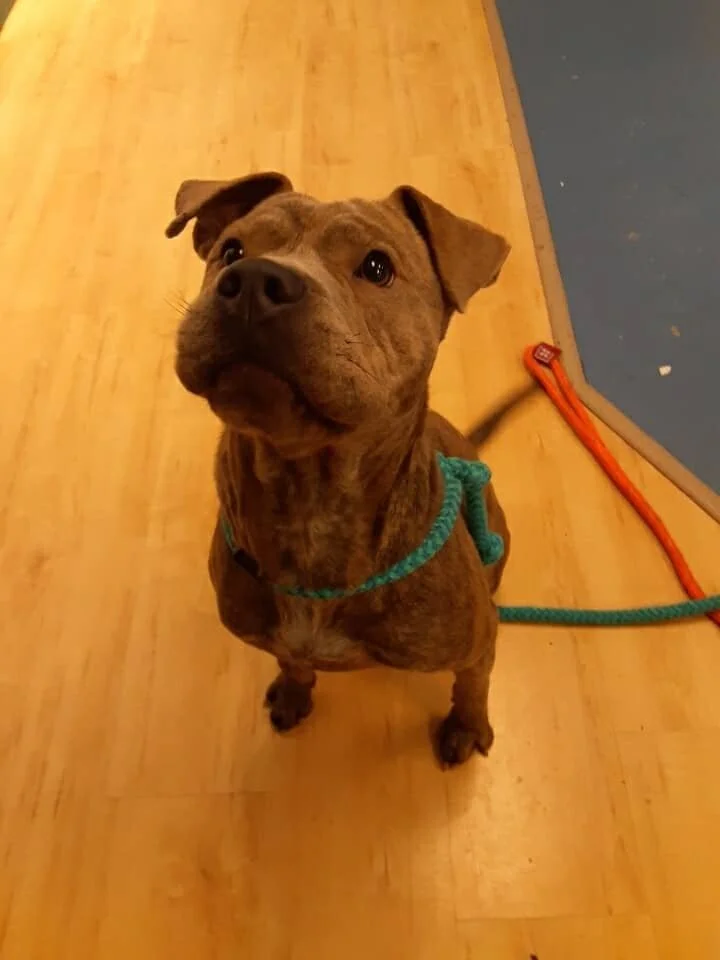
They can come and be still with a sweet pup who appreciates who they are at that very moment, without having the responsibility of caring for them once they leave.
This focus on caring for people and pups is what makes Resilient Hearts stand out among other rescues, and it’s led to great opportunities for both them and the community.
Because of their genuine passion for involvement, people want to donate. They don’t need to rely on marketing tactics like urgency or guilt to persuade people to reach into their wallets.
“We've found that if we make people feel good about being part of us and being with us, and if we're a place where people are welcomed… They're going to want to do things to keep us around.”
Connecting to the community
“A lot of people who aren't already part of our community will be introduced to us, our space, and our dogs through puppy yoga, which is fantastic and incredible.”
Yes, puppy yoga! Because Resilient Hearts has an accessible facility, they’re able to host their own events, including yoga.
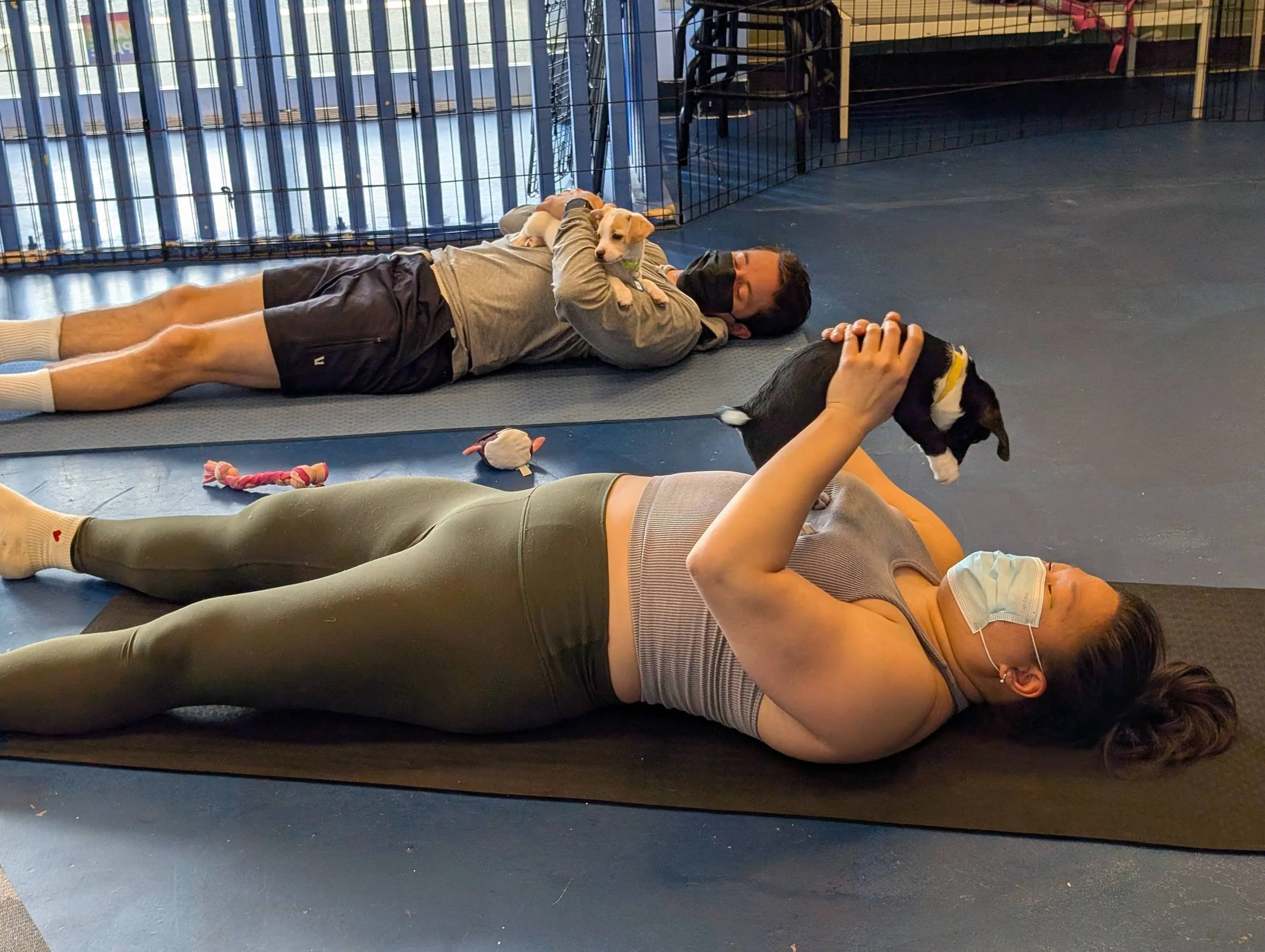
Three times a week, community members are able to come by for a “pay what you can” class that holds many benefits.
People get to unwind and destress with breath and puppies. The dogs get to experience play and socialization. And Resilient Hearts gets donations that help them keep the lights on.
Because payment is up to the participant, no one is ever turned away. Even still, the rescue always nears their fundraising goal.
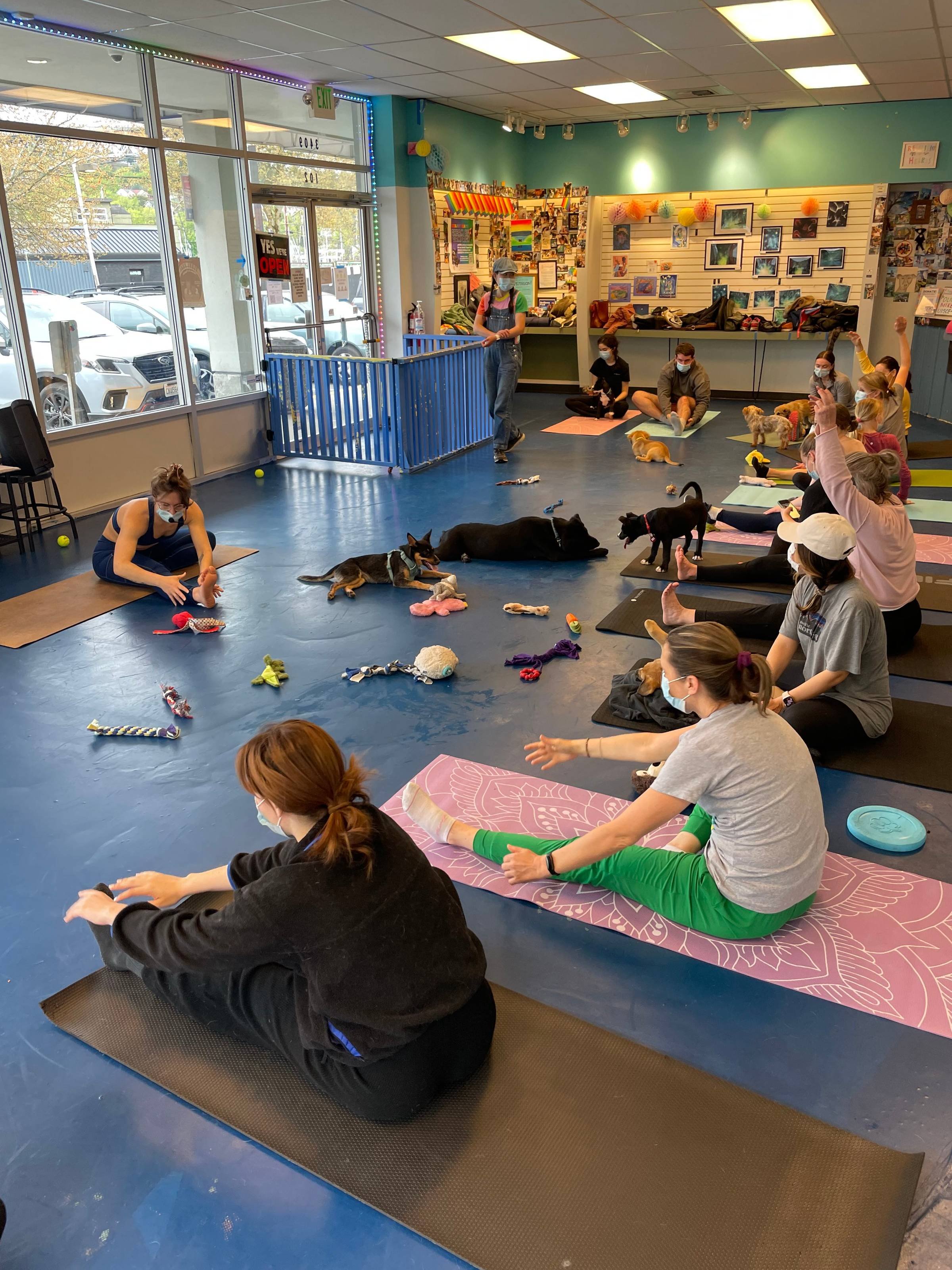
Along with events like this at their facility, Resilient Hearts also partners with other businesses to provide puppy snuggles for their events.
It’s a great way to bring people out, because who doesn’t want to pet a puppy!
But sometimes, the biggest impact they have on the community isn’t in person, it’s online.
With a private Discord server, they help pet parents all around the area stay connected to each other and even help each other in times of need.
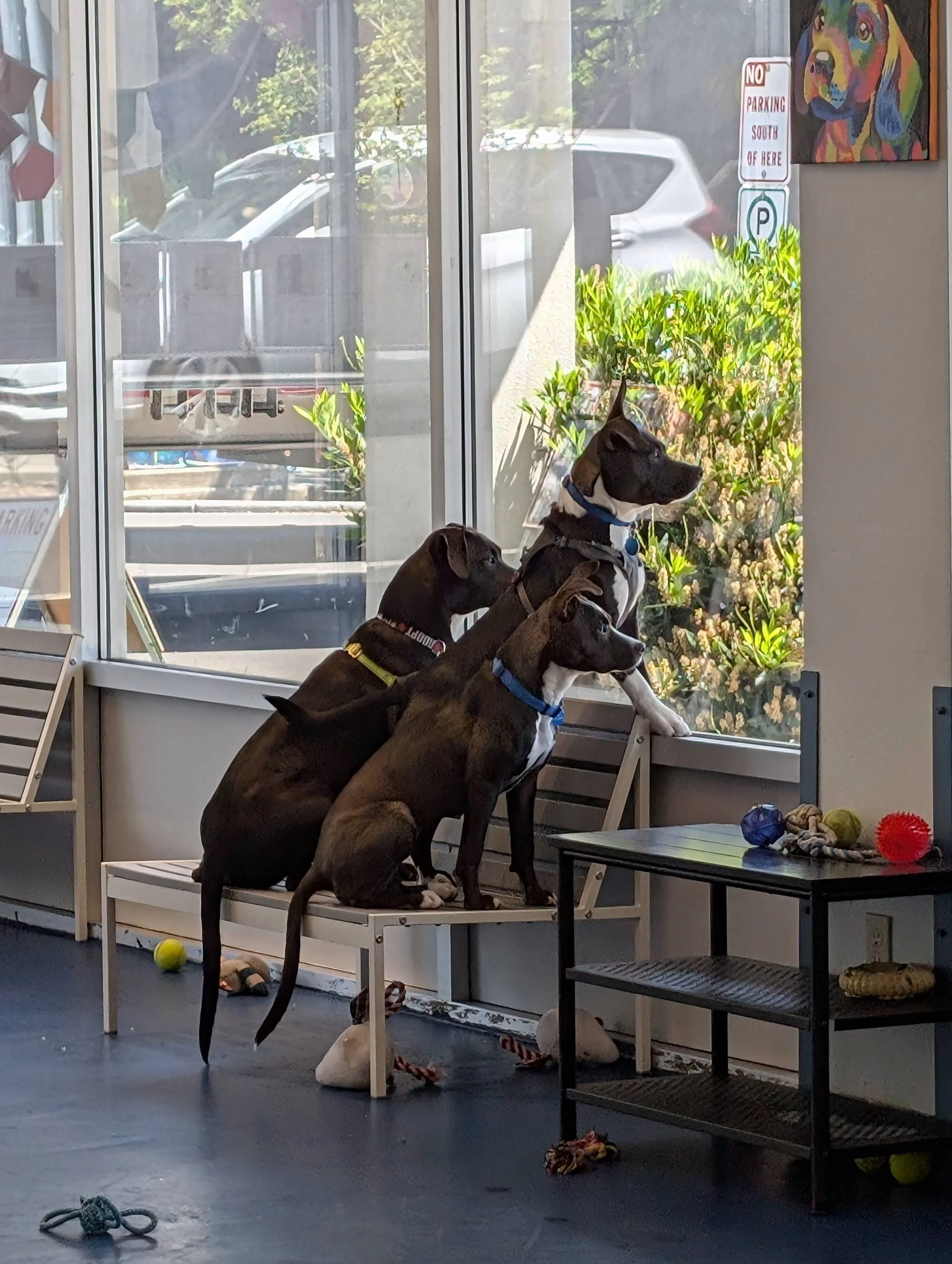
People will participate in sitting swaps, where they trade watching each other’s dogs. Or they’ll rent a sniff spot for a litter reunion.
If a pet has specific dietary needs, or has outgrown their kennel, the rescue and community shows up for things like that as well.
It’s just another way they’ve created an impact in their neighborhood that goes far beyond the dogs.
Setting your pup up for success from the start
When it comes to welcoming a dog into your home, many people overlook shelters.
“I know shelters can get a bad rap but they are actually incredibly important. What they do is insanely difficult. And it’s not a bad thing to get a dog from a shelter versus a rescue. Rescues exist to help take pressure off of shelters. So, if you have a local shelter, go there and see if there is a dog that's a good fit for you there. There's nothing bad about that. That actually is how I got my baby girl!”
Getting a dog from a shelter, a humane society, a rescue… It’s all a rescue.
Beyond that, Erin suggests doing some research first on what a puppy or young dog entails.
If you have the ability to foster to adopt, especially if you haven't had a dog before, it’s a great opportunity to let you see what they’re like in your home.
After at least three days of decompression, they’ll start to feel more comfortable and behave like themselves in your home.
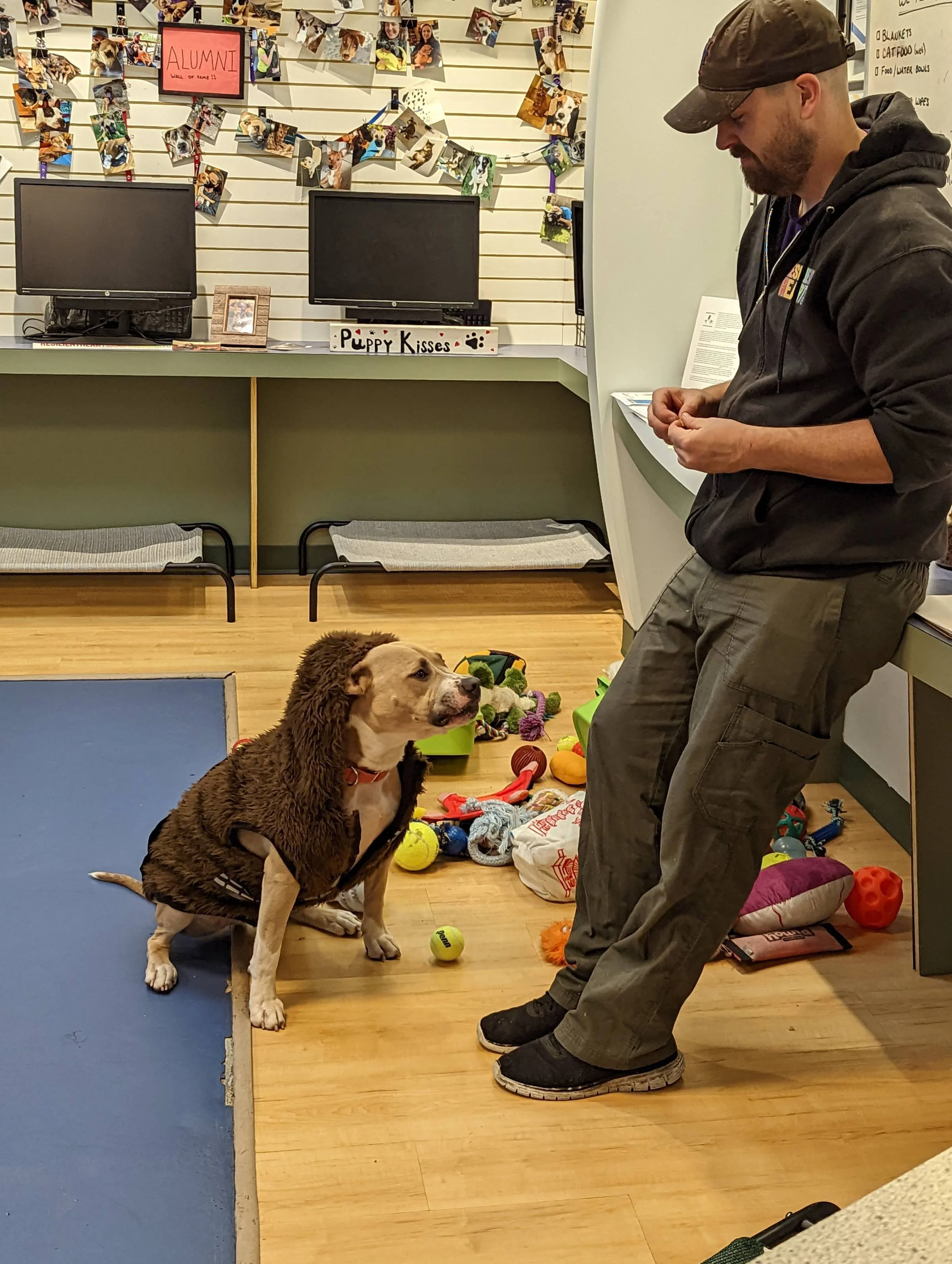
And most importantly, Erin reminds us that we should always aim to build a good relationship with our dog.
“Positive reinforcement training is great. Give them love and really take your commitment to them seriously because they’re going to be a member of your family.”
Oh, and pet insurance. It’s expensive when puppies do something dumb (and they likely will).
Securing their well-being, now and forever
After putting in the time and effort to build trust with your dog, you want to make sure they get to live the rest of their life feeling safe.
They know what to expect with you, but what if something were to happen?
Who would take them… And would they know what to do?
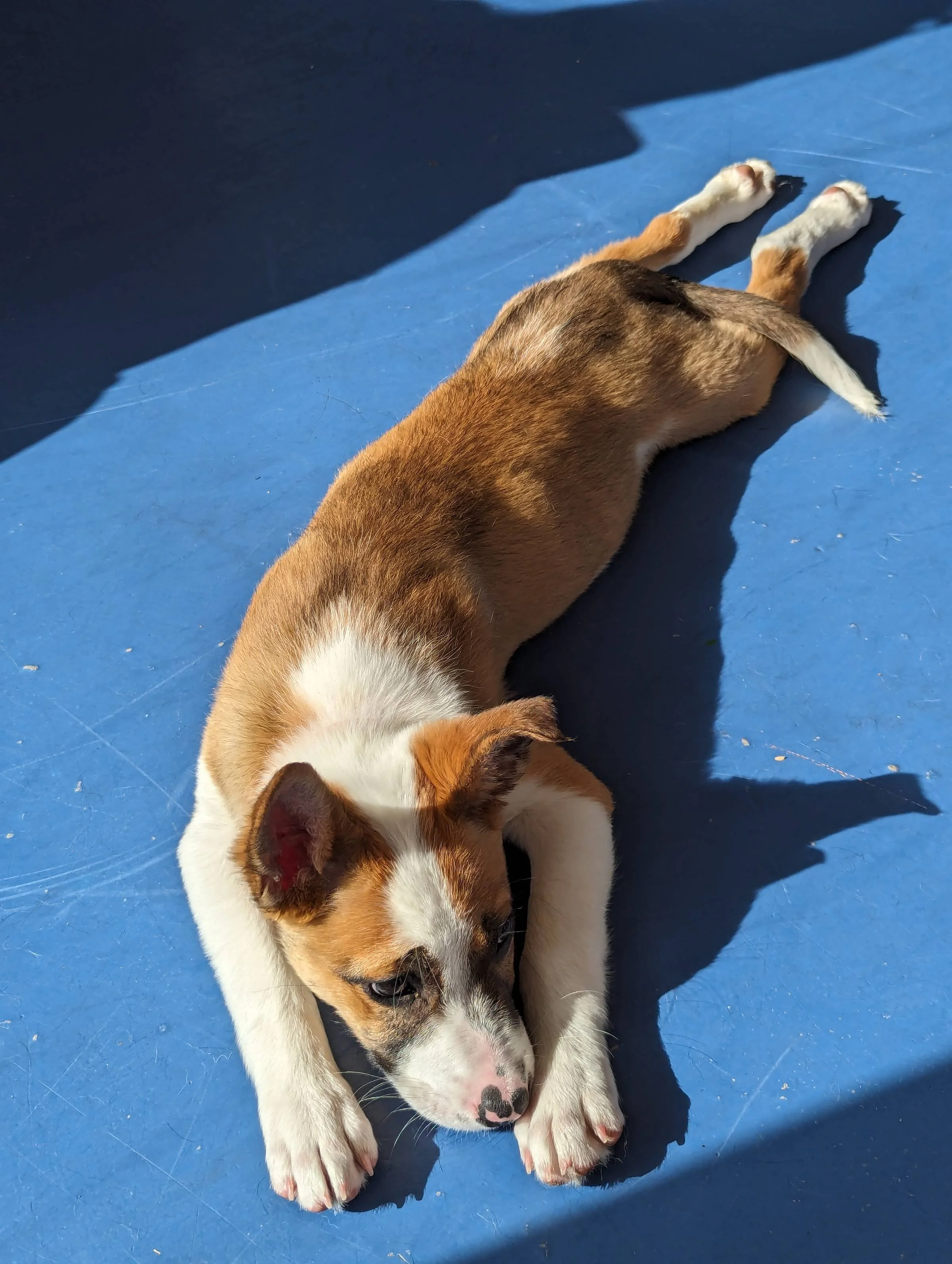
Putting a Cotl plan in place ensures your pet is taken care of, just the way they’re used to, no matter what happens to you.
Discover how the process works or book a call directly with Sean, our founder and CEO, to see what a plan could look like for you.
