
😔 What does your dog do when you’re sad?
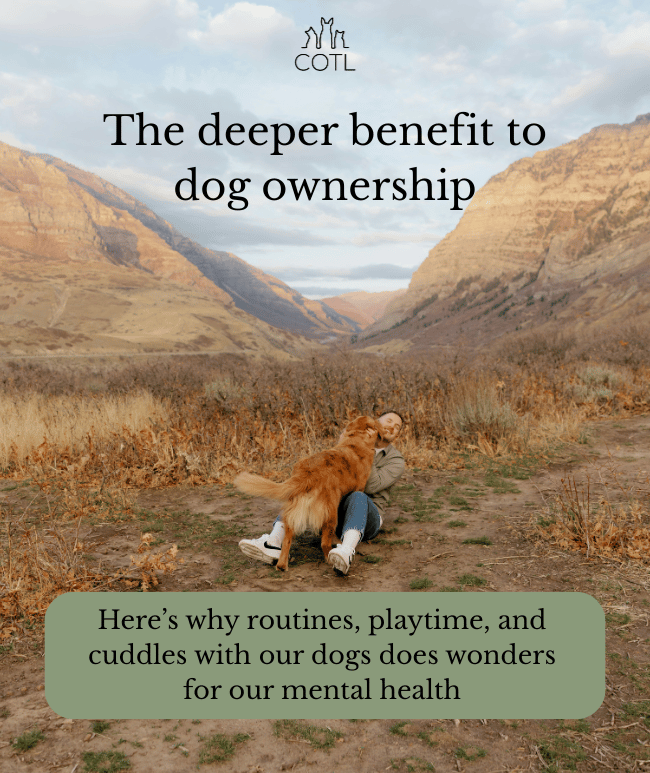
“My dog knows when I’m sad.”
Have you ever felt that before? It’s a common sentiment among dog owners that’s actually been proven–they know when we’re just not feeling that great.
But it’s not just their ability to sense sadness and come to our rescue that makes them so meaningful to have as pets. It’s the actions we actively take when they’re in our lives too.
“I’ve seen dramatic differences in people’s emotional states after bringing a dog into their lives,” says Dr. Carolina Estevez, Psy.D. Psychologist at Soba New Jersey in New Brunswick, NJ.

And the ways they benefit our mental health may be things you’re already doing with your dog every day.
Dogs provide a sense of comfort
“Pets can act as emotional anchors offering a calming presence during stressful moments and a reliable companion through the ups and downs of life. This steady, nonjudgmental support often helps people feel grounded, safe, and connected.”
The feeling of unconditional love we get from our pets can become almost therapeutic when we’re struggling with sadness, loneliness, or various mental health challenges.
Just their presence alone can provide a strong sense of comfort.

But when we actively engage with our dogs in our everyday life, they might be providing more than we even realize.
Take daily routines, for example. Feeding, grooming, and exercise are things our dogs rely on us to provide–and showing up consistently creates a sense of stability in daily life.
Walking, training, and spending time together in stimulating activities builds our bond. That connection can give a sense of security too, especially in moments we may feel misunderstood or isolated.
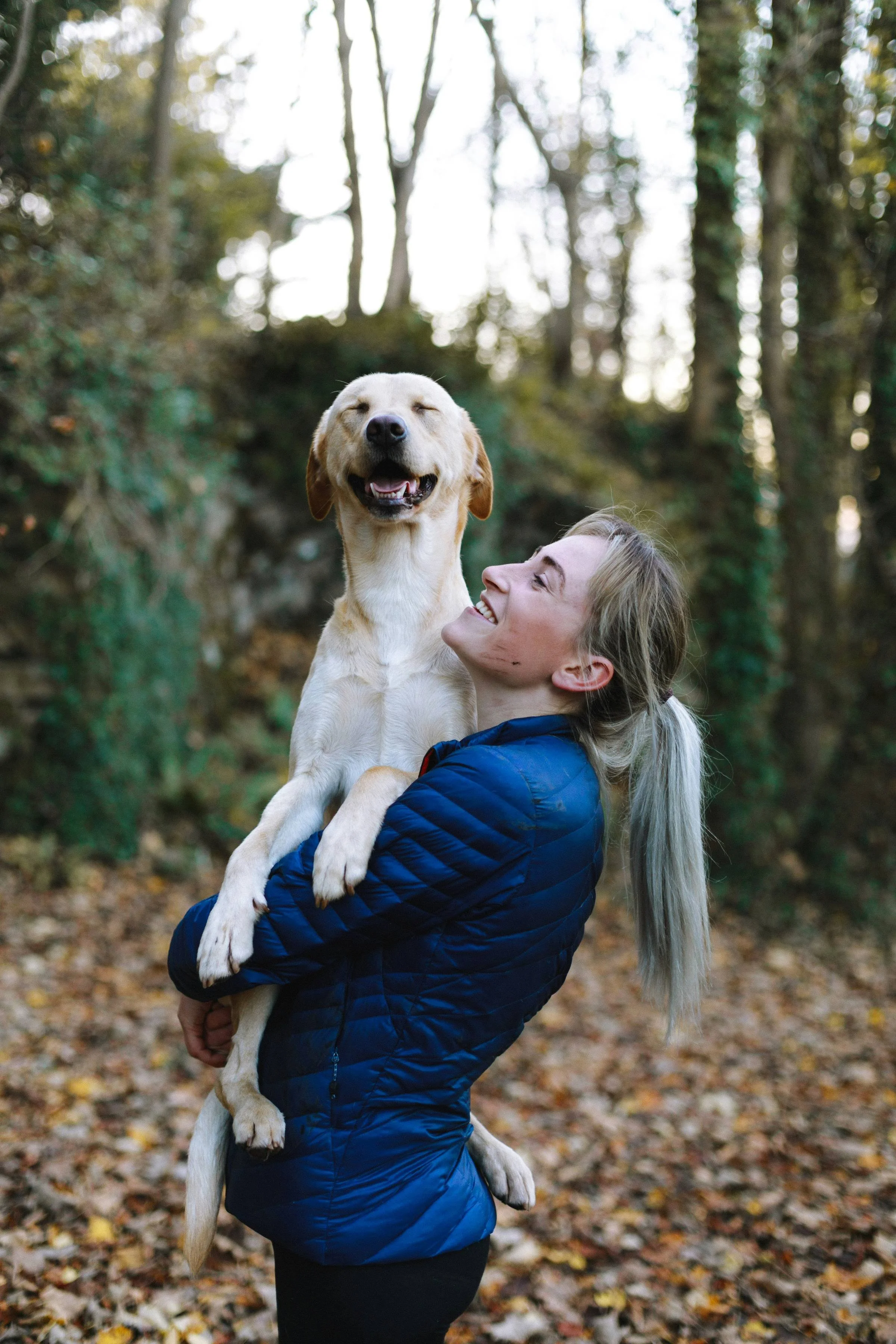
And for those who experience deep depression or anxiety, dogs can help bring joy and purpose back into life.
Tackling deep emotional states with a gentle nudge
Even if you’ve never experienced anxiety or depression before, you may know someone who has.
These disorders can make the simplest of tasks feel overwhelming and impossible to do, because they fill us with feelings of hopelessness, fatigue, or even fear.
But when there’s a dog nearby, their needs can help bring a little light into our life.

Going back to the benefits of a routine, the fact that they need to be fed, walked, and cared for every day can gently nudge someone to take action, even if they’re feeling a lack of motivation or low energy.
“The bond with a pet creates a sense of responsibility that offers people the rewards of affection and companionship while also helping them push through the inertia of depression or the paralysis of anxiety.”
The fact is, our dogs rely on us to keep them safe and healthy, and having that purpose can be highly beneficial when depressive or anxious thoughts try to take control.
And for those dealing with severe depression, anxiety, or even deeply-rooted trauma, dogs can be more than just a loving companion.

Service dogs can be trained to recognize distress signals and provide comfort during panic attacks or other types of episodes–further providing care to those who care for them.
They’re always fully immersed in the now, which can hold a lesson for us too.
The perfect mindfulness practice
“Dogs are fully immersed in what is happening right now and don’t worry about tomorrow or dwell on the past and for people struggling with anxiety or depression, this modeling of mindfulness is invaluable.”
Even for those who don’t struggle, it’s easy to get wrapped up in endless thoughts or cycles of stress.
But having a dog provides a deep lesson in mindfulness, if we allow ourselves to see it.
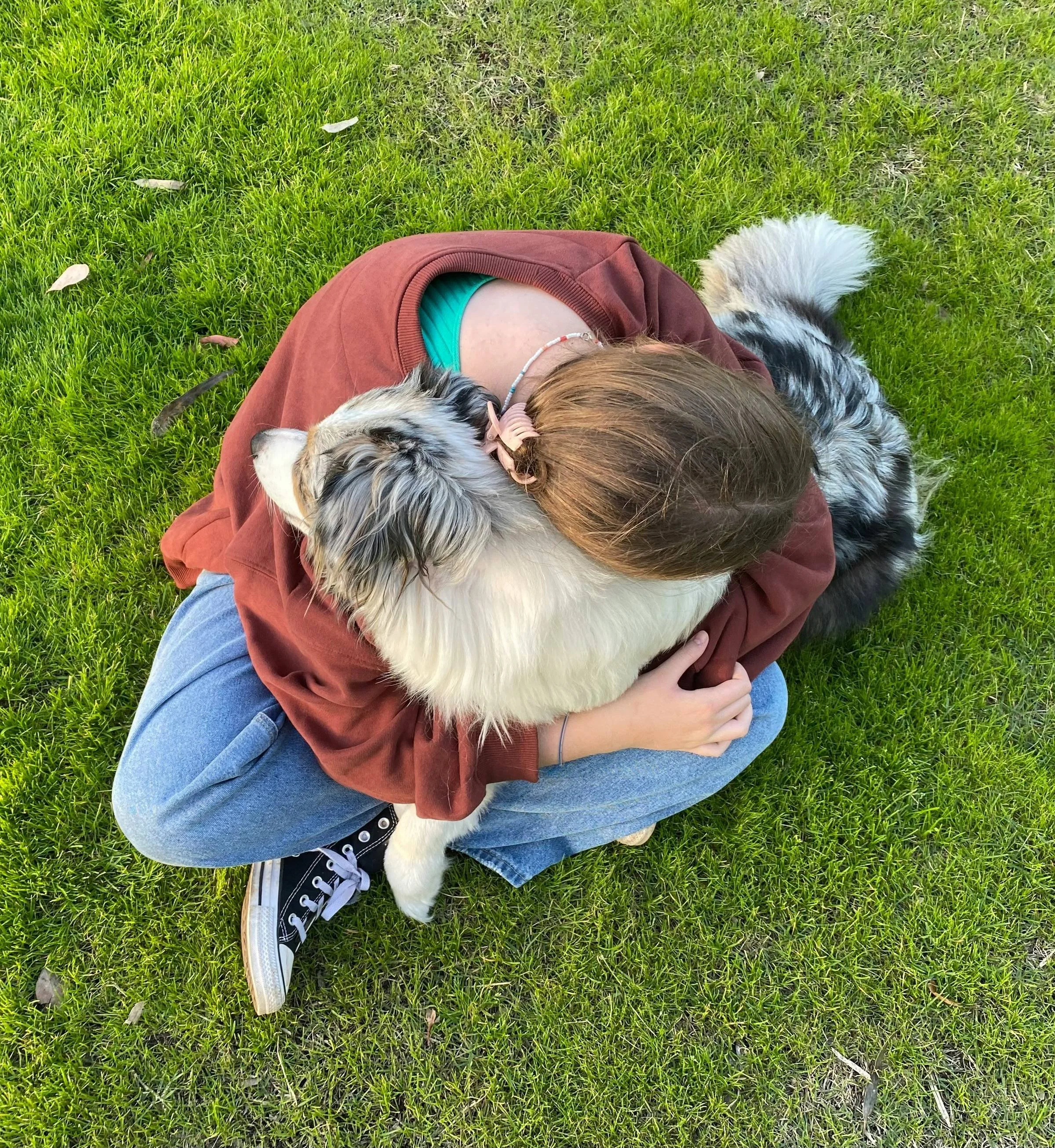
According to Mindful.org:
“Mindfulness is the basic human ability to be fully present, aware of where we are and what we’re doing, and not overly reactive or overwhelmed by what’s going on around us. Mindfulness is a quality that every human being already possesses, it’s not something you have to conjure up, you just have to learn how to access it.”
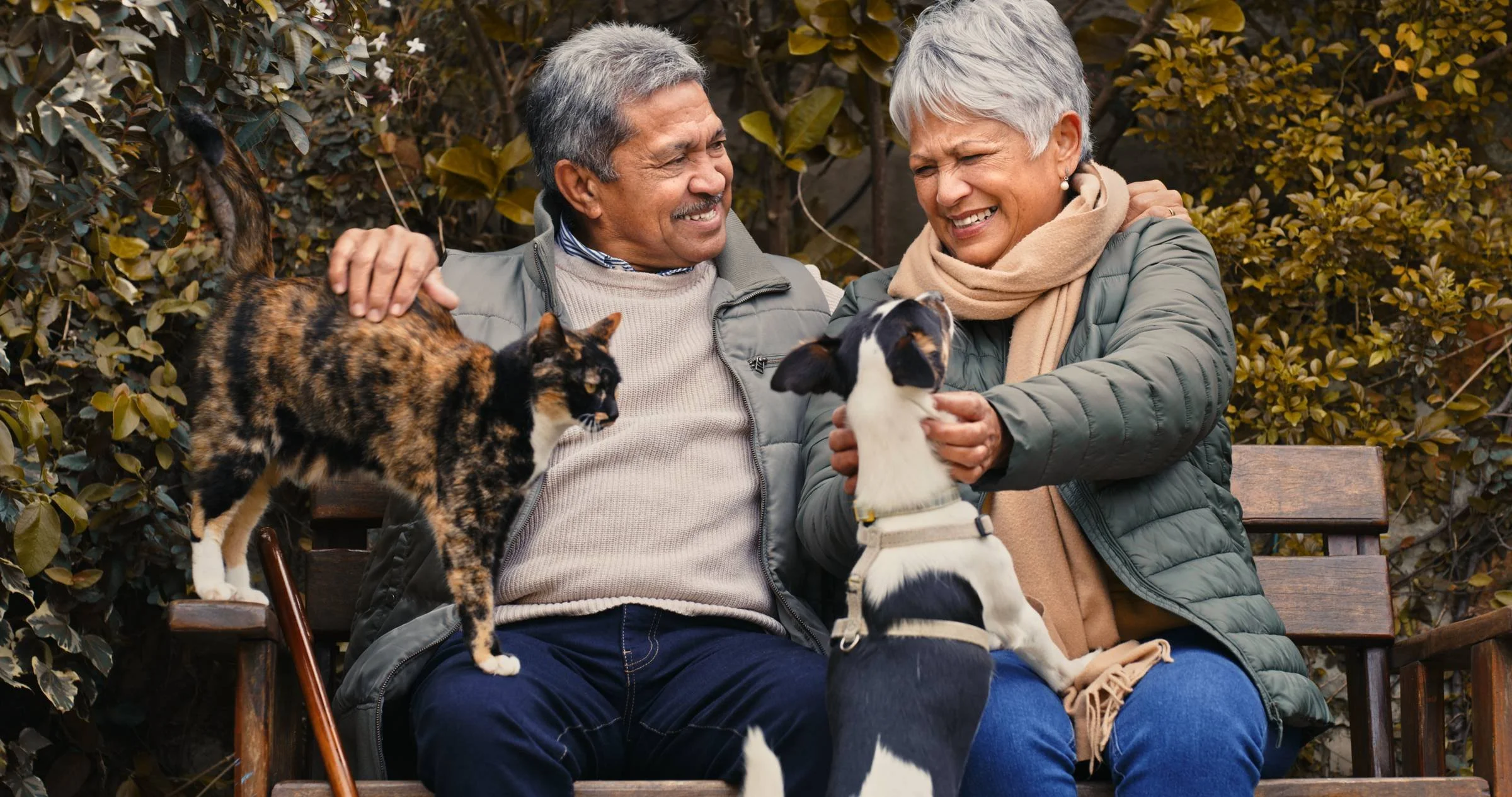
Just by spending quality time with our pets, we’re encouraged to slow down, notice our surroundings, and engage with simple joys.
This, in turn, can also help reduce things like rumination and catastrophic thinking.
“Austin Foley, a dog owner in Charleston, South Carolina, has experienced this firsthand. ‘A dog’s purpose is to give us purpose,’ says Foley, whose yellow lab, Bear, is 9 years old. ‘There are no ups with dogs; there are no downs with dogs; there is only now. They don’t let the past affect the future, and they inspire us to do the same. It’s a symbiotic relationship, and that’s why I think they will always be man’s best friend.’” -__From Care.com_
Many therapeutic practices that aim to address anxiety or depression include learning mindfulness, and by focusing on the here and now, it’s something dogs are helping train our brains to do without even noticing.
And these mindful moments with our pets expose us to other great benefits too.
A soft, cuddly way to zap stress
“The predictability of a dog’s affection can offer reassurance during tough times by creating a buffer against daily stressors.”
But there’s actually more to it than that. In an article for Care.com, Dr. Estevez also explained:
“Studies have confirmed that interacting with dogs lowers cortisol (the stress hormone) and increases oxytocin (the bonding hormone), which helps reduce stress and enhance emotional well-being.”
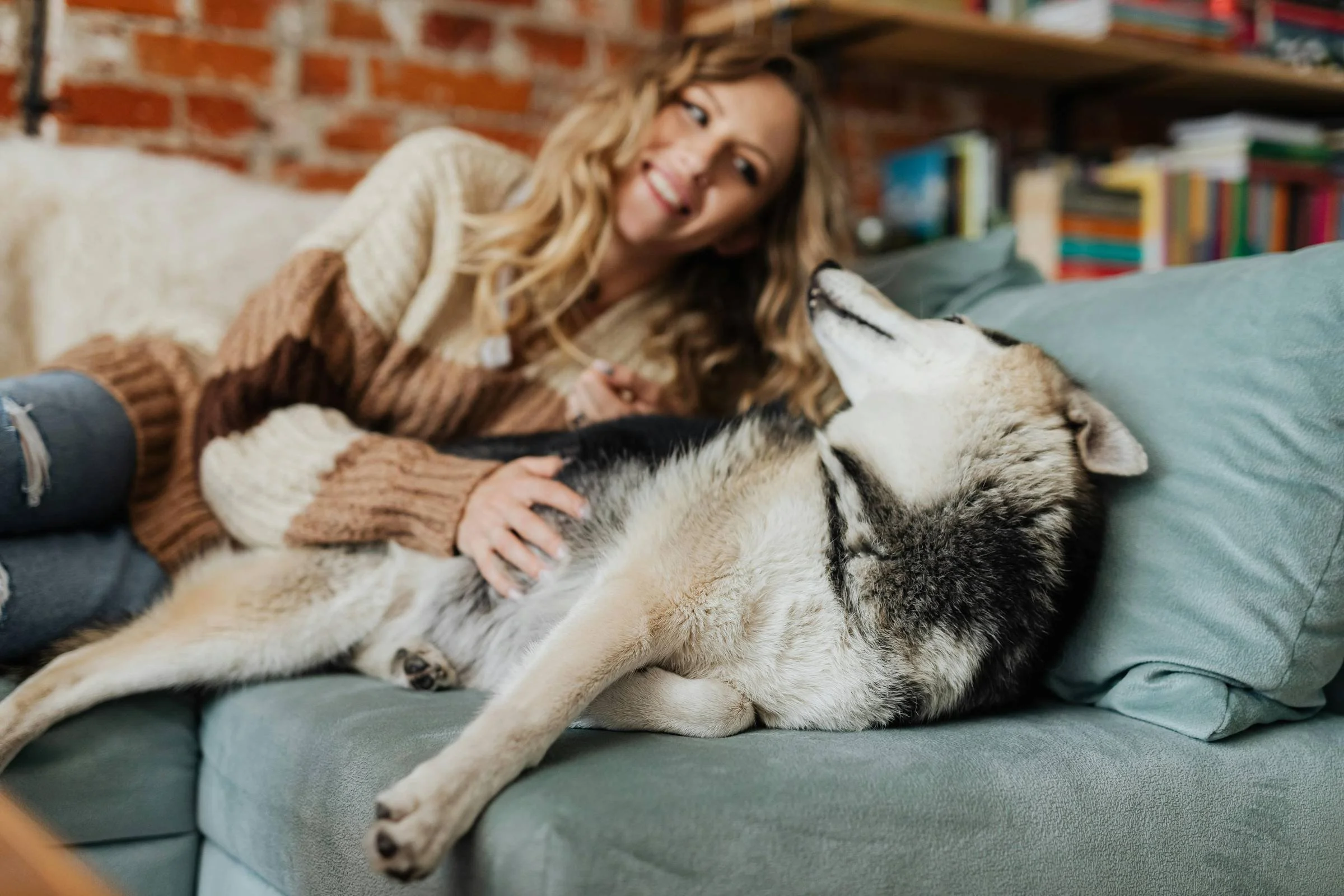
Simply petting or cuddling a dog (or a cat!) can lower stress and even positively affect heart rate and blood pressure too.
And with the increase in oxytocin, it can lead to feelings of calm and bonding too.
Dog’s anti-stress benefits don’t stop at cuddles. When you take a walk together, you’re not just getting exercise–you’re getting exposure to nature too, which improves mood and reduces tension.
It doesn’t take a deep, years-long bond with your pet to feel these effects. You can also feel them with any dog.
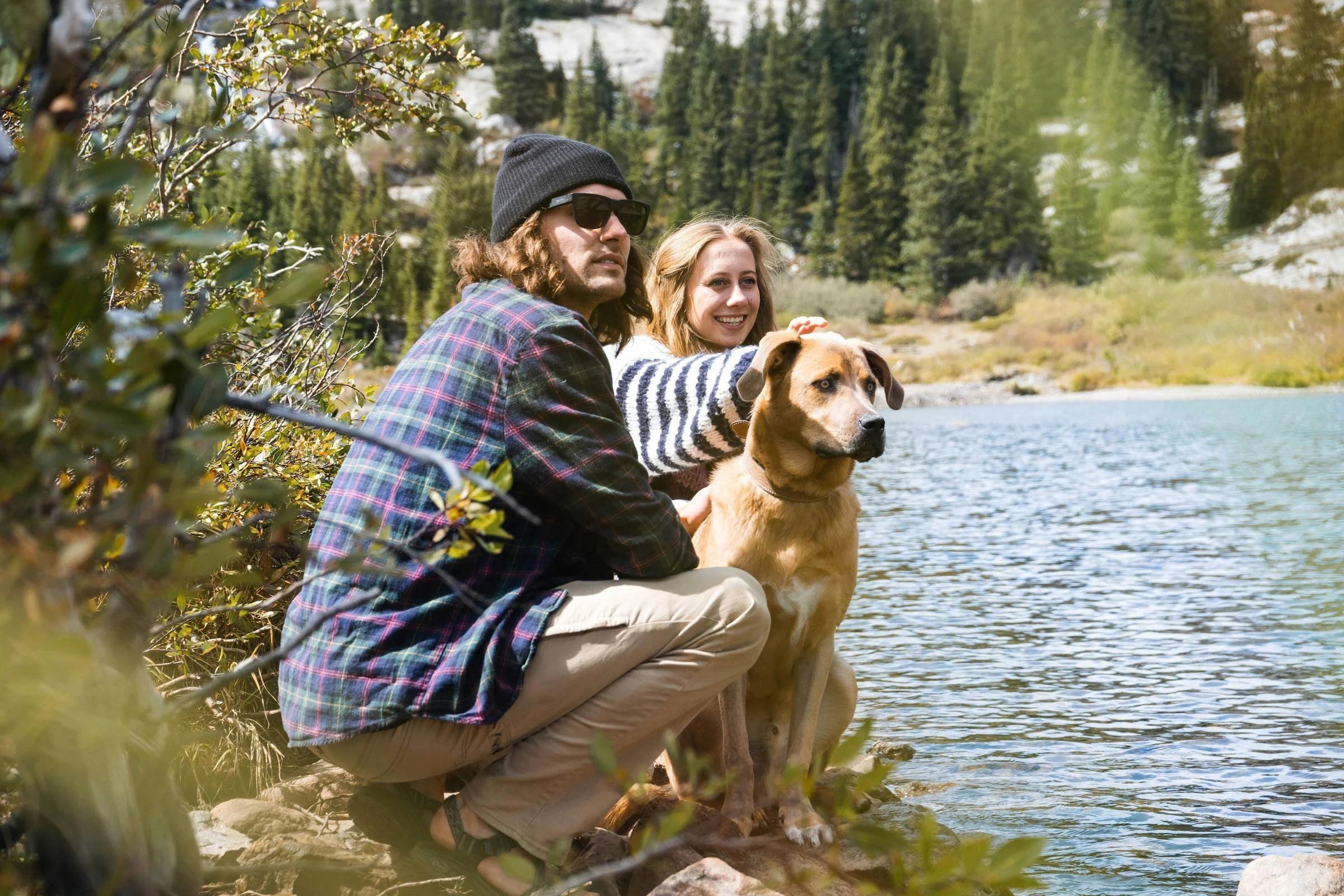
Hanging out with a friend who has a pet or even volunteering to walk dogs at a local shelter can benefit us just as much as it does them.
Making a difference, one day at a time
“I’ve seen dramatic differences in people’s emotional states after bringing a dog into their lives.”
Naturally, Dr. Estevez focuses on what approaches to mental health she can use with her patients, and which ones have the most profound effects.
Over time, she’s seen how dogs can make a huge difference in people’s lives, especially those who struggle with mental health.
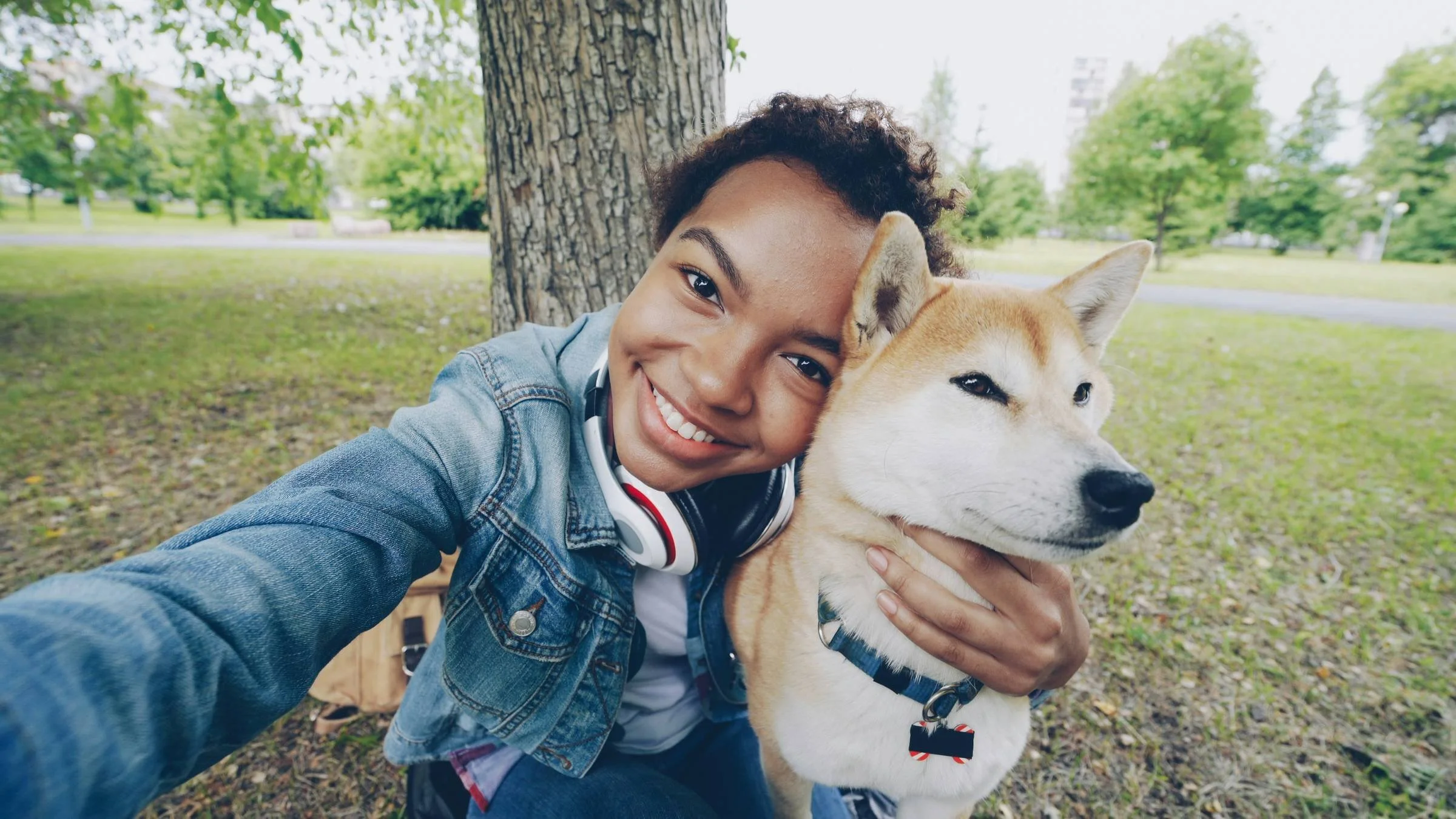
”One person who had been struggling with depression described feeling “stuck” in cycles of sleeping late and avoiding social contact but after adopting a rescue dog, they were forced to wake up early and care for the animal which created a new rhythm to their day. After some time, their mood brightened, and their energy increased. Another example is someone with severe anxiety said their dog acted almost like a “therapy partner,” and would sit close during panic attacks which helped them calm down more quickly.”
Caring for those who care for us
Just by existing in our lives, our dogs bring so much good and positivity. They give us purpose, fulfillment, and never-ending joy.
And because they rely on us to stay safe, it’s up to us to ensure they can always count on us.
But if something were to happen… What would happen to your dog?

Would they end up with someone who knew how to care for them in exactly the same way you were dedicated to doing?
Putting a Cotl plan in place ensures your pet is taken care of, just the way they’re used to, no matter what happens to you.
Discover how the process works or book a call directly with Sean, our founder and CEO, to see what a plan could look like for you.
