
🤷 Is playtime just for fun? Or is it necessary?
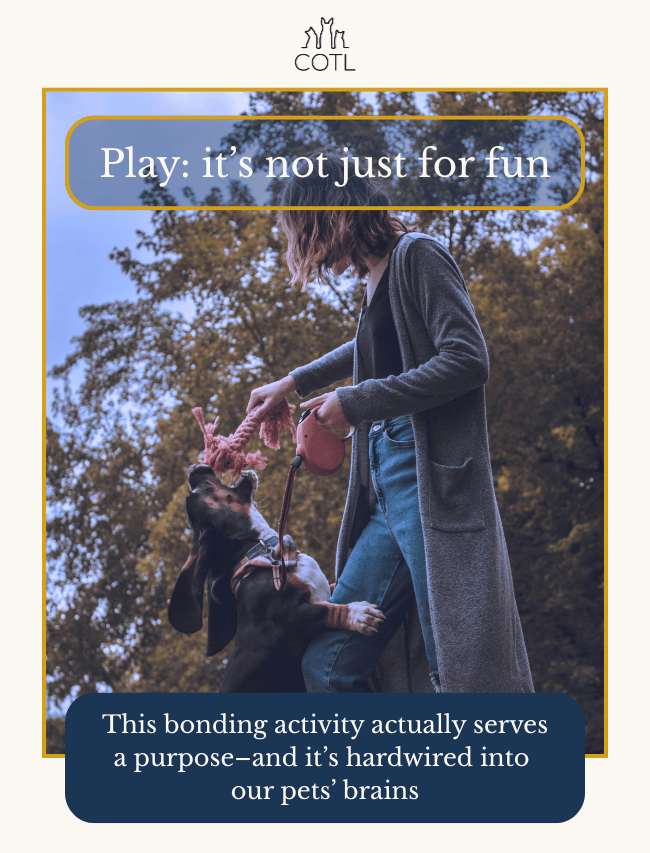
When we hear the word “play,” we often associate it with doing something fun.
But when it comes to our pets, especially domesticated companions like dogs and cats, play isn’t just about entertainment.
It’s how they prepared to survive in the world–at least, for their wild ancestors, it was.
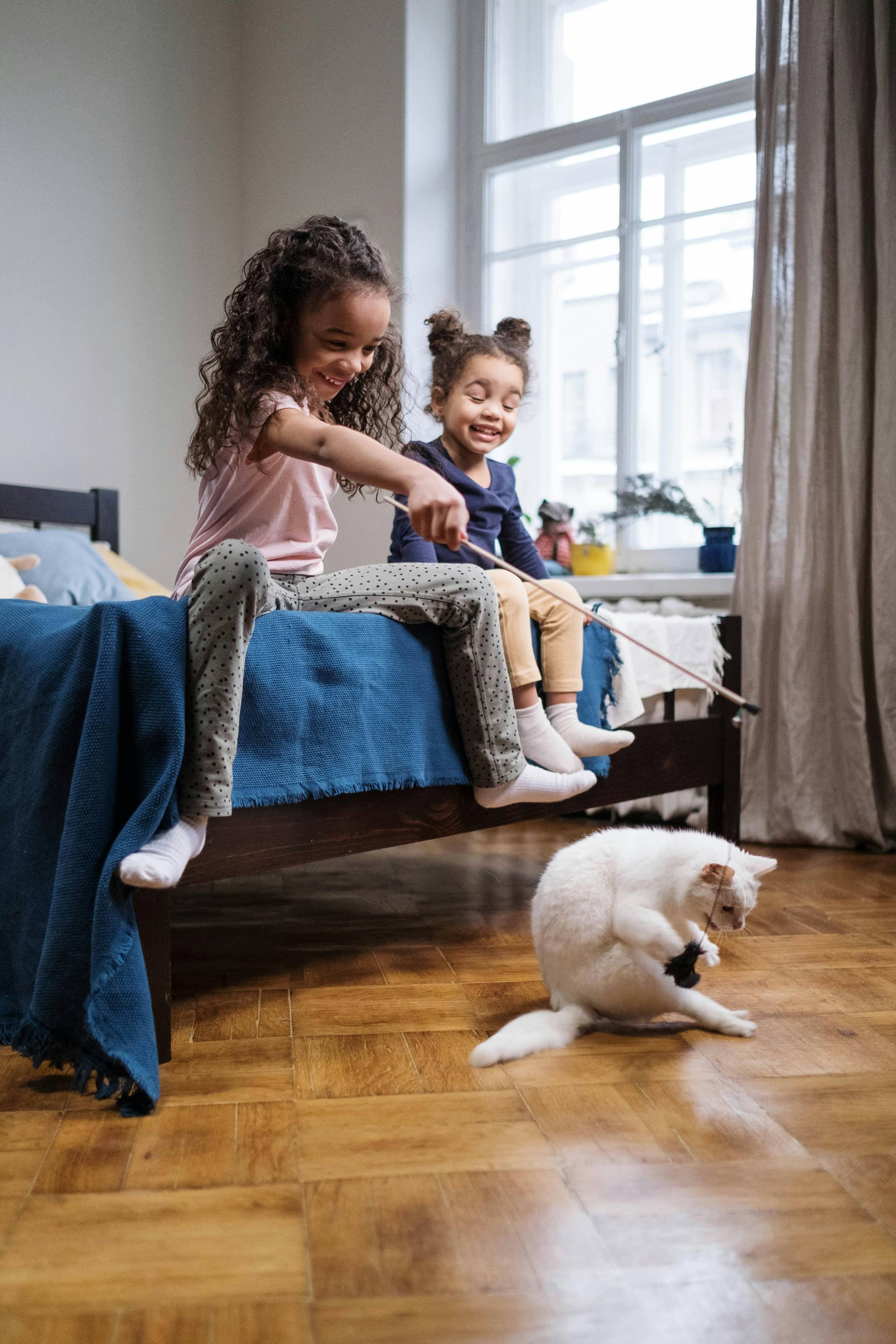
But this need for play is wired into their instincts. Like daily meals or regular vet care, it’s a necessity for a long, healthy life!
The real reason for play
In the wild, young animals don’t get instruction manuals. And they don’t have humans taking care of basic tasks for them.
They learn by doing, and play is how they rehearse life skills before they’re required to put them to the test in real-life scenarios.
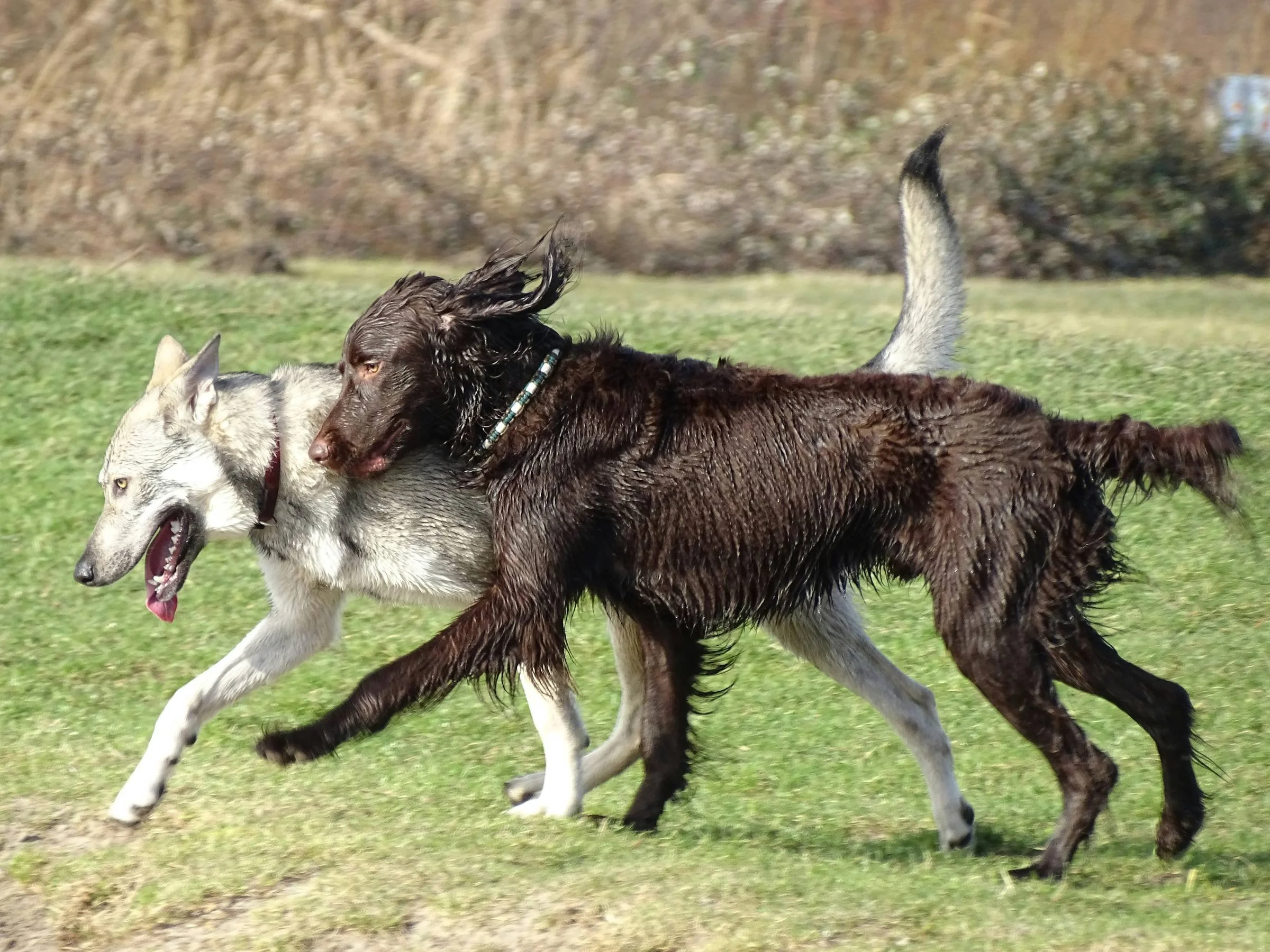
If you can’t catch your food in the wild, no one will be there to feed you, after all!
Some of the behaviors we see at home are actually our pets’ ways of practicing skills they’d need if they weren’t in our homes.
Chasing → hunting
Wrestling → social boundaries and strength
Stalking → timing and patience
Play also provides much-needed stimulation so they can regulate stress, burn off adrenaline, rid frustration, and keep from being bored.
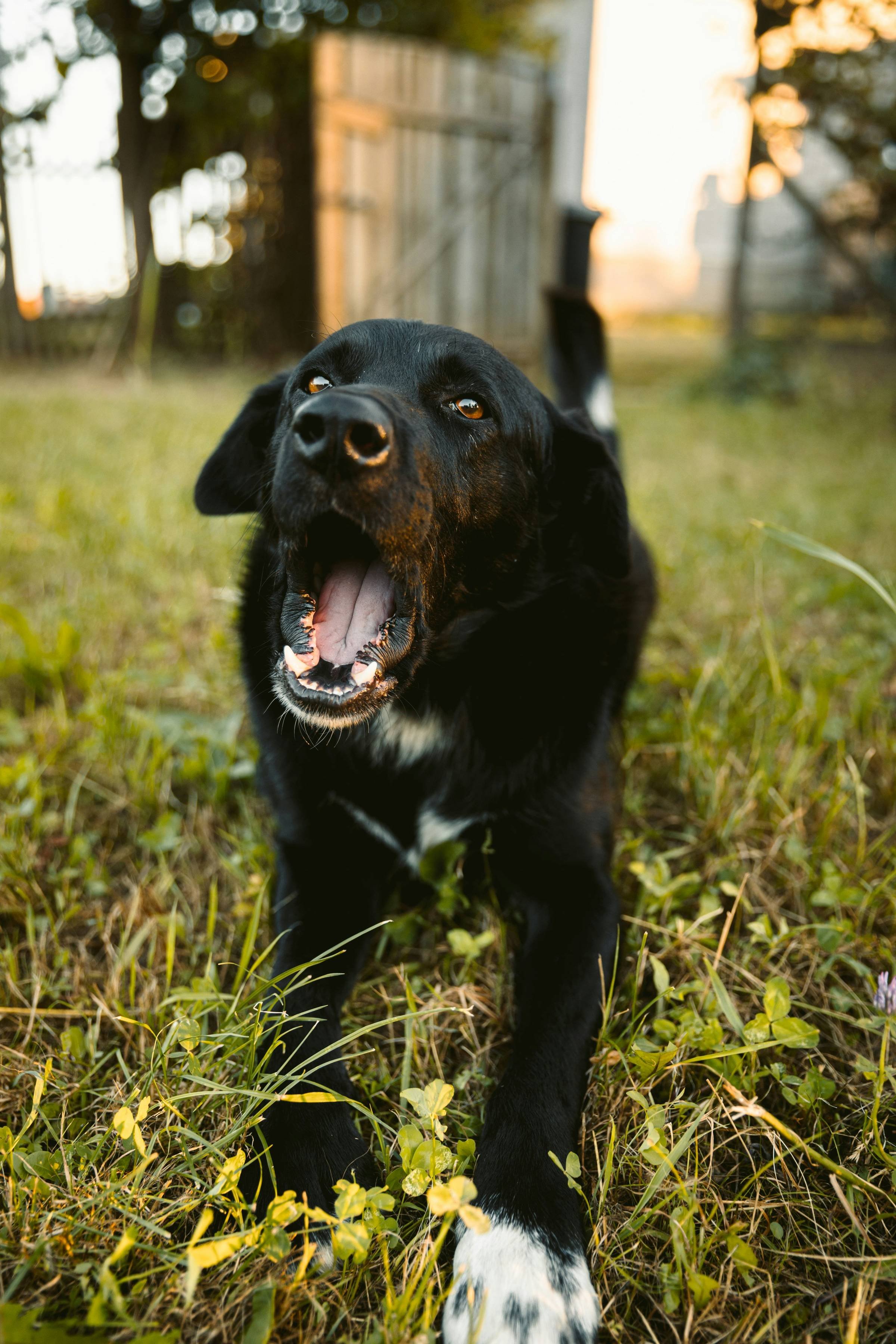
A dog who doesn’t get to play doesn’t just get bored. They get under-stimulated, frustrated, and wired with nowhere for that energy to go.
And when we domesticated these animals, we didn’t remove these instincts. We just removed the environment that used to satisfy them automatically.
What they’re missing out on by being home
We have the best intentions with our pets, no one is denying that! They love us unconditionally and we’d do anything to make sure they’re happy and safe.
With an endless amount of toys and products meant to provide them with the best, we might be missing the mark with some of the most basic needs.
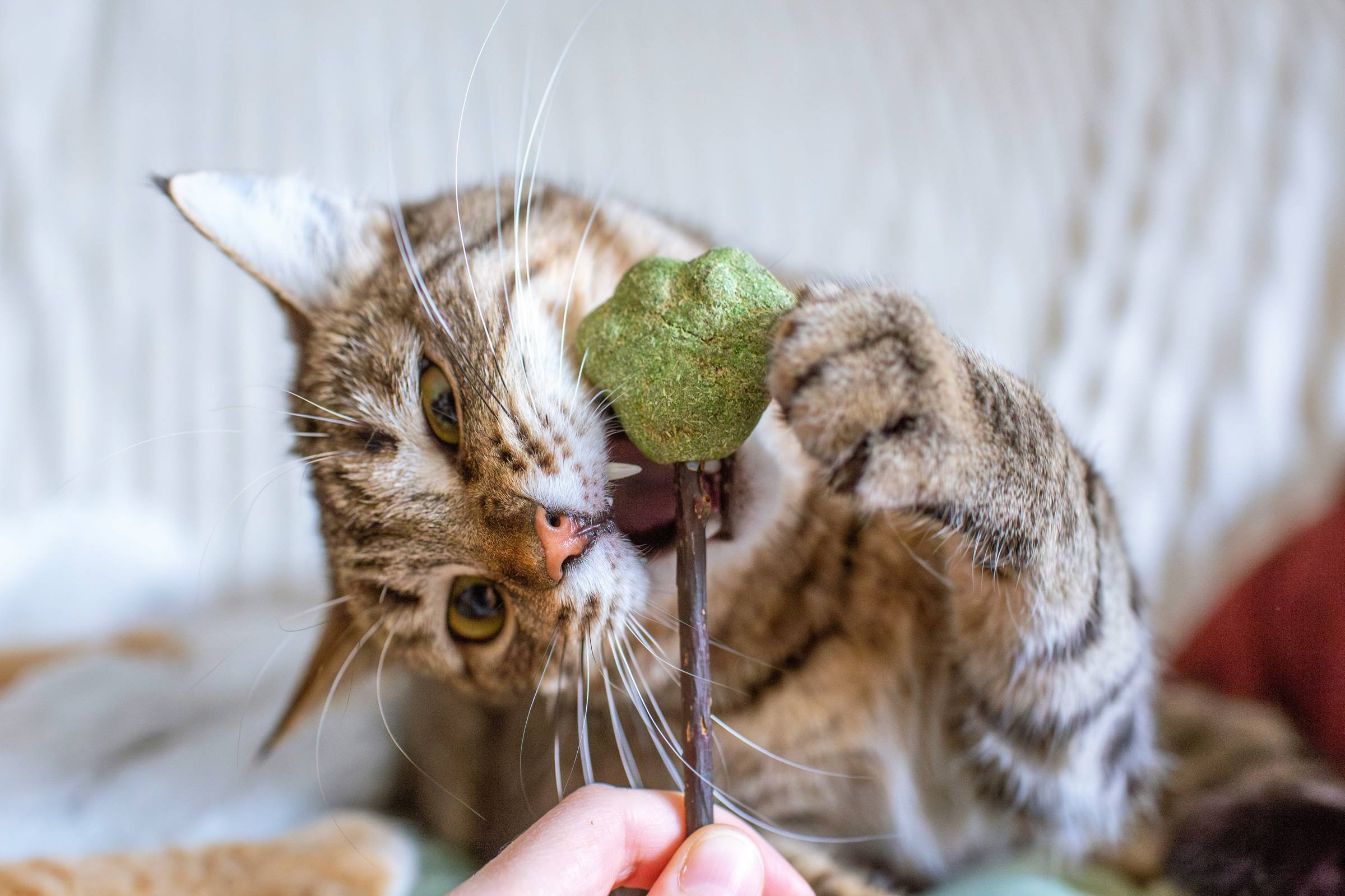
Think about this:
Dogs used to spend a large part of their day solving problems–tracking, herding, guarding, scavenging. Modern dogs often get food delivered to a bowl twice a day and are expected to relax for the remaining 22 hours.
An indoor cat might eat without stalking, nap without hunting, and live in the same rooms every day. Play is the only place where that ancient hunting sequence gets to exist at all.
When we consciously include play as part of their day, every day, we can give them opportunities to explore their instincts in meaningful ways.
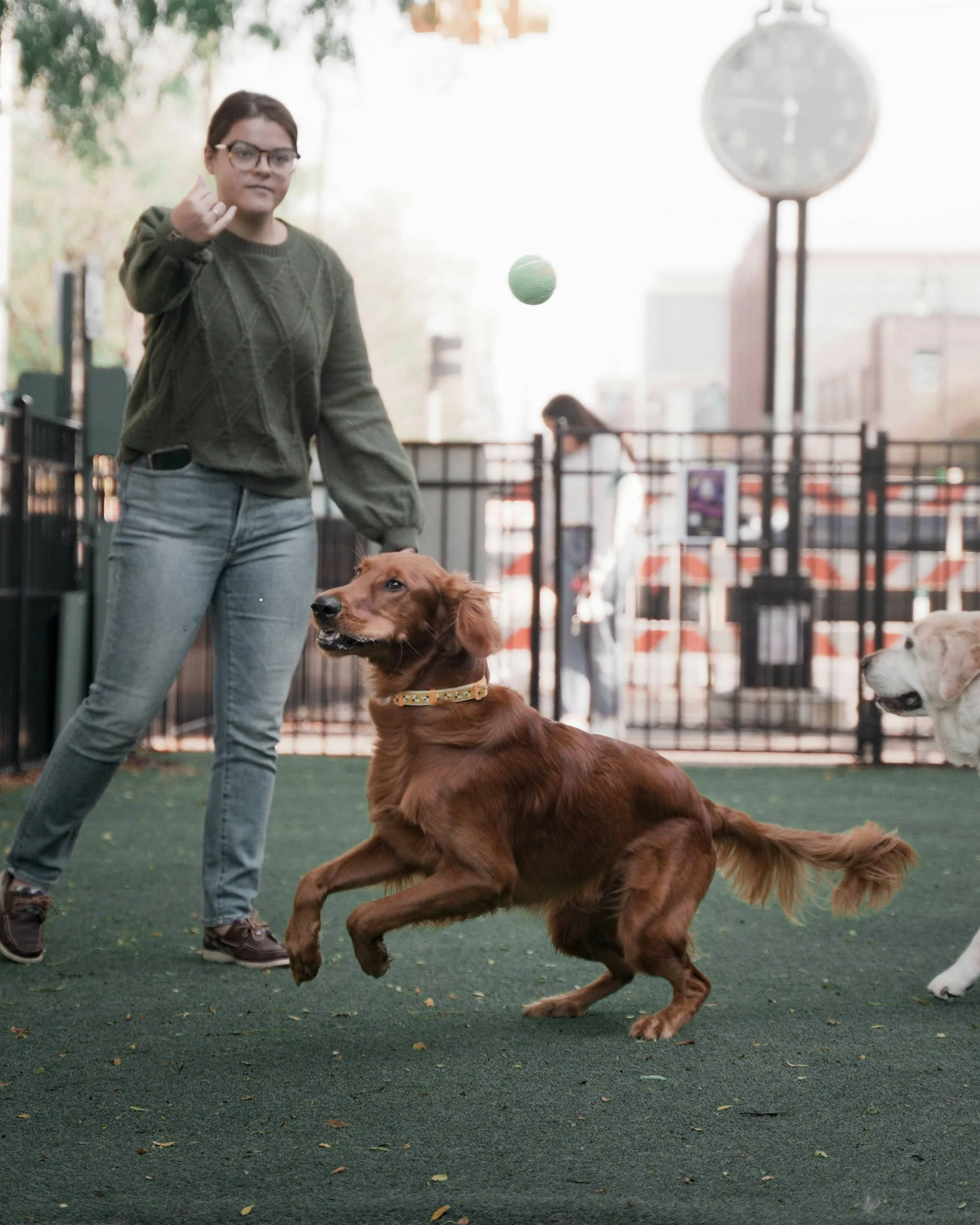
For dogs, play helps stimulate:
Hunting / chasing prey
Long-distance movement and exploration
Social negotiation with other dogs
Problem-solving for food
And for cats:
Daily hunting cycles (stalk → chase → pounce → kill)
Mental stimulation from environmental change
Control over their environment
So what’s the best way to play, anyway?
This is the fun part. Play can look different from pet to pet, and can even change as your pet gets older.
Instead of looking for an approach that’s guaranteed to work, no matter what, this is an opportunity for us to explore play with our pet.
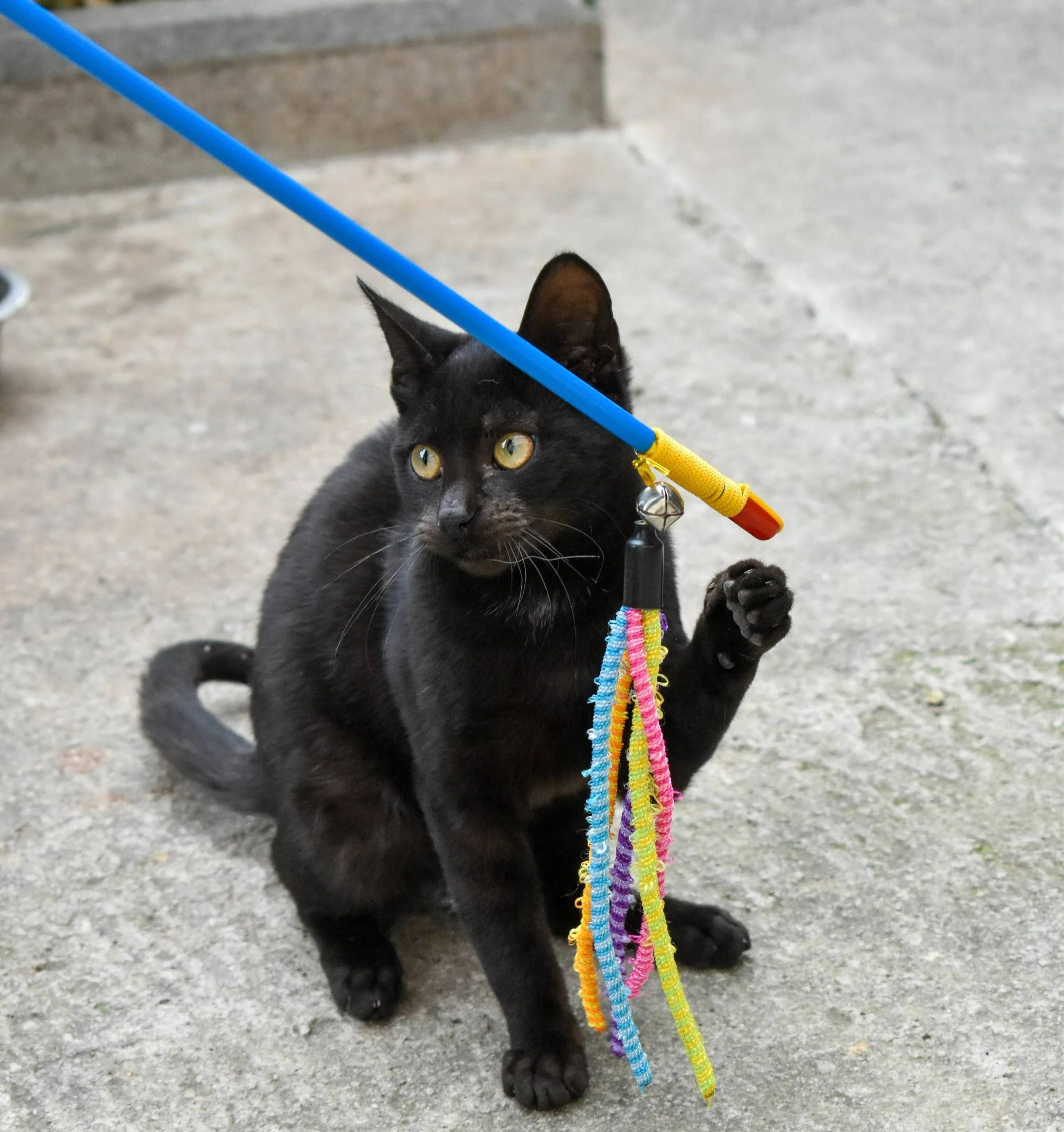
Play sessions don’t have to be long to be effective, but they should be meaningful based on what our pet needs.
Depending on the dog, a five-minute sniffing game can be more fulfilling than a 30-minute game of fetch.
Consider giving them new things to dig into, whether it’s a new scent, a different location, or an alternative flavor.
And if you’ve ever tried playing with a cat, you already know… They don’t want long play sessions. They want intentional ones.
Think short bursts of high-intensity activity. And give them a clear “win” at the end. (Yes, let them catch the feather!)
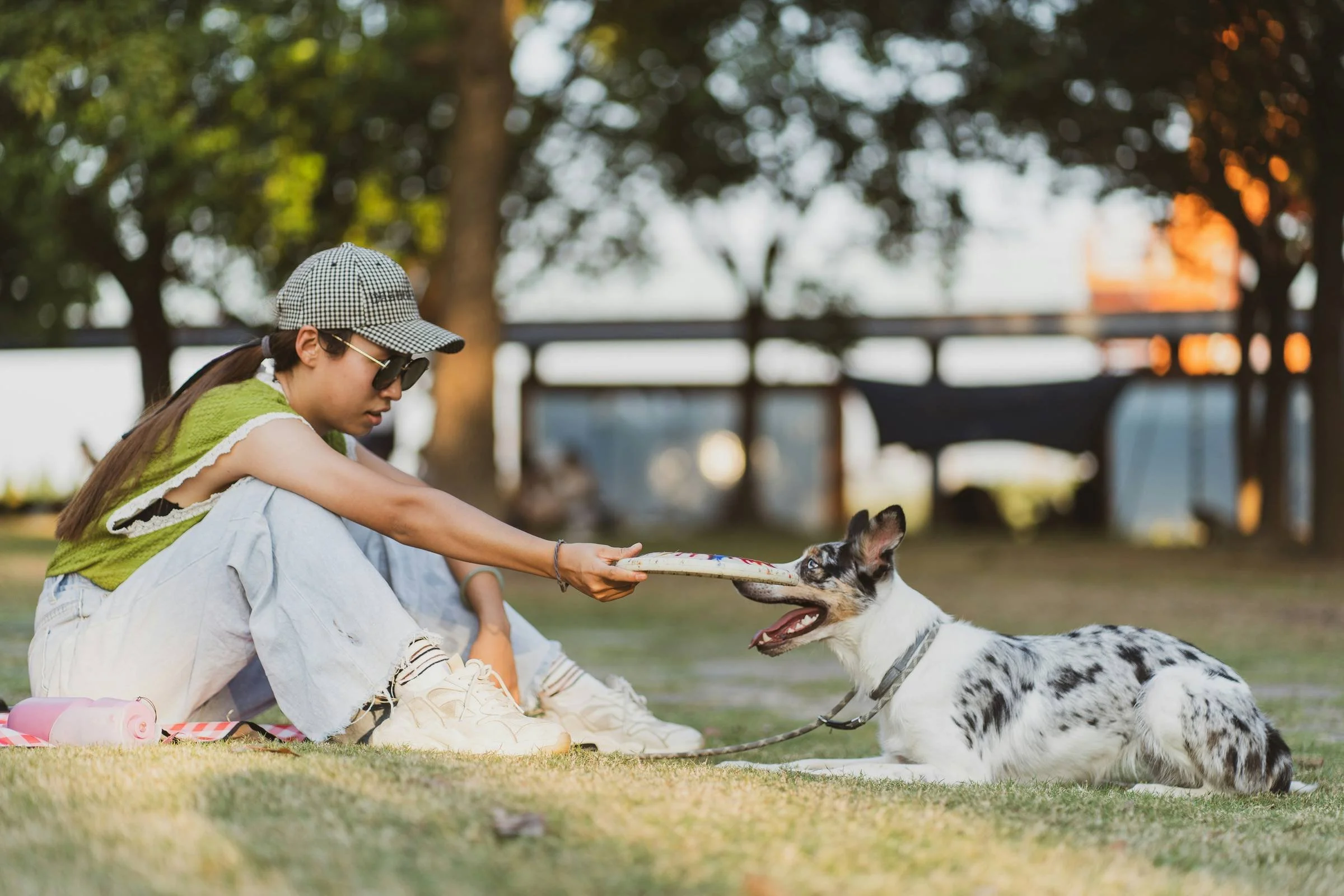
Here’s a quick list of things you can try:
Social play (dogs or humans)
Chase games
Tug
Sniff-based games and puzzles
Stalking toys (wand toys, lasers)
Batting and chasing objects
Puzzle feeders
Along with satisfying our pet’s instincts, incorporating play into the everyday routine does something else too.
We also get to work on building our bond. We get to build trust with our sweet pet and establish that we’re a safe space for them to unwind and let loose.
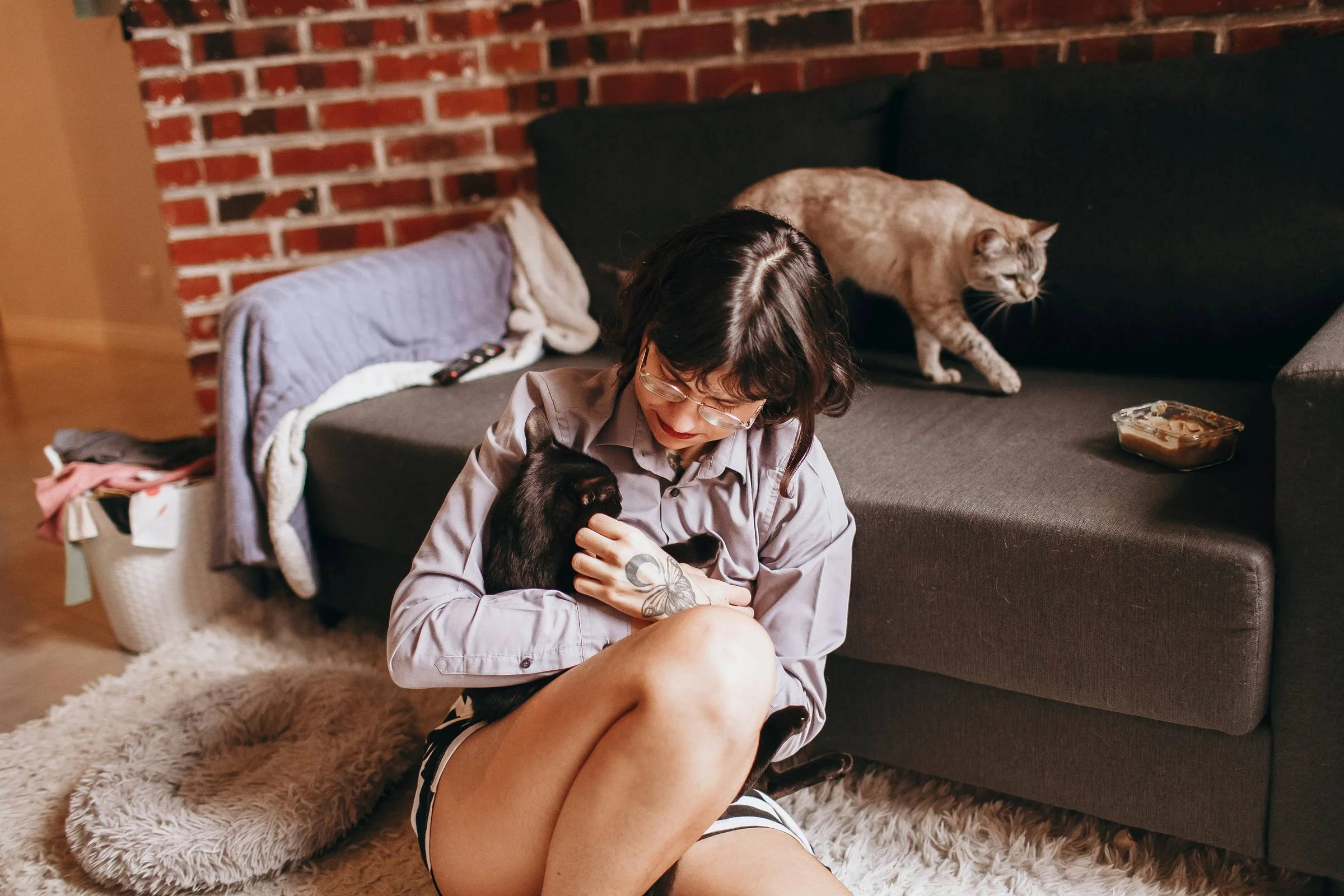
Was that enough for the day?
One of the best ways to know if you’ve spent enough time with your pet is by watching what they’re doing, or not doing. Do they sleep well?
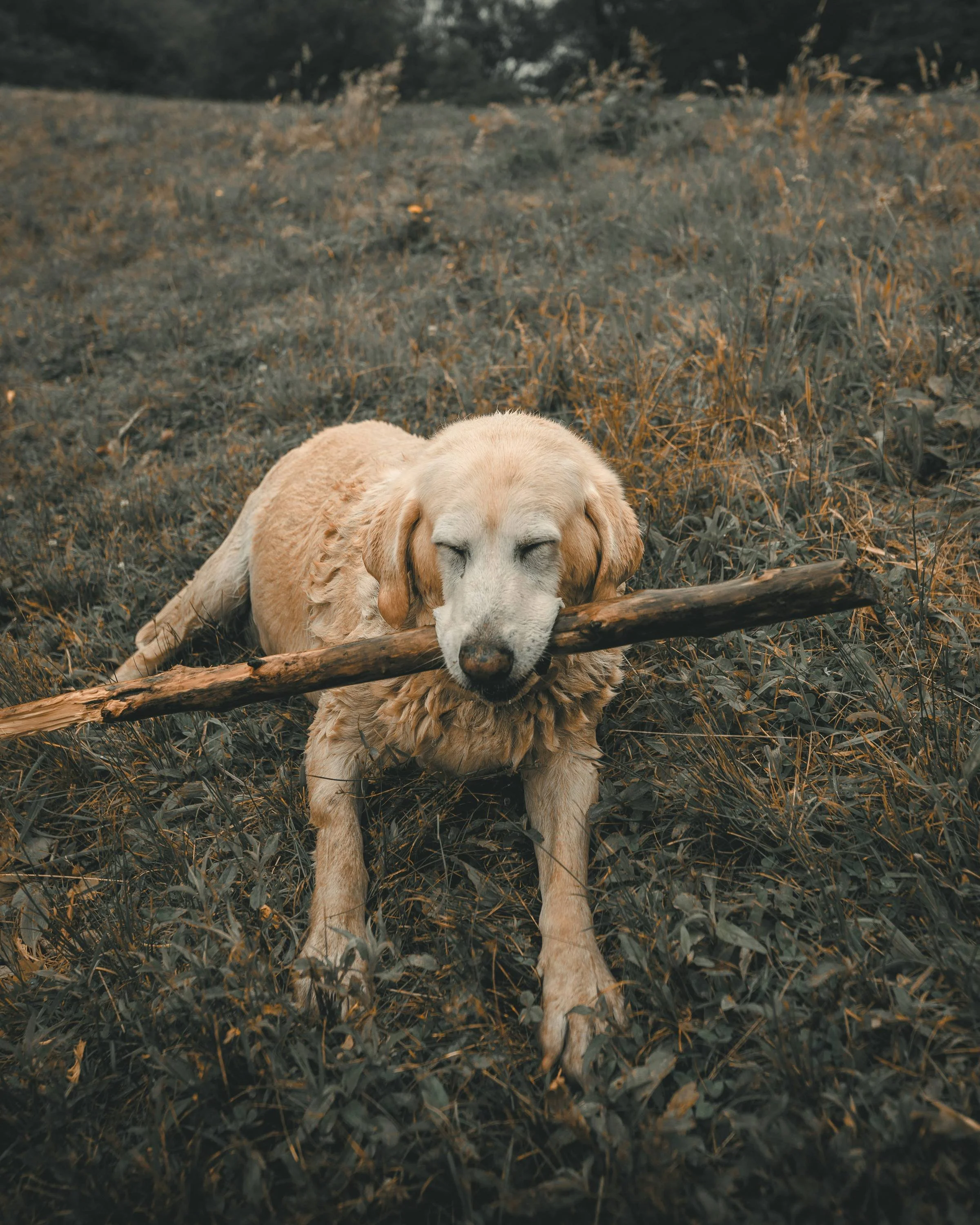
Do they seem relaxed at home? Is their energy level balanced (not hyper but also, not lethargic)? Do they sleep well? Are they showing positive behaviors?
Chances are, they’re feeling pretty satisfied with the mental stimulation they’re getting.
If they’re showing less desirable or even destructive behaviors, though, it might be a good sign that they need more opportunities for intentional play.
Here’s some of the more common signs:
Dogs:
Chewing, digging, and scratching
Over-excessive barking or whining
Attention-seeking behavior
Excessive licking, over-grooming
Cats:
Knocking objects down, chewing, or scratching furniture
Biting, hissing, or snapping (at humans OR pets)
Not using the litter box
Lack of energy
Remember, these behaviors aren’t inherently “bad.” They’re only undesirable for us as humans.
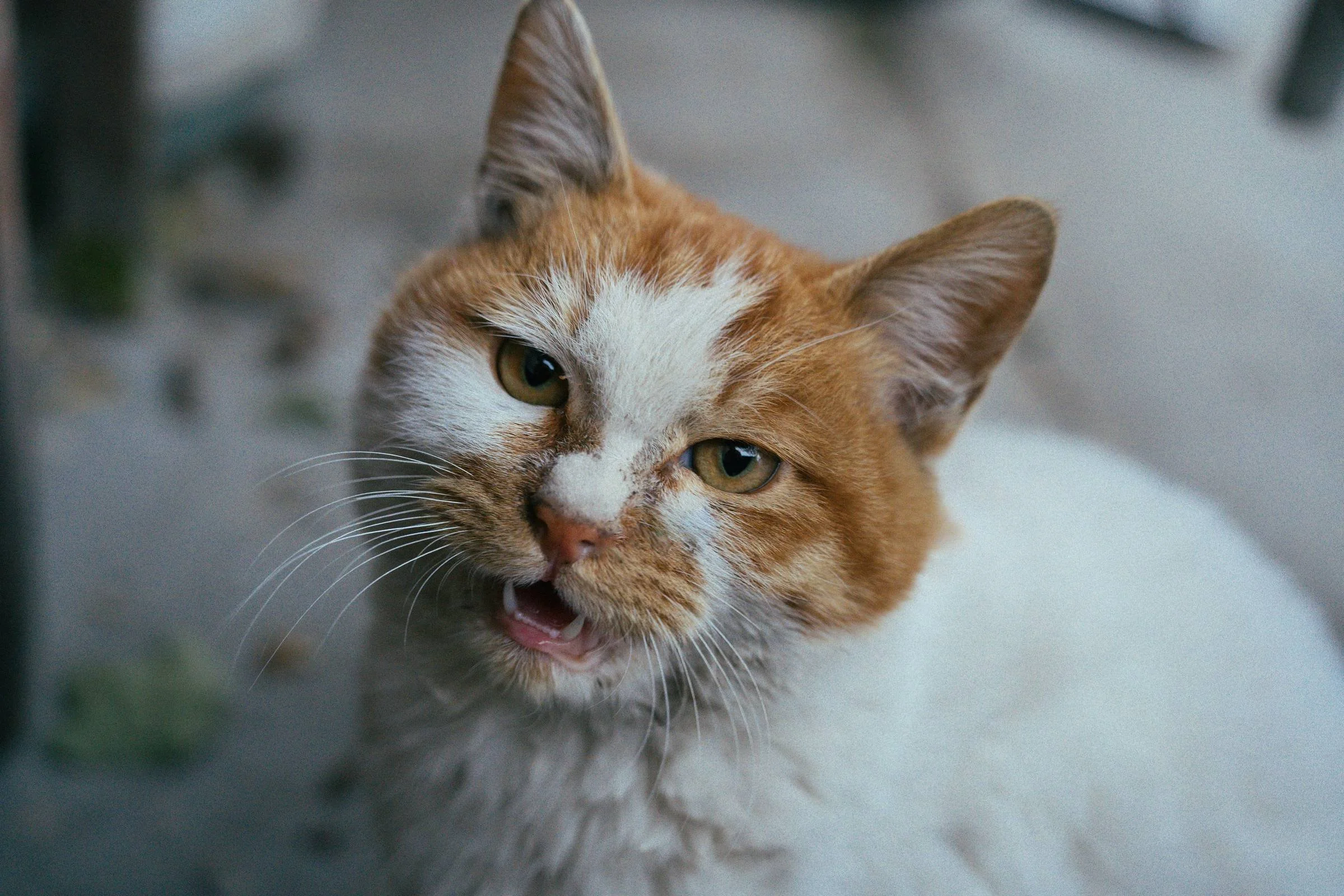
It’s our pet’s way of communicating with us that there are needs that aren’t being met.
And as amazing, crazy pet parents, we get to use this as an opportunity to give our pets exactly what they’re looking for.
Rethinking play as a necessity
For humans, play is seen as something extra. Something you do when you have time. (Though we could argue that play is absolutely necessary for us too!)
But for our pets, it’s part of their everyday life that they now rely on us to help them experience.
Play doesn’t need to be extensive, elaborate, or time-consuming to be effective.
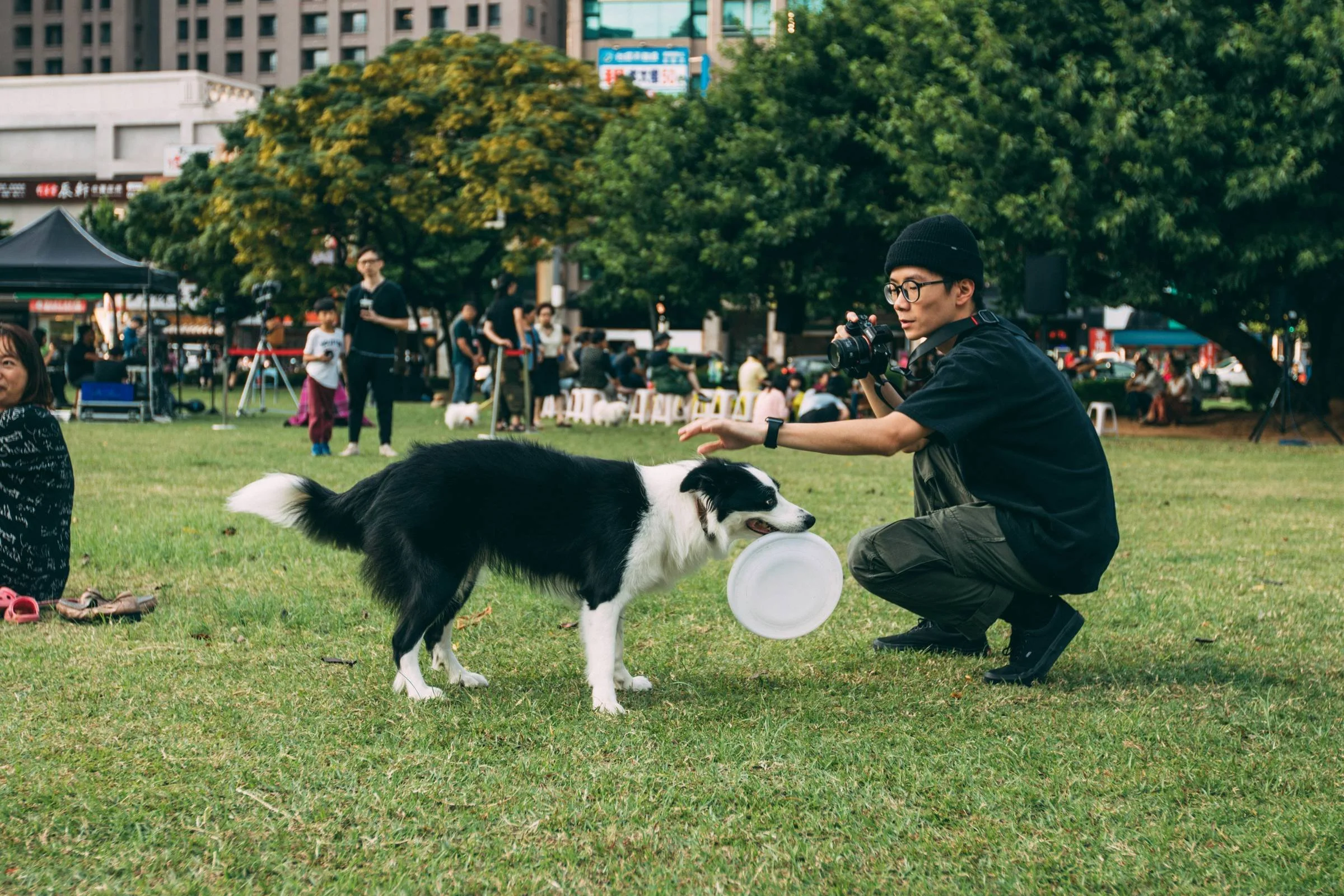
Think of it this way, when it comes to playing in different ways and observing how your pet reacts, ask yourself, “If my pet were wild, what would this behavior be preparing them for?”
🐾 Frequency beats duration
A few minutes every day beats one long session a week
🐾 Let instincts lead
The best play mimics what your pet is already wired to do
🐾 End on success
Especially for cats, finishing play with a “win” matters
Play is one of the moments in your pet’s life where they get to take control. They get to express who they are without our rules, expectations, or training cues.
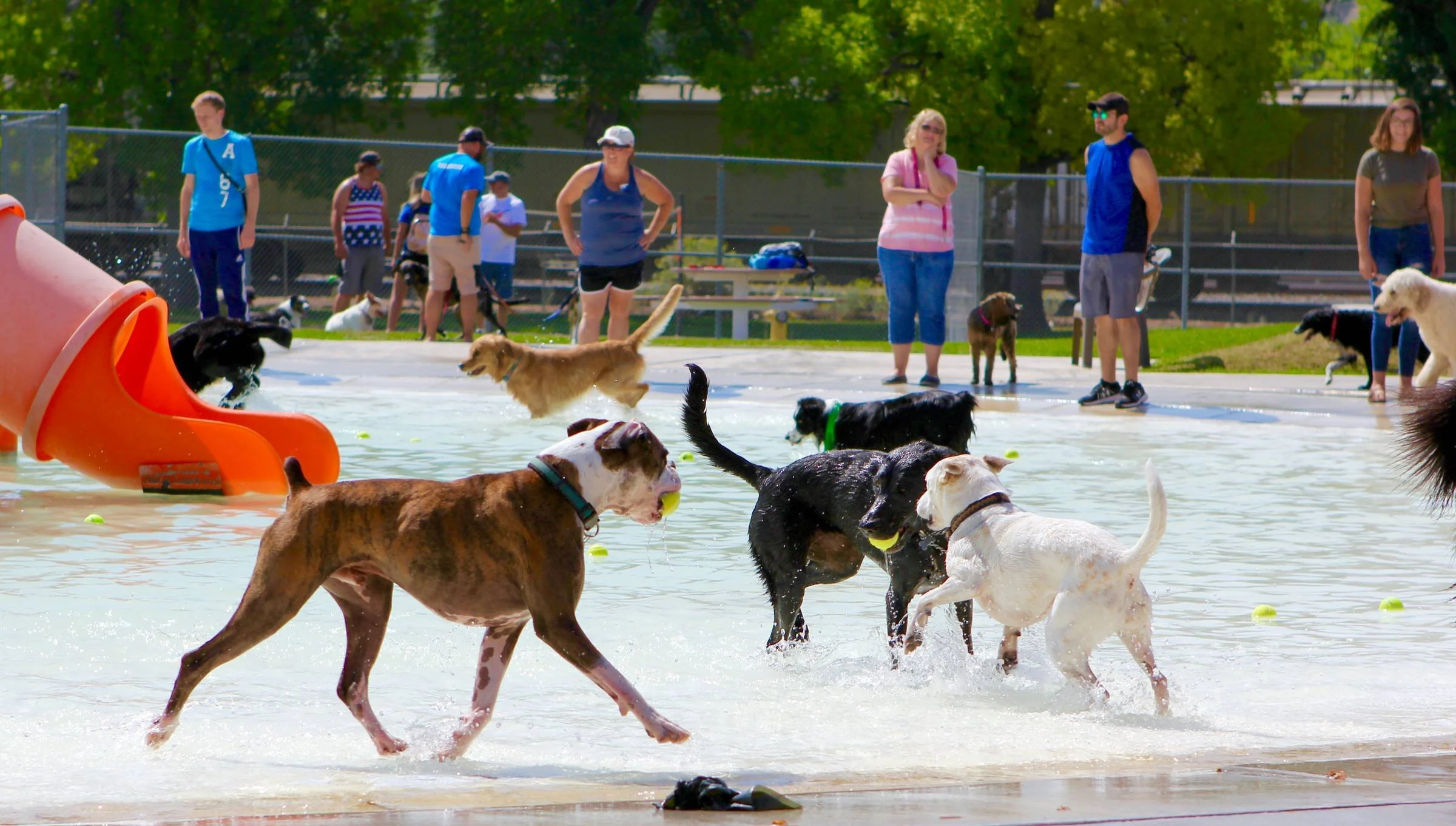
When you give your pet opportunities for intentional play, you’re not just keeping them busy or entertaining them… You’re honoring the instincts they were born with!
Keep their play going, no matter what
When’s the next time your pet will be in someone else’s care?
Maybe you’ve got a trip planned and a sitter will be taking over for a while.
Or maybe something unexpected happens and you end up unable to care for them anymore.
No matter how big or small, minor or severe, planned or unplanned… Things happen that require our pets to be cared for by someone else.
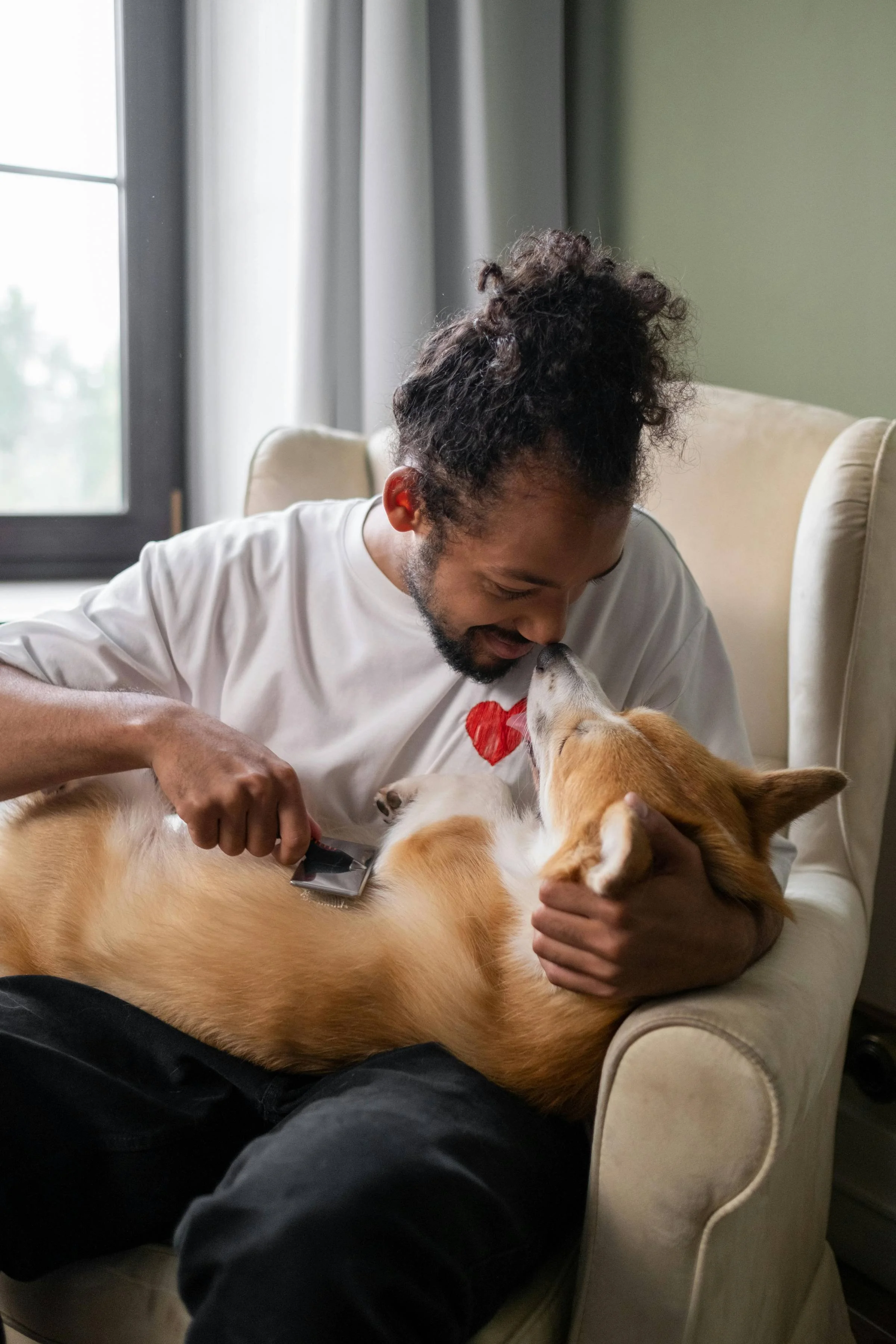
Putting a Cotl plan in place ensures your pet is taken care of, just the way they’re used to, no matter what happens to you.
Discover how the process works or book a call directly with Sean, our founder and CEO, to see what a plan could look like for you.
