
🧐 Do you really know what your dog is telling you?
As pet parents, it’s so easy to see our dogs and think things like:
“Oh! They’re so happy, they’re smiling!”
“Their tail is wagging, they must like you!”
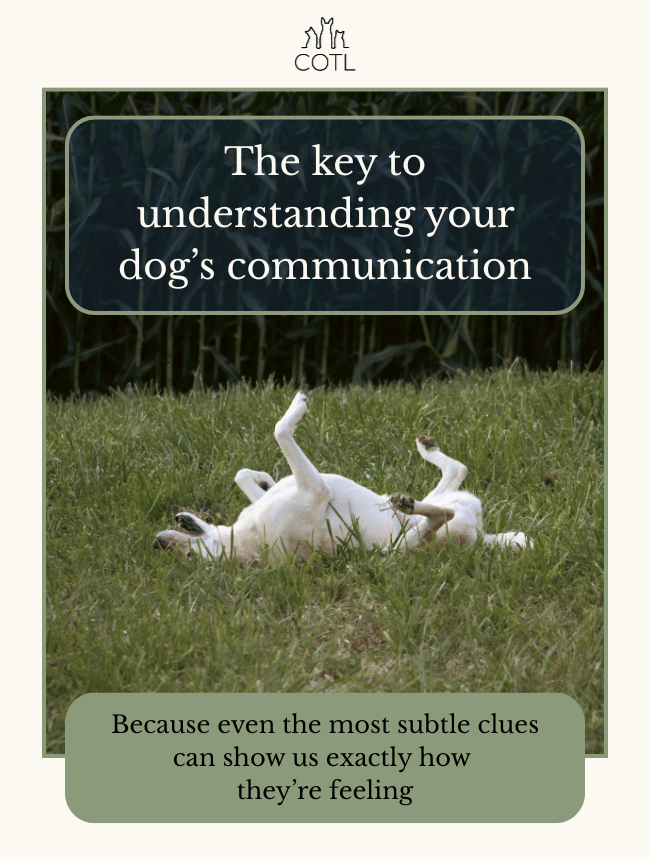
“They rolled onto their back, they want a belly rub!”
And while that might be the case sometimes…
These gentle body language cues from our dogs can mean something completely different depending on the situation.
When we understand dog communication however, the change in their body language becomes easier to notice and that helps us, as amazing pet parents, support them so they can feel safe and comfortable, no matter what.
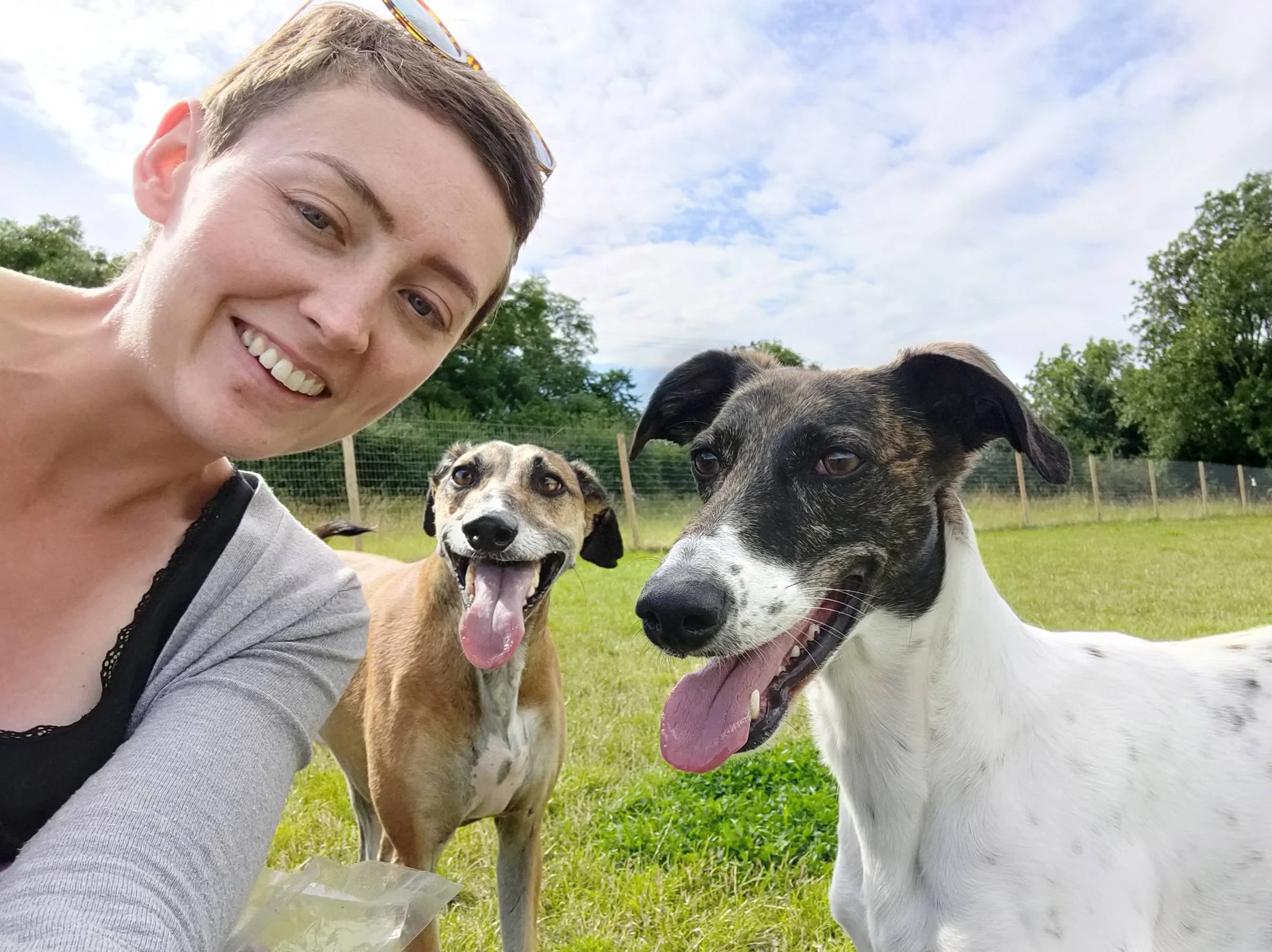
And when it comes to reading body language, Sian Lawley-Rudd–ethical dog trainer, trauma-informed coach, and owner of Lavender Garden Puppy & Dog Training–knows exactly what we should be looking for.
This approach makes communication a breeze
“Positive reinforcement training is the most up-to-date version of what we know works best, fundamentally, for the development of a healthy, happy dog. And ultimately, that’s what we want. We want them to live as full a life as possible.”
With so many approaches to training, it can be hard to determine what’s best for your dog. But for many trainers, positive reinforcement continues to be the most effective training out there.
Because the focus is on rewarding them for the behaviors we wish to see, it leaves little room for confusion. It helps them learn your expectations and what you’re wanting from them.
Training that includes punishment for undesired behaviors on the other hand, can oftentimes leave them walking on eggshells, confused as to what you truly want from them.
Sian saw that firsthand with her own dog, before she began her journey as a dog trainer.
“I was a dog mom being told what to do by a trainer over a decade ago. She was telling me to spray my dog in the face with water when she barks. Ultimately, our relationship was insecure as a result, because she didn't fully feel like she could be herself and be fully safe in her nervous system.”
Fortunately, Sian immediately sought out a new approach. And seeing the drastic change, she decided to help others in this way as well.
So for pet parents like us, who want to establish, and maintain, closer bonds and true connections with our pet, positive reinforcement is the way to go!
“When we show them what we want them to do, and support them and reward them for doing that, our connection’s going to be stronger and we’ll feel calmer as a result. We’ve shown them and guided them and they keep choosing to do it again.”
When the whole process revolves around positivity, it helps build trust and a sense of safety as well.
But with training, they’re learning how we communicate with them. It’s then our responsibility to learn what they’re telling us too.
So… How do dogs “talk?”
Just by co-existing with a dog, you’ll likely notice that body language and vocalizations are the main ways they’ll communicate, both with humans and with other animals.
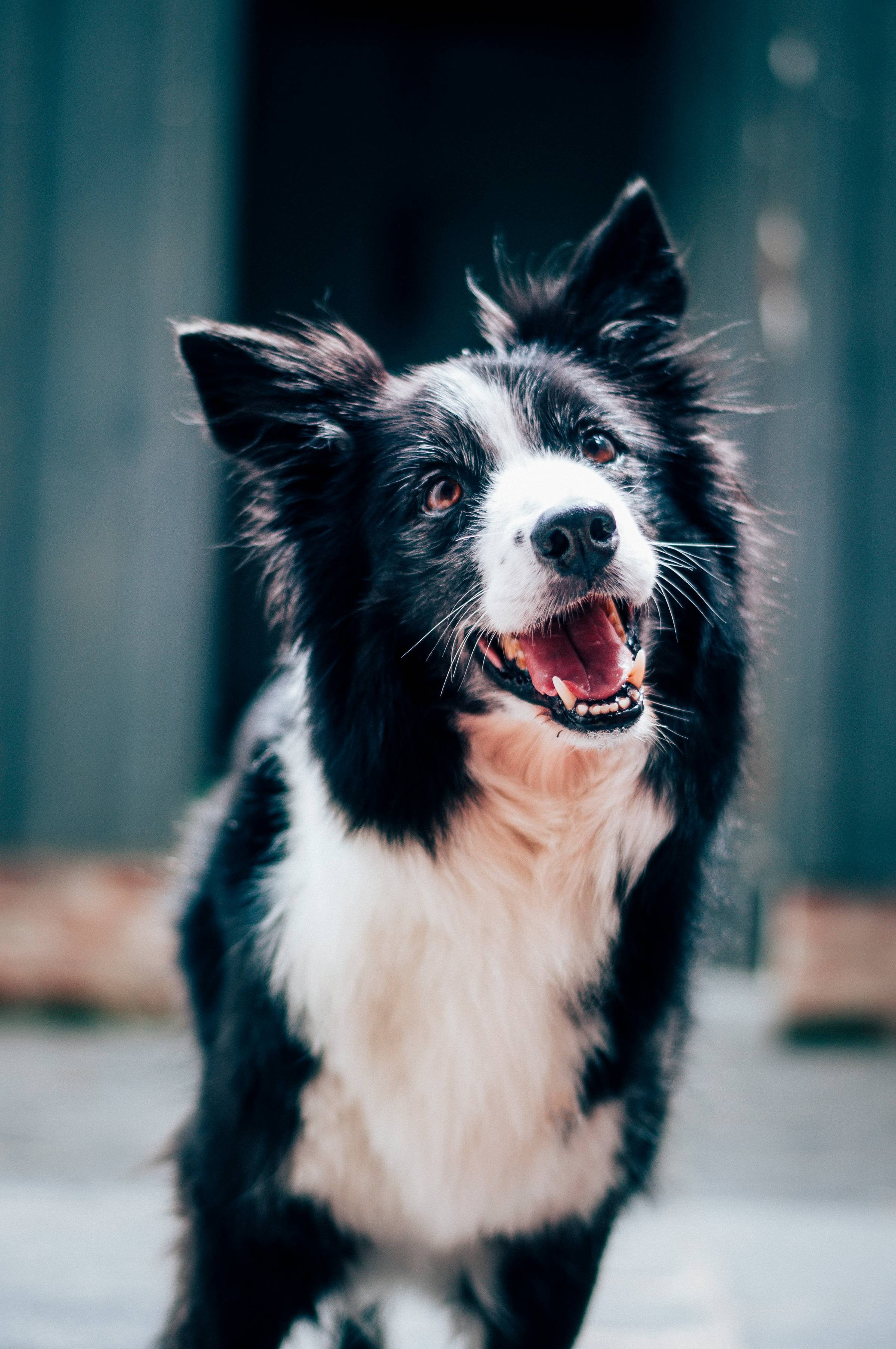
Wiggly, loose bodies; forward-facing ears; relaxed, wagging tails–These are pretty clear indications of a dog that feels comfortable.
Raised hackles; tense, tight bodies; tucked tails; snarling teeth–These are pretty obvious signs that a dog is in distress.
But, there’s a whole array of signs dogs use to communicate that may be more subtle, or mean different things based on the context.
(This video from Fear Free Homes does a great job showing us the key communication signs.)
Beyond physical signs, a dog can also use vocalizations to share how they’re feeling. And like a child’s cry, you’ll start to learn the difference in what your dog’s barks, growls, whimpers, and other sounds mean.
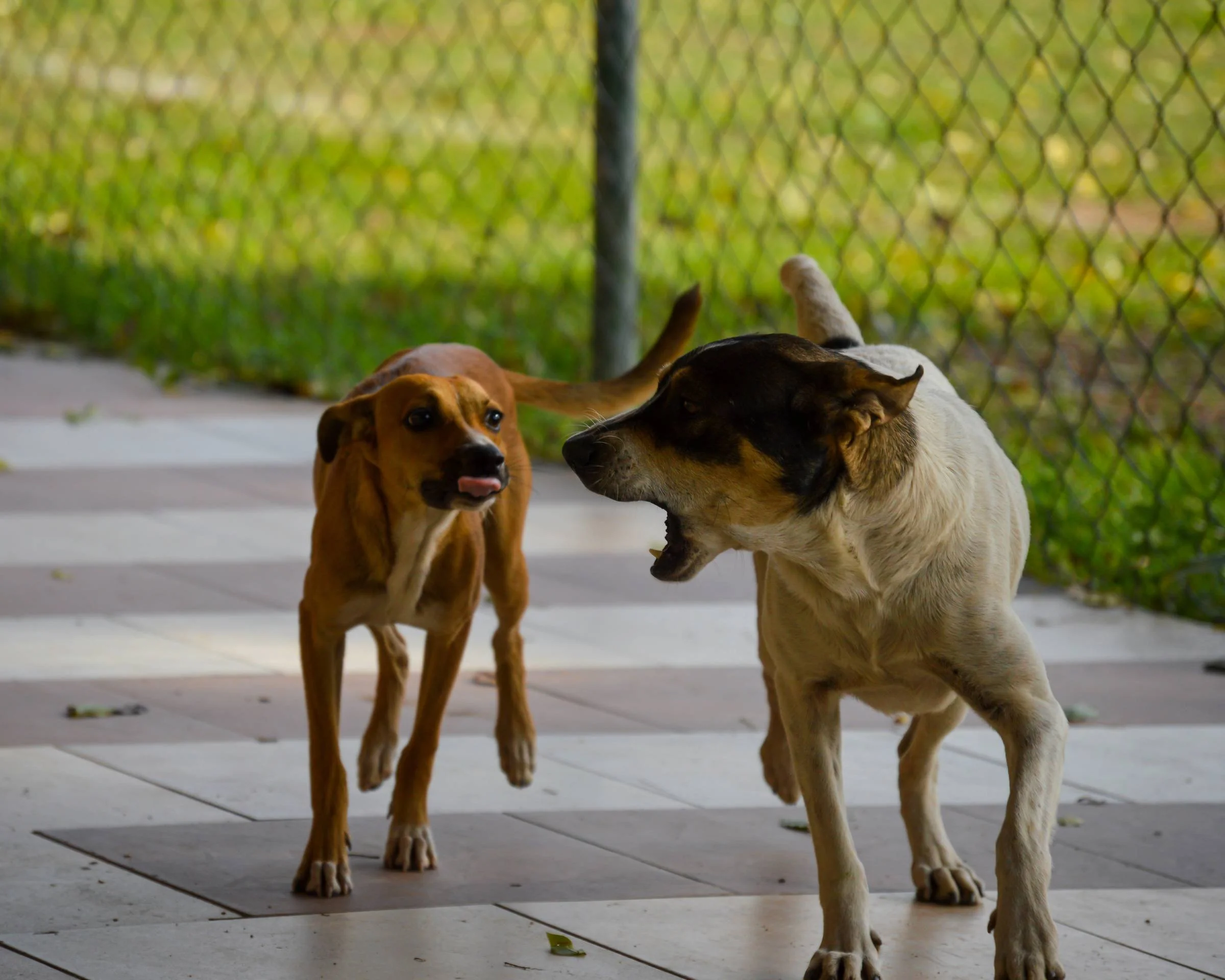
“Dogs will bark in different ways for different things. They can communicate when they feel threatened through vocalizing. They can vocalize frustration, excitement, distress, anxiety… It’s the pitch and tone that changes. But it can often be misinterpreted too. Barking is labeled as aggressive but there’s usually something else going on they’re trying to tell us.”
When a dog is feeling uncomfortable, its instinct isn’t to lash out and attack. That’s learned behavior.
There’s typically an order or signs they’ll give before resorting to “aggression.” It’s just up to us to receive what they’re saying.
Understanding the order of communication
“They might growl as a warning sign to say, ‘I am about to bite, this is the last resort now. I've done everything, and biting is the only thing left.’ People want to correct a growl, and I always say, don't. Instead, understand why they are growling in the first place. If you correct a growl, and your dog learns to stop growling because you've corrected it enough times, they will just bite.”
When it comes to understanding the signs our dogs give us, there’s a sort of “ladder of aggression” they’ll progress through. (But. some food for thought… is it truly aggression if they gave signs that were ignored?)

The more subtle ways to communicate fear, discomfort, or stress include things like yawns or lip licking.
“They're at the low level and if we recognize it, we can understand, ‘Okay, what's happening with them?’ Then, we start to go a little bit higher up, where it’s a little bit more obvious where they're, like turning their heads away.”
Turning their head, and then, their whole body, is them literally trying to get away from what’s making them uncomfortable.
They might also lower their body or move a bit slower. We might start to see the ears pin back here and the tail tucked too.
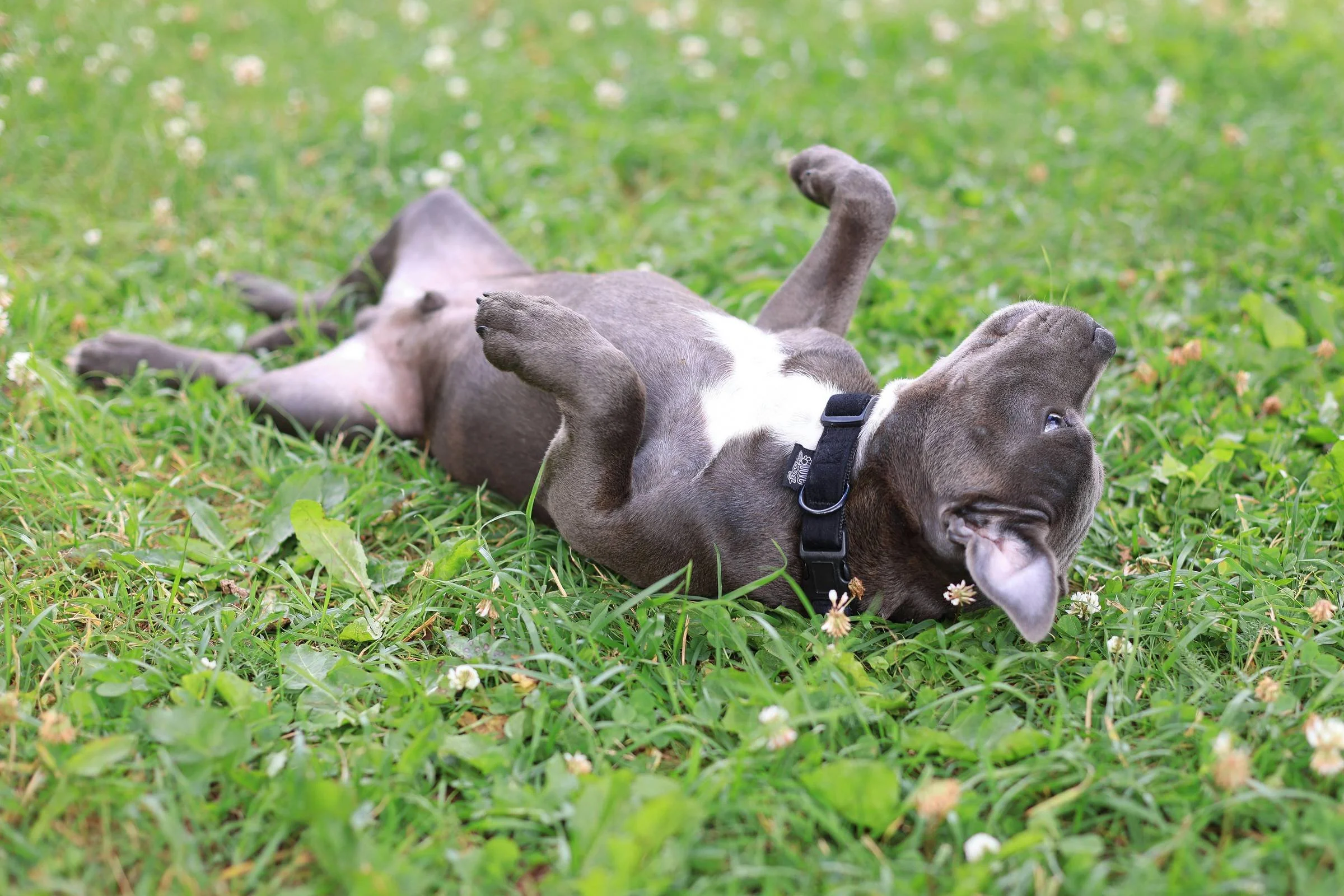
When there’s a lot of fear involved, they might roll on their back as well.
Taking a pause here… There’s a lot of signs listed where we as humans might easily mistake what they’re trying to tell us.
A quick glance at a dog rolling onto their back might feel like an invitation to rub their belly. But have they shown signs they’re actually uncomfortable or scared?
This is where the "aggression" comes into play–When they’ve tried all other modes of communication but nothing seems to be working.
Here, we’ll start to see the body stiffen, and the dog might stare. They’ll try growling, then snapping.
If all fails, their last resort is to bite.
Understanding the more subtle ways dogs communicate can help us ensure they never feel so unsafe, scared, or uncomfortable that they escalate to more severe ways of communication.
And making sure we know what they’re trying to tell us is key in helping them feel safe.
Misunderstandings are what lead to conflicts
When we don’t have a true grasp of what our dog is trying to tell us, it can lead to some undesirable outcomes and stressful situations–not just for us as humans but for the dog too.
And then when a dog “snaps out of nowhere,” we can look back and see they were trying to communicate all along.
Here, we’ll start to see the body stiffen, and the dog might stare. They’ll try growling, then snapping.
If all fails, their last resort is to bite.
Understanding the more subtle ways dogs communicate can help us ensure they never feel so unsafe, scared, or uncomfortable that they escalate to more severe ways of communication.
And making sure we know what they’re trying to tell us is key in helping them feel safe.
Misunderstandings are what lead to conflicts
When we don’t have a true grasp of what our dog is trying to tell us, it can lead to some undesirable outcomes and stressful situations–not just for us as humans but for the dog too.
And then when a dog “snaps out of nowhere,” we can look back and see they were trying to communicate all along.

Here, we’ll start to see the body stiffen, and the dog might stare. They’ll try growling, then snapping.
If all fails, their last resort is to bite.
Understanding the more subtle ways dogs communicate can help us ensure they never feel so unsafe, scared, or uncomfortable that they escalate to more severe ways of communication.
And making sure we know what they’re trying to tell us is key in helping them feel safe.
Misunderstandings are what lead to conflicts
When we don’t have a true grasp of what our dog is trying to tell us, it can lead to some undesirable outcomes and stressful situations–not just for us as humans but for the dog too.
And then when a dog “snaps out of nowhere,” we can look back and see they were trying to communicate all along.
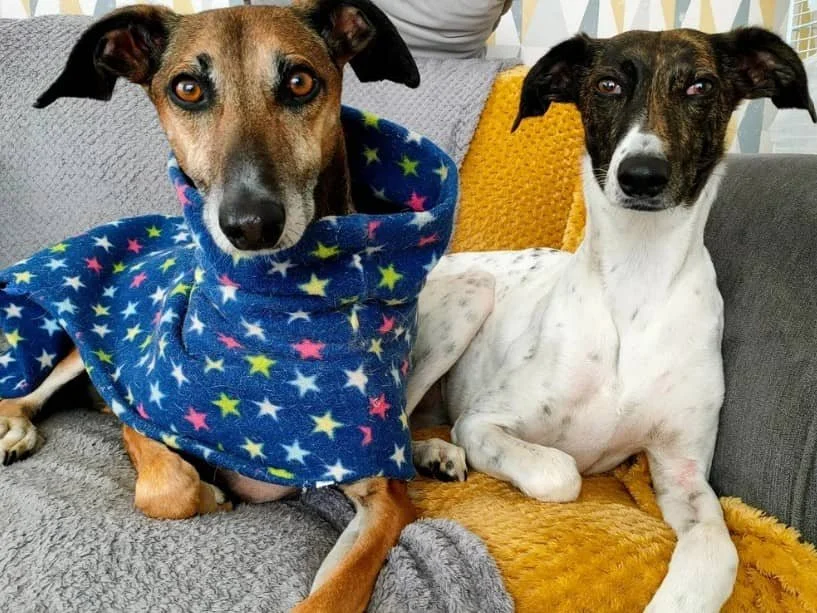
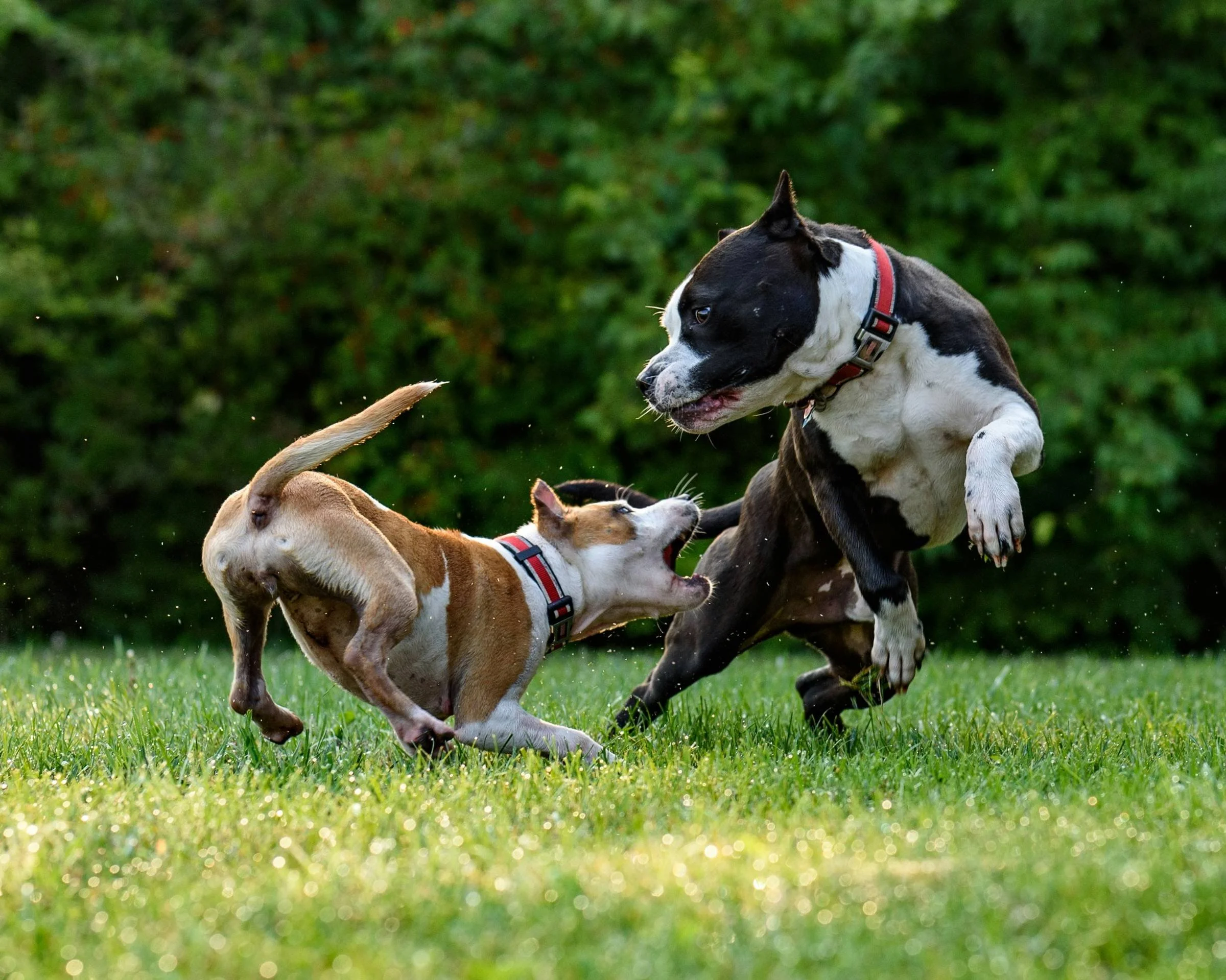
It could be with a child who pulls and drags on a dog’s fur. The dog doesn’t like it but no one is helping take the discomfort away.
It could be the adults who come home from work and smother the dog with love and affection, but they’ve been sleeping on the couch and need time to wake up and feel social.
How long until the dog has to communicate in a bigger way as a last resort?
Understanding your dog is key
“It's such a big topic, communication and body language and signals… But once the dog starts to understand that you are understanding them, they won't feel the need to keep escalating. They will give you those more subtle signals and if you read that, they go, ‘Great, I don't need to escalate this.’”
While dogs as a species will give off key signs of communication, they’re also individuals. And every dog might display behavior a little differently.
That’s why Sian stresses that it’s important we get to know our dog’s baseline behaviors.
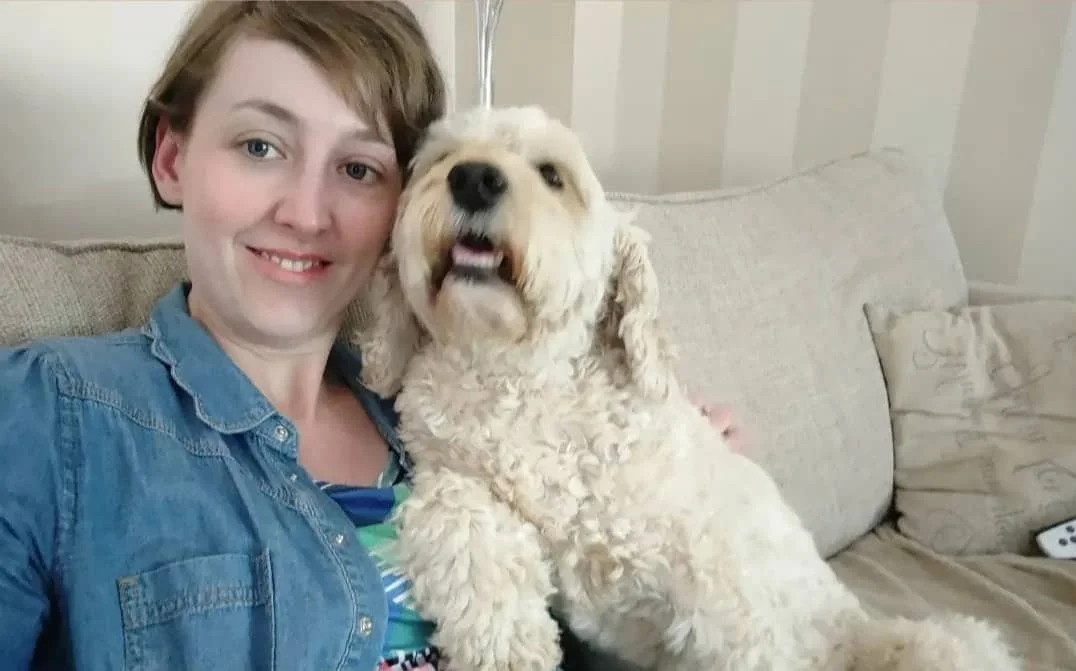
Look at how they behave when they’re in a safe setting. Look at their ears, their tail, their body as a whole. Understand what they do when they’re calm, comfortable, and relaxed.
Then, notice how those body language cues might change when they’re in different settings. Do they change when they’re around other dogs? Other people?
When we understand what’s making them uncomfortable, we can then manage those situations.
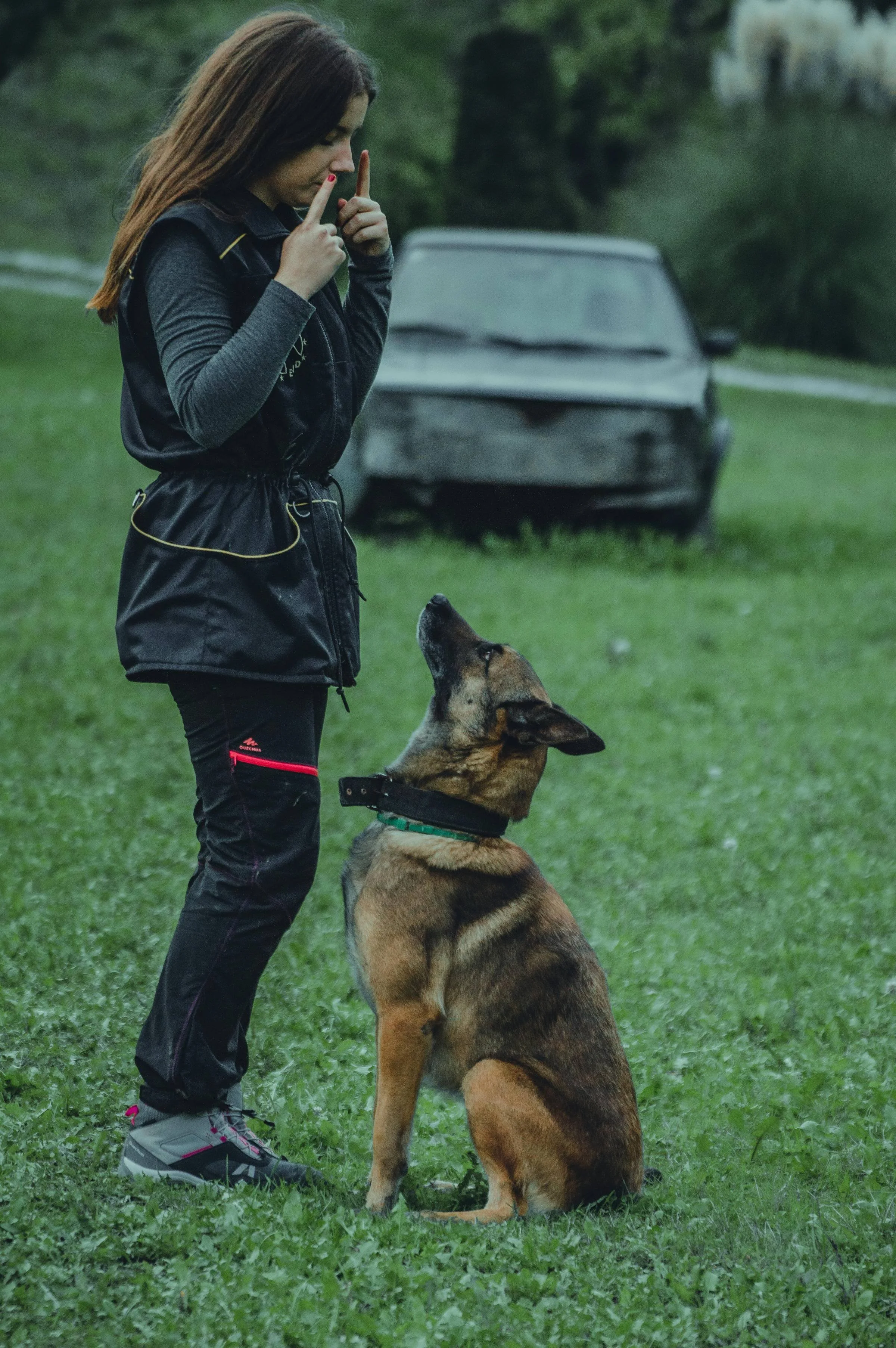
We might even work on training with the dog so they can eventually go back into those situations, if it’s unavoidable.
Understanding how our dog is feeling can be tricky at times, but Sian has created this online course to help us gain some basic, but crucial, knowledge.
It gives you all the tips you need to really understand how your dog is feeling, how stress plays a huge part in your dog's response, and actionable tips, games, and strategies to get you started.
Her blog is also FULL of great resources to help as well!
Keeping them safe, no matter what
Working so hard to create flawless communication with our pets helps us feel a stronger bond.
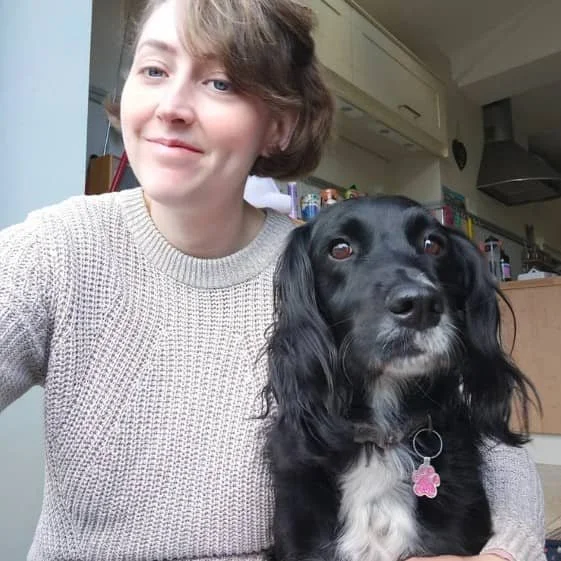
They know they can trust us and we’re confident we can understand what they need.
But what if we need someone else to care for them for a while?
If you needed to step away for a quick trip or be gone for a longer period of time... Would your pet's temporary caregiver they know how they communicate?
Putting a Cotl plan in place ensures your pet is taken care of, just the way they’re used to, no matter what.
Discover how the process works or book a call directly with Sean, our founder and CEO, to see what a plan could look like for you.
