
😩 Should these exotic animals be pets?
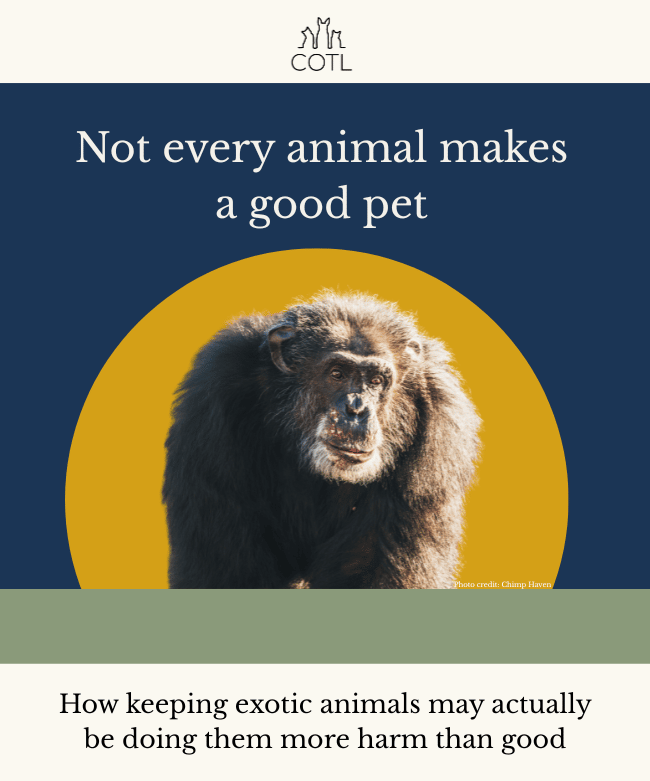
When you love animals so much, it’s easy to open your heart and home to one (or two… or five).
Our pets give us purpose, unconditional love and honestly, life would feel incomplete without them in it.
But can any animal be a pet? Or better yet, should they be?
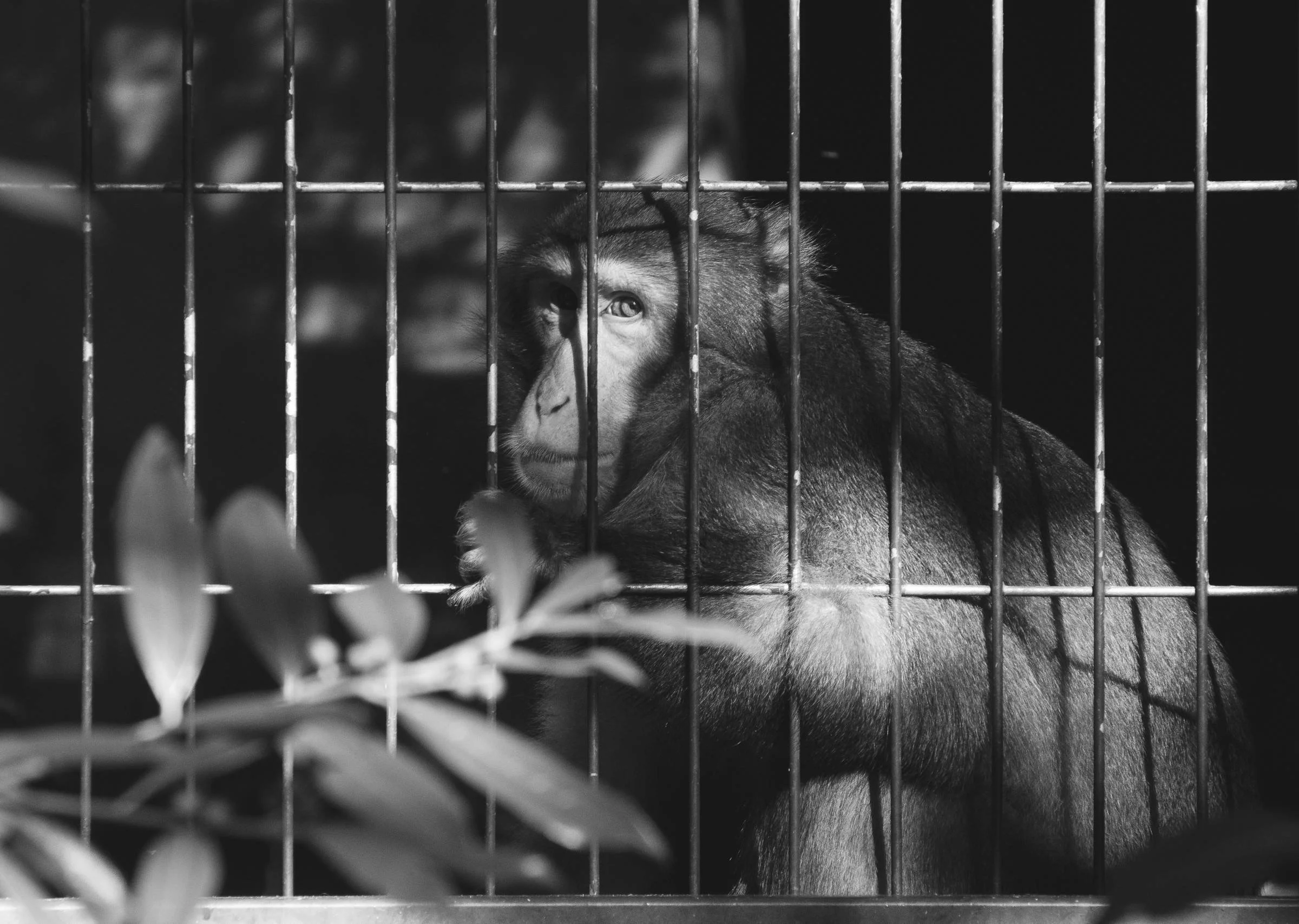
It’s estimated that over 17 million exotic animals are kept as pets across the US and as of 2023, illegal wildlife trafficking makes up the fourth largest illegal trade in the US (we’re talking $8-$10 billion).
So, is keeping an exotic animal as a pet really showing it love?
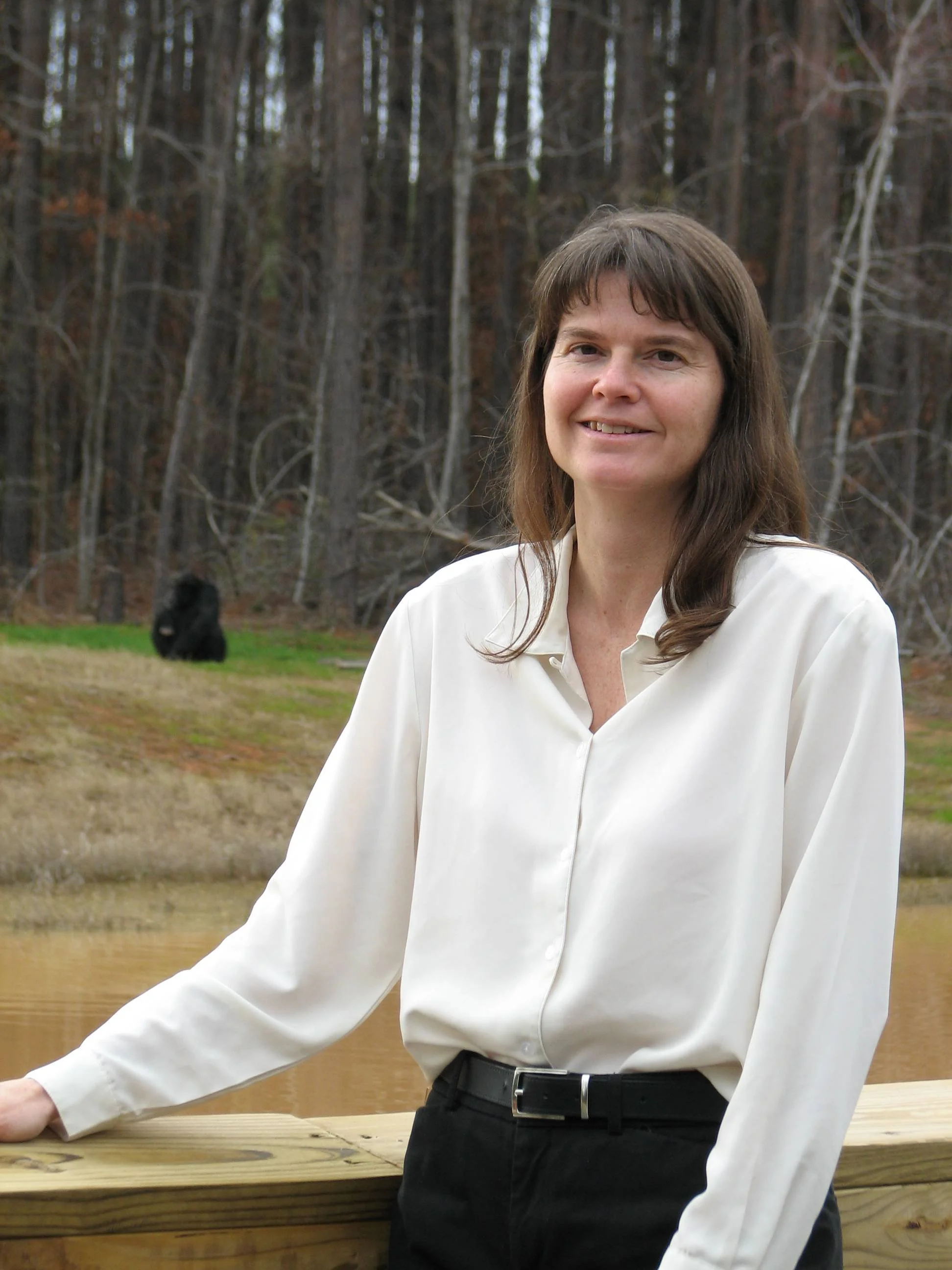
Linda Brent–co-founder and former director of Chimp Haven (the world’s largest chimp sanctuary!), Executive Director of the Parsemus Foundation, and CEO of Blue Toby Pet Products–has seen firsthand just how exotic pet ownership really affects these animals.
And as expected, it’s usually not great.
Understanding their needs on a deeper level
“I’ve always loved great apes. Even as a child, I was fascinated with primates–especially gorillas and chimps–and my whole goal was always to get to work with great apes. I wanted to understand what they're truly like.”
Linda took her childhood dream seriously. She obtained a Zoology degree and after working with a project involving chimps, it only solidified her love for the animals.
Around that time, the mindset around laboratory animals was shifting and people were acknowledging how important their psychological needs actually were.
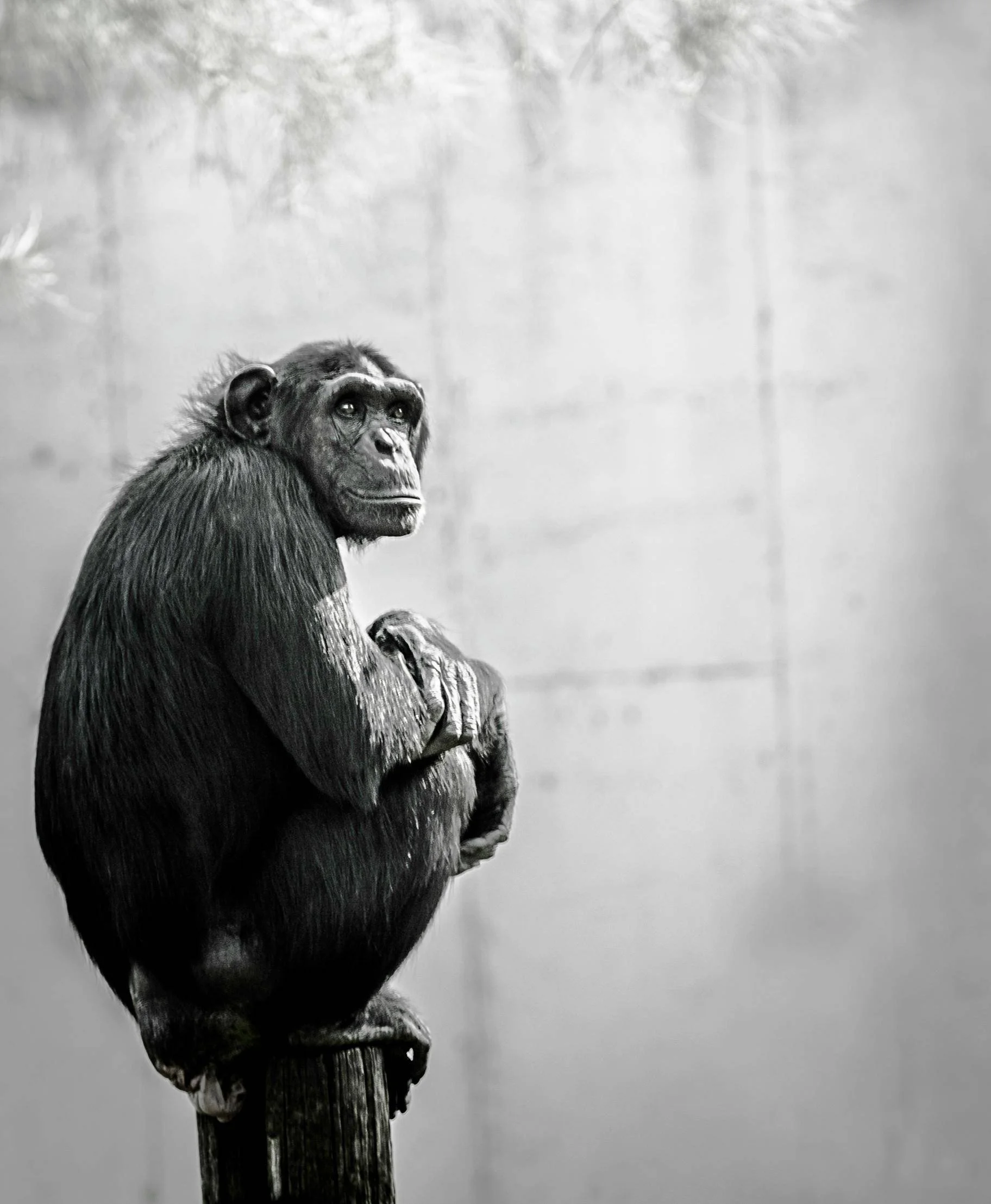
With her knowledge and newfound experience with chimps, Linda was the perfect candidate to help develop a behavioral enrichment program at a laboratory.
She ended up spending 16 years at the facility, and saw the progression of how their care was truly improving.
She also witnessed the decrease in chimps being used for testing… And the new issue that came with it. Where do they go next?
“Those of us working with them and caring about them wondered, ‘What can we do?’ They can't sit here the rest of their lives… It took a long time, but we finally got Chimp Haven going.”
Over the years, as laws continued to change and chimpanzees were practically all retired from research, Chimp Haven became the destination for these animals
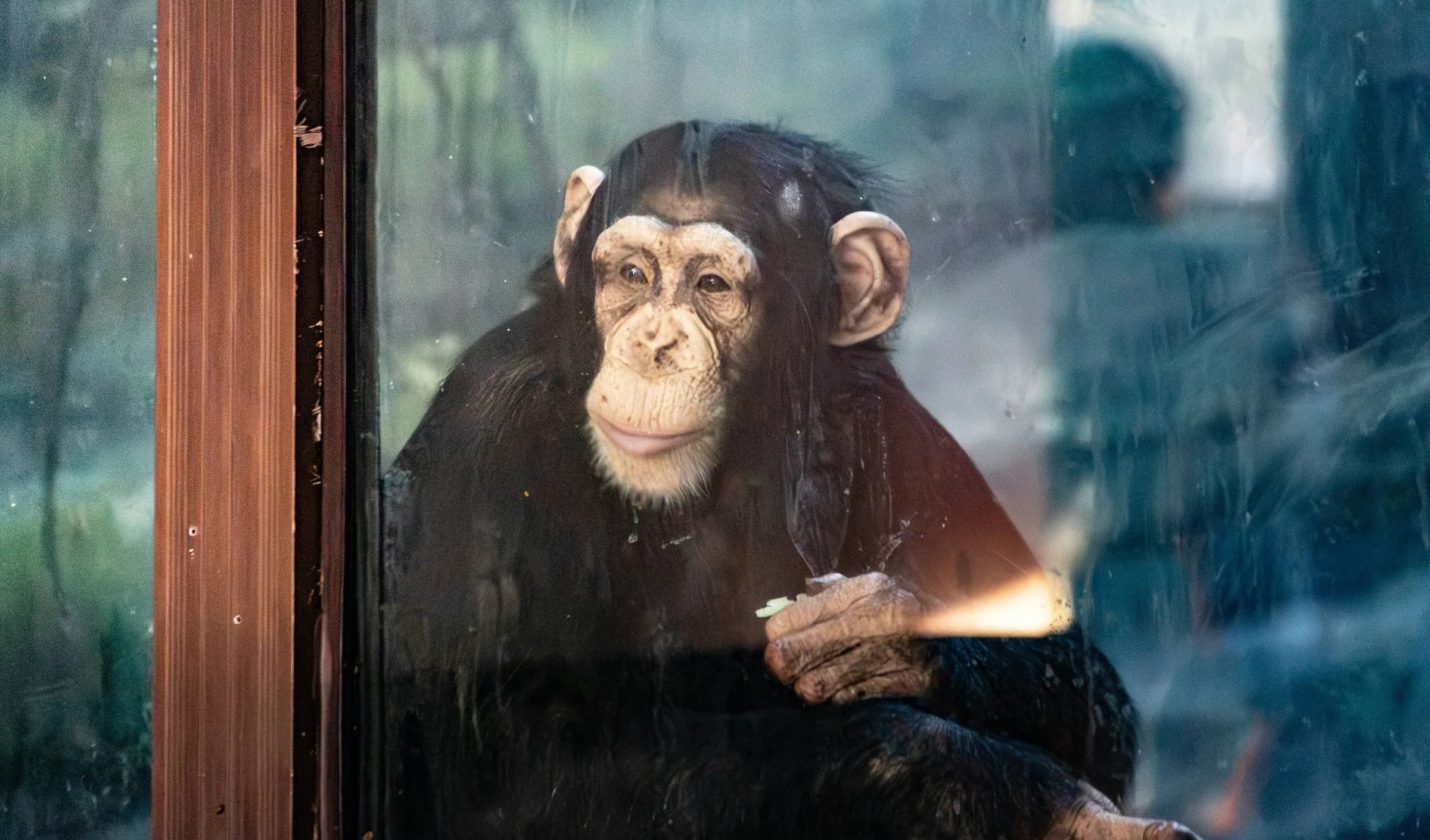
But it wasn’t just the biomedical field these animals came from.
Some had to be rescued from the conditions they were being kept in as pets.
When “love” actually hurts the animal
“I really do feel like most people who end up with an exotic animal as a ‘pet’ started out because they just love animals. They're fascinated by them, they think they're really cool, and maybe by owning one, they think they can develop an understanding of them.”
All too often though, there seems to be a shift. What once started as a love for the animal becomes a type of fixation.
Maybe they feel it’s important to have an exotic animal because no one else has one.
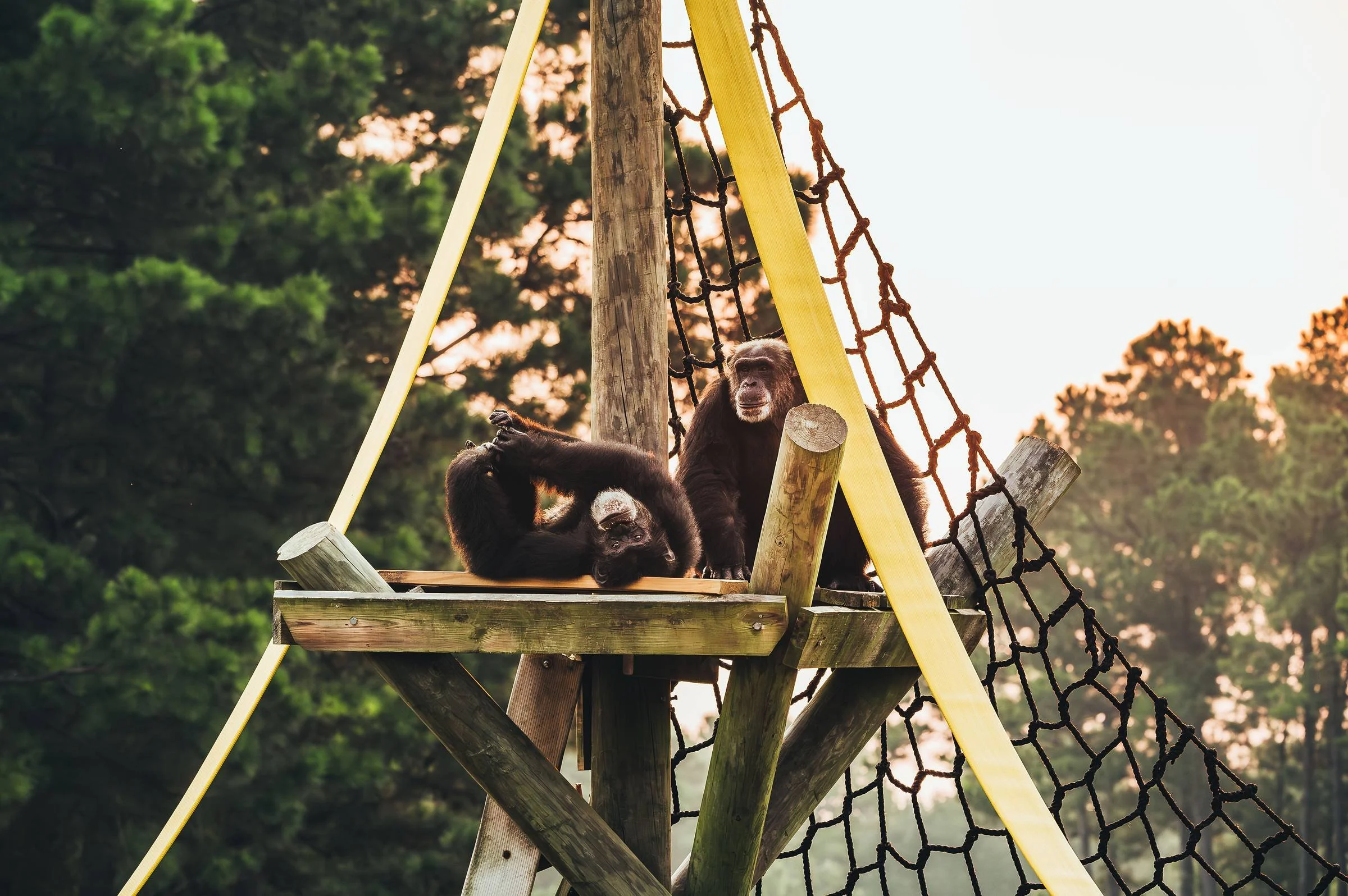
Photo: Chimp Haven
Or, they feel that since they “know” the animal so well and feel they understand them, that they're the ones who should be “allowed” to have them.
Regardless, there’s something important to keep in mind.
Exotic animals are not domesticated animals. They’re wild. And by keeping them as pets, they’re removed from all the things they truly need to thrive.
“Wild animals don't rely on us. So, when they’re taken from the wild, or transported from the wild, or bred from animals that came from the wild, and then kept as pets, they're living in a place they're not adapted to… And they can't make a transition to a domesticated animal in one generation.”
They may be in cages, instead of roaming free as they should be. Their diet won’t include the things their bodies need.
And when we force them to rely on us, it’s detrimental to their well-being.
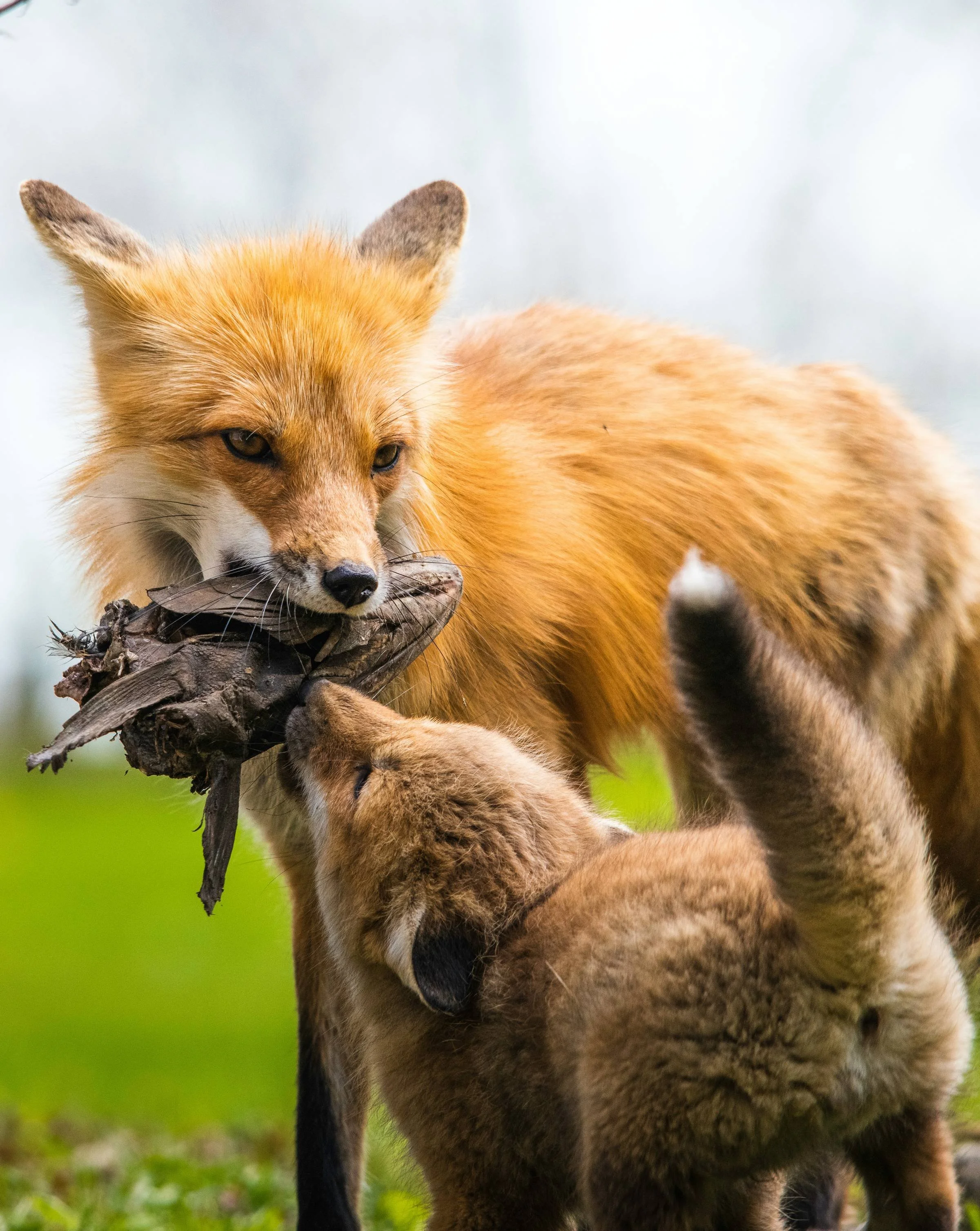
For example, these animals are almost always removed from their mother and raised with people, to encourage attachment to humans.
But any animal that’s naturally raised by their mother just lost connection to the single figure who teaches them everything they need to know to survive and thrive.
They don’t grow up with normal social interactions so they don’t know how to communicate through sounds or gestures the rest of their species uses.
They can experience things like sensory deprivation, rocking, grabbing, pacing… Essentially, they become stressed and end up expressing abnormal, and sometimes aggressive, behaviors.
And as they start to grow and enter adolescence, their behaviors can become even more unpredictable.
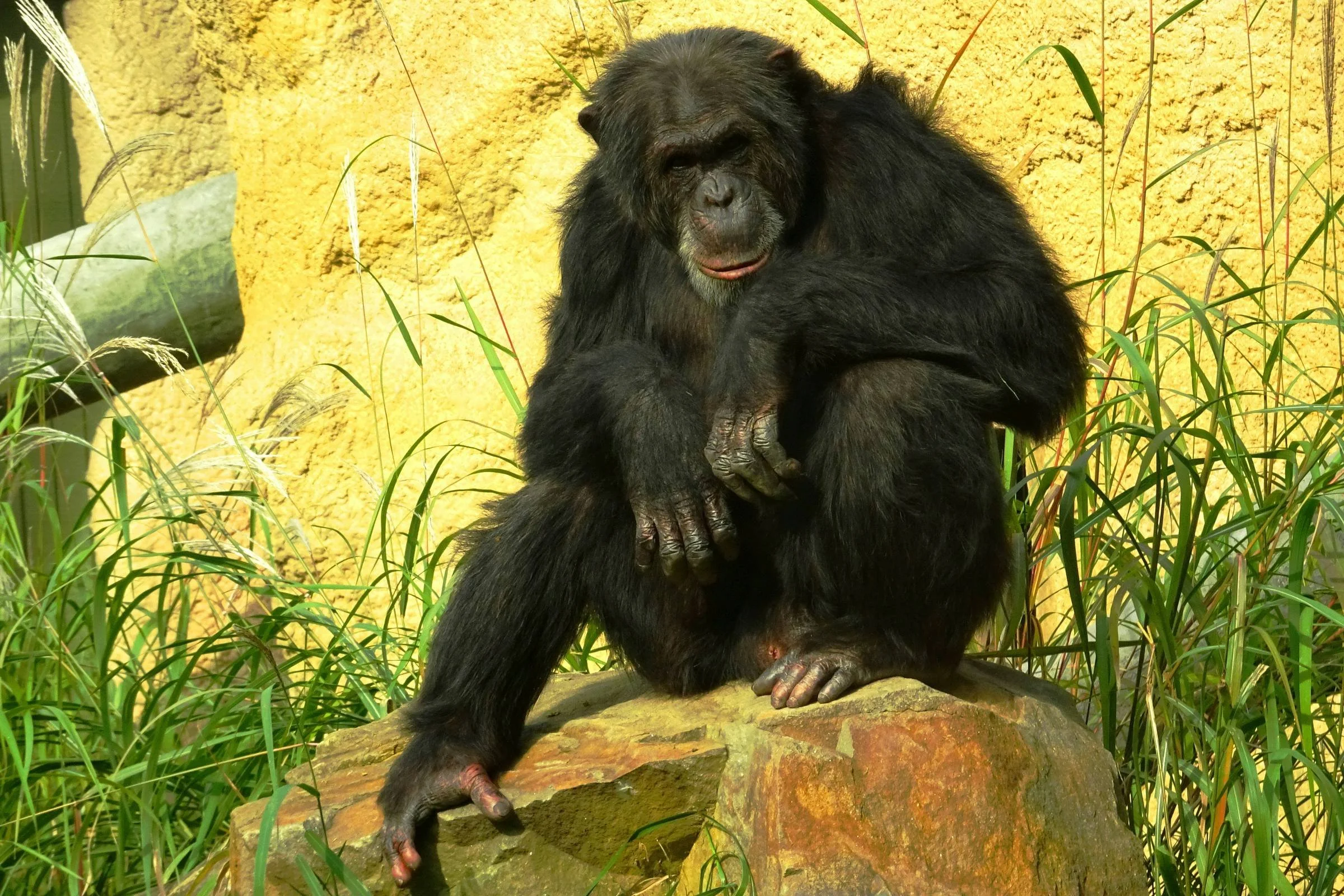
Depending on the species, they’re used to proving dominance and establishing dominance in a hierarchical society.
So what happens when they start lashing out or even causing harm at home?
The negative impacts no one thinks about
It's not easy to care for exotic animals. There isn't as much known about how to take care of them in captivity… Because they're wild animals. You can try to replicate elements of their natural environment, but that's not easy.”
When people decide to take in an exotic animal for a pet, the thrill and excitement can distract them from the actual logistics.
Besides the animal’s well-being, there are a lot of obstacles in the way.
It can be difficult to find a veterinarian who can care for the particular species, so keeping them healthy can be stressful.
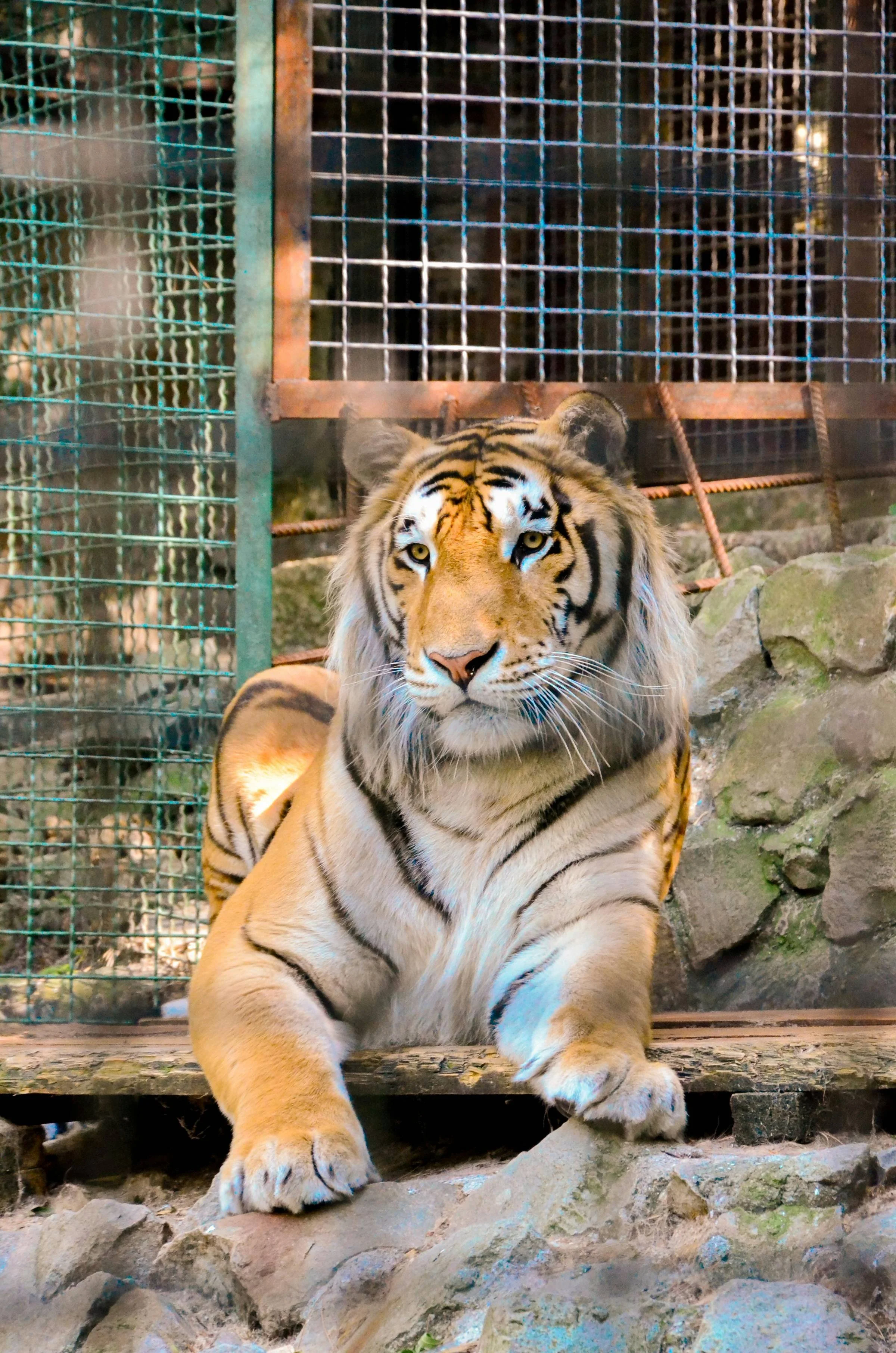
There are also a lot of laws and regulations in place around keeping exotic pets, and without that knowledge, people can get in serious trouble with the law.
They also might be required to have expensive insurance, especially if it’s a dangerous animal.
But beyond all this, many people become so stressed and overwhelmed with the animal when it reaches puberty and starts acting out, and they get rid of it… Sometimes, replacing it with yet another baby.
Some may go through the efforts of finding the animal a new home. Others choose to simply let it go.
And that leads to a whole different issue: the impact on the environment.
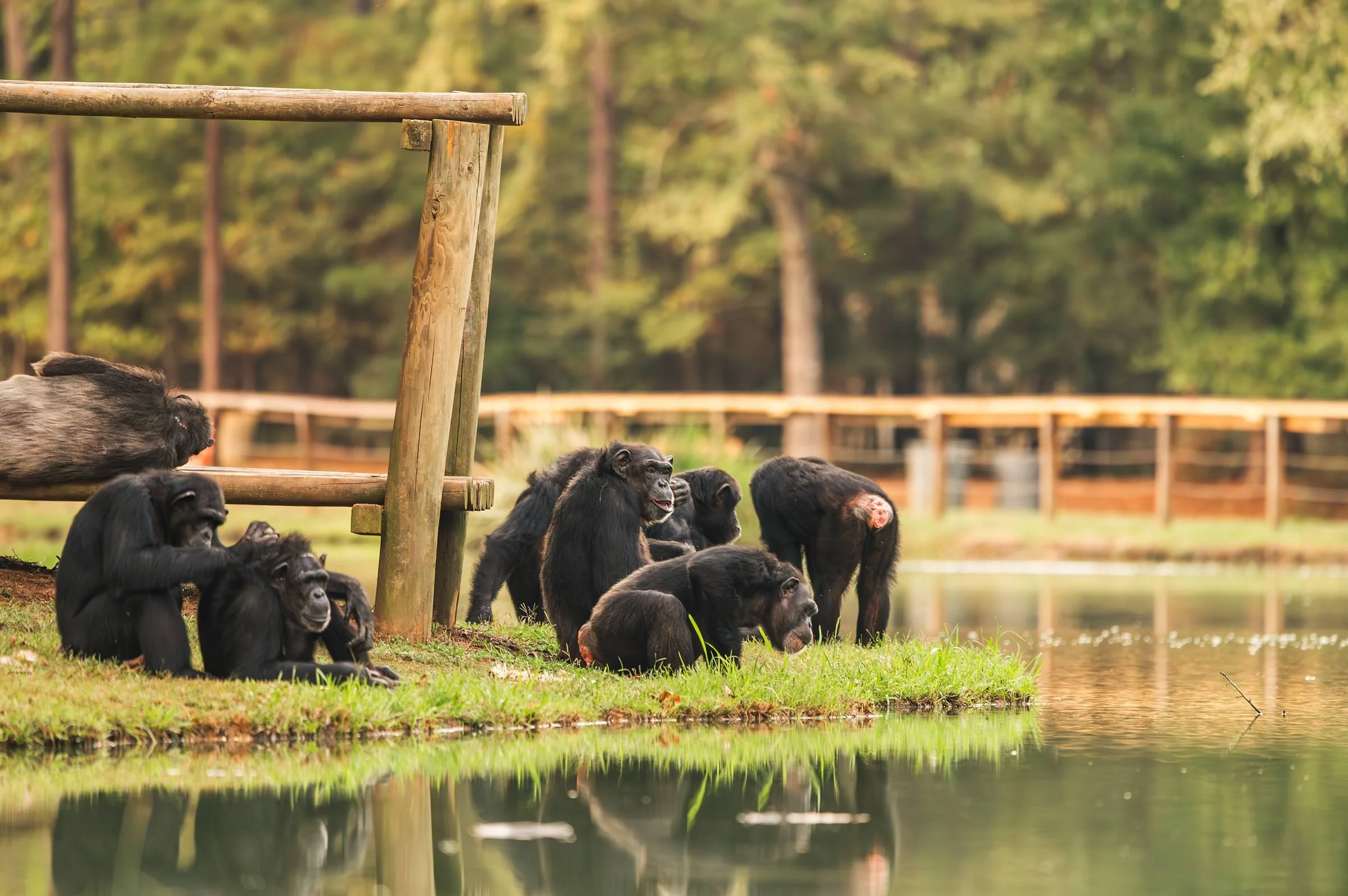
Photo: Chimp Haven
“The pet trade in exotic animals is one of the main reasons that we have a decline in a lot of different species, and I don't think most people realize that. Regardless of the animal, if there's an industry supplying that species, it creates a funnel which always starts in the wild. Those animals come from somewhere, and they're usually poached in the wild.”
These animals are stripped from their homes, a complex biodiverse ecosystem that relies on their presence to thrive. So what happens when their species is reduced? Or gone completely?
And it not only affects where they came from, but where they are now.
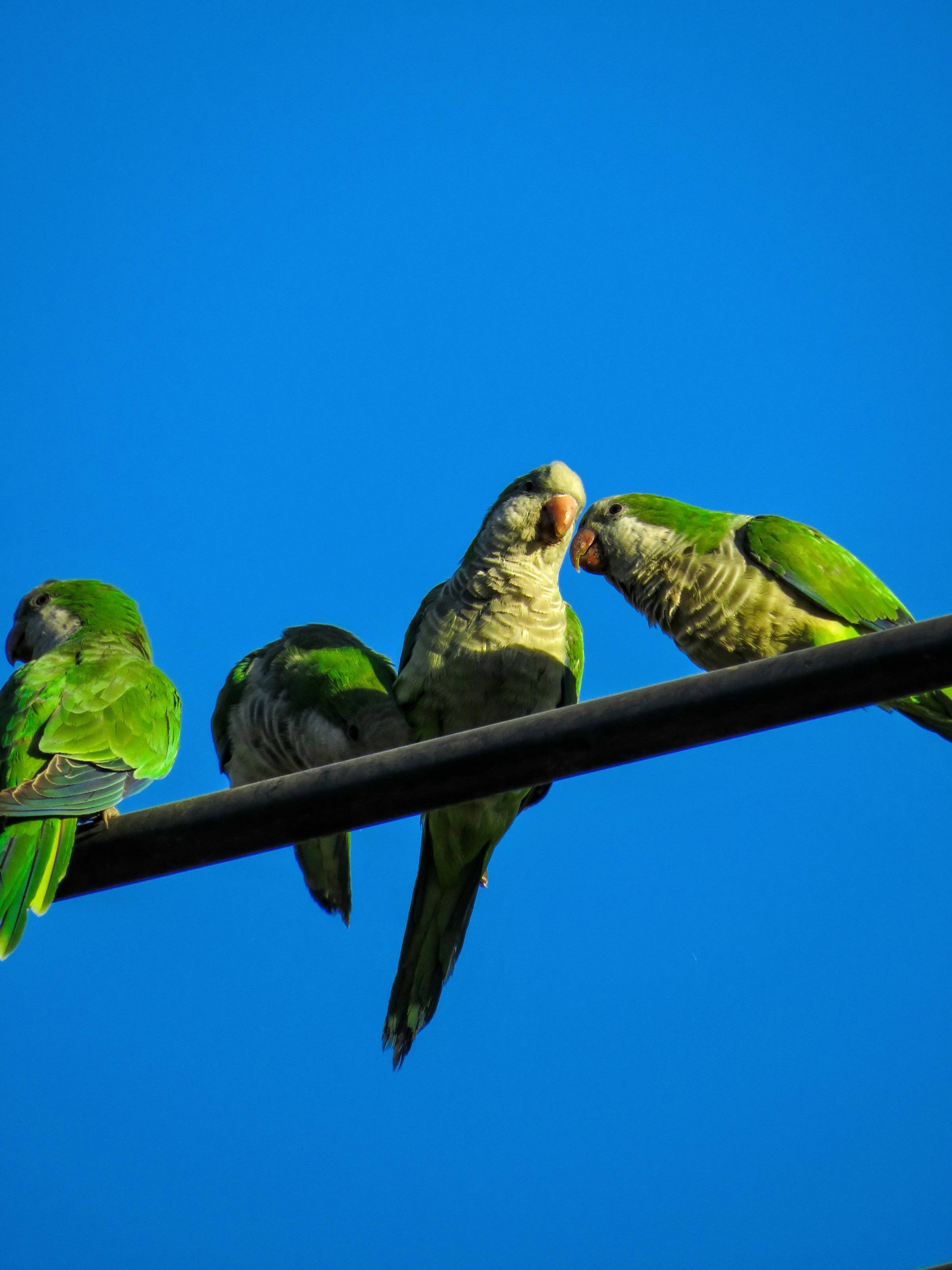
Think of species like the monk parakeet, iguanas, or the Burmese python… All exist outside of their native habitat and have become invasive. How? Largely due to the illegal pet trade.
It’s a lot to think about, and certainly more than most people even realize!
But what happens to the animals when an owner decides they can’t, or don’t want to, keep them anymore?
Creating hope for these animals when they need it most
When someone decides it’s time to part ways with their exotic pet, they’ll sometimes try to sell or trade the animal.
Other times, they might care for it less and less, simply feeling overwhelmed and not knowing what to do.
“Sometimes, somebody finds out about the animal or it's an animal abuse case because it's not being cared for properly. Maybe the person just doesn't want it anymore and it can be confiscated. Then it ends up in the rescue system.”
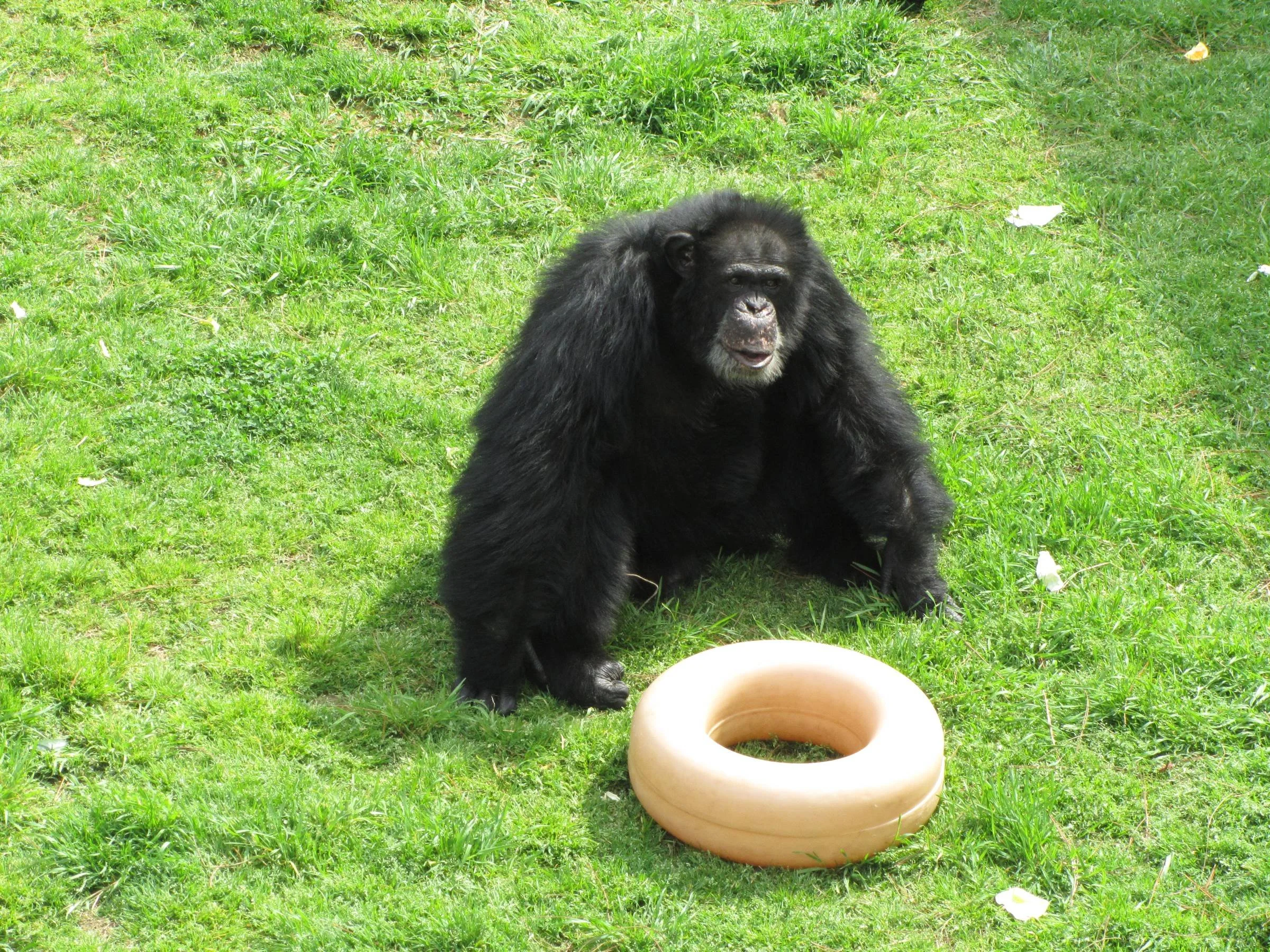
And while these people usually don’t seek out sanctuaries, a lot of the animals can end up there as well.
Like other non-profits and animal rescues, sanctuaries are usually limited in how they can help. They rely on donations and volunteers to help.
But for the animals who end up there, it can be the very thing that helps them finally thrive.
That’s exactly what happened to Henry, a chimp that came to Chimp Haven after a lifetime of neglect.
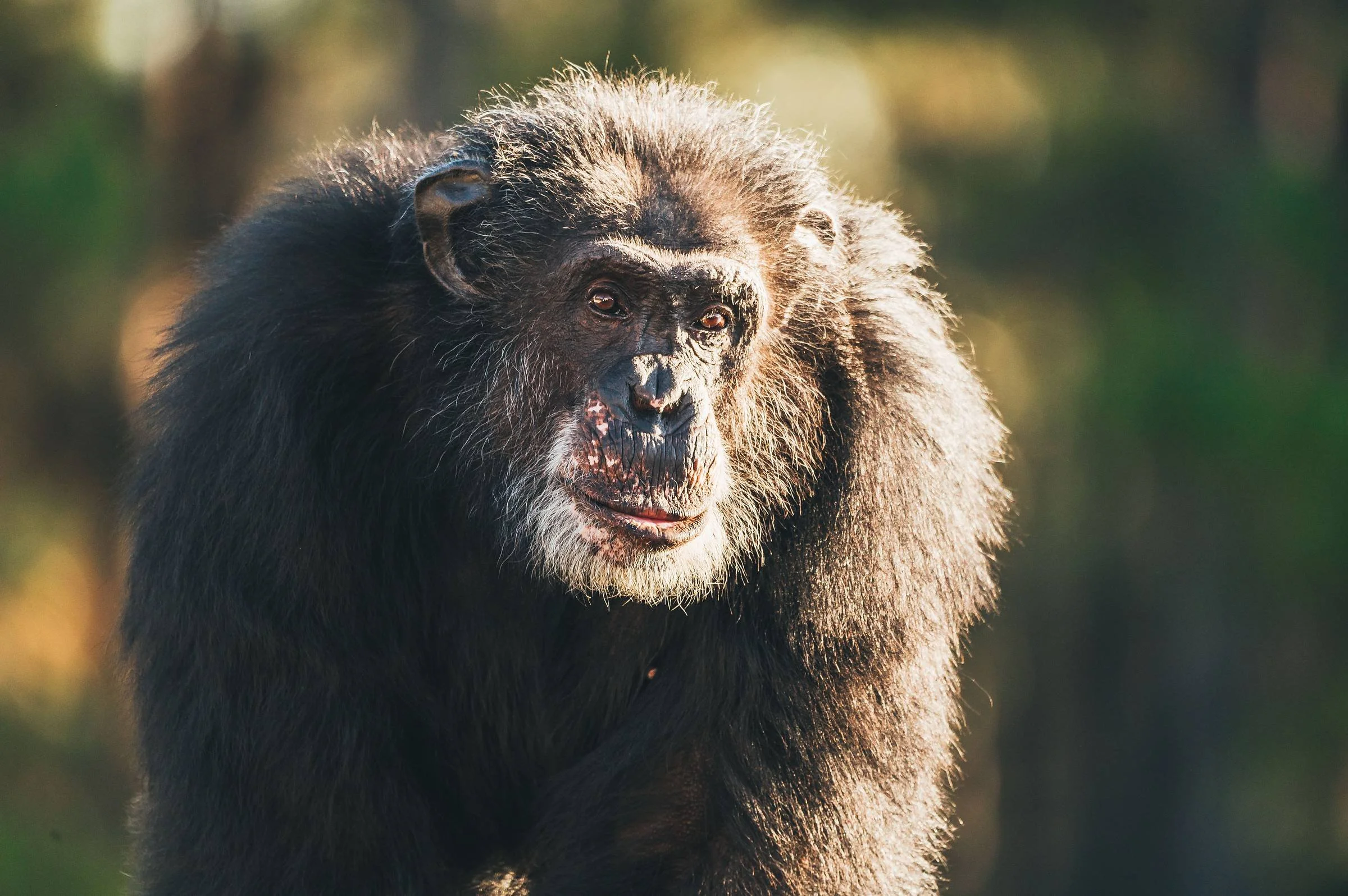
Photo: Chimp Haven
He was kept in a small cage in a garage, completely emaciated, and pale in color because he never saw sunlight.
Once rescued, he got immediate care from a local SPCA, then long-term care at Chimp Haven.
Like any credible sanctuary would do, Chimp Haven assessed his condition and started addressing areas of concern.
Henry finally received a healthy diet and the healthcare he needed to fully rehabilitate.
“Rehabilitation is an art as much as a science. You have to have professional veterinary and behavioral staff who have experience with these animals and understand everything about them in captivity, but even more important, everything about them as wild animals. It's a very slow process–especially for animals who are that badly damaged–of returning them to some semblance of what that species is meant to be like.”
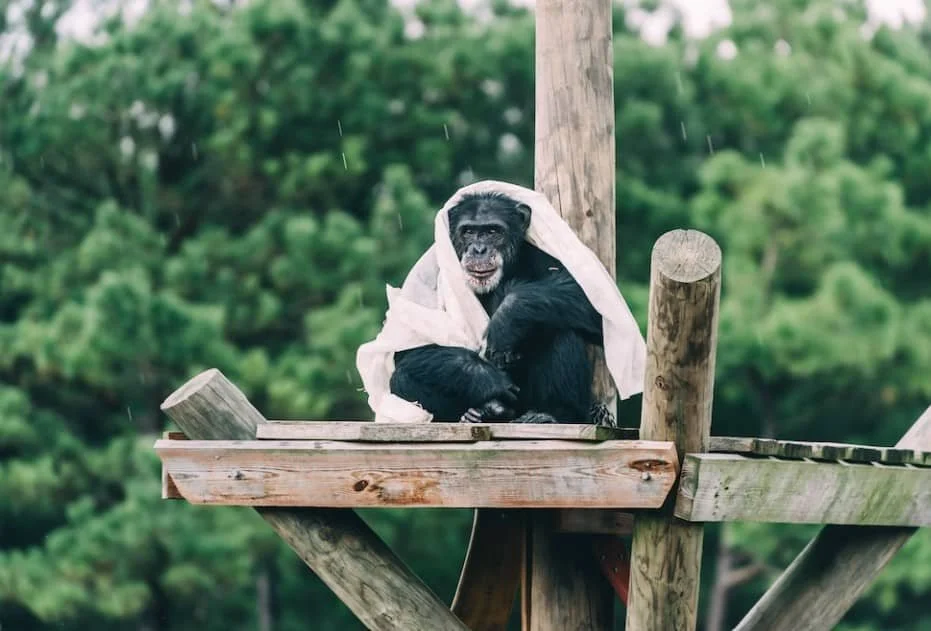
Photo: Chimp Haven
Regardless of how he had been treated, Henry still felt safe around the humans he could sense were helping him.
He was able to learn from and bond with other chimps at the sanctuary!
And now, he gets to live the rest of his long, healthy life in the very environment he was meant to be in all along.
How to really love exotic animals
“If you love animals, you should have pets. And they should be domestic animals. That can fulfill a lot of that need in someone who adores animals. And I'm totally speaking from my own experience as well, because I can't imagine my life without animals.”
But when it comes to the exotic animals, if someone is really passionate about being around them, there are other ways to “scratch that itch” without keeping them as a pet.
Many places are always looking for volunteers. Find a sanctuary who could use an extra hand. Volunteer at a zoo and learn about the animals and their natural history. Find a wildlife park or a rescue rehab facility.
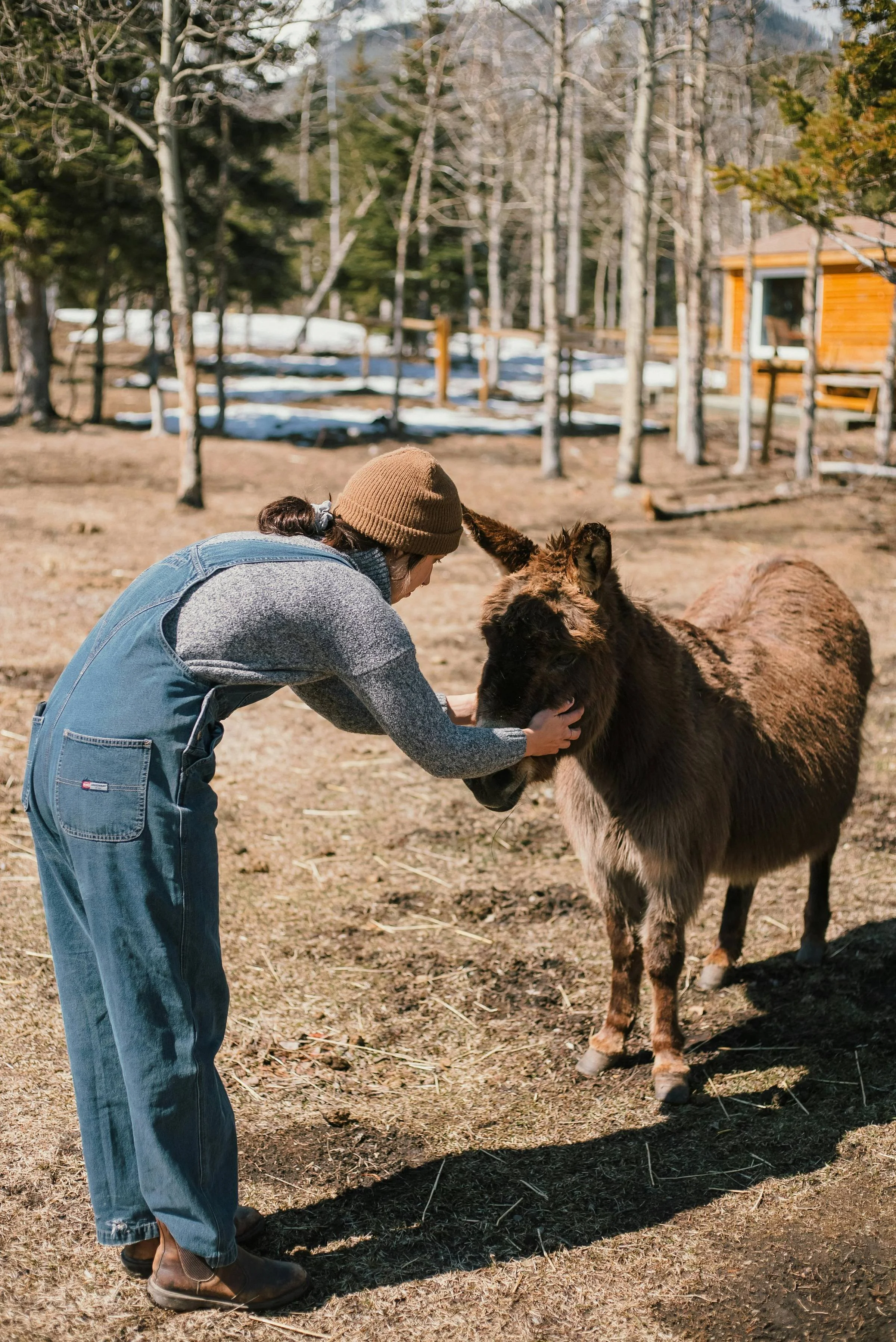
Become involved in conservation work and directly help and support the wild animals in your local environment.
And if it’s truly a huge passion, consider going into a career that allows you to be near them and learn about them!
There are likely more rescues and sanctuaries around you than you even realize.
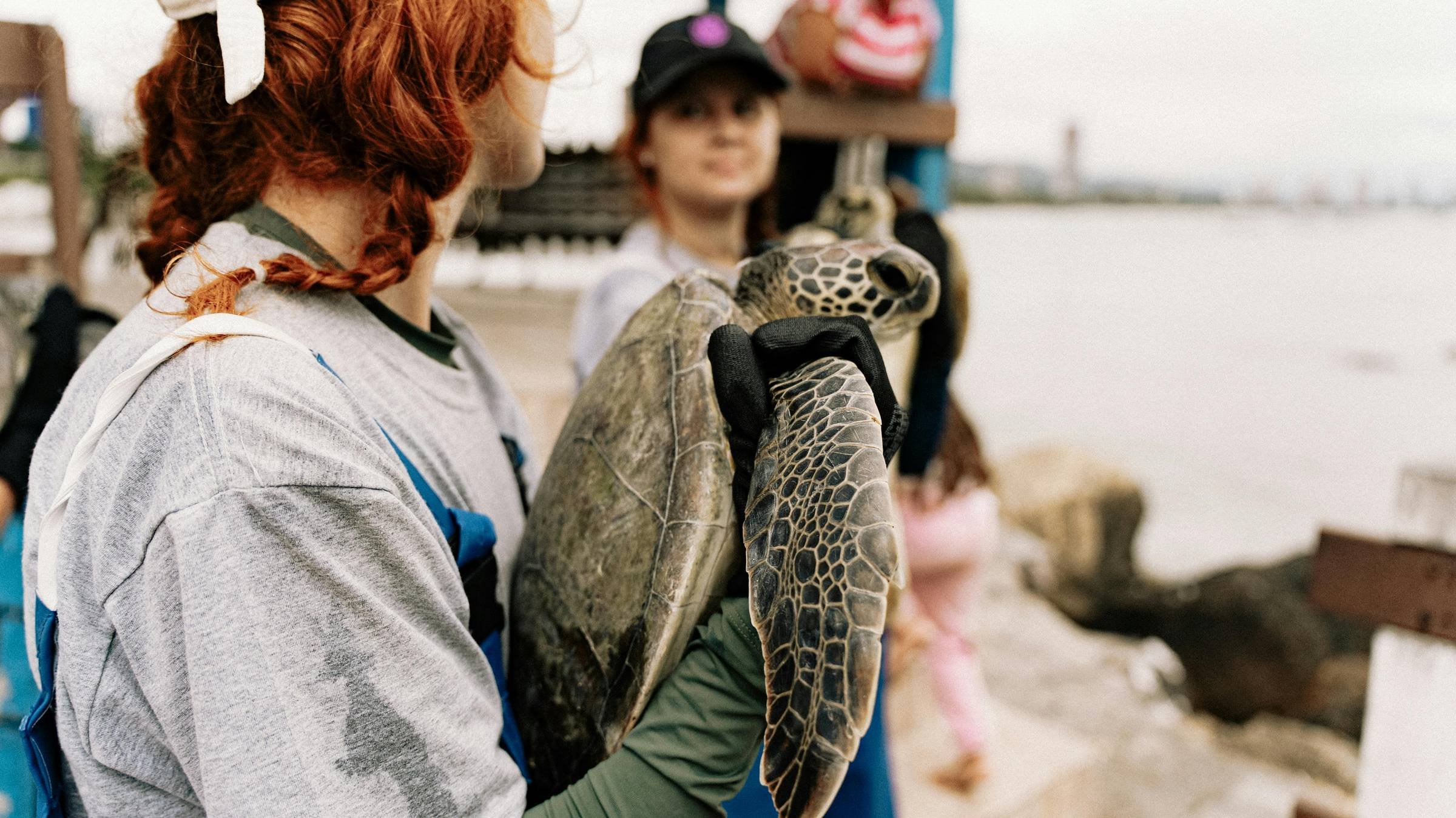
If you’d like to get involved, make sure they’re accredited (The Global Federation of Animal Sanctuaries is a well-known one). They should also be registered as a non-profit and be licensed with the USDA.
It’s amazing to give these animals love and care… But let’s do it in a way that actually helps them thrive.
Give your pet the care they deserve
When you love animals as much as you do (we do too!), you want to do everything in your power to make sure they’re happy, healthy, and safe.
But if you weren’t around, is there someone else who would care for them the way you do?
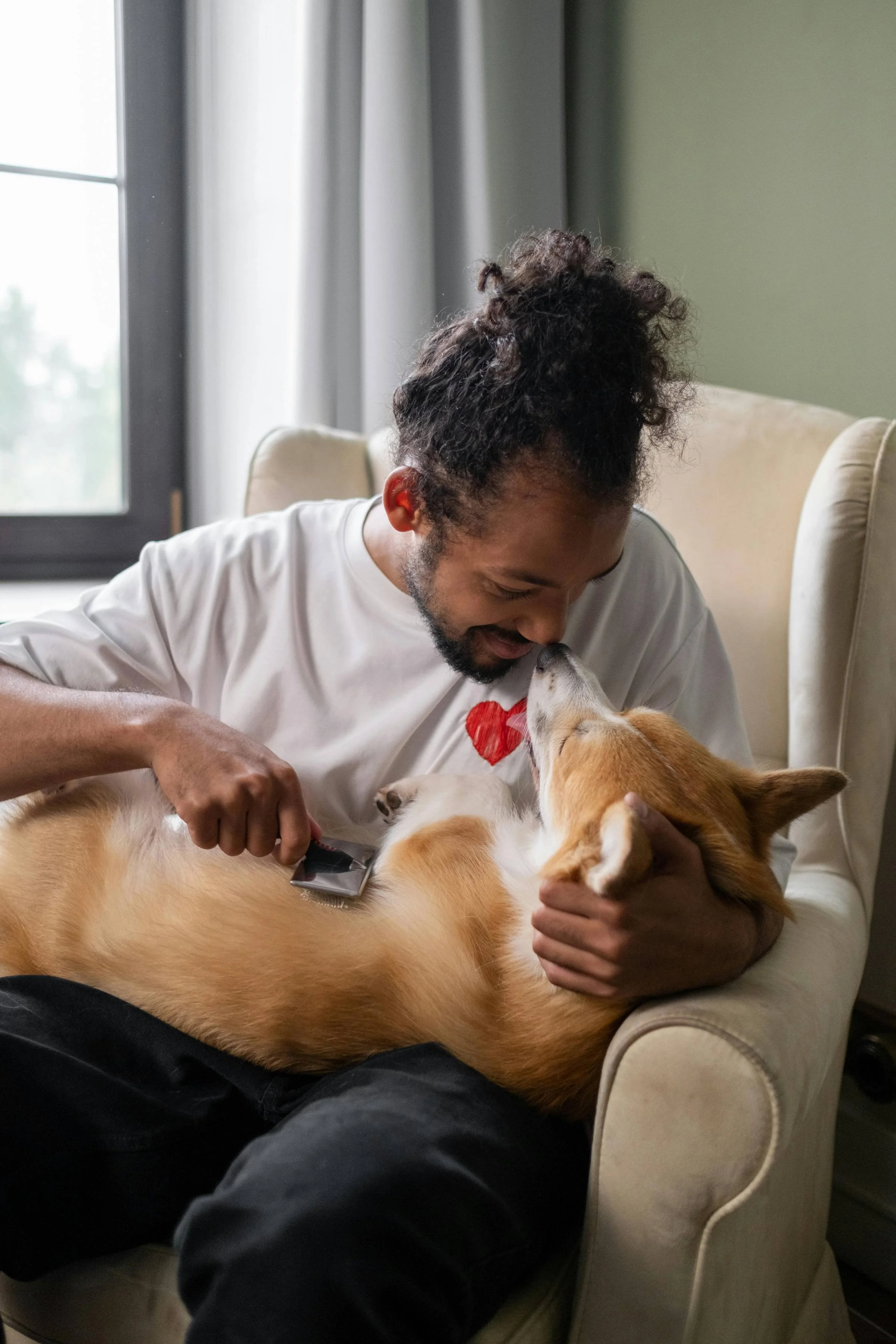
Whether you’re stepping away for the weekend or life throws a curveball…
Putting a Cotl plan in place ensures your pet is taken care of, just the way they’re used to, no matter what.
Discover how the process works or book a call directly with Sean, our founder and CEO, to see what a plan could look like for you.
