
❤️🩹 Supporting remaining pets through loss
One of the hardest parts about being a pet parent is the moment when we have to say goodbye.
Losing a pet can leave a hole in our hearts and fill us with a deep sense of sadness and grief, but are we the only ones who mourn?
If there are other pets in the household, how do they experience the passing of their buddy? Do they grieve? Are they sad?
Kate LaSala–professional dog trainer, certified behavior consultant, and companion animal end of life doula (to name a few!)–has some powerful insights that very well might change how we view the death of a beloved pet.
Losing her heart dog sparked an important realization
“Becoming a certified companion animal death doula enabled me to have the tools to support those clients who were facing euthanasia, and it gave me a little bit of support navigating my own personal losses that were also happening.”
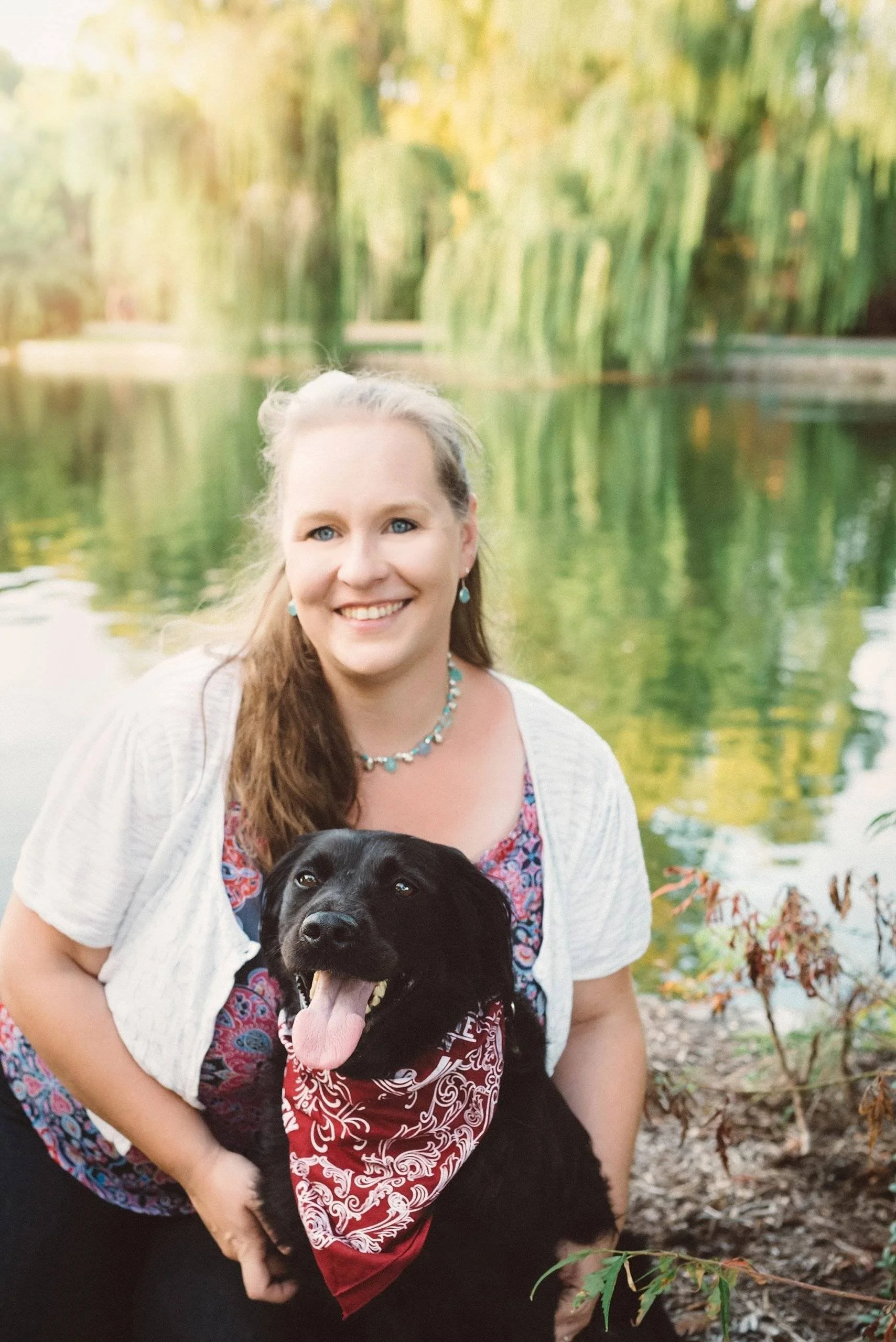
As a multi-credentialed dog trainer and certified behavior consultant, Kate is no stranger to working with people and their pets.
But focusing on fear, aggression, and anxiety cases meant that a small percentage of her clients were facing difficult decisions such as behavioral euthanasia, rehoming, and surrendering because of those behavior issues.
Feeling unequipped to support them through that process–and understanding that with two senior dogs, she would also be facing loss in the near future–she set out to change that.
By becoming a certified death doula, she’s now able to provide guidance to her client base through all stages of life, from early age training to navigating those last moments.
“Because of the nature of my work, I build these strong relationships with people and they trust me. They know that I know their dog and want the best for them.”
As a pet death doula, her primary focus is on the guardian and working through what they as an individual need.
This could be focusing on anticipatory grief and helping prepare for the upcoming loss, helping create a bucket list or working through various logistics, or even making important calls when her client is too overwhelmed or distressed to do so.
(She even created this guide to help families work through end-of-life decisions so whether it’s unexpected or planned, they can be prepared.)
With help and guidance from a death doula, a beloved pet’s passing can be a memorable, joy-filled day for both the humans and the pet…
But what about the remaining pets in the household?
Do our pets understand death?
“Dogs are very sensitive to routines and big life changes–whether it's a human death or the death of another animal, whether it's bringing a new baby home, a divorce, a breakup, or a move. Any big life change upsets the dog, because it changes their routine. And sometimes we'll see behavior changes that go with that.”
Dogs have an incredible sense of smell and they can detect things that we humans physiologically can’t.
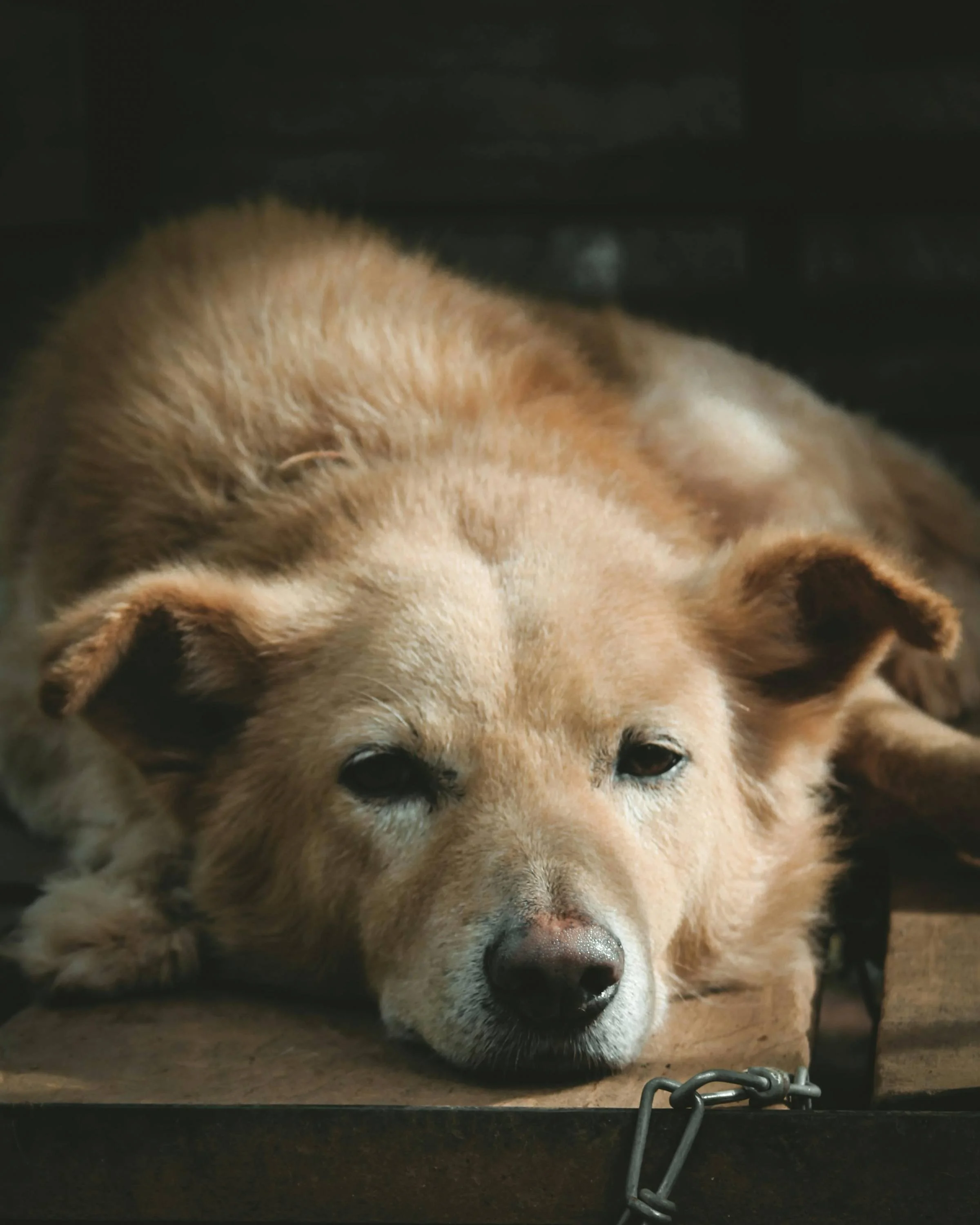
Kate truly believes that this is one of the reasons they know death and sickness. They know things through their senses that we’re simply unable to know.
But what they don’t understand is disappearance.
This is why she thinks it’s crucial, if possible, to do at-home euthanasia. This allows other pets in the home to be present so they can witness, smell, and see what is happening.
“When animals just disappear because they've been euthanized at the vet office, I see an increase in the remaining pets in vocalization, pacing, seeking, searching, and sort of wondering. They’re looking for this animal that has suddenly disappeared. So I think it’s important for the remaining animals to have that opportunity for closure.”
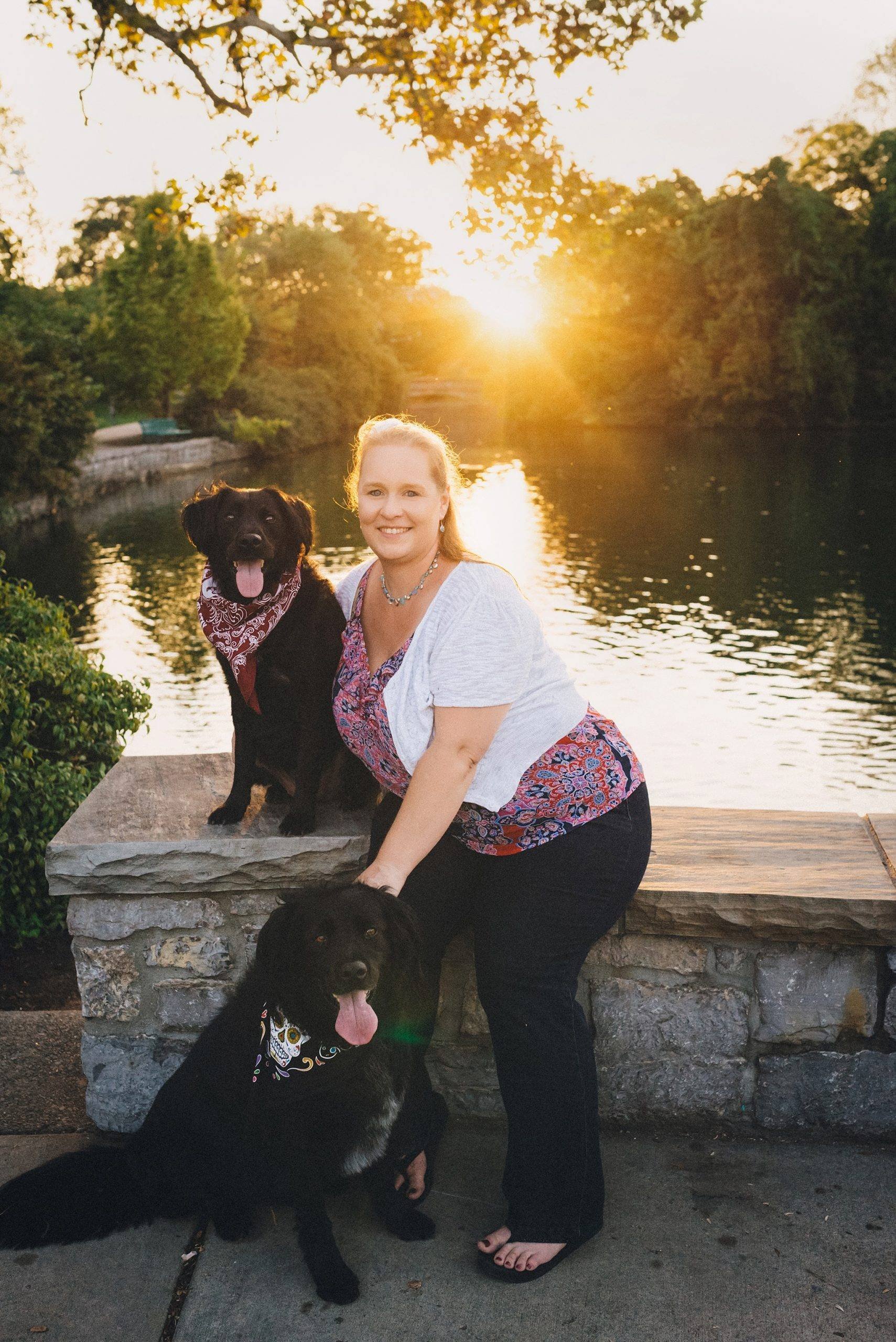
This was the experience she gave her heart dog BooBoo, when it was time to say goodbye to her other dog, Barbo. BooBoo was there for the whole thing, followed them out to the car, and got to see Barbo there before he was taken away.
But do our remaining dogs actually experience grief?
Is this grief, sadness, or something else?
“Behavior changes in the remaining animals are not unusual. Is it technically grief? Maybe not by human definitions, but the animal is aware of changes in the environment. They're aware that the humans are extra emotional and sad, and that is potentially stressing them out because their parents aren't behaving normally.”
When we lose a pet, we may notice the remaining pets acting differently. In this article, Kate actually references a study that tracks the exact differences people saw in behavior.
It’s important for us to not anthropomorphize our pets here.
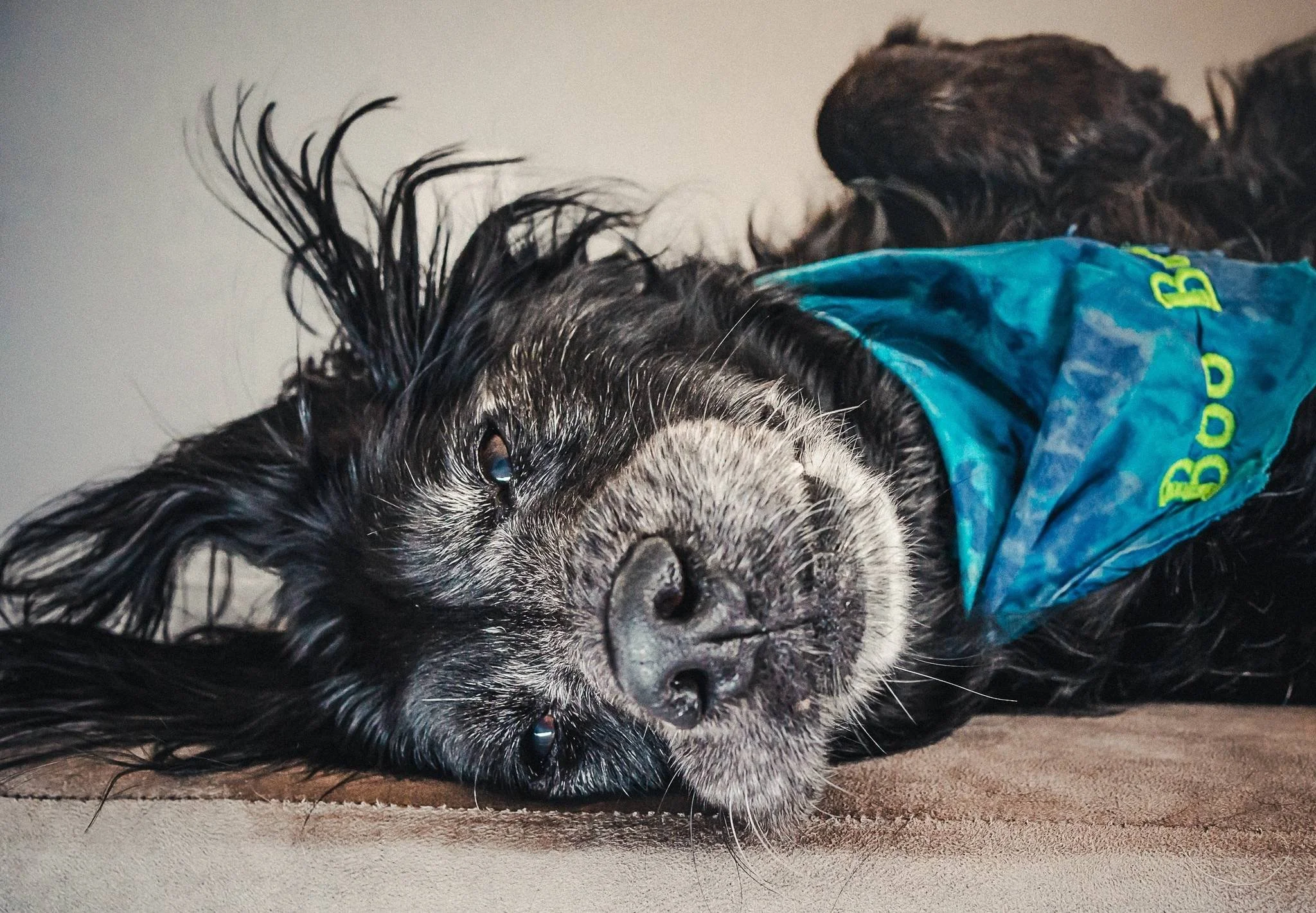
It can be easy for us to label our dogs as “sad” or “happy” when we see a change in behaviors–it’s more helpful to observe and identify exactly what has changed.
“We want to try to not label things. We don't want to say, ‘Oh, he's sad.’ We want to be descriptive, ‘He's eating less, he's not as interested in his toys, he's snuggling more, he's attention-seeking more…’ escribe things that you can potentially discuss with your vet, in case this pet needs behavior medication support for a short period of time to get through this difficult thing.”
Pets who were particularly bonded might experience greater shifts in behavior than those who were simply coexisting.
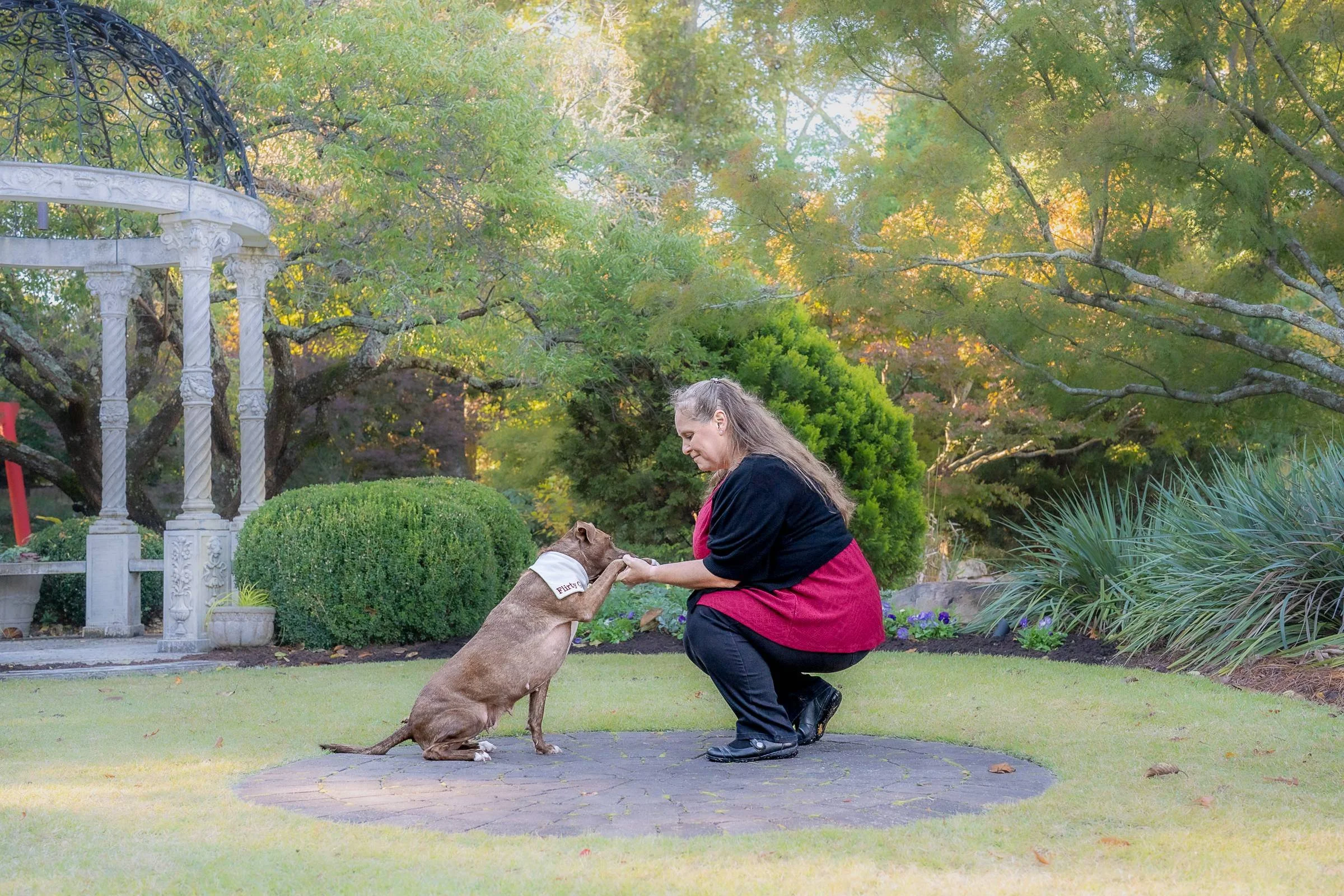
Kate also notes how sometimes, there may be an underlying issue with the remaining pet that was overlooked, simply because more focus was placed on the ailing pet.
For example, if a dog isn’t jumping on the couch anymore, maybe it’s not “sadness,” but rather, joint issues that were not addressed.
Things that weren’t concerning before may become more obvious when our attention isn’t divided. And using descriptors instead of labeling or assuming will help us identify that.
Supporting pets after they lose their friend
“Regardles of whether it’s technically grief or not, we still need to support our animals and give them more attention. We need to try and keep a predictable routine and keep things as normal as possible, even though we are grieving ourselves.”
When Kate’s beloved Barbo passed away, she and her husband were very deliberate about how they showed up for BooBoo.
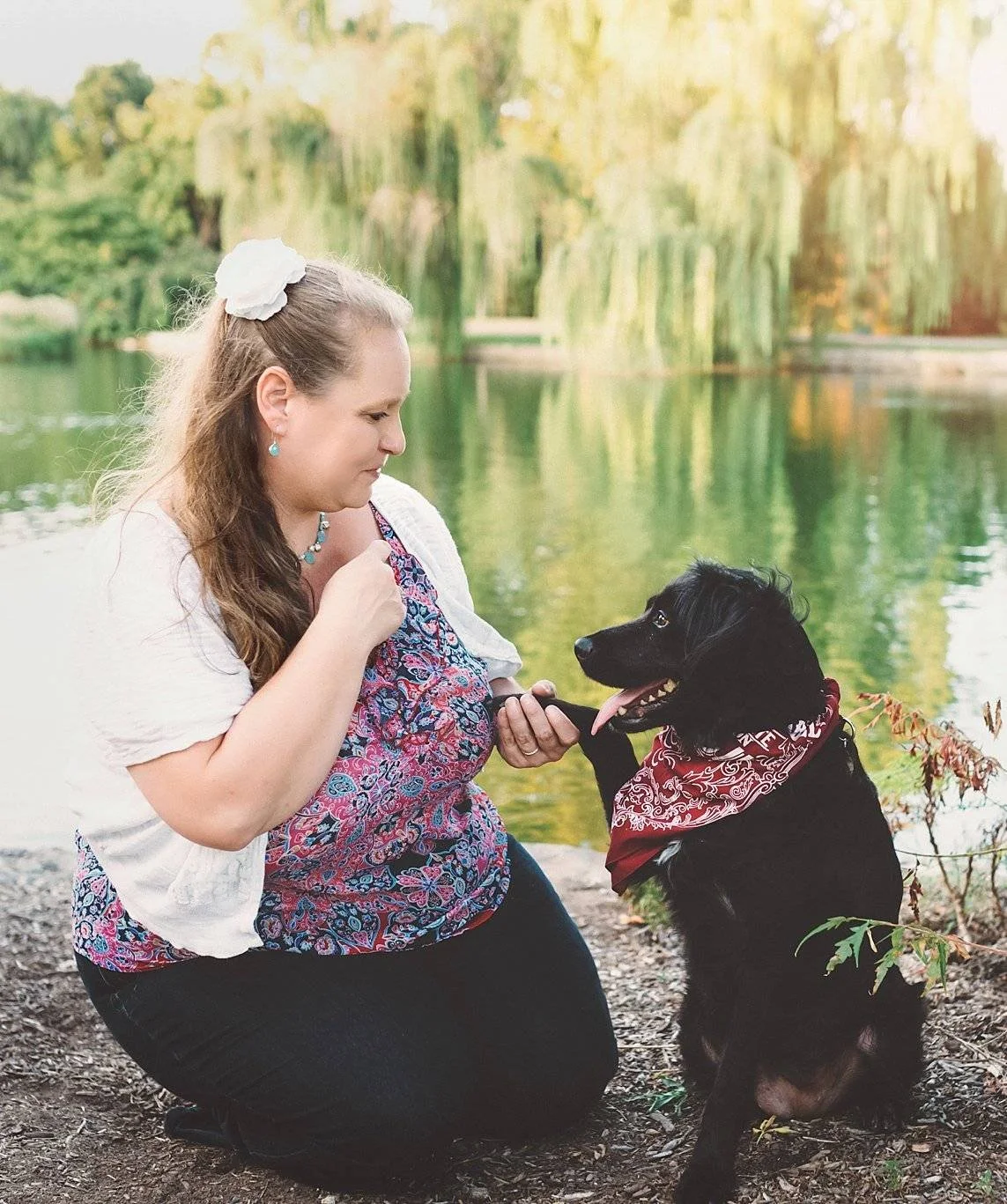
They arranged walks with neighbor dogs, playdates with her sister, and made sure to be present for her and her needs.
Especially for a pet who’s used to companionship, these extra steps can make a big difference in how they feel.
Some pet parents might even decide to try something new, like bringing their dog to doggie daycare or planning new adventures for them.
But we shouldn’t discount the “basic” parts of life either.
Maintaining their regular routine, whether it’s when they go out, when they eat, or when they go to bed, helps them know what to expect. It helps them feel safe and comfortable.
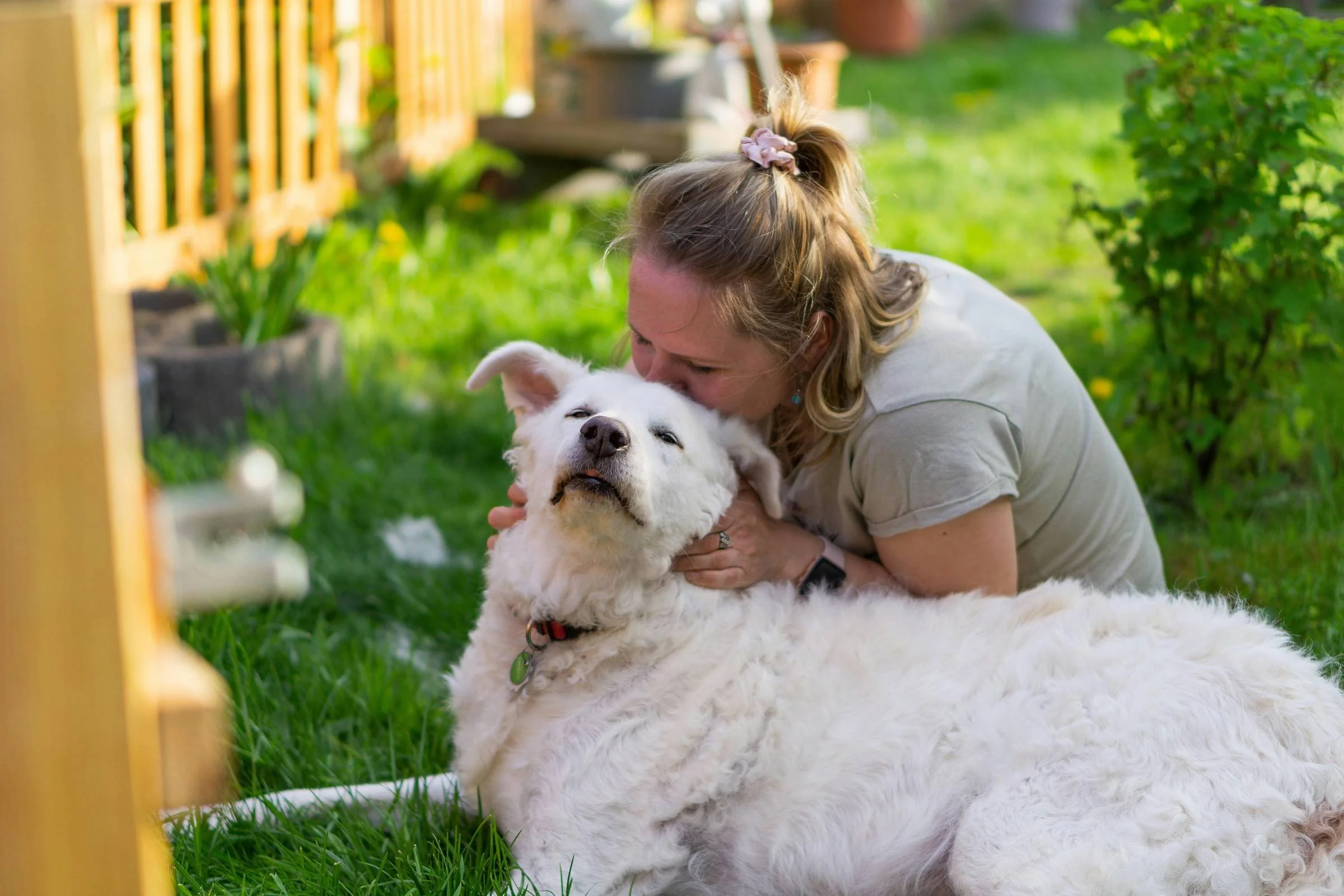
It also gives us an opportunity to be attentive to their needs, and give them what they’re asking for.
If they want more snuggles, carve time out to do that. If they want to isolate, don’t force them to interact.
“Following their lead and trying to stick to that predictable routine lessens anxiety for most animals. nd if it seems serious–if they've gone 3 days without eating any food, for example–then you need to talk to your vet. Bring in a vet and tell them, ‘We just lost our other animal and I'm worried about my remaining pets. What can we do for them?”
Kate has a huge variety of resources to help pet parents through tough times, including companion animal bucket list ideas, a guide on deciding when it’s time to say goodbye, and a pet loss grief resources guide.
Giving our pets what they need, no matter what
After losing a sweet pet, how we show up for the remaining pets might change.
They may require different needs or an extra dose of playtime and snuggles. And because they mean the world to us, we’ll be there to provide that for them.
But what if our pet isn’t in our care anymore?
What if we need to step away for a short period of time? What if something happens that requires someone else to step in?
Putting a Cotl plan in place ensures your pet is taken care of, just the way they’re used to, no matter what happens to you.
Discover how the process works or book a call directly with Sean, our founder and CEO, to see what a plan could look like for you.
