
💭 Would you plan your pet’s final day before you had to?
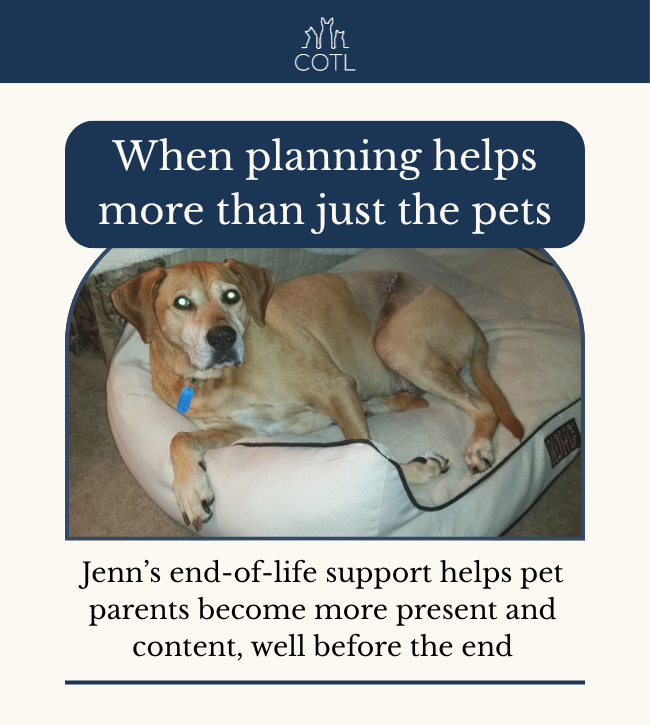
“It was very sad to lose him but it couldn’t have gone better for us. That was the ‘perfect ending’ for him. It was very meaningful and dignified given all the circumstances.
I wholeheartedly believe that talking about what we wanted and didn't want long before that moment helped us create that experience for him and for us.”
As pet parents, we’re so often focused on what our pets currently need to have a safe and happy life…
It’s hard to think about them getting older until they actually do.
But what if reflecting on a few important things and planning for their last moments could help how we show up for them now too?
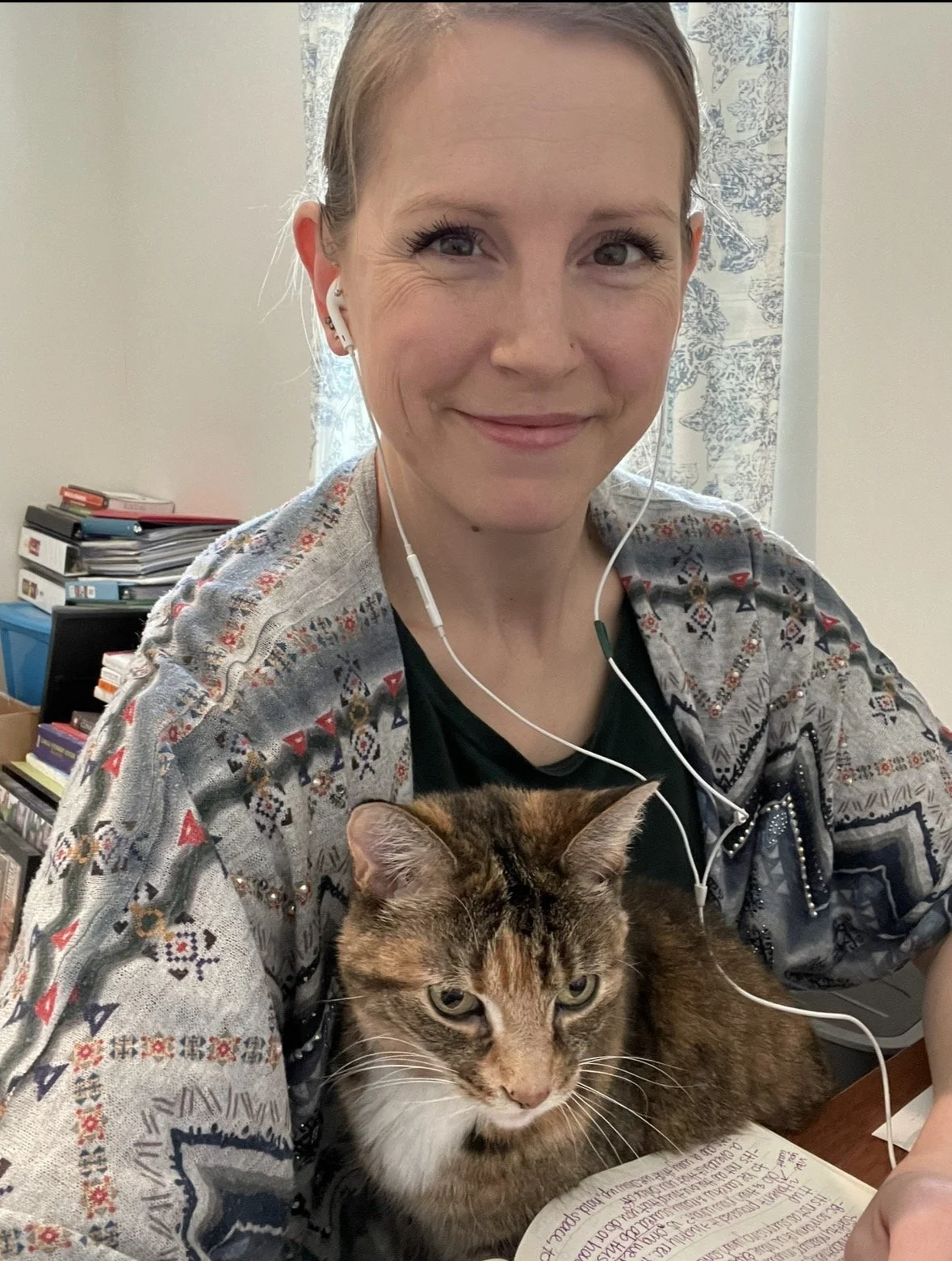
Jenn Roedig, founder of Sage Paws, used her love of animals and her own experiences of loss as the driving force behind helping others navigate life with aging or ill pets.
And by focusing not just on the pets, but on the pet parents and their needs too, she’s finding it helps them be more joyful and present as they move through life together.
Addressing a “ticking time bomb”
“I got a text from my mom that made my heart drop. She said, ‘Riley collapsed at the vet, we don't know why. We're taking him to the emergency clinic.’
…He ended up making a full recovery and we got to take him home that night. But because he had already had some health issues, that was kind of the start of us looking into different options.”
By the time Jenn’s childhood dog, Riley, was experiencing health issues, she was in a unique position to help him.
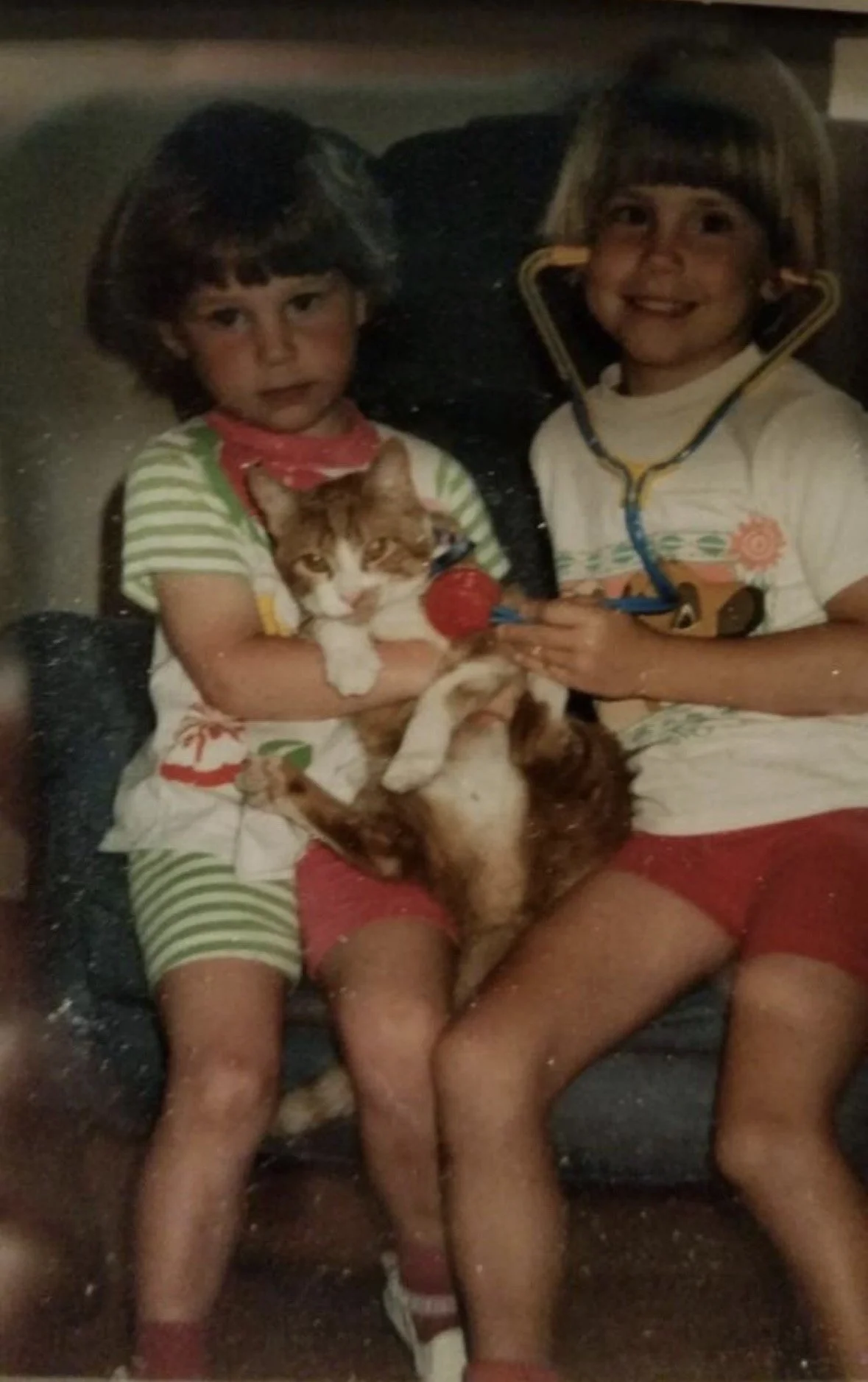
Having loved animals and dreaming of becoming a vet since childhood, she was already a year into practice as Riley neared the end of his life.
A cancerous mass on his hip came back, he had internal tumors, and now, he unexpectedly collapsed…
Leading Jenn to find out he had an additional golf ball-sized mass on his liver.
To address all his concerns would require dozens of vet visits and run a medical bill well over $10,000.
Riley was already 13 and he hated riding in the car. Would the treatments give him a better quality of life? Or would they stress him out in the meantime?

“We ultimately decided to go more of the palliative care route, where we focused on his comfort and his quality of life. We elected to remove that mass on his hip one more time. We knew it was probably going to come back…
And he had almost a year of really, really good days after that.”
But then, Riley wasn’t acting like himself. Jenn had her mother bring Riley into her practice.
The mass had grown to the size of a grapefruit and because of the type of tumor it was, Jenn considered it a “ticking time bomb.” It could bleed at any time and potentially cause major issues.
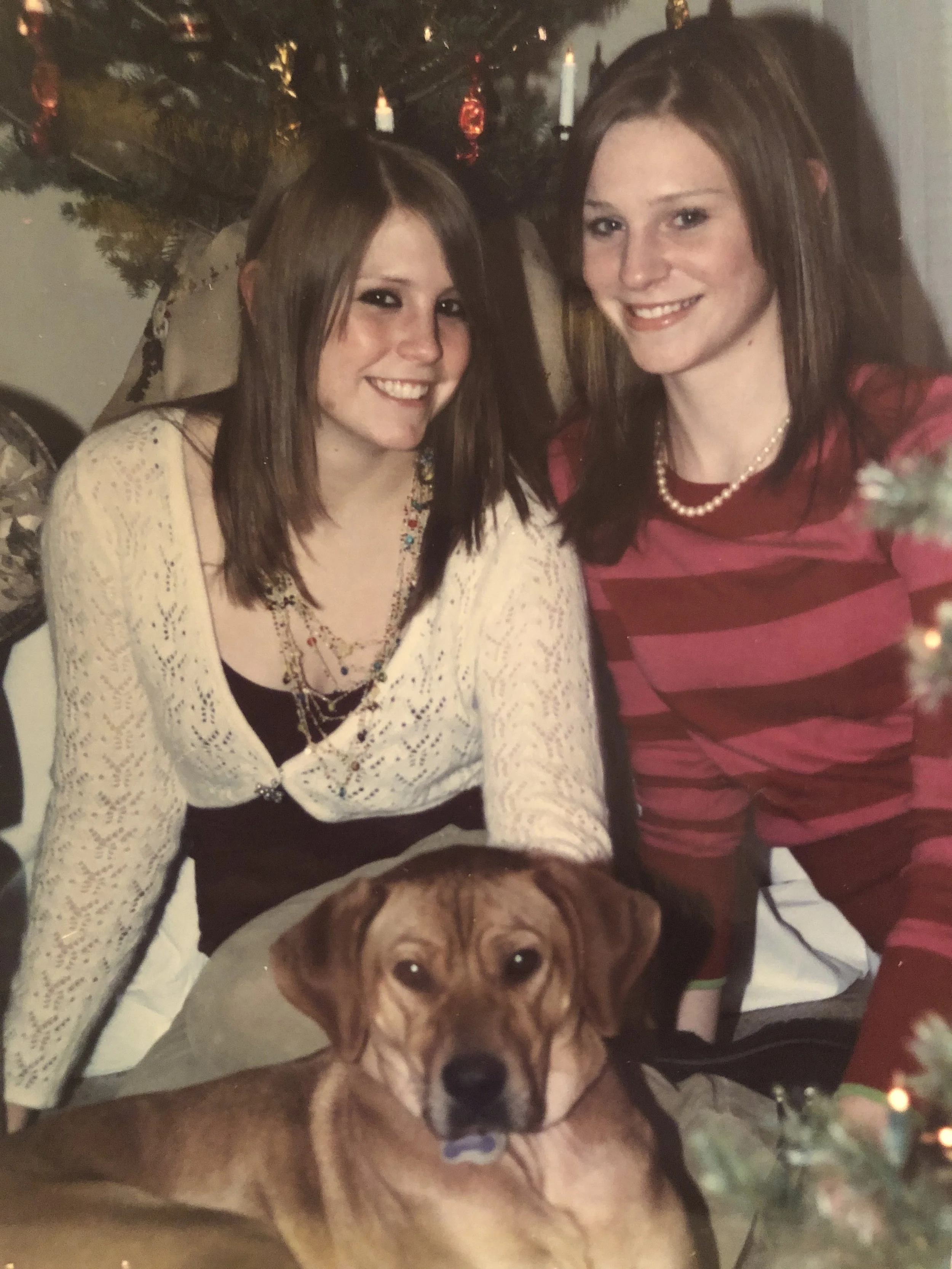
They took a day to consider everything and, since Jenn’s grandfather had just passed and they were also in the midst of funeral preparations, decided it was best to say goodbye to Riley before things got worse.
“He walked into the clinic and was acting more like himself again. It made it a million times harder to make that decision, but the goodbye for him was peaceful, it was dignified, it was on our terms, it gave us that sense of control.
He got to have walks in the woods, he got Arby's roast beef sandwiches, he got Reese's Cups, and he got to go peacefully at home, sitting in my mom's lap with his head in my hands.”
A much-needed shift in caring for pets
“I heard about hospice and palliative care, and I thought, ‘I would be good at doing that.’ It really resonated with me… I knew I would enjoy being there to support the people through that time.”
Going into general practice first, Jenn was able to gain experience helping pets through all kinds of visits, from routine check ups to euthanasia.
A specific appointment stood out to her during this time, where someone had specifically requested her for their euthanasia appointment.
The odd thing was, Jenn had never seen this pet before. She didn’t know these people.
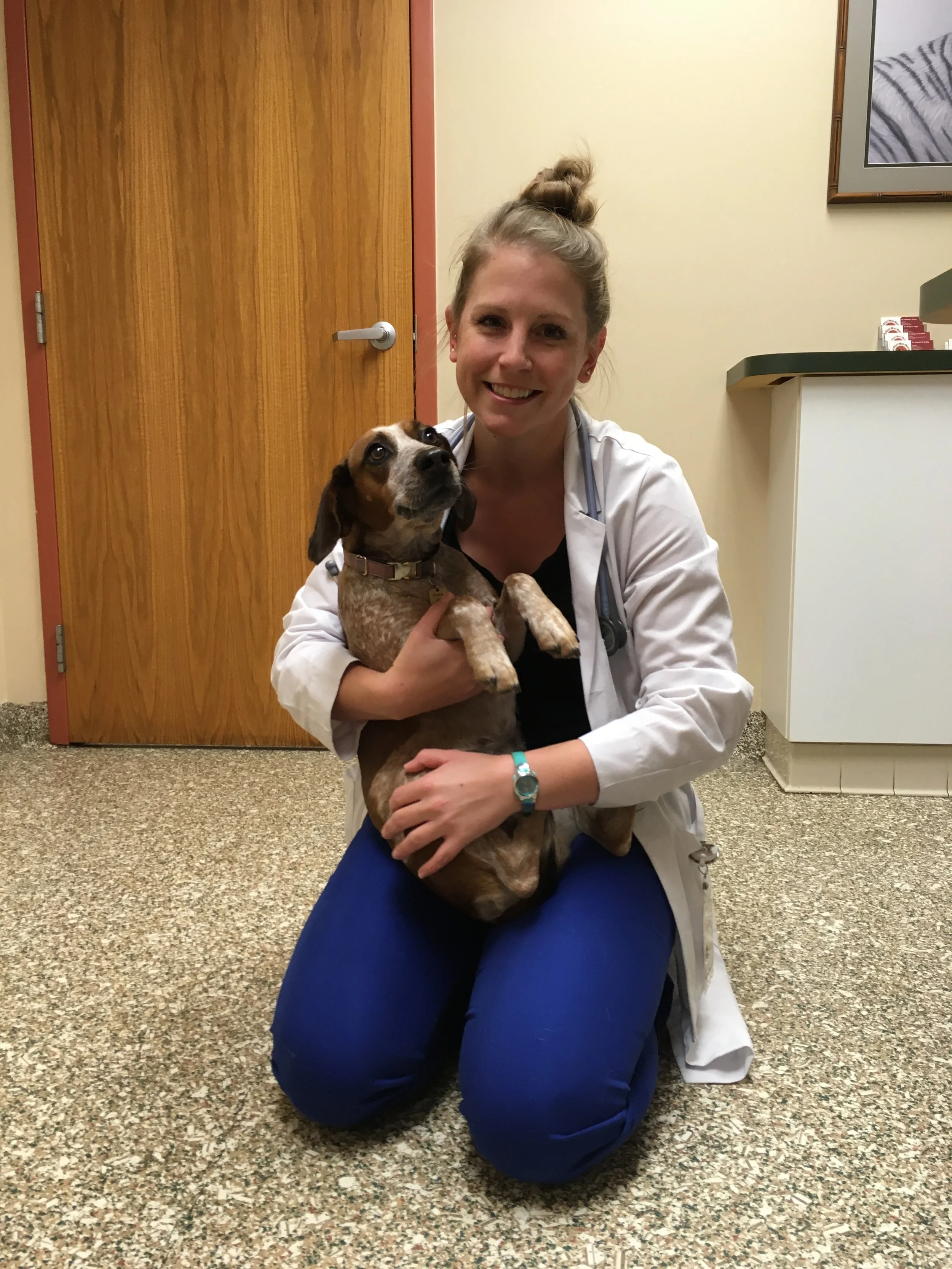
When she met them, the woman immediately shared, “I saw your picture on the website, and you had such compassion in your eyes. I knew you had to be the person to help us with this.”
That same day, she got an email–an offer letter to work for a company that focused on in-home, end-of-life-care.
Making the shift felt right. But it also opened her eyes to something that was missing.
“It was very medical-focused, very pet-focused with emotional support. The owner was kind of second. I just imagined myself leaving that appointment, and then the floodgates would just open for the owner: questions, thoughts, concerns, fears… all this stuff.”
After about two years of working with that company, she decided to do things a little differently.
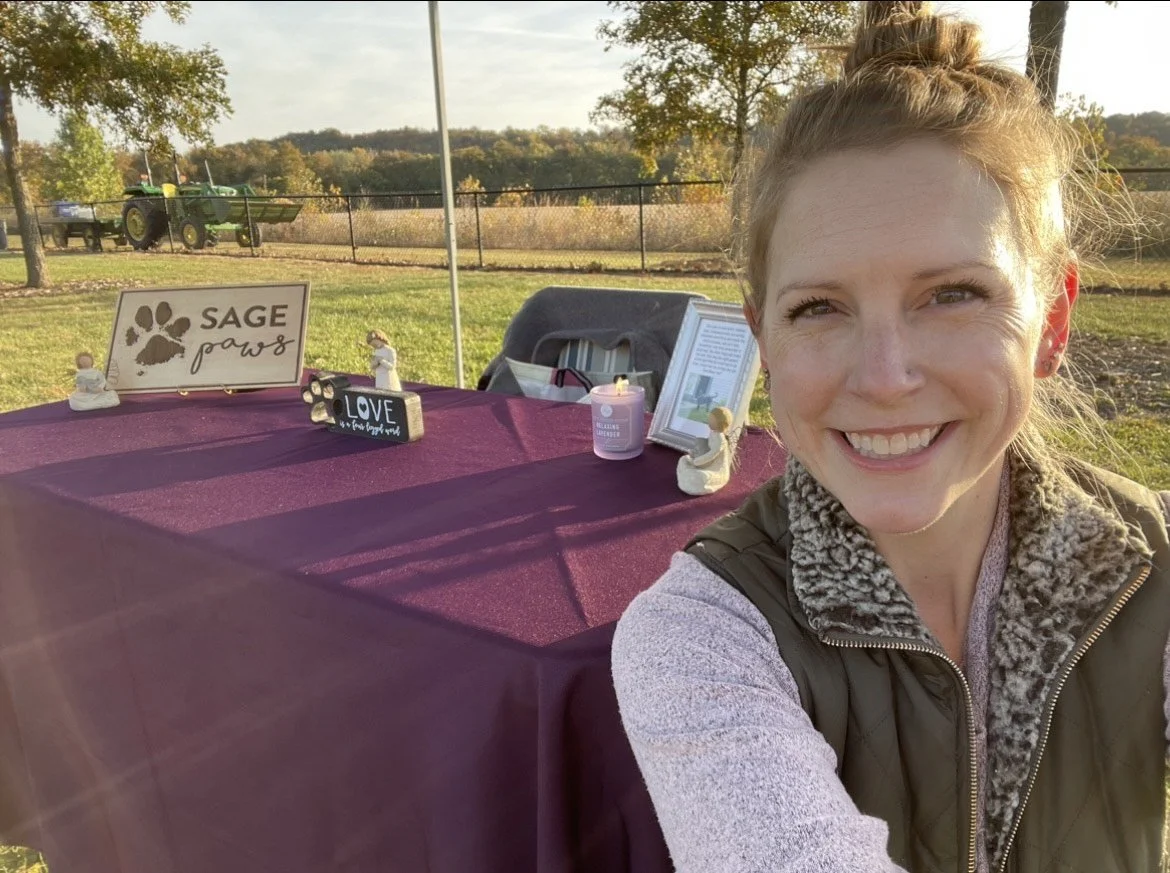
Founding Sage Paws, she wanted to give pet parents that safe, compassionate, empathetic space to unpack all of the emotions that came up.
It would be a place where they felt seen and supported, something that became more apparent to Jenn after yet another loss.
Her husband’s dog, Luke, ended up with a malignant tumor. It was determined two rounds of chemo would do the trick.
But before the second treatment, his health reclined rapidly. The tumor was bleeding and his time was running out.
“As hard as that situation was, it couldn't have gone better in certain ways. We had talked about a lot of this stuff beforehand and had made certains decisions… Which made everything so much easier than if we had not talked about it.”
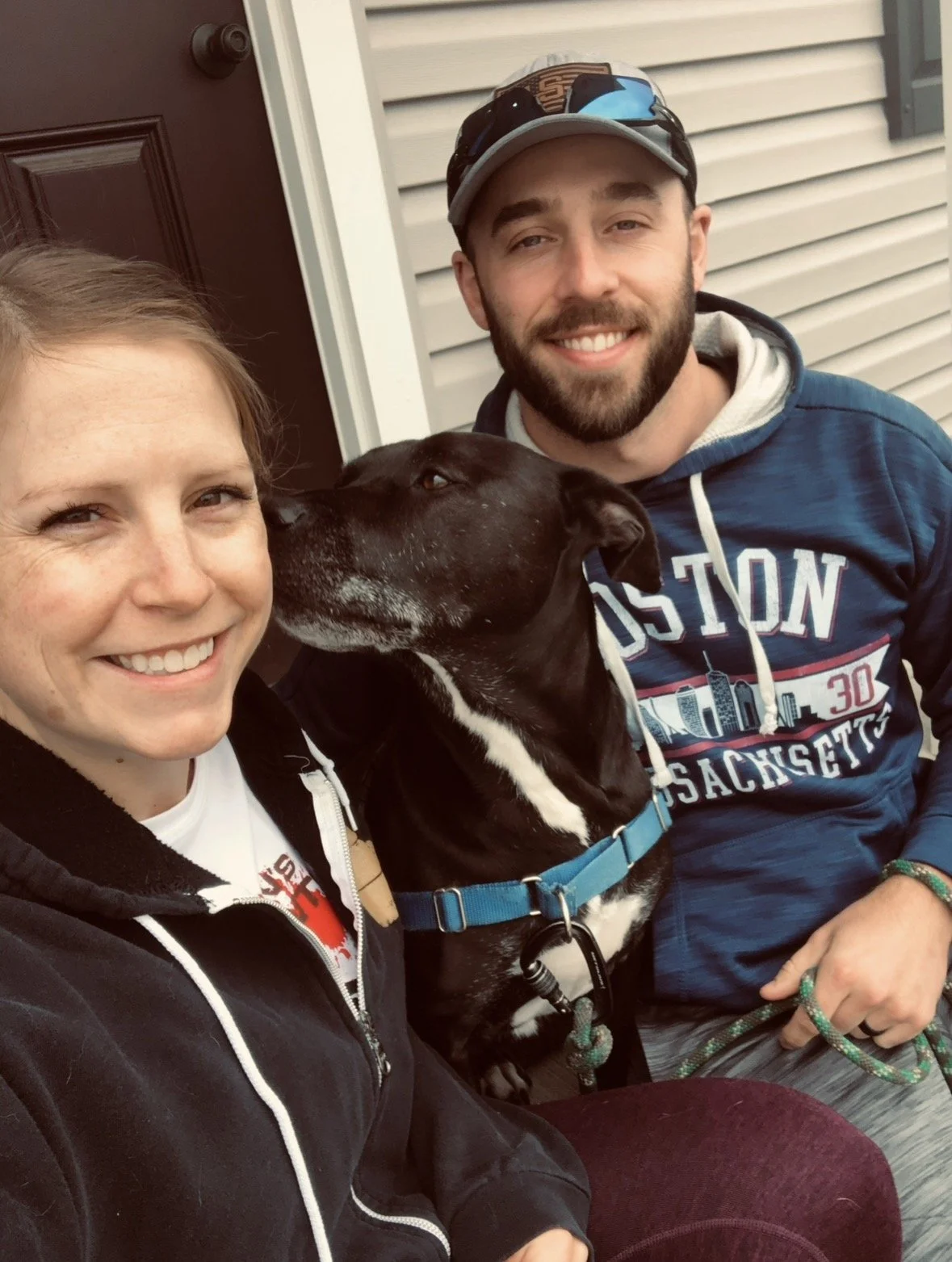
Luke spent his last day filled with love, and lots of chocolate.
And because of this experience, Jenn realized the support she offered could be even more complete: helping people create an end-of-life plan and think about the hard stuff before the crisis or before the end.
Allowing the feelings that come up
“The biggest question I get is, ‘How will I know when it's time?’ There's a lot of advice out there saying, ‘oh, you'll know,’ but then there's no guidance, or criteria… And so that amplifies this fear and this anxiety of, how do you actually know?”
As our pets get older or experience health issues, a whole bunch of emotions and feelings can swarm our minds.
And in many cases, these feelings of sadness, anxiety, or fear can start to affect us, even while our pet is still here.
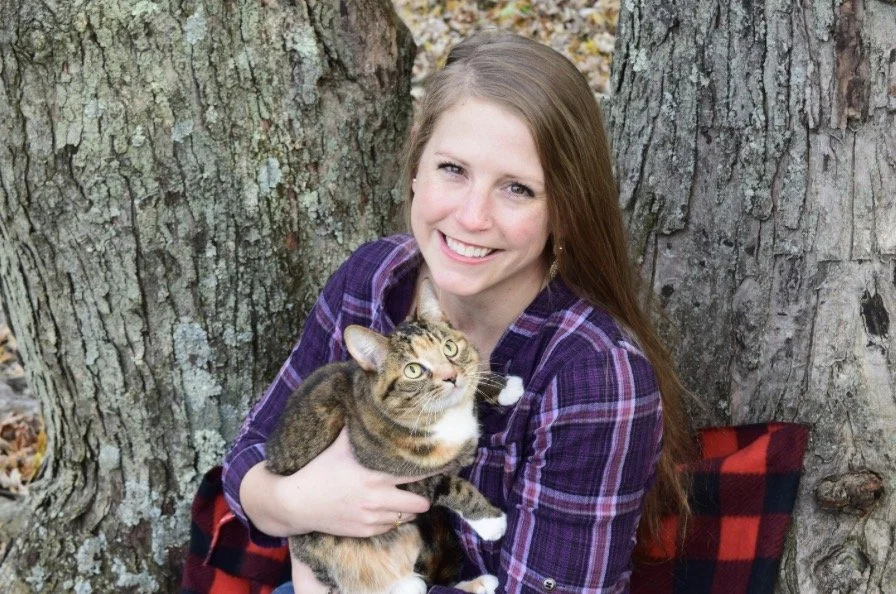
Focusing on things like anticipatory grief, the grief you feel before loss occurs, Jenn helps them work through these complex emotions so they can still be present for their pets.
Even just knowing that these experiences are not “weird” and that others feel them too helps pet parents feel a little more at ease.
As humans, we like certainty. We like to feel in control.
By thinking of the end now, we can take some of that back in the moments where life seems to have other plans.
An exercise Jenn finds to be particularly useful is this:
Imagine you have three months to live. Yes, you (not your pet!).
Think about what’s important to you.
What do you want in the “end?”
What will you make time for?
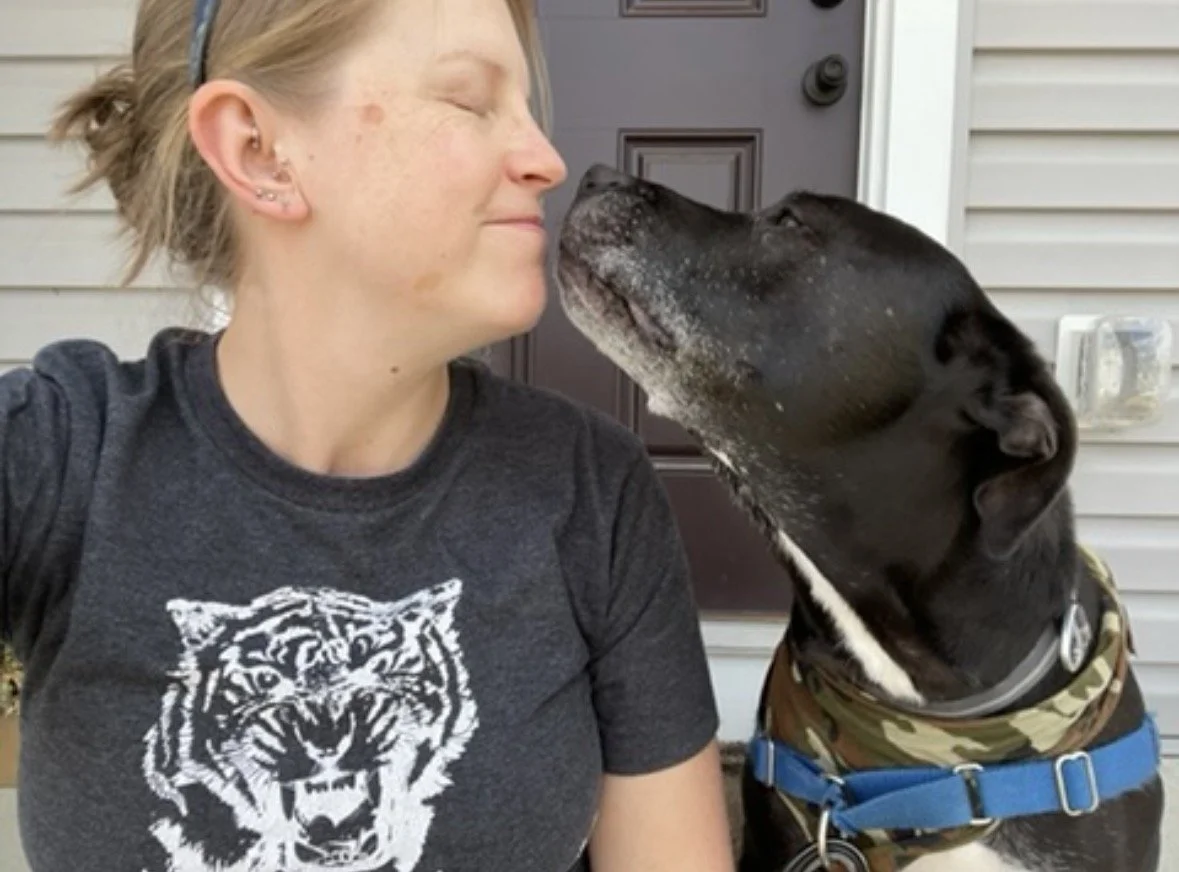
Asking ourselves these deep, sometimes scary, questions helps us think more consciously about the time we have and how we want to show up.
It helps us become aware of the end, and also, the fact that we don’t know when “the end” will be.
Then, we can reflect on what we uncovered and see how we can incorporate that into the life we have with our pets…
And make a plan that feels right for when their end ultimately arrives.
Working on us to be there for them
“Instead of being paralyzed in fear, not knowing what to do, it’s like, ‘Okay, I have these tools I can fall back on. I have this quality of life scale, this pain scale… I have pre-planning questions I can think about.’
Because Jenn incorporates aspects of life coaching into the support she provides, she often finds that her clients experience profound moments they weren’t expecting.
They might think they’re just feeling sad about the potential loss of their pet, but they could really be working through something deeper.
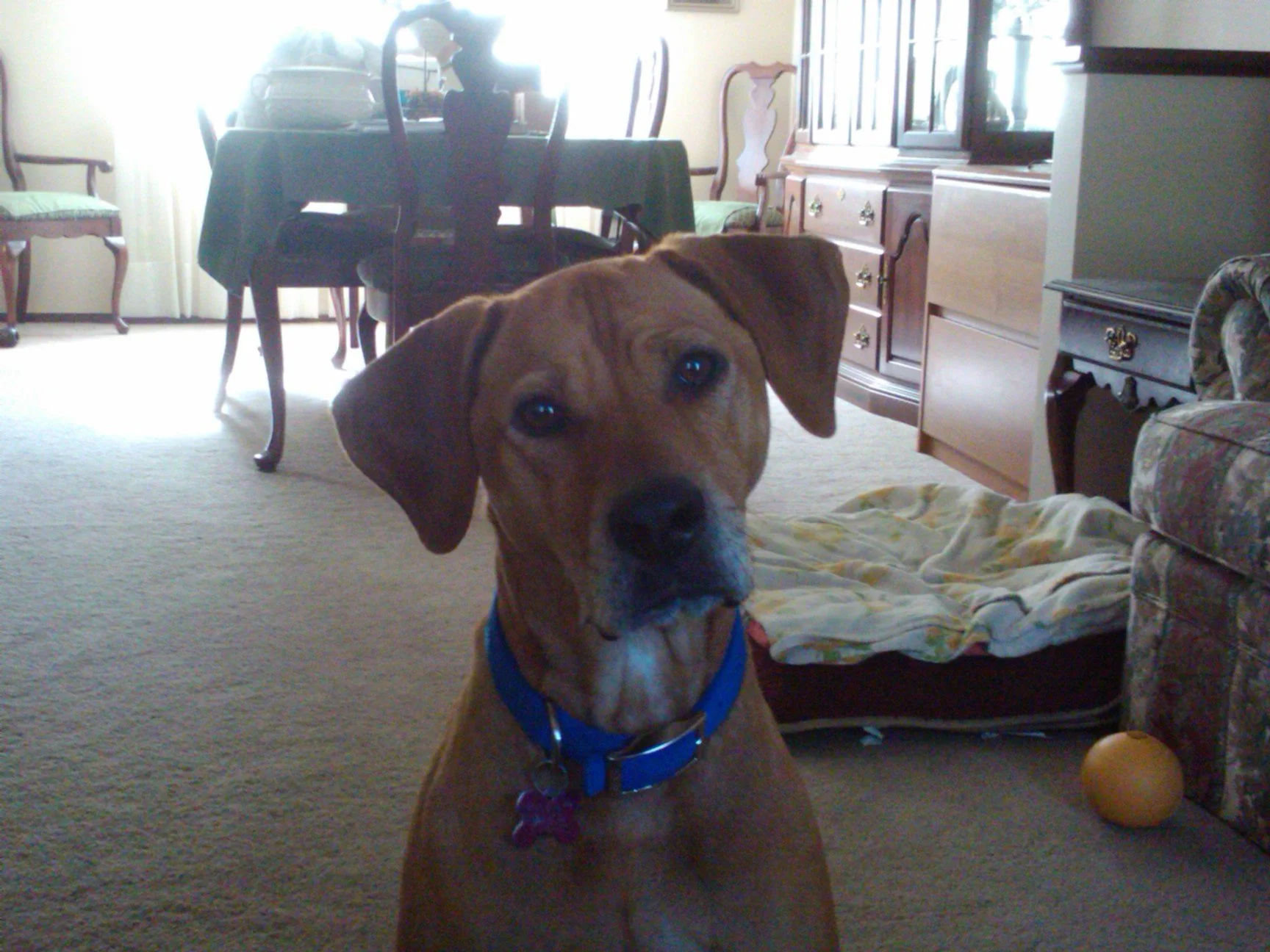
The way we struggle with expressing emotion can go back to childhood…
Maybe we didn’t have a safe space to experience emotions, or we were told certain emotions weren’t “allowed.”
“Then, you're in this adult body and you're feeling these grief emotions, and you don't have the language around it, you don't have the tools to work through it...
We try to push away all this other stuff, but ‘what we resist persists.’”
Jenn becomes the safe space people need to truly feel, to mourn or express the grief they’ve been holding onto.
And allowing ourselves to feel is the way through grief.
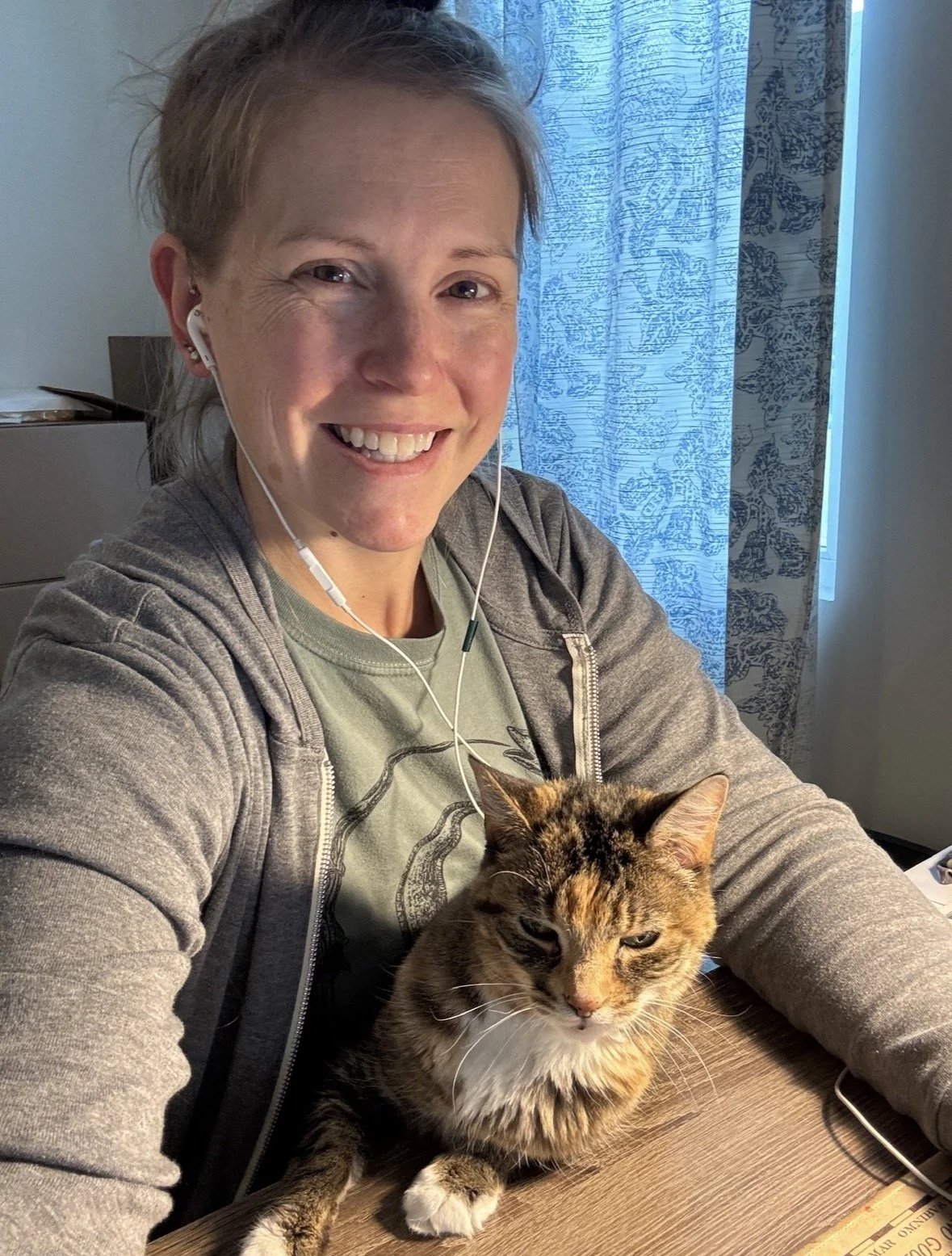
It also welcomes more mindfulness, noticing what’s showing up in our bodies and in our minds.
People can then be more present, and that, in turn, pours into their pets
Instead of focusing on what’s to come with a sense of urgency or fear, we can know what’s coming and use that to bring us back to being here with our pets, now.
We can work on spending intentional moments with them, filling their lives with what they need to feel safe, happy, and loved.
And when the time does come? The grief becomes part of our story.
“We’re not going to get rid of it, but it’s going to change shape. We’re going to grow around it and it’s going to integrate into our lives. Everybody’s journey is different… We don’t know when it’ll happen, but it will.”
Supporting everyone by preparing now
“You can create that ending that you want for them and feel this peace. Yes, there's going to be sadness, but to create that beautiful, dignified ending on your terms as much as possible can help decrease the fear around it… It helps you take that sense of power and control back, and have the most meaningful ending.”
To Jenn, it’s important to remember that there’s not a one-size-fits-all approach to situations like this.
Everyone’s life and circumstances are different, and that all gets taken into account when creating the “perfect” plan for a pet’s final moments.
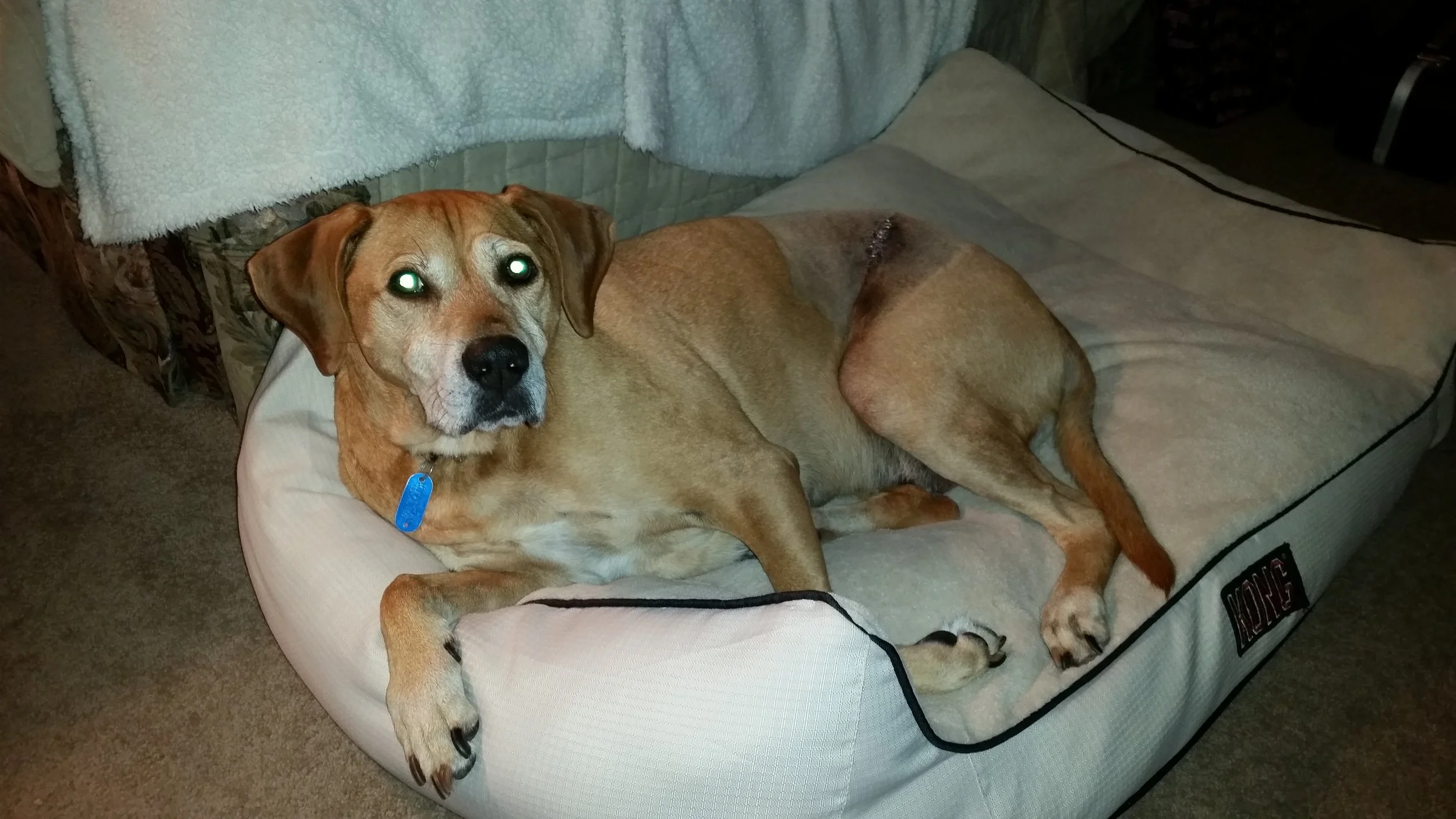
And not only does the pet’s well-being matter, but ours as pet parents does too.
“You're the caregiver. There can be so much caregiver burnout and fatigue that is unnamed, but deeply felt and carried invisibly… and having this plan is almost a form of self-care for you, too.”
Preparing for a pet’s end of life is one thing, but what if something unexpectedly happens to you?
If you had to step away for a few days, would someone know exactly what to do to keep them happy and safe?
If something happened, could someone confidently step in and take your place?
Putting a Cotl plan in place ensures your pet is taken care of, just the way they’re used to, no matter.
Discover how the process works or book a call directly with Sean, our founder and CEO, to see what a plan could look like for you.
