
💪 Should family dogs have workout routines?
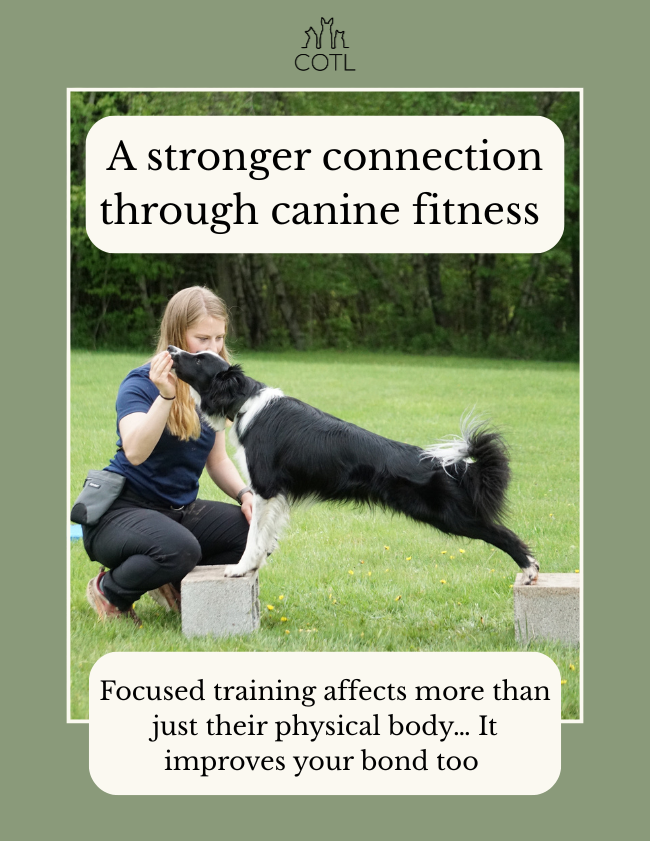
Throughout any given day, our dogs are met with some pretty great opportunities for exercise.
Whether they’re chasing squirrels in the backyard, going on nice long walks, or enjoying a playdate with their buddies, they’re likely not sitting still for too long.
But is the exercise they get during these daily activities enough?
While walking and running are important, they don’t require a dog to move their bodies in every way possible.
By targeting all the areas of the body, however, we can positively affect their physical and mental well-being.
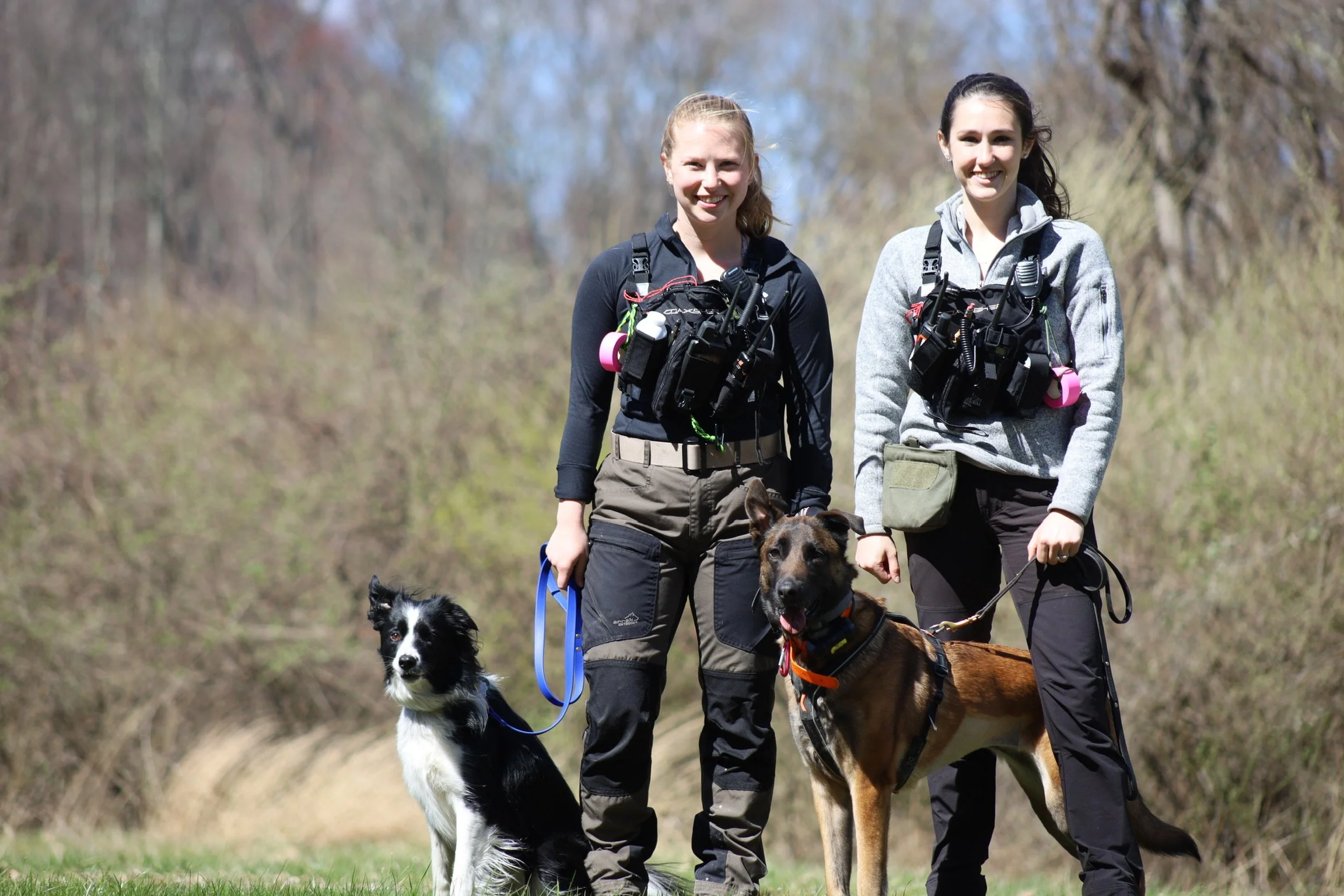
Julianna (Jules) King, VMD, CSCC (Canine Strength and Conditioning Coach) and Kristina Opalecky, VMD, CCAS (Certified Canine Athlete Specialist–Founders of Performance Unleashed–saw this firsthand as they began working with their own dogs.
And by combining the experience from their own athletic training backgrounds with the knowledge they gained in vet school…
They came up with the perfect solution to address dogs’ health and longevity.
Combining their love for dogs and athleticism
“Jules and I are both in the working dog space… Our fitness as handlers and also search and rescue personnel, in addition to our dogs’ fitness, directly impacts us literally finding people… It makes a difference in more than just health in these instances.” - Kristina
Kristina and Jules didn’t meet until vet school, but their childhoods were shockingly similar.
Both were involved in sports at a young age, played in college, and prioritized their own health by staying active, eating well, and regularly training their bodies.
Even when they enjoyed activities outside of competitive sports, like hiking or biking, they noticed how their more formal training made these moments more enjoyable.
This is where their dogs come in.
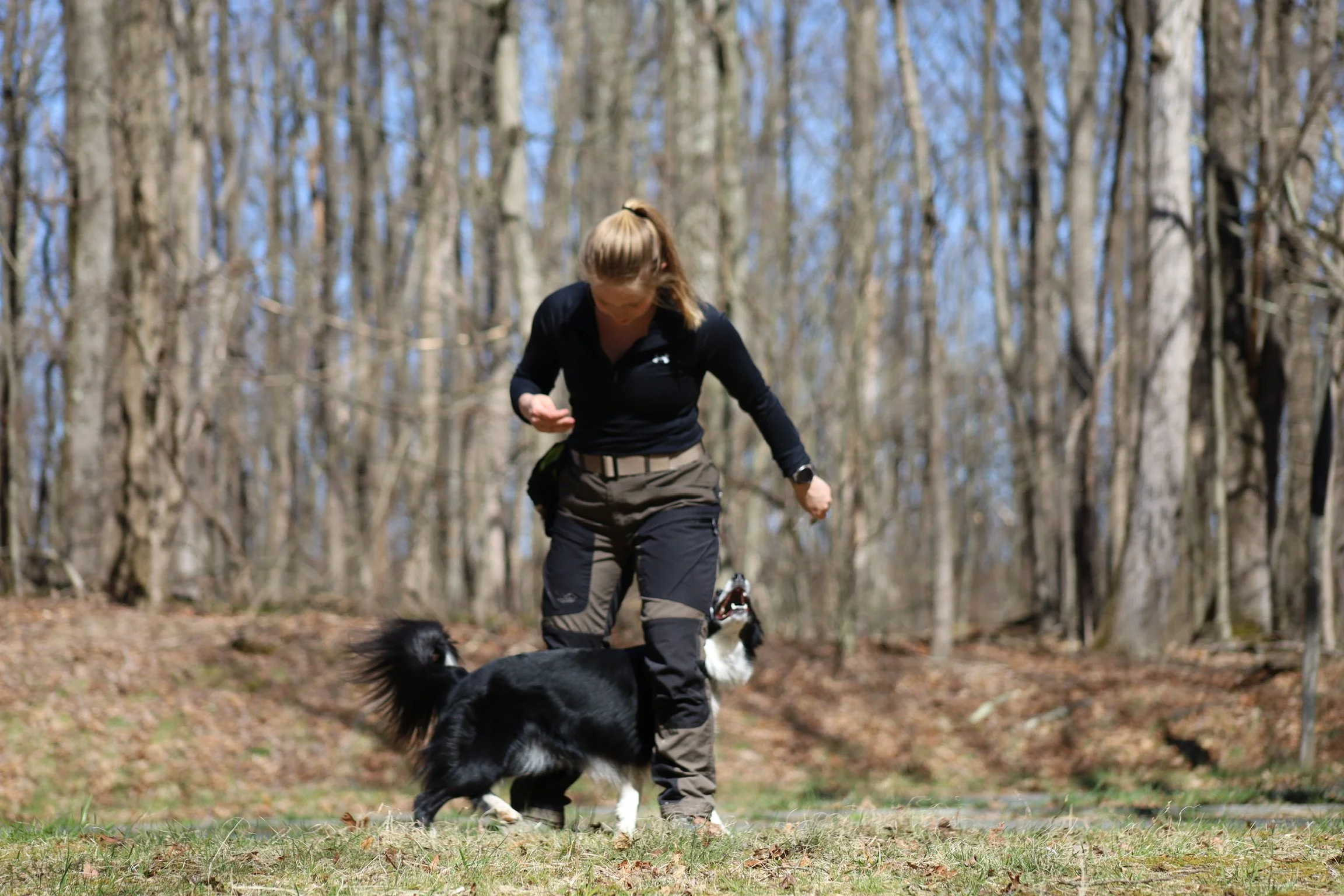
“I was running a lot and spending a lot of time on trails in the woods… I wanted a dog to basically be my training partner, and to help me feel more safe.” - Kristina
They both adopted their dogs while in college, not realizing it would be a pivotal decision in how they viewed vet medicine.
Being athletes themselves, and now expecting the same endurance and stamina from their pet partners, it started to click that the pups could benefit from some more targeted training as well.
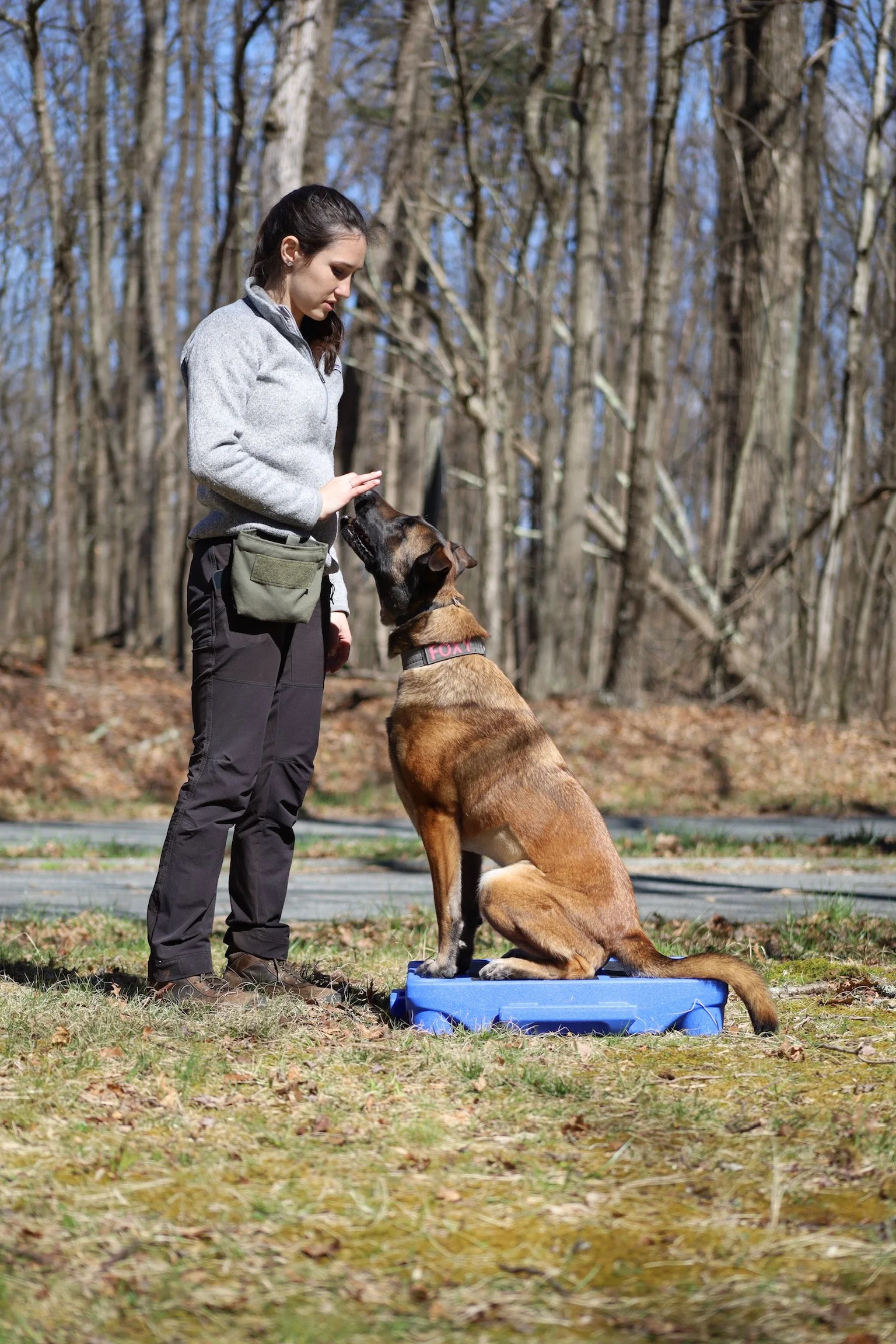
“When we got our dogs, we knew we wanted to be active with them. We knew we wanted them to partake in all those parts of our life. I think it was kind of like, “This is who I am and this is my way of continuing being an athlete’ and I’m now transferring that to my dogs.” - Jules
A hands-on approach canine fitness
“We try everything with our own dogs first before we push it out to other people, mostly for demonstration purposes first, but also to see how it works…
I think something that we've learned is you can't teach people unless you're doing it yourself first. There's been so many nuances in communication between the dogs that I think our dogs have changed the way that we think about it for other people.” -Jules
Jules and Kristina started taking what they learned in school, paired with what they knew from their own personal training, to come up with exercises they could do with their dogs.
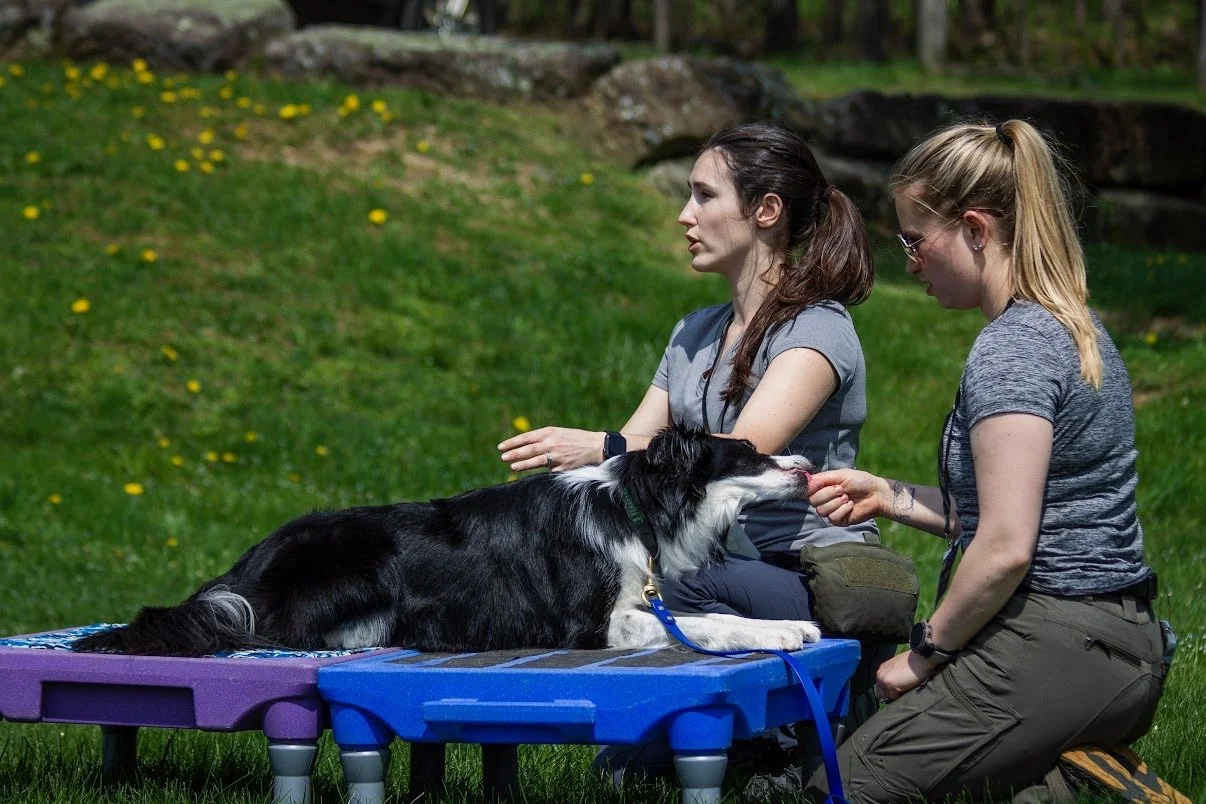
Trial and error helped them figure out what works, and what doesn’t… As well as how they can vary the difficulty of a given exercise so it’s exactly what a dog needs.
During these sessions, they also started to realize how important the bond is between dog and handler.
Each dog responds differently to commands, depending on who’s working with them, and that can make training more challenging.
“It's given us a real appreciation for dealing with a lot of different dog personalities, the over-aroused, the under-aroused, the one who's just disengaged…
We love them all, they've given us a really wide range of experiences to play with first and then that helps us coach other people.” - Jules
Knowing when to push and when to take a break
“Working with our own four dogs has taught us a lot about reading their body language and how to assess fatigue versus frustration. You’re also trying to find that edge of where to push them so that we're actually creating fitness.” - Kristina
Like humans, every dog is different. Personality, preferences, abilities… There’s truly no “one size fits all” approach when it comes to working with them.
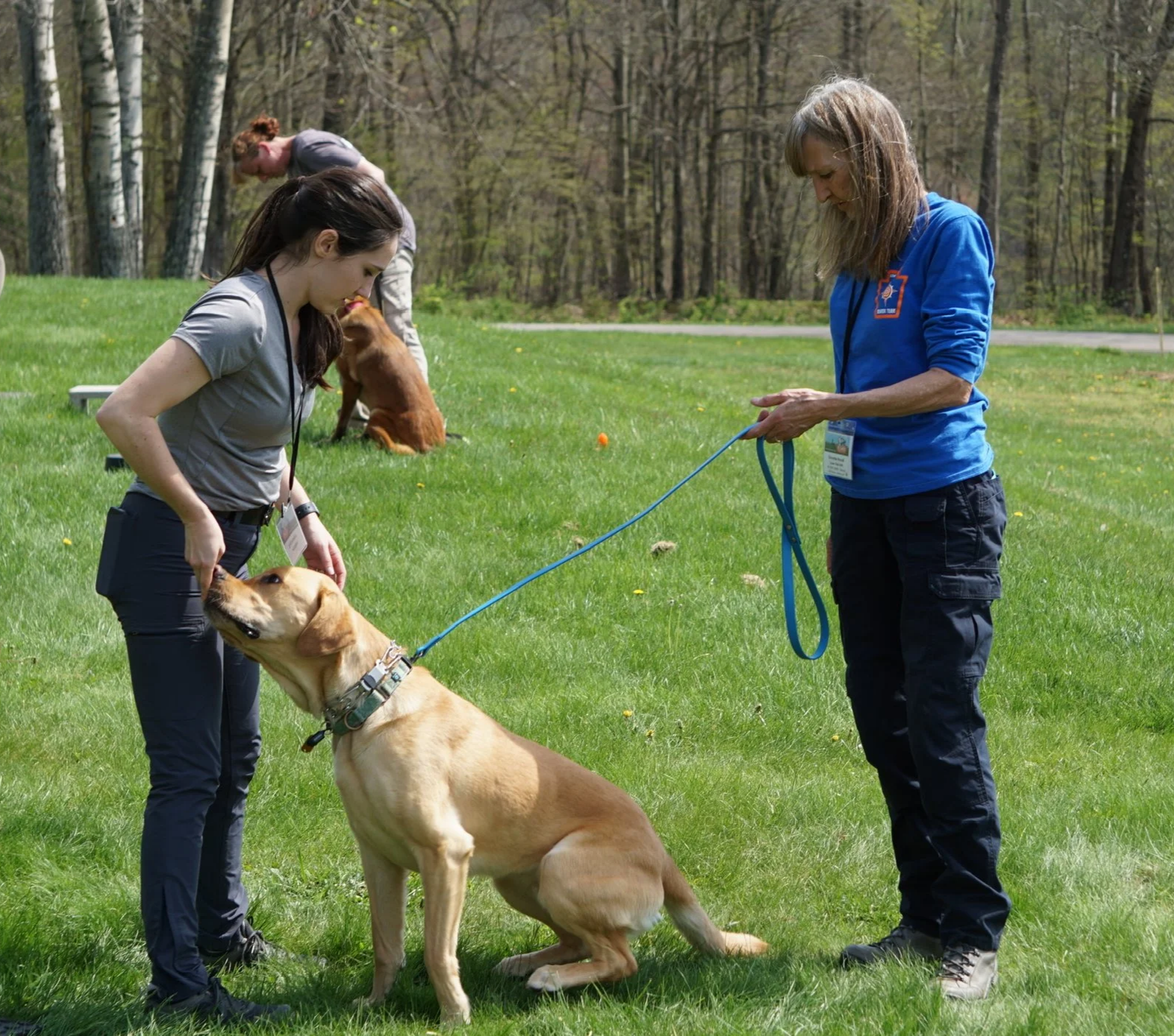
That’s why they take the time to know each dog on a personal level. The way they train will be determined by what the dog tells them.
Starting with the foundations, they help the dog understand how to stand in good posture. From there, the dog learns an exercise and how to perform it correctly.
Once they can complete all their sets with ease, they can progress.
“If they're getting frustrated or fatigued throughout their sets of reps, then that's when we’re either going to make it easier, decrease the reps a little bit, or try something else. Then we try again, and see if we can go from there.” - Jules
But how do we know if our dog is tired or bored? Or if they’re truly fatigued?
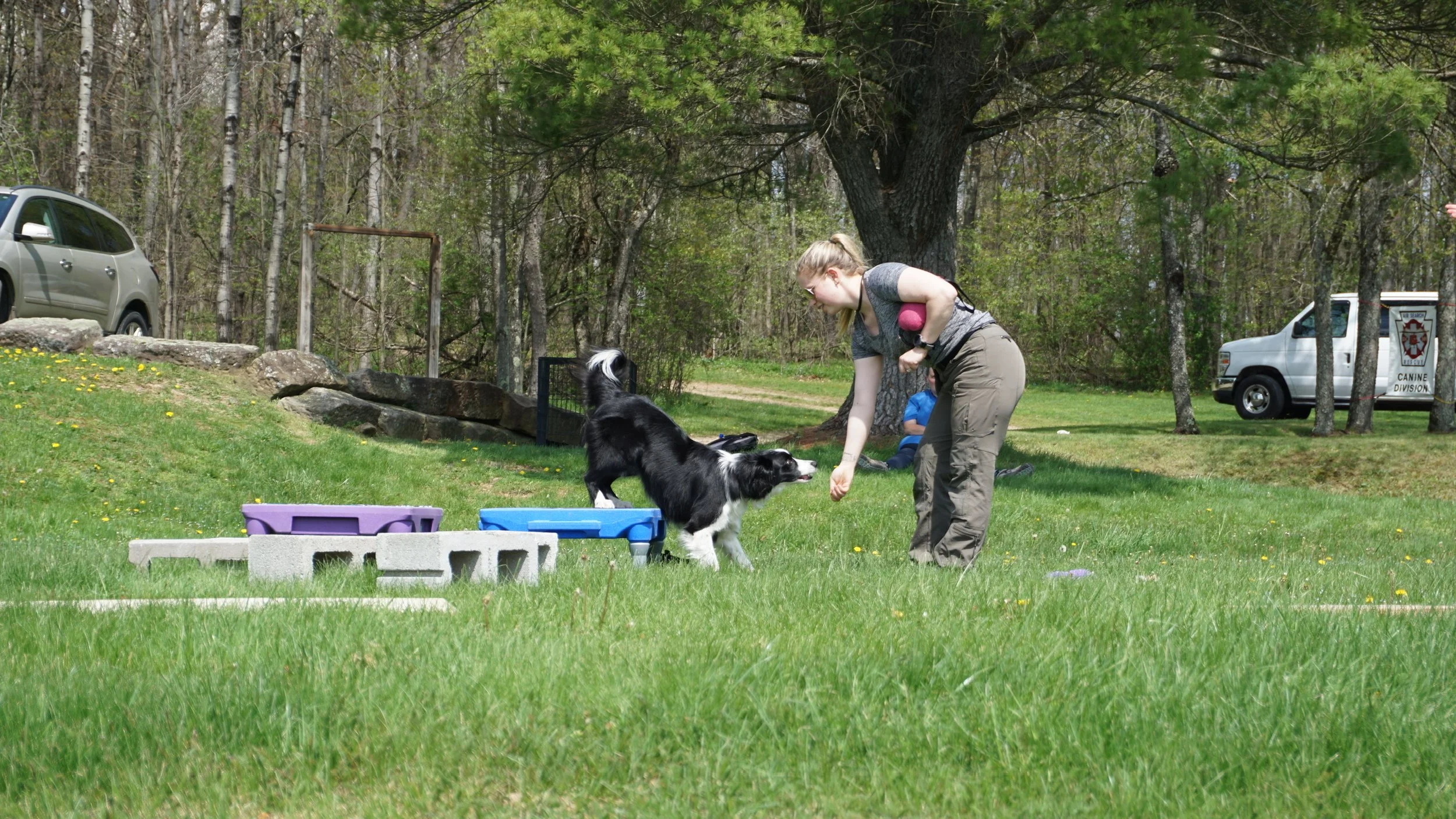
This is where knowing each dog is important. For example, Jules’ dog will start barking and offering random behaviors when she’s frustrated or tired. Kristina’s will remove herself and go lay down.
Working regular rest periods into training is also important, instead of constantly pushing harder.
This helps prevent the dogs from feeling overloaded, and keeps them engaged and enjoying the training too.
And yes, they do enjoy it!
“Anytime I go get my bin of equipment, she gets very excited, so I take that as she loves it! If I have equipment out, and she thinks that we might be using it, she's standing on it, ready to go.” - Jules
“Summit will let me know if she's not having fun, for sure. Most of the time, she is coming back and she's offering behaviors, looking to me for what to do next.” - Kristina
Why running around isn’t always enough
Whether a dog is a companion, a working dog, or a sporting dog, they can all benefit from targeted training.
“They might not be moving every muscle group and every plane of motion. For example, just because someone’s a runner doesn't mean they’re activating their glutes properly, or they’re ever using their arms. Training helps make a well-rounded athlete, and then we can prevent injuries too. Strong muscles support the joints…And it’s the same in dogs.” - Kristina
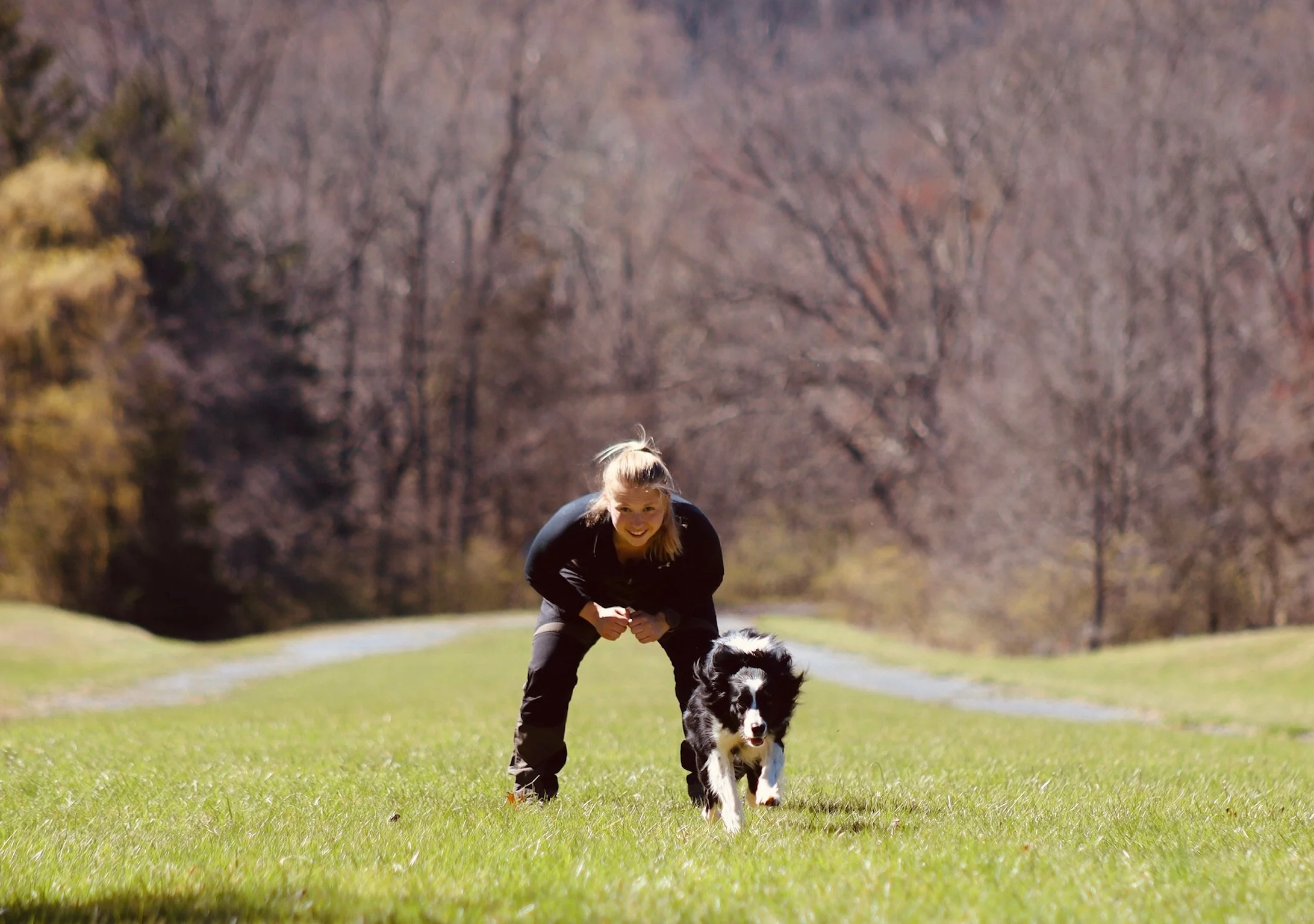
While dogs do a lot of “endurance training” on their own, their normal activities lack focus in certain areas: strength, power, flexibility, and proprioception.
Canine conditioning takes all these into consideration, so dogs move through life with more ease and control.
It helps them be more agile as they’re running or playing. It helps them brace their body when they land after catching a ball mid-air. If a dog slips, they can better stabilize themselves.
“This supports their body as they get older. We’re going to ward off arthritis, improve mobility and range of motion, and keep them mobile for longer. Mobility in veterinary medicine is the biggest determinant of quality of life…
If we can keep them mobile for longer, if we can keep them at a nice lean weight, if we can keep arthritis delayed in their bodies, then that has benefits to the owner as well.” - Jules
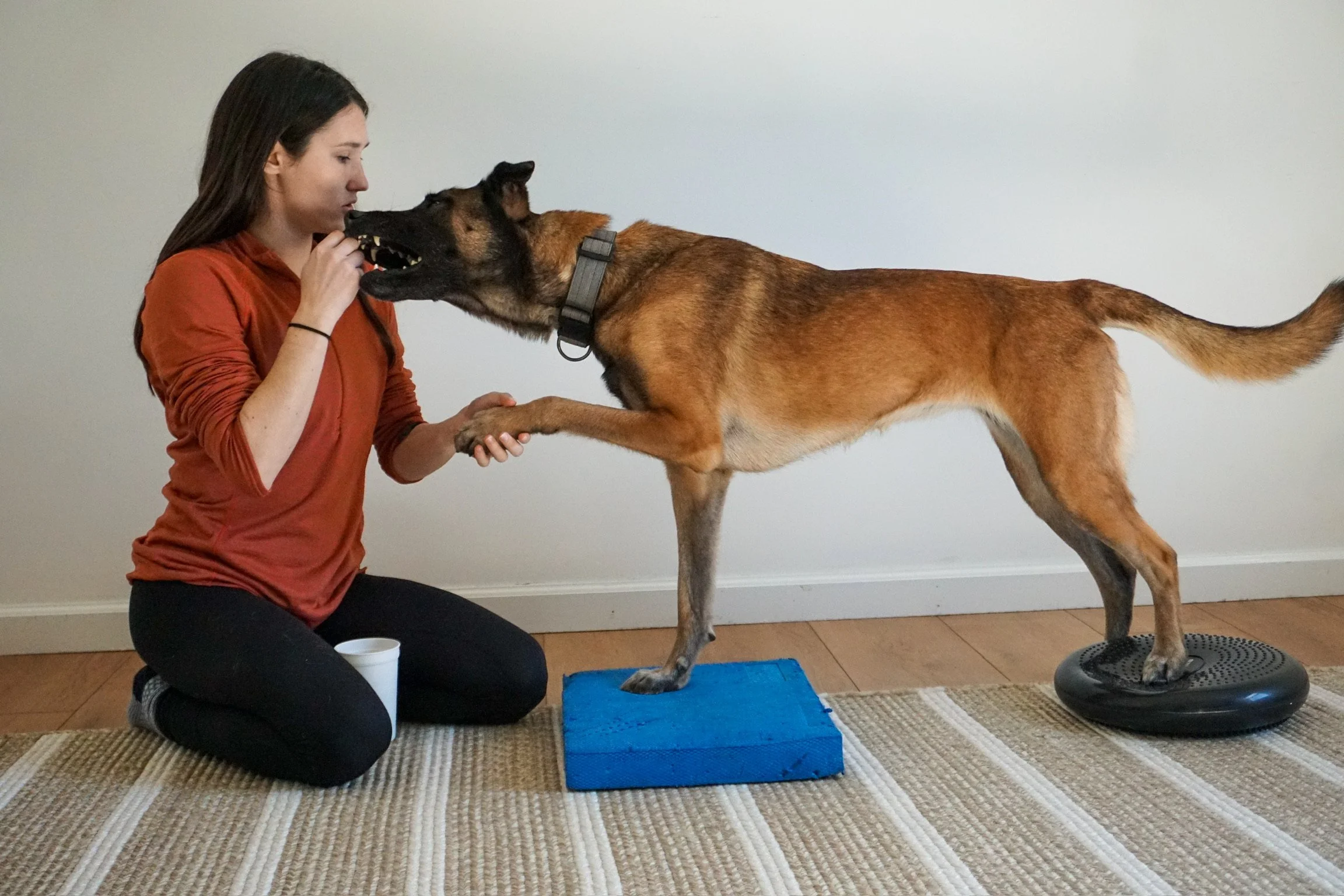
But this training does more than just benefit a dog physically, it helps keep their mind and cognition sharp too.
Each exercise takes patience, repetition, and focus. Dogs are positively rewarded, of course!
Throughout training, they learn where each of their legs are in space and how to consciously move each one independently. Movements are precise and controlled, and they get immediate feedback when they’ve done something “right.”
These moments present great opportunities for the dog and owner (or handler) to practice clear communication, which then strengthens their bond even more.
A stronger connection through fitness training
“The bond is arguably the best part. This is time with you and your dog. You are problem-solving together, you're figuring it out, you are building that communication system. Most of it is nonverbal once you get past the basics…
And then there’s this sense of overwhelming pride that you feel when you finally get something and you accomplish it together.” - Jules
Working so closely with your dog and guiding them through precise exercises with the help of a trainer puts you in a unique position.
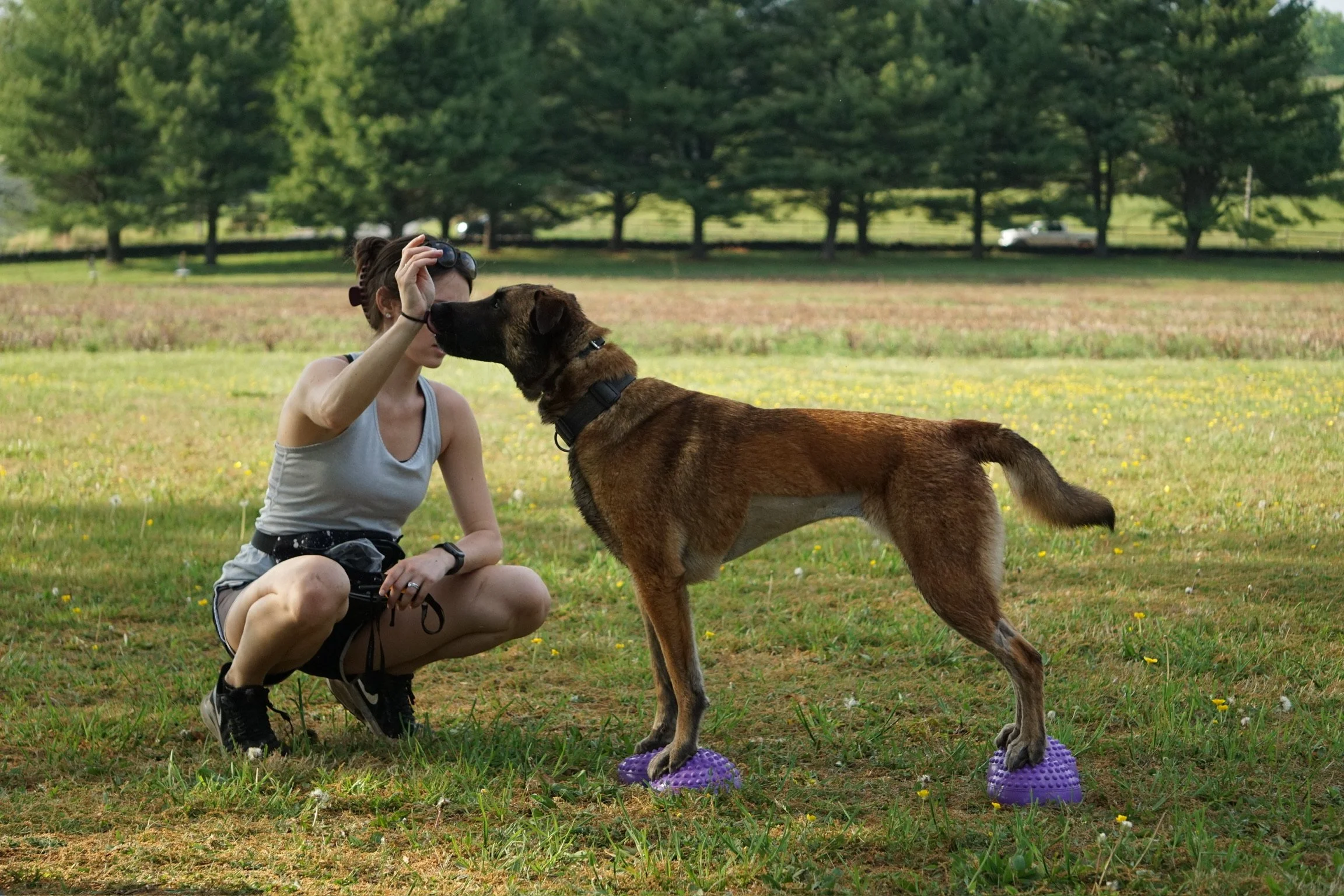
Here, the time you spend with your dog is very intentional. There’s a goal you’re both working toward, but it takes persistence, dedication, and strong communication to get there.
But the training also presents an opportunity they won’t get during their daily, everyday life.
Training puts the focus on you, the human.
“They're just so much more engaged with you everywhere else, even outside of training, because you've built that positive relationship. I just feel like you feel so much more in tune with them.” - Kristina
During a walk, for example, you’re spending time together… But your dog is smelling the environment, looking at squirrels, and processing a million other things as they walk by.
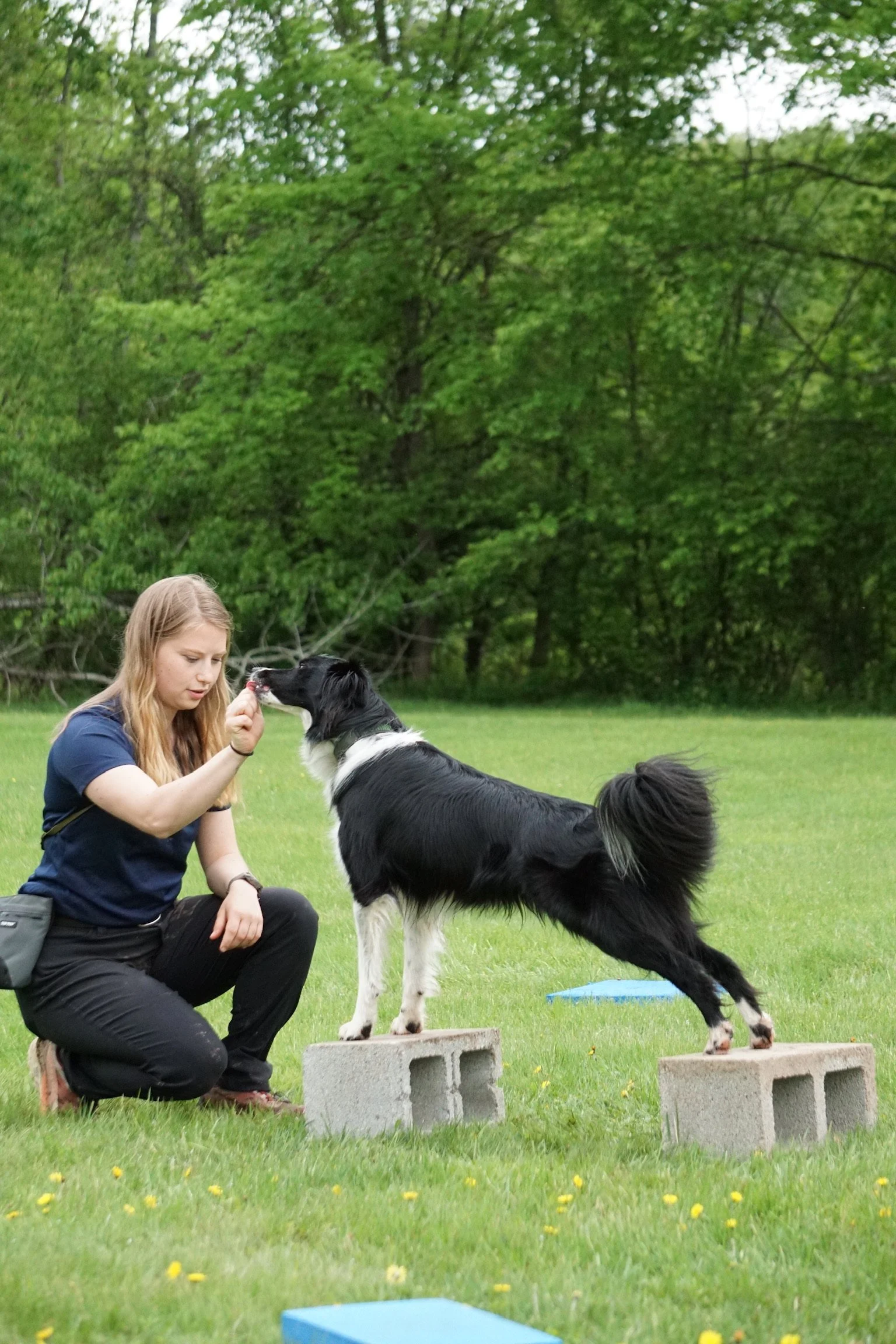
In training, it’s just you and your dog. They wait for a command, they do it, they get rewarded.
But also, you’re more focused on them.
“Training is the one time when I’m actively engaging with Summit. I'm checking in with her and I'm seeing how her brain is working. I'm 100% focused on her, rather than when we're walking down the street and I might be checking my phone or looking at something too.” - Kristina
So while these exercises directly benefit their body and their ability to move through life, they also directly impact the bond you have with your dog. And isn’t that most important, in the end?
Keeping their training going
When your dog is so used to actively spending time with you, it’s one of the things that makes their life so full and enriching.
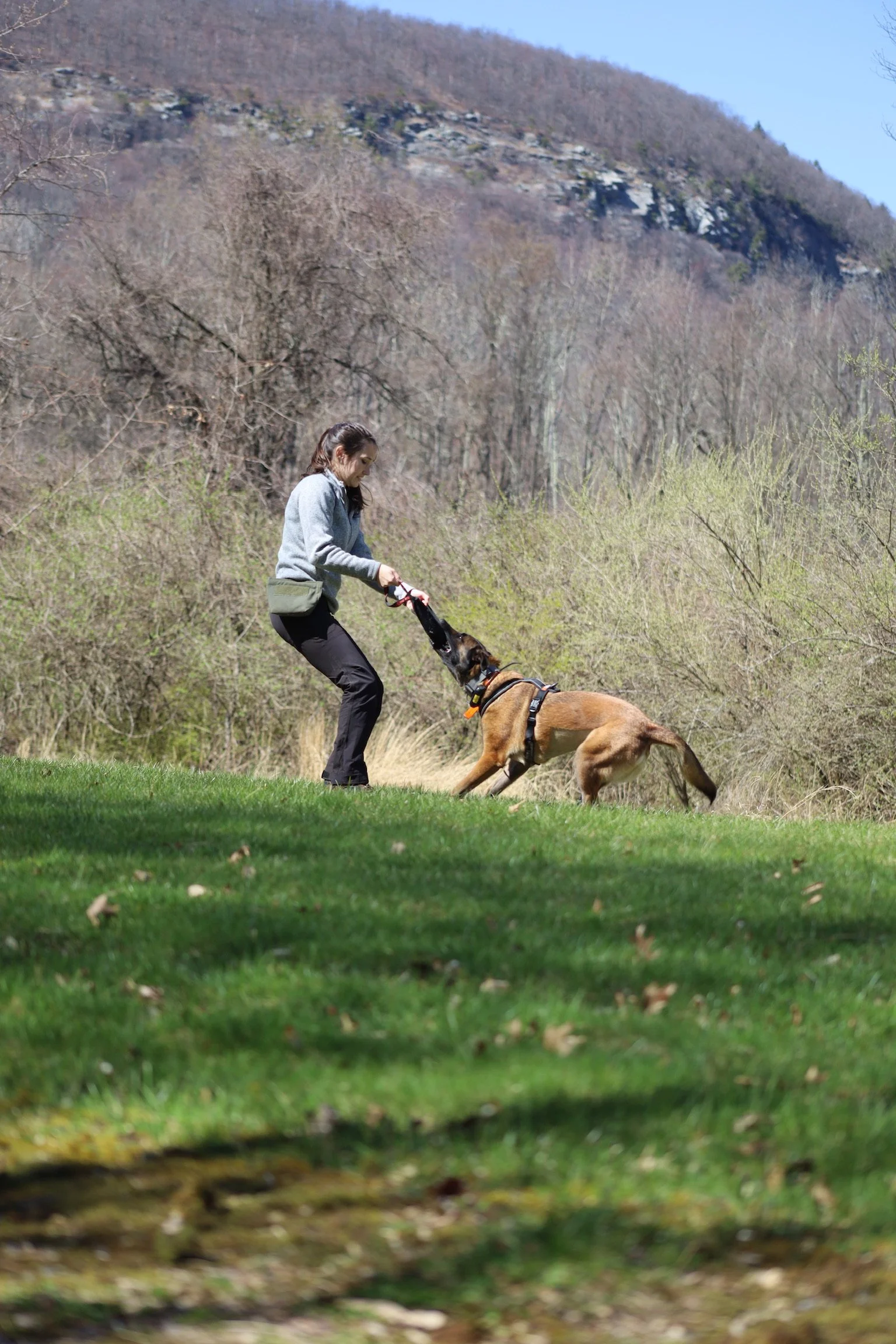
But if you had to step away for a few days, would someone know exactly what to do to keep them happy and safe?
If something happened, could someone confidently step in and take your place?
Putting a Cotl plan in place ensures your pet is taken care of, just the way they’re used to, no matter.
Discover how the process works or book a call directly with Sean, our founder and CEO, to see what a plan could look like for you.
