
🩼 Would a pet's disability change your decision to adopt them?
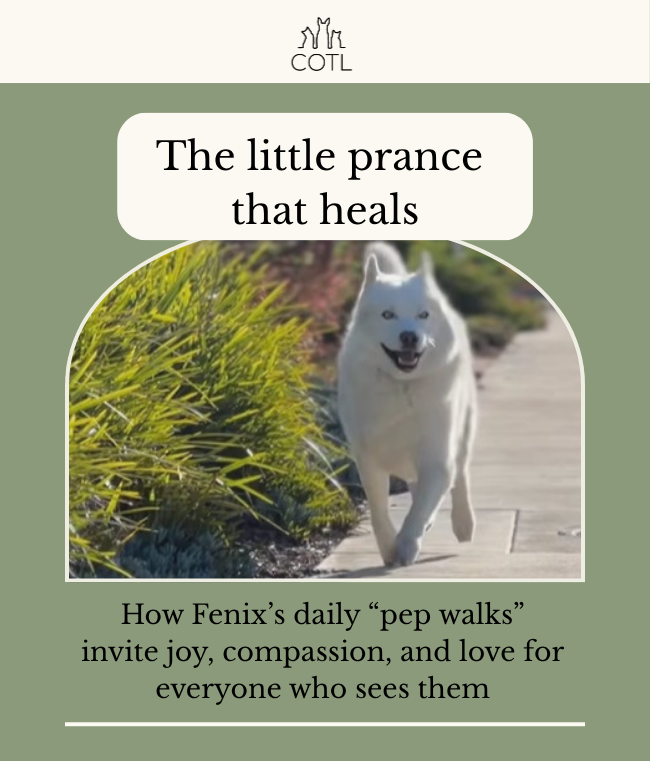
“I think it's miraculous that he is actually a shining example for what is my core belief around mental health and true healing. It’s that our challenges in life are not given to us to hold us back or to be roadblocks. Every one of our challenges, every single part of the way that we are is here to beg us into more self-love, more self-compassion.”
Many of us have experienced these moments: we see a photo of a pet who needs a home and immediately, we know they’re meant to be part of our family.
But what would you do if after seeing their photo, you learned they actually had a disability?
Would you reconsider adopting them? Would you still bring them home and adapt to their needs?
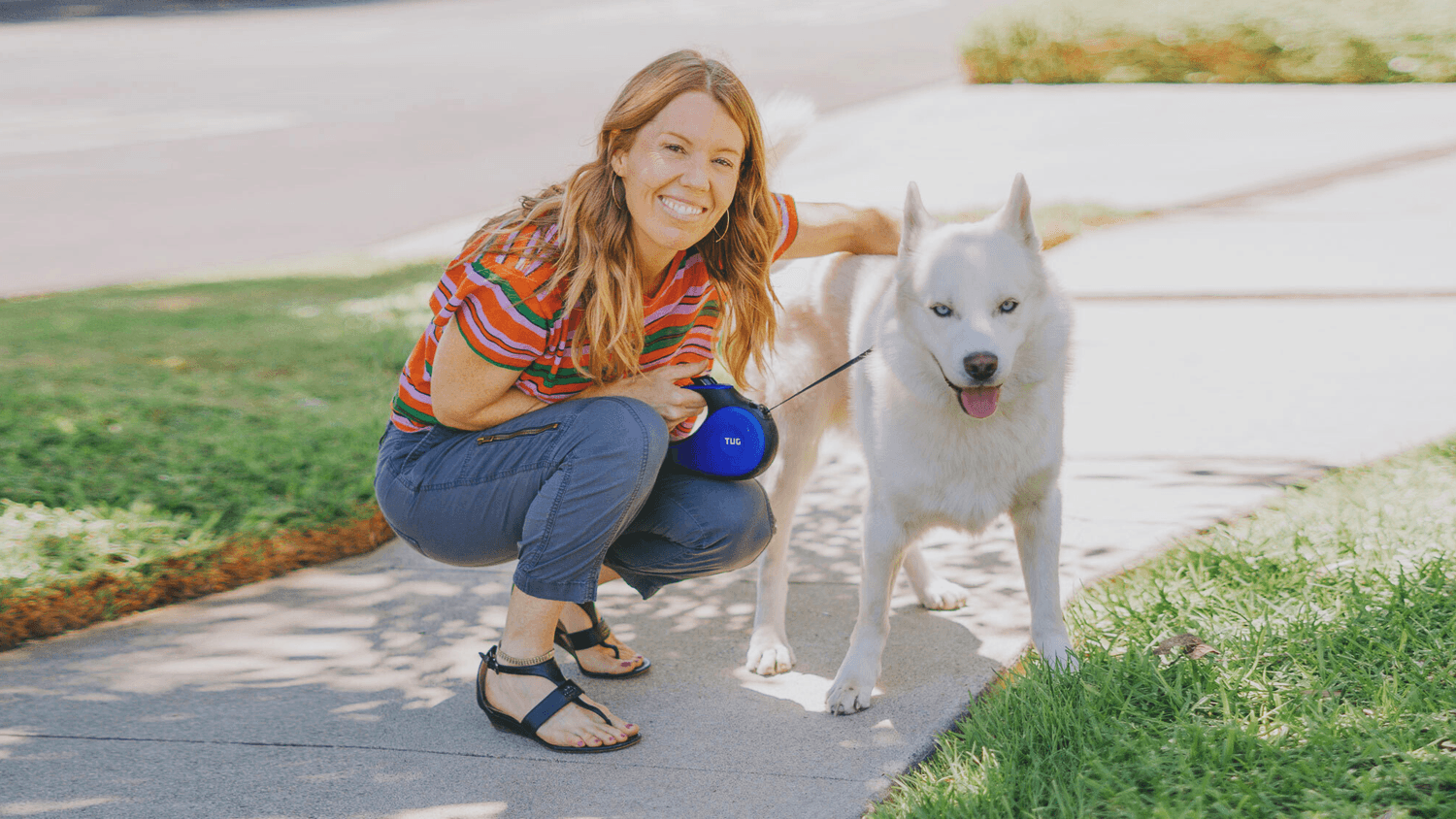
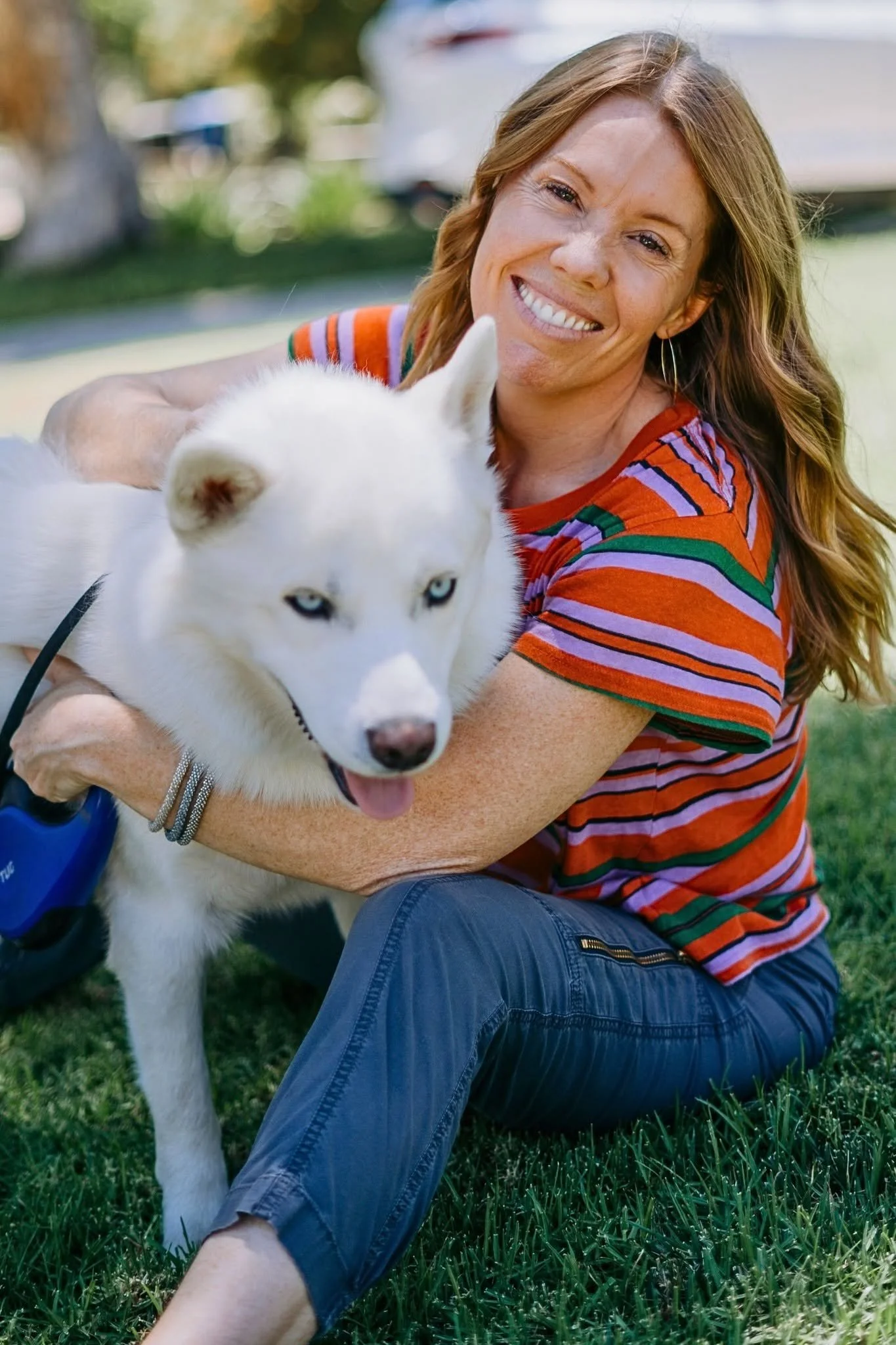
When Dr. Zoë Lumiere–Somatic Therapist, Spiritual Psychologist, Pet Grief Specialist, and Animal Rights Advocate–saw Fenix, she didn’t realize how complex his needs would be. She just knew she needed to rescue him.
With time, patience, and a whole lot of love, she witnessed firsthand just how resilient and capable Fenix really was…
And by sharing his story online, he would ultimately help others heal too.
The moment they just knew
“As soon as I saw Fenix's photo, I just lost it. It was really profound. I started to cry and I knew that he was my dog. I started to read his page and learned he has cerebellar hypoplasia.
They weren't aware of how severe it was. There were lots of unknowns. But he was stable and doing well, and up for adoption.”
Zoë wasn’t a stranger to the bond we can feel with our pets.
She experienced a deep connection with her childhood dog, Jessie… One that provided emotional support, stability, and love during a somewhat challenging upbringing.
But entering adulthood and working towards a degree, she found herself losing the very connection to the animals she cherished so much.
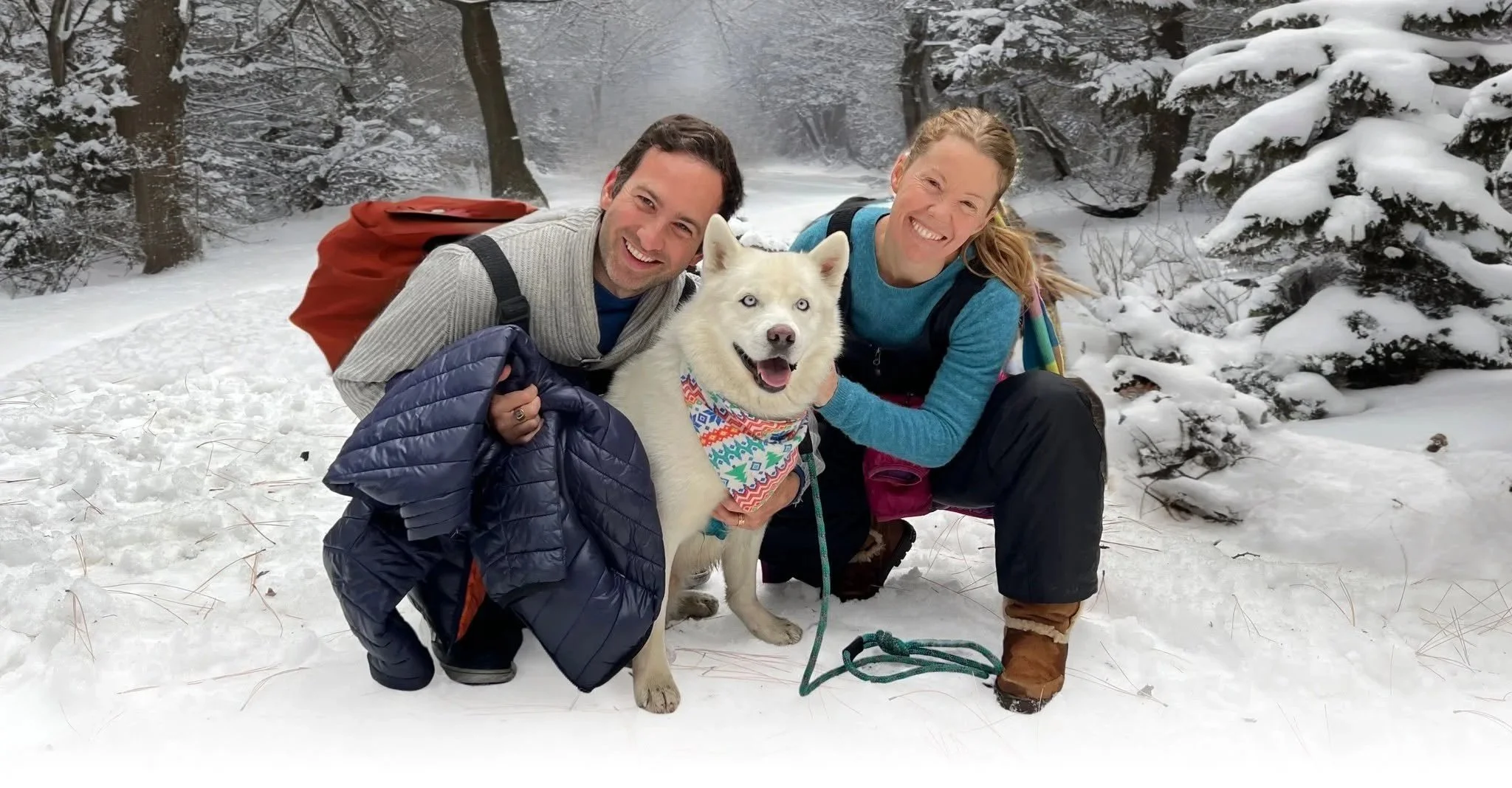
It wasn’t until she got married years later and felt she was finally in a safe space (and had a nice backyard!) that she knew it was time to get a dog again.
Visiting various shelters, she could’ve taken every dog home. But her husband gently insisted, “No, that’s not ours. We’ll know.”
That’s when he saw Fenix, a sweet 4-month-old puppy with piercing eyes who was facing euthanasia, but was pulled by I Stand With My Pack, a rescue in the Los Angeles, CA area.
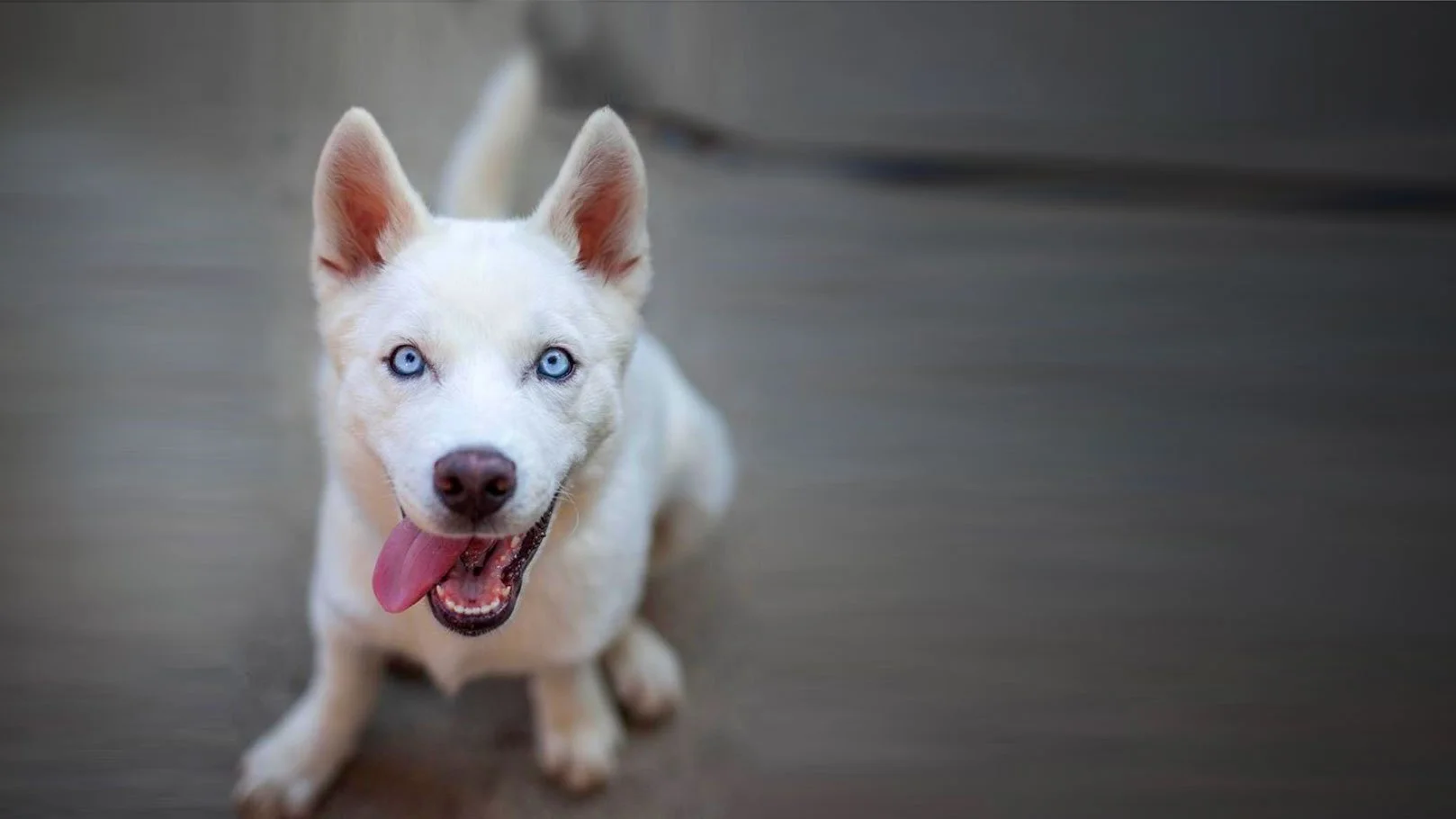
He intuitively felt that this dog would be a blessing in their lives and immediately sent the PetFinder page to Zoë.
Even after learning about the potential challenges, she was filling out adoption paperwork within ten minutes.
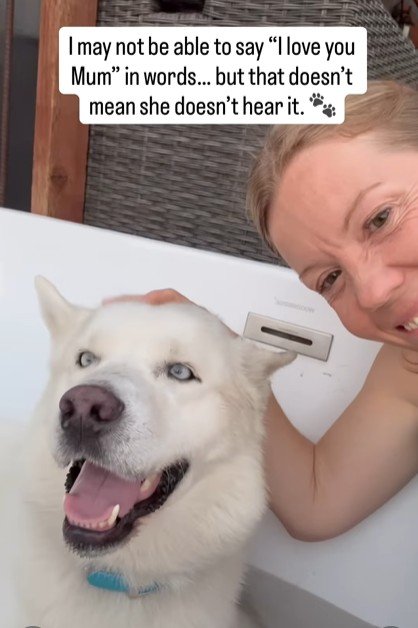
“I didn't care about any of that. I was just like, ‘This is my dog. Whatever it takes, I will figure out how to take care of a special needs dog with a neurological condition. I will do it.’"
A wobbly dog determined to thrive
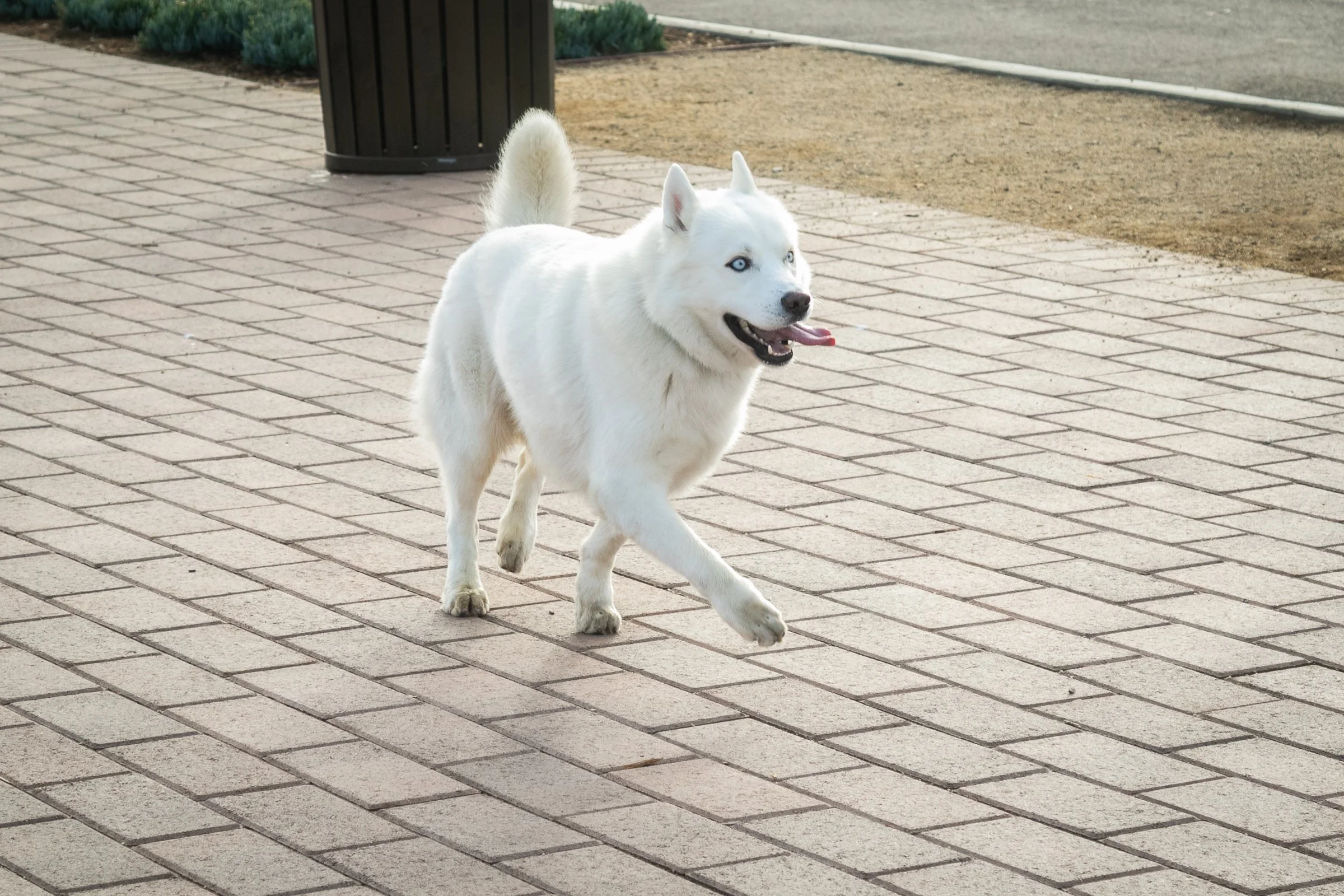
“When he's prancing and walking, he's actually dragging the top of his paw along the ground for a short moment. When he was little, on the top of his paws there would be little blood spots because that's how he walked. He would drag all four paws… My husband and I were really worried.”
When Fenix was young, he couldn’t run or turn without falling over. The coordination just wasn’t clicking in his brain.
That’s because he’s got a neurological condition called cerebellar hypoplasia.
This congenital disorder is developed in utero, where the mother suffers something like malnutrition or a brain injury which leads to an underdeveloped cerebellum in her pups’ brains.
Compared to many, Fenix’s case is actually quite mild. Some dogs and cats can’t even walk without aid because their balance and coordination is so poorly affected.
But by giving Fenix the right amount of support, while also letting him figure things out on his own, he learned how to walk (well, prance) in a way that works for him.
The parts of his paws that drag on the ground formed calluses and he became confident enough in getting around that he developed his signature “prance.”
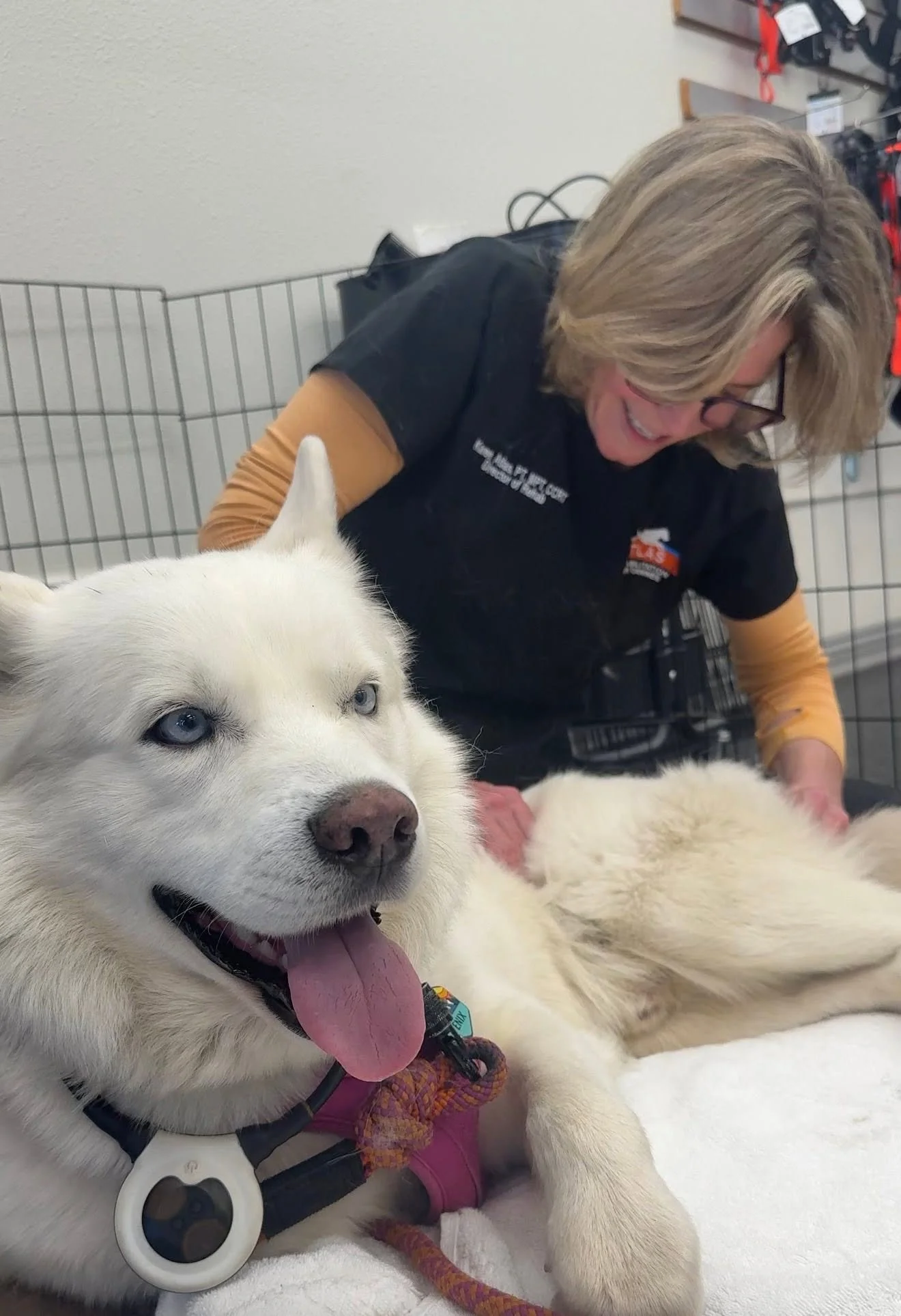
He gets physical therapy once a month with Atlas Rehabilitation for Canines, where the special massages help keep him mobile, since he walks in a way that’s not natural for his anatomy.
Things that require fine motor skills can still be tricky (sometimes eating is difficult so Zoë hand feeds him) and he gets tired more easily after a long walk…
“But really, for all intents and purposes, he's a normal dog. He just has his own way of doing things and it's become very easy to care for him. He's a dream.”
Learning how to truly connect with a dog
“When we respect them and not treat them like a possession, a really profound bond happens… but also they're more obedient. Not because you've trained them to be obedient, but because you're in sync together. You want the other to be happy.”
In spending so much time together, the way Zoë and Fenix learned to communicate developed quite naturally.
Fenix’s eye contact is direct, and the way he looks at his mom tells her all she needs to know about what he needs.
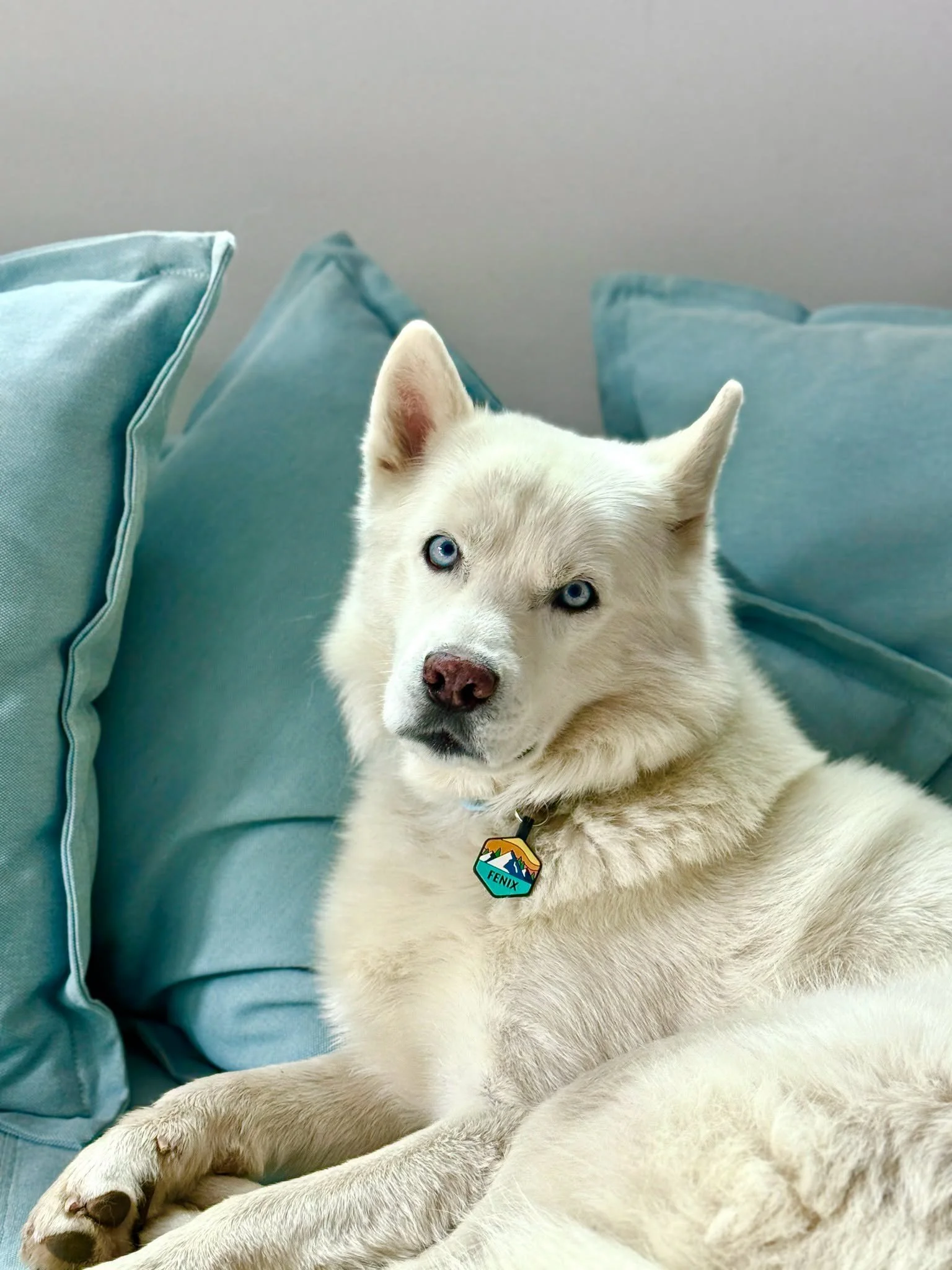
Without noises or barks, their silent way of communicating is usually enough.
But Zoë had a feeling there was more to it. She worked with a company called Soul to Soul Dog Coaching… But the coaching wasn’t for the dog. It’s for the human.
Here, people learn true dog communication and how every single sign they give us through their body language is telling us what we need to know. We just have to be receptive.
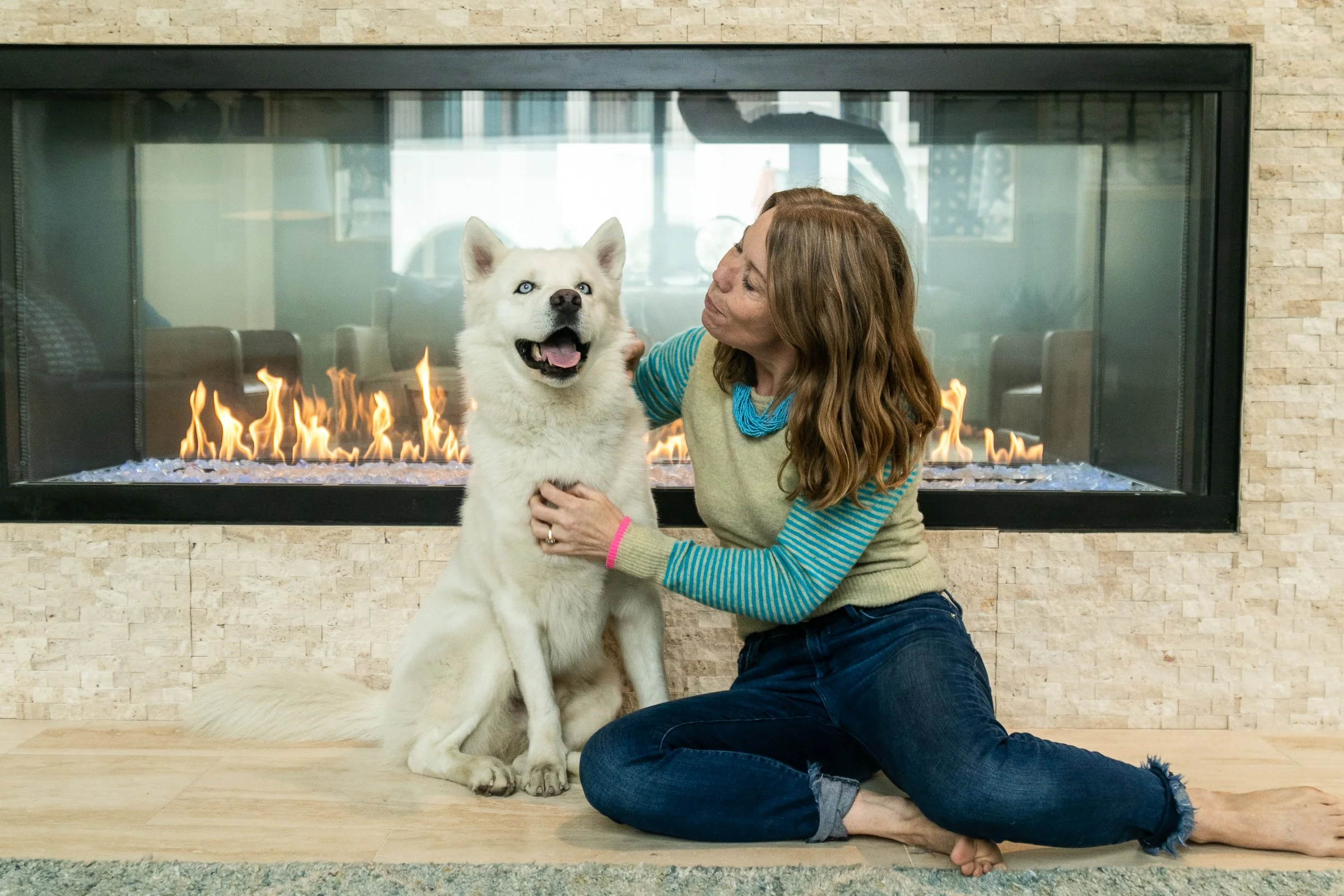
“In a lot of ways, we think that we own them and they're a possession. ‘I want a hug so I'm just going to go in and take a hug. You're my dog. Obey me. Do what I want you to do.’
But you're just betraying their trust and disconnecting with them every time that you do that.”
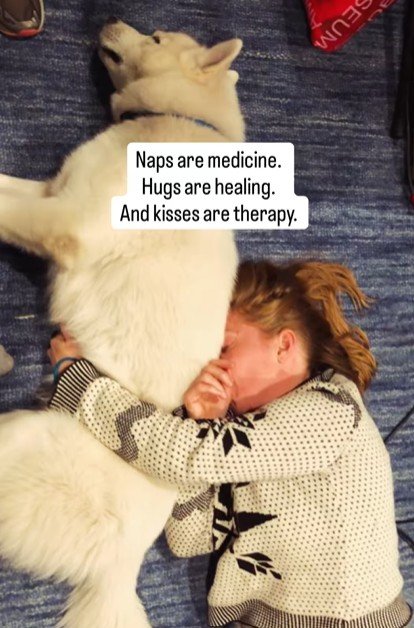
When we understand this concept, we can respect the boundaries our dogs are trying to set with us.
And for Zoë, it’s one of the reasons why she and Fenix formed such a tight bond.
Because she respects his space, he trusts her more. He’ll do things because he wants her to be happy, not because he “has” to.
This brings more ease to all areas of life.
It allows them to work on training together in a way that is driven by positive reinforcement. It also allows her to be his advocate when he runs into his fans out in public.
He might be a local star, but he also has millions of followers online who turn to him for a bit of joy in their day.
The pep in his step that everyone needed
“For the first two years we had him and he was doing this prance around town, I think at least 100 people said to us, ‘You should put him online. He'll go viral…’ So after about two years of hearing that, I'm like, ‘Okay.’
I created a TikTok account for him and I posted one of his little prances. The second video hit a million views within a day. It was just his little cute butt going up and down to the song ‘Happy.’”
Initially, the social media posts were just for fun. Zoë would capture Fenix’s little prance and the moments he experiences during daily life and post them.

But then, she started to notice something really profound happening.
And as unexpected as it was, it was something she felt incredible passion toward.
“This has become a much more sacred and important adventure for me. We’ve received many messages sharing how his presence in their life helps people get over their neurological condition.
He's friends with kids with autism, MS, a whole range of neurological divergence… People have even said he was their inspiration to get through a traumatic brain injury. It really has just become this profound community.”
As a somatic therapist, her work revolves around helping others come back to the joy and love we were meant to experience…
And here she was, watching Fenix do that for others.
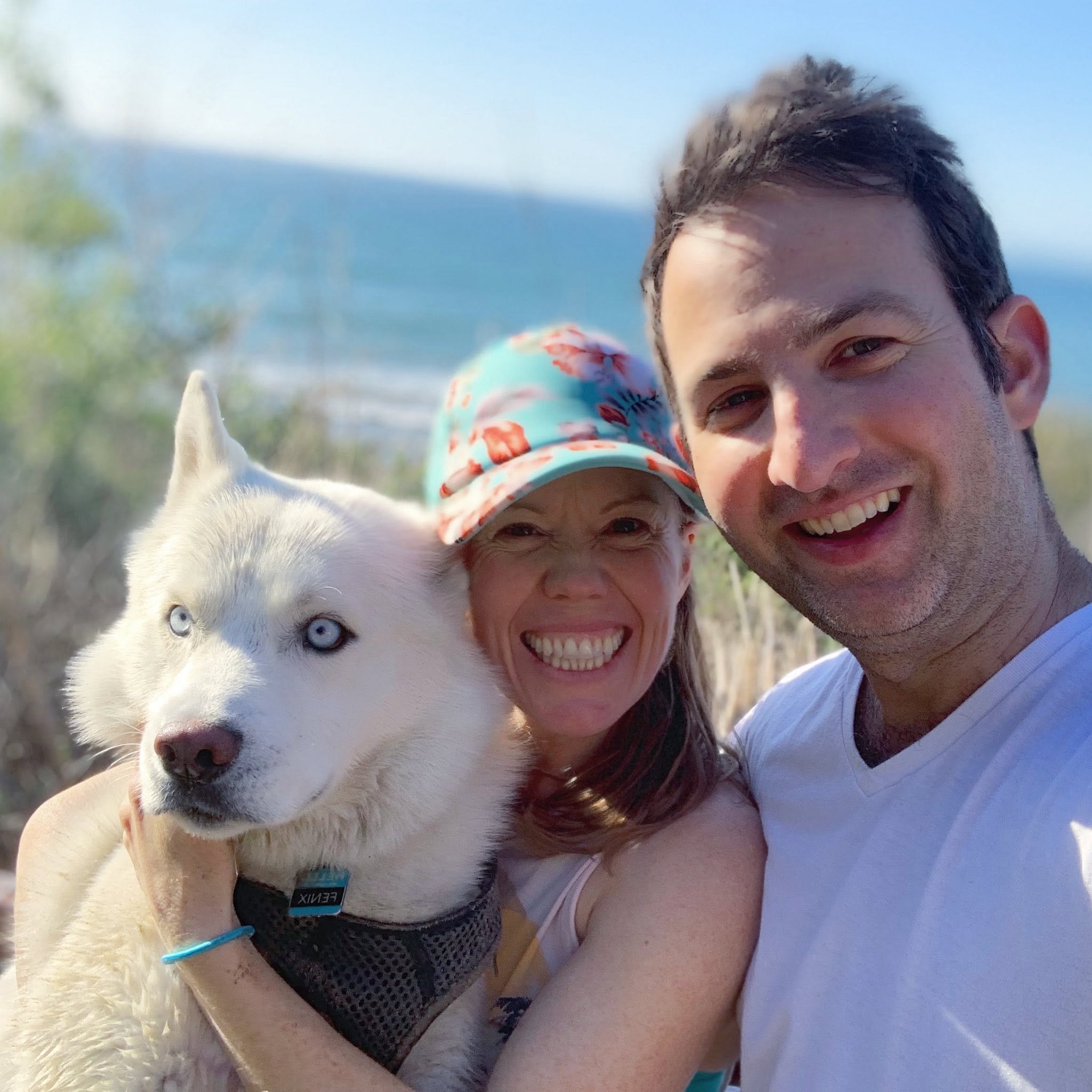
“The way that he's just shown up for his life and his joy unapologetically, it just breeds self-love, self-belief, and self-compassion.
…There is no coincidence that dog is God spelled backwards. If we paid more attention to them, life would be a lot easier. They're teaching us everything.”
It was incredible to see how others were affected by Fenix’s joy-filled prances, but Zoë didn’t realize he’d lead her to a new purpose in life too.
A brief, but meaningful, time on earth
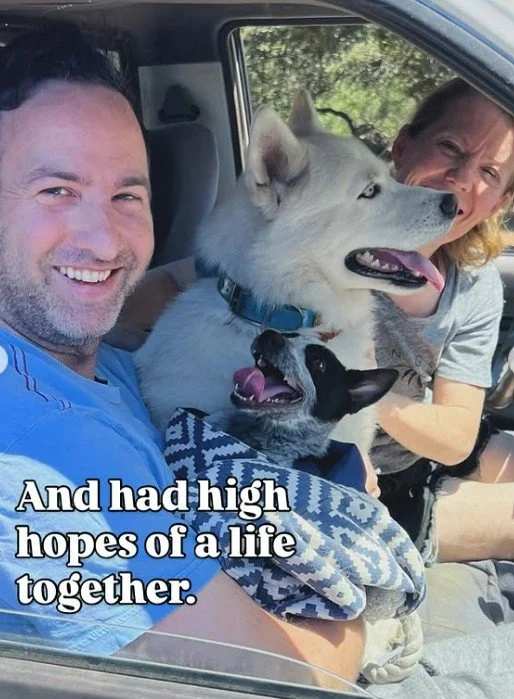
“I really was hoping Fenix would mentor Ellie and help her learn. Unfortunately, it turned out that she didn’t just have cerebellar hyperplasia, she also had hydrocephalus and we do fear probably other severe neurological complications.
After a couple of weeks she was blind… And then pretty quickly she just could not get up. Her pain and her fear centers were off the charts.”
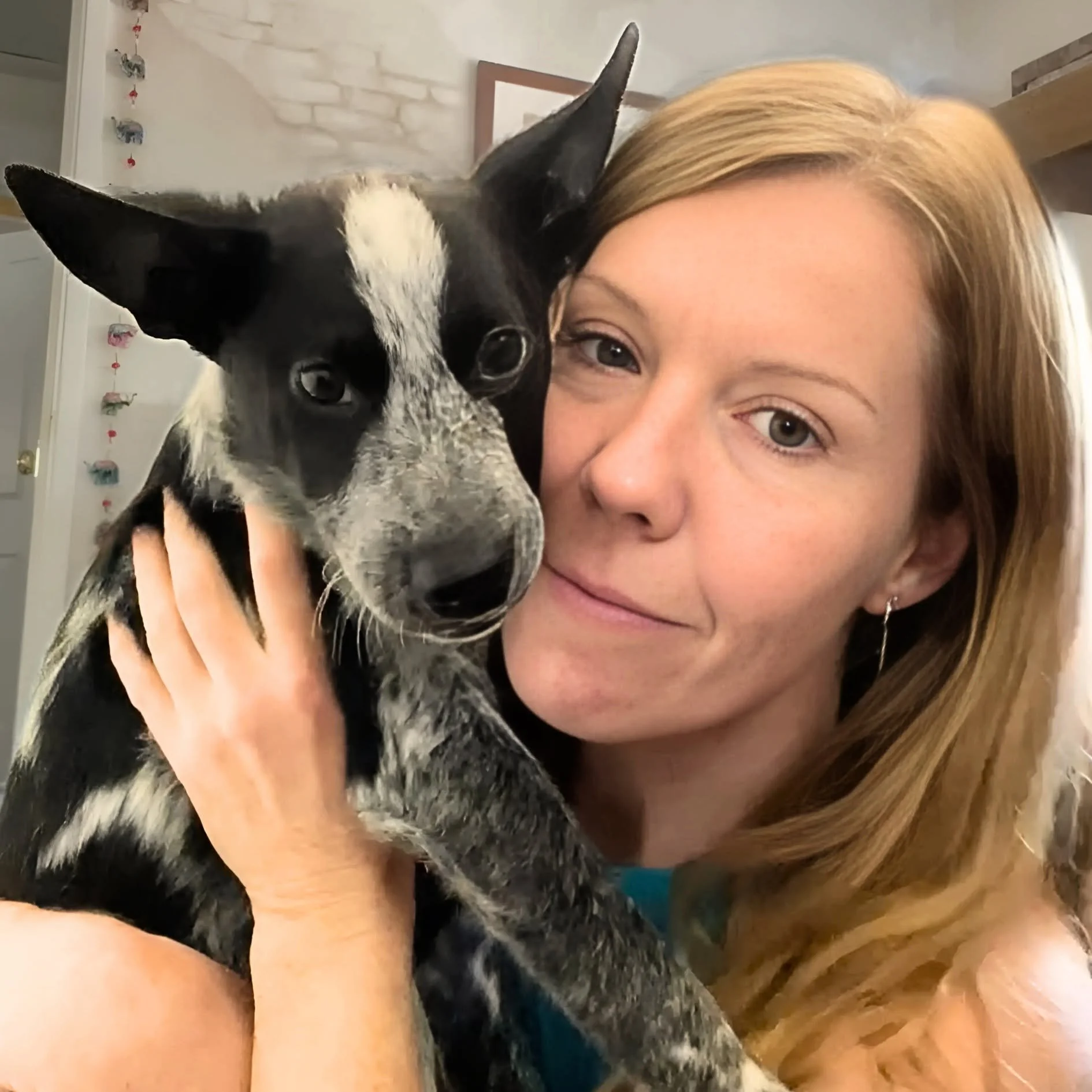
Seeing the impact Zoë had made on Fenix’s life, a nearby rescue reached out to Zoë for help. They had just brought in a puppy who had been dumped and it appeared she had cerebellar hyperplasia.
The idea was they could get some footage of the puppy, Ellie, and post online to find an adopter.
But as soon as Zoë saw her, she just knew. Ellie would be coming home with her.
It didn’t take long for Zoë and her husband to see, and get confirmation, that there was more to Ellie’s condition than they thought.
With multiple neurological conditions quickly affecting her body, she started experiencing hardships.
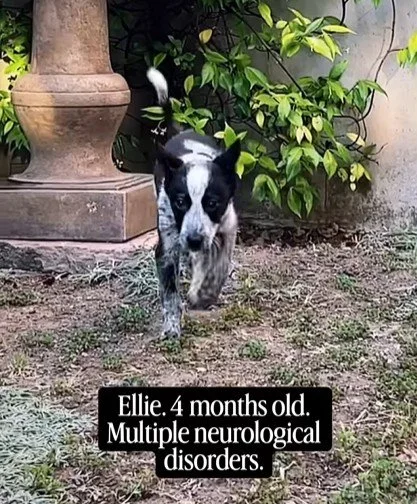
Blindness, immobility, bouts of “aggression” brought on by various stimuli, and pain led to a rapid decline… and one of the toughest decisions Zoë’s had to make.
“We helped her cross over the rainbow bridge just a couple of days before she would have been six months old. We only got 58 days with her but she'll be my daughter forever and it's because of how profound our relationship was, and still is, that has changed my life now almost more than Fenix.”
Being a grief specialist, Zoë already understood how experiencing and allowing grief was necessary for healing.
But pet grief was something else entirely, and it led her down a new path: helping others work through it too.
“We now know through credible neuroscience that we actually bond with our dogs in a different place and if you have a deep bond with your dog, it actually becomes a deeper neural pathway. It can actually be more painful, more traumatizing when we have to let go of that bond.”
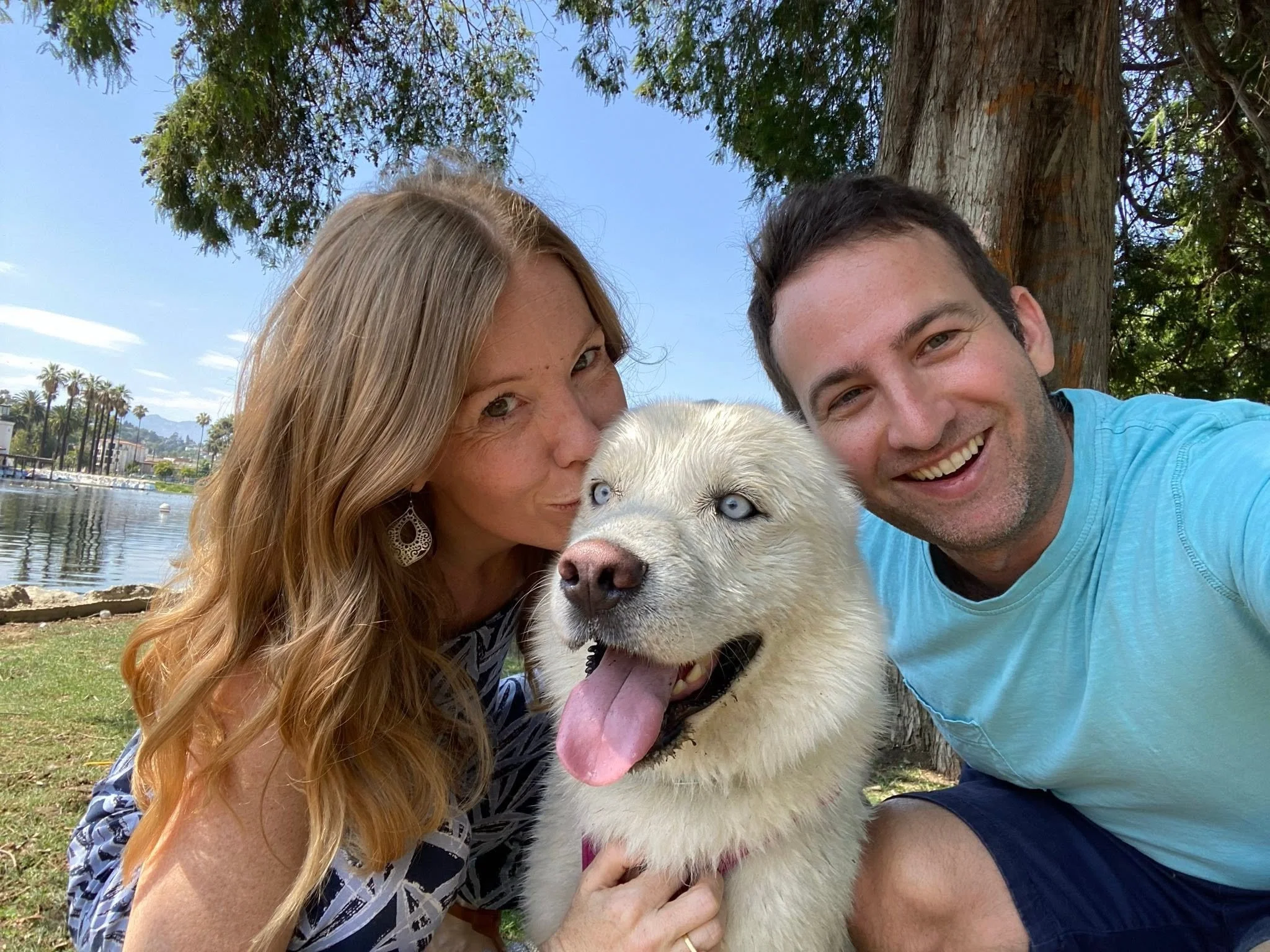
Allowing ourselves to feel the loss can be an opportunity to “crack us open into love, into what's important to us, and into a continued relationship with the love that does continue.”
From this place of pain and loss, we can learn to experience beauty and joy for what was, and what still remains.
Grieving Ellie, and then reconnecting with her as a life force and a sense of love in her life, Zoë went on to write a book about pet grief…
So now, through Fenix’s daily physical presence, and the spiritual presence she feels with Ellie, she can continue to support people through various hardships and challenges.
Loving a special needs pup
“I'm just so glad that I fell in love with Fenix and chose to have him because now I will not have anything other than a special needs dog. There are so many out there and people don't know how magical they are.”
When a dog relies on their human so heavily, there’s a unique opportunity for deeper connection than might be present with a more able-bodied dog.
Zoë experienced the shift in how she showed up for Fenix, especially during his early years.
She had to constantly pay attention to him, learn his ways of doing things, and be there for continuous support.
She truly had to commit to prioritizing his well-being.
Yes, it might take more time, attention, and love than a dog who doesn’t have special needs, but what you get back is tenfold.
When bringing home a pet with special needs, it takes time to adapt and learn what they need. Soon, they get to live a life with you where they feel so much love. They get to thrive.
But if you had to step away for a few days, would someone know exactly what to do to keep them happy and safe?
If something happened, could someone confidently step in and take your place?
Putting a Cotl plan in place ensures your pet is taken care of, just the way they’re used to, no matter what.
Discover how the process works or book a call directly with Sean, our founder and CEO, to see what a plan could look like for you.
