
🏠 Does a messy home actually affect your pet?
When it’s time to take the dog out, do you know exactly where to find their leash?
What about treats… How many bags of dog or cat treats do you have? (And how many do they actually eat?)
Does your floor look like a tornado came through and scattered dozens of pet toys everywhere?
Yes, this is a lot of questions about clutter and organization but, turns out… These things actually affect your pet’s well-being.
How?
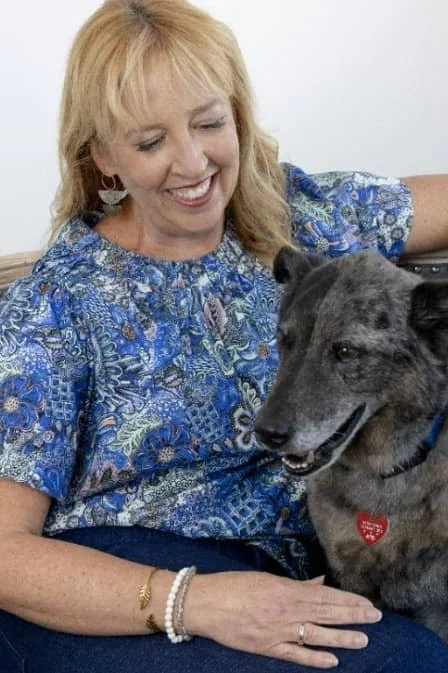
That’s exactly what Mindy Godding, founder of Abundance Organizing and certified professional organizer with 30+ years experience, started to dig into after noticing some changes with her own pets.
And the reasons might surprise you.
What really happens when things are disorganized?
“Clutter is visual information and when we have accumulation in our environment, our brain is trying to process that information every time we see it. Even if you’ve walked past and ignored the same pile 500 times, you’re still processing that and it's actually draining your brain.”
It’s hard to speak in general terms here because the idea of organization feels different for people.
For some, it comes naturally while for others, it’s a chore. For some, it feels frustrating to be around clutter while for others, it doesn’t bother them.
But studies show that if we let our environment get to a certain level, disorganization and clutter can absolutely negatively impact our well-being and our emotional state.
“It’s all connected. Whatever is going on with me internally is going to be reflected in my space, and whatever is going on in my environment is going to have an impact on my well-being and my mental health.”
Anxiety, sleeplessness, overwhelm… These can all be a direct result of our immediate environment.
So when we make the conscious decision to tackle a space in our home, we’re taking control over our own lives.
And when we share the space with sweet pets who rely on us for love, support, and home in which they can thrive, it ultimately affects how we show up for them too.
The sneaky ways our stuff affects us and our pets
“Pets are incredibly sensitive to our energy. I’ve seen it again and again in my own household: when I feel rushed or stressed, because I am rushing to fit a walk in between meetings or I can’t find the leash, my pets pick up on that tension.”
As Mindy began to observe how her own pets were affected by her efforts at home, it led to curiosity around how organization plays a role in their overall health and well-being.
In her eyes, there are four main advantages to organization when we think about how we're caring for our pets.
1 - Energy
“Our pets are very intuitive. They pick up on our energy, and our stress and anxiety can impact them in a negative way.”
When we’re in an environment that isn’t supporting us, it’s easy to feel frustrated or agitated.
If you can’t find something you’re looking for or have to step around the pile you’ll eventually get to, your overall vibe can start to take a negative turn.
Add in a time crunch, a reason to rush, and now things might feel frantic too.
Our pets pick up on that. It could make them feel uncertain or uncomfortable, or even lead them to feel stressed too.
When not just our pet-related items are organized, but our immediate space as well, we feel more centered, calm, and supported.
And yes, our pets pick up on that too!
2 - Money
“Consumption is so easy for us. We can just go online, click one button, and it’ll arrive tomorrow. There’s a predisposition to just continue to buy and buy and buy instead of searching for the thing we think we might already have somewhere in the house.”
Perhaps we’re all guilty of this one on some level. We go to look for something and swear we had it somewhere… But it’s nowhere to be seen.
And it’s not until we buy a replacement that it magically appears again.
Keeping an organized space doesn’t just visually look calmer, it helps us keep a full inventory of what we have.
Instead of overspending and over consuming, we know exactly where to find what we’re looking for–no duplicates necessary.
3 - Health
“Disorganization can directly impact pet health. Expired food, treats, or medications, for example, can easily go unnoticed.”
When items that support our pet’s health don’t have a designated space, they can easily get lost in the void that seems to suck up everything else.
If we can’t find the treats, we get more. But then the old bag reappears and we mindlessly feed them to our pet, not even realizing that the bag is years old.
If medications are misplaced, it can lead to some serious discomfort or health issues, depending on why it’s needed.
Organization quite simply helps us ensure their health is always under control.
4 - Routine
The last factor that isn’t always associated with organization is routine.
By having a supportive environment where everything is in its place, it helps us stick to a schedule. And our pets love a good schedule!
That could mean having leashes and poo bags in an easy-to-reach place near the door.
Or having all litter box materials next to the box itself so when it’s time to clean, everything is right there and ready to go.
Routines are hard to stick to when we have to spend time searching for the things we need to check the task off the to-do list.
“With our clients, when we organize their pet-related items, people become calmer, more consistent, and more present because they can focus on their pet instead of the frustration. When caregiving feels easier, we show up with more patience, affection, and grounded confidence and our pets respond to that.”
The problem with passive consumption and what to do instead
“We get pet subscriptions because they make us happy, but they're really not a necessity to make our pets happy. There's a much more, environmentally conscious option.”
It’s easy to jump on the pet subscription trend when the monthly shipments are filled with such cute things.
Seasonal treats, holiday-related toys, special deals… How can we resist that?
But what happens when we have an abundance of toys or a cabinet filled with treats we accumulate faster than they can chow down?
It’s just another way we continue to add to the clutter.
“What we know about pets is they don’t really need something new until they’ve destroyed the one they have. They’re perfectly happy playing with their favorite toy. My cattle dog has this chicken and he has ripped off every single leg and wing. It’s literally just a little lump and he plays with that thing every day. It’s his little chicken nugget now.”
So what can we do instead?
Instead of giving into cute trends, see what it feels like to make a conscious decision to bring something new into your environment.
Whether it’s toys, food, blankets, treats, leashes… Be intentional about what you purchase and why you purchase it, and know when it’s time to make that decision.
Then, instead of throwing money at subscription boxes, we can use that to keep a smaller rotation of high-quality items.
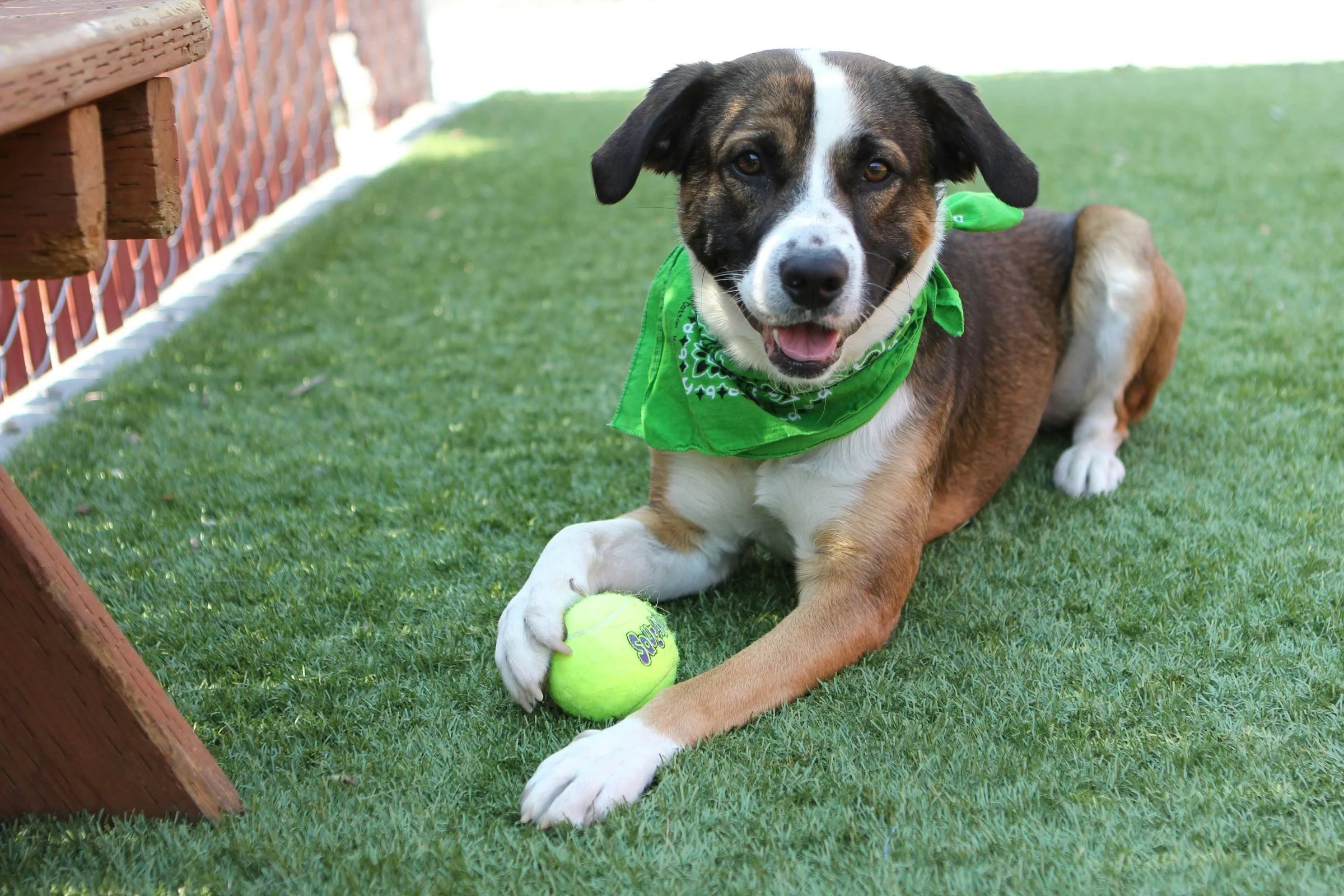
And for all those gently-used toys our pets outgrow or lose interest in, we can keep a donation bin handy and send them off to a local shelter filled with pets who will gladly enjoy them.
Goodbye, clutter. Hello, deeper connection.
“When you put in the effort to have organized systems in your environment, and you are living a life that feels like you are in control instead of your stuff controlling you, you’re 10% calmer. You're 10% more empowered. You're 10% more confident. It's just easier to get dressed in the morning, you know?”
Borrowing this 10% idea from her committed yoga practice, there’s the understanding that the “work” we do on the mat then allows us to be 10% “better” as a human in all areas of our lives.
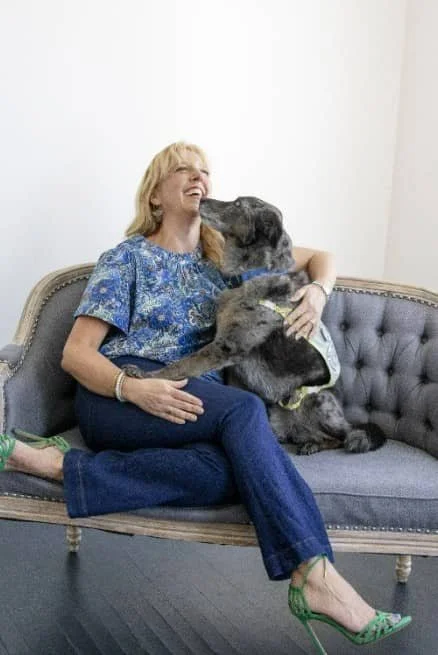
But whether we’re stepping on the mat or getting ready to walk the dog, the idea is the same.
The work we do in one area directly impacts everything else.
Ultimately, it changes how we show up. It positively affects our entire demeanor. This, in turn, also impacts our relationships–with people and pets.
“My belief is that organization really helps us get to a sort of higher level of being, and also helps us to have productive, healthy, happy relationships, not just for us, but with the people and the animals that are sharing our space and that are in our lives.”
With systems in place that support a well-thought out, organized space, we’re free to focus on what really matters: building and maintaining the bond we have with our pets.
When getting started is the hardest part
“When we’re confronted with a certain level of disorganization, it becomes overwhelming and can shut us down. In a lot of cases, we just don’t even know where to start.”
Just the thought of organizing, whether it’s a single space or an entire home, can be enough to make us not even want to begin.
It’s one of those things we know will help us in the long run, but don’t quite know how to make it happen.
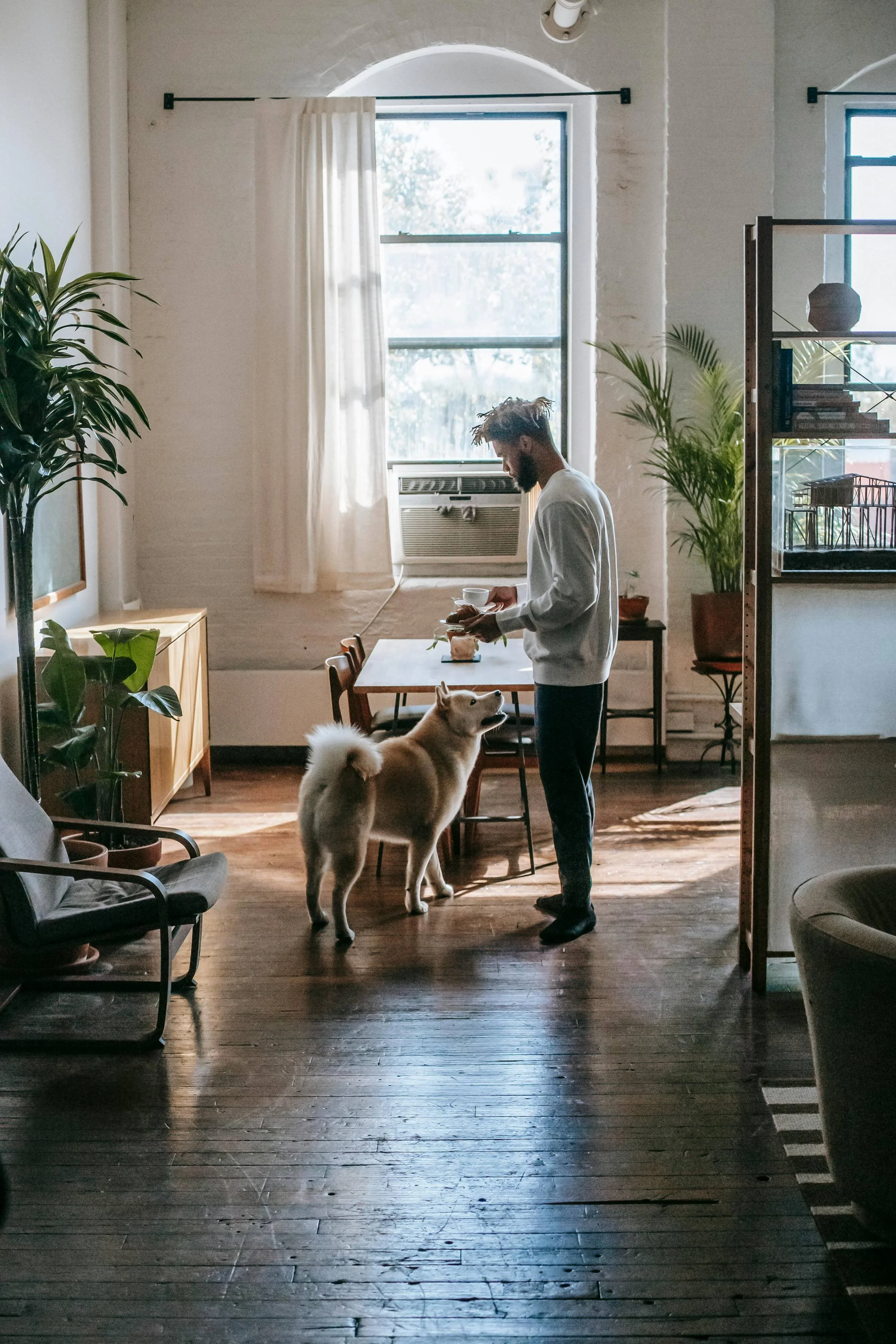
If you find yourself in that position, Mindy has a couple recommendations to get started.
First, and most importantly, start small. Really small.
Instead of tackling the entire garage, for example, choose a single shelf within that space.
When it comes to your pets, start with a small cabinet or a drawer. Ideally, this should also be a space that holds no emotional significance.
Stick to the day-to-day, utilitarian items. Medication, supplies, food, things like that. If there’s an area that holds items from a pet who has since passed though, hold off on that until later.
We want to build up the organizational muscle before tackling anything of sentimental value.
Second, set a timer. Determine a reward, work for 30 uninterrupted minutes, then take a break and give yourself that reward.
“No matter how far into it I get, just the fact that I've shown up, I've made the effort, I committed to doing this… It’s worth celebrating. Then, after the timer goes off, it's a great opportunity to reflect as well.”
Here, we can determine what worked, what got in the way, and what made us feel stuck. We might realize that this is too much to do alone, and may consider asking a friend or professional to help.
Sometimes, all it takes is a helping hand and some patience to help us take steps toward a more calm and peaceful life, for us and our pets.
Keeping the routine going
When everything has a place and your pet knows exactly what to expect, keeping to their routine can help them feel calm and safe every single day.
But if you had to step away for a couple days, who would care for them in the same way you do?

If something happened and you couldn’t care for them for an extended period of time, would someone know exactly what to do?
Putting a Cotl plan in place ensures your pet is taken care of, just the way they’re used to, no matter what.
Discover how the process works or book a call directly with Sean, our founder and CEO, to see what a plan could look like for you.
