
🤔Do Shelter Dogs Deserve A Second Chance?
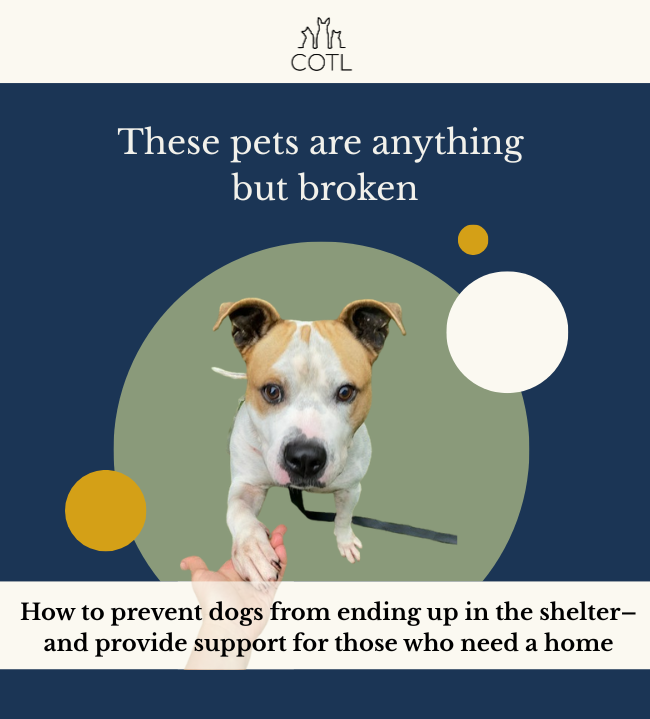
There’s one place we’re pretty sure a dog would never ask us to take them: The shelter.
Yet for various reasons, millions of pets end up there each year.

Many of these animals aren’t the “broken” pets people may envision when they think of a shelter…
Instead, they’re loving, loyal, and eager to please.
So how did they end up there?
Well, according to Melissa Arbitman–a senior dog trainer who’s spent a lifetime of volunteering and a decade providing behavioral-focused training in various NYC shelters–some of them never should have ended up there in the first place.
The unfortunate paths to the shelter
“...Even the ones that come in as strays probably weren't living in the streets for very long. These are dogs that have, for the most part, come from homes for a whole variety of different circumstances as to why they're brought into the shelter.”
During the time Melissa spent working in shelters, including open intake shelters, she witnessed an endless number of reasons why a dog might end up there.

Sure, there are the ones who have been living on the streets for years, but many end up there because of choices their humans make.
Maybe they’re moving and can’t take the dog with them. Maybe there’s a new baby in the family and the dog’s presence makes them nervous. Maybe they’re facing financial hardship and caring for a dog is no longer feasible.
But some dogs were never supposed to end up there.

In some cases, an owner may have had an emergency–an accident, a medical issue, or even a long travel delay–that caused them to be away from their pet for a long period of time.
And in those cases, when there’s no one else to call or care for the pet… They end up in the shelter.
The first few days are crucial for their livelihood
“If no one comes in, the options of what happens to them is they can be placed up for adoption, they can be put up for rescue placement only where they go to a rescue group, or they can be euthanized.”
Regardless of how a dog gets there, shelter staff run an evaluation to see if there are any medical issues that need to be cared for immediately.

They also monitor their behavior to get an idea of their general temperament and how they act.
Ideally, an owner will come forward and claim their dog promptly.
In some cases, a trusted family member or friend can as well… But they’d typically need proof that they knew the dog or are permitted to take them.

Meanwhile, during this whole time, the dogs are wondering where they are, how they got there, and who all these strangers are.
Some do okay in that setting and are excited to have so many new “friends.” Others don’t take well to the overstimulation–the noises, smells, and unfamiliar people.
Dogs that are deemed “aggressive” may have actually had an underlying concern that was never addressed, and the uncertainty of where they are brought it out.
These are not bad, undesirable, or “broken” pets. They’re simply trying to make sense of what’s going on.
Training, communication, and trust help them thrive
“It’s so important to look at how much a dog has been through and realize that it could take months to really see the dog you have. In those months, you’re learning who that dog is… You’re doing everything training-wise and establishing that communication and trust.”
Even for the dogs who may seem a little feisty, quirky, or unsure (basically, any minor behavioral concern), not all is lost.

In fact, with some basic training and trust-building, a lot of these dogs go on to live healthy, happy, safe lives in their new homes.
In her time working at various shelters, and now solely as a trainer, Melissa has always focused on behavior modification strategies with the most behaviorally challenging dogs.
And time and time again, she’s seen firsthand how spending time working with these dogs can not only help them while they’re in the shelter, but as they go on to their forever homes.
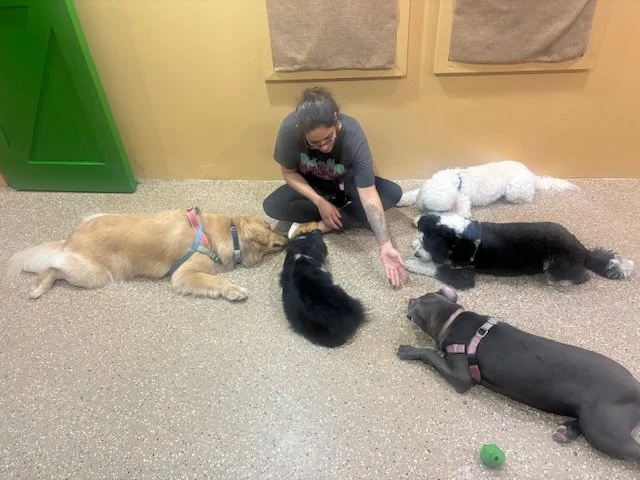
“Training can build a skill set for them–one that they can show off to potential adopters so that they're more appealing to people to take home–because sometimes it can be hard to choose between one dog or another.”
For the dogs who end up in the shelter for longer periods of time, training can help them maintain sanity and prevent them from breaking down.
It gives them structure and positive interactions that end in rewards.
And for those who do get adopted?

“Once they're in the new home, they have a foundation of learning, and the owner's able to use some more communication with them. When they have a repertoire of things that they know how to do, it makes it easier for that new adopter to communicate.
That's really what a lot of working with the dogs is about, it’s communication.”
How to help keep pets in their home
Sometimes, pets get loose or plan an adventure without our permission and it can be devastating when we can’t find them.
“Make sure your pet has a microchip and that the information is current. That’s the most important. Tags can fall off, but they’re also a good idea. Always have alternate contacts on the microchip information too, in case something happened to the owner.”
That last point Melissa touched on is exactly why Cotl exists.
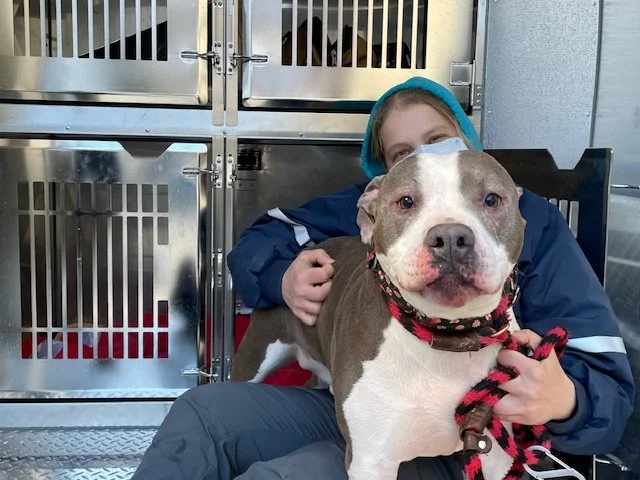
In addition to having a microchip with current info, having a Cotl Plan in place makes for a seamless transition should something happen to you–either short-term or more permanent.
If your pet ends up in the shelter, your alternative caregiver is notified and they can go pick them up–legal documentation in hand and knowing exactly how to care for them.
Now, in the cases where a pet parent is having a hard time caring for their dog and are considering surrendering them to the shelter, here are some things to consider:
🐾 If the concern is behavioral, the dog isn’t a lost cause. As we’ve covered here, training can help give dogs the foundation they need to thrive!
🐾 If the issue is financial, many shelters and rescues can help pet parents access low-cost vet care, food pantries, and other resources that will keep the pet safe and comfortable at home.

If you know of someone who may need a little support, they might not know there’s help out there.
It can be as easy as sharing the information they need, without judgement, so they can continue loving and caring for their beloved pet.
A successful life with a “second-hand” dog
For those dogs who ended up in a shelter and don’t have anyone coming for them, they’re absolutely deserving of a second chance and a loving home.

If you’re considering bringing a new pet into your home, don’t overlook the countless dogs around you, just because they’re in a shelter!
Many shelter staff can fill you in on the dog’s personality, preferences, dislikes, etc., simply because they’ve spent time with them.

Additional people who have worked one-on-one with the dogs, like trainers or volunteers, can be great resources too, understanding what a dog might do when they’re stressed, where their favorite scratch spot is, or what treats they like best.
When you bring home a new pet, they’ve already been through so much transition.
And as long as we give them time to decompress, acclimate, and learn what it’s like to live in our loving homes, we’ll set them up to live the rest of their lives in peace and happiness.
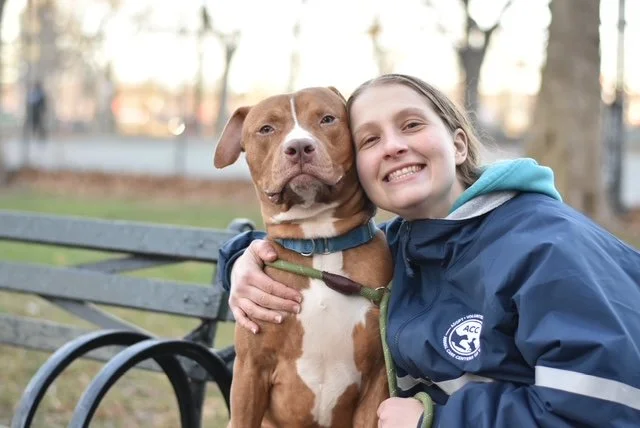
Want to learn more about how to support your new pet through the process? Melissa created this free Decompression Workshop to help you learn the essentials of setting them up for success in a new space.
The plan that keeps your pet safe
Sometimes, life throws a curveball and if we’re not prepared, it can change our life. If we have a pet, it might change their life too.
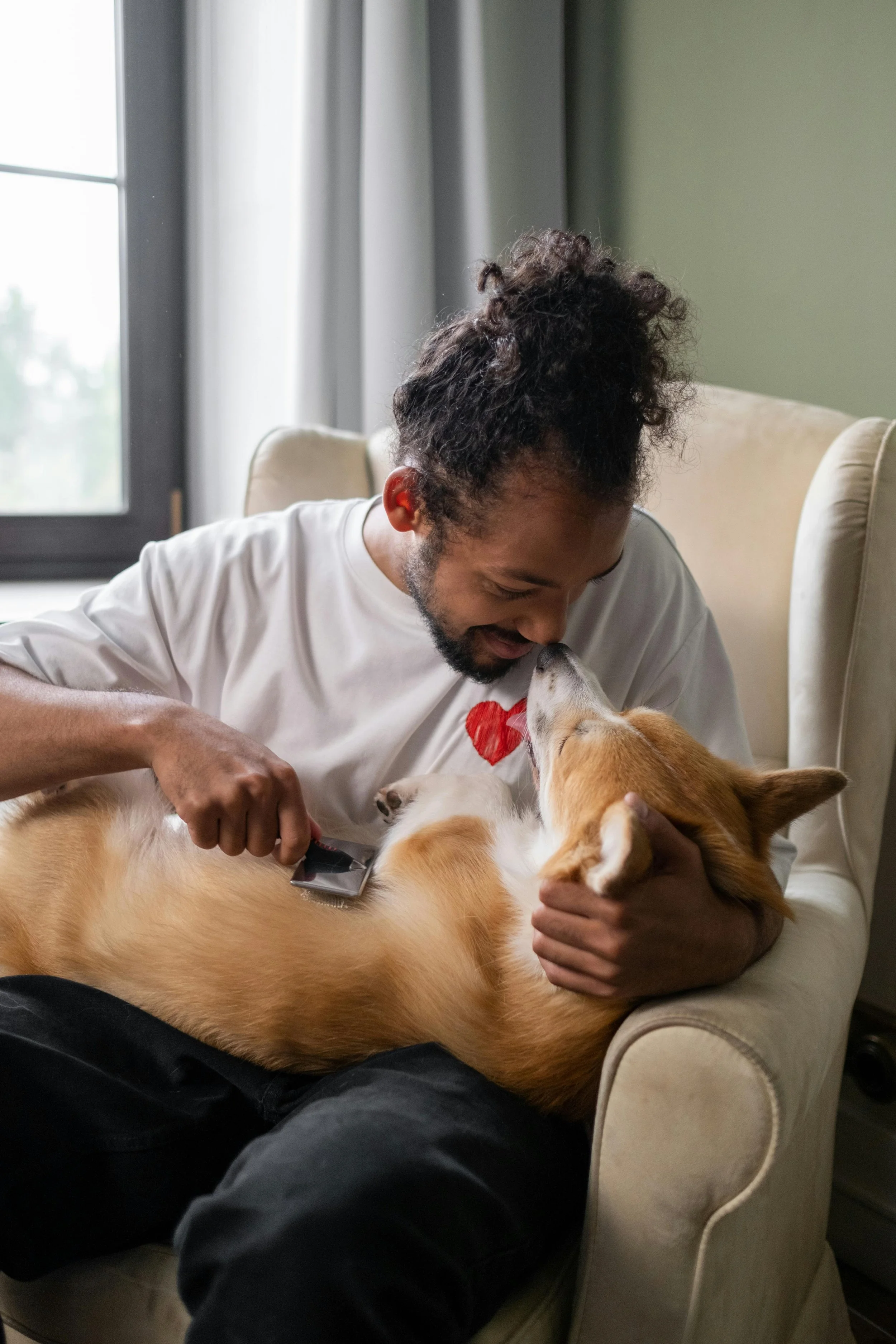
Will your pet be in good hands if something happened to you? Do you have a second caregiver ready… And do they know?
Putting a Cotl plan in place ensures your pet is taken care of, just the way they’re used to, no matter what happens to you.