
🐕🦺 Can a dog really give back independence?
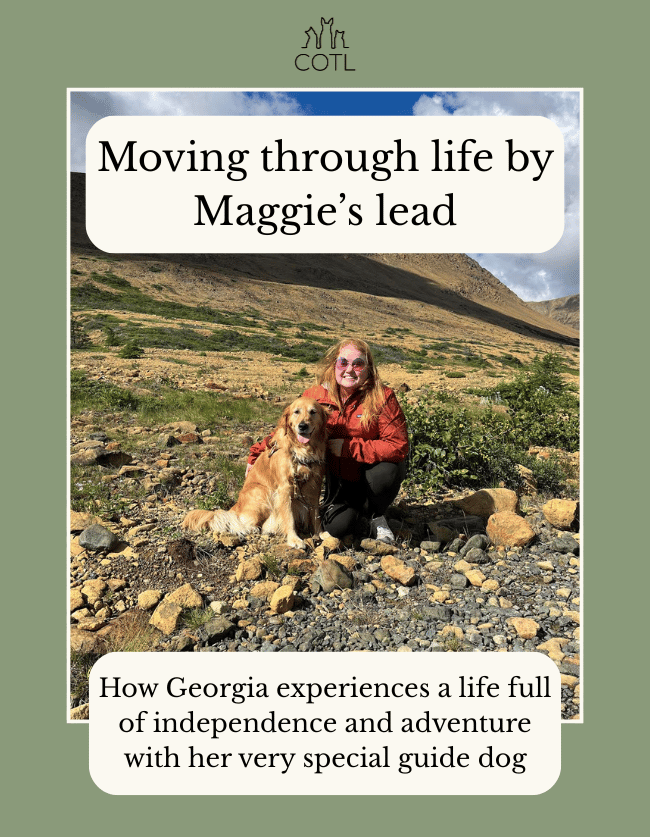
When we bring a dog into our home, we get to enjoy the unconditional love and companionship that comes with having a pet.
The way they look into our eyes, share snuggles on the couch, and fill our lives with joy is something we could never imagine being without.
But what if this dog wasn’t just a pet? What if they gave you back something you were suddenly without?
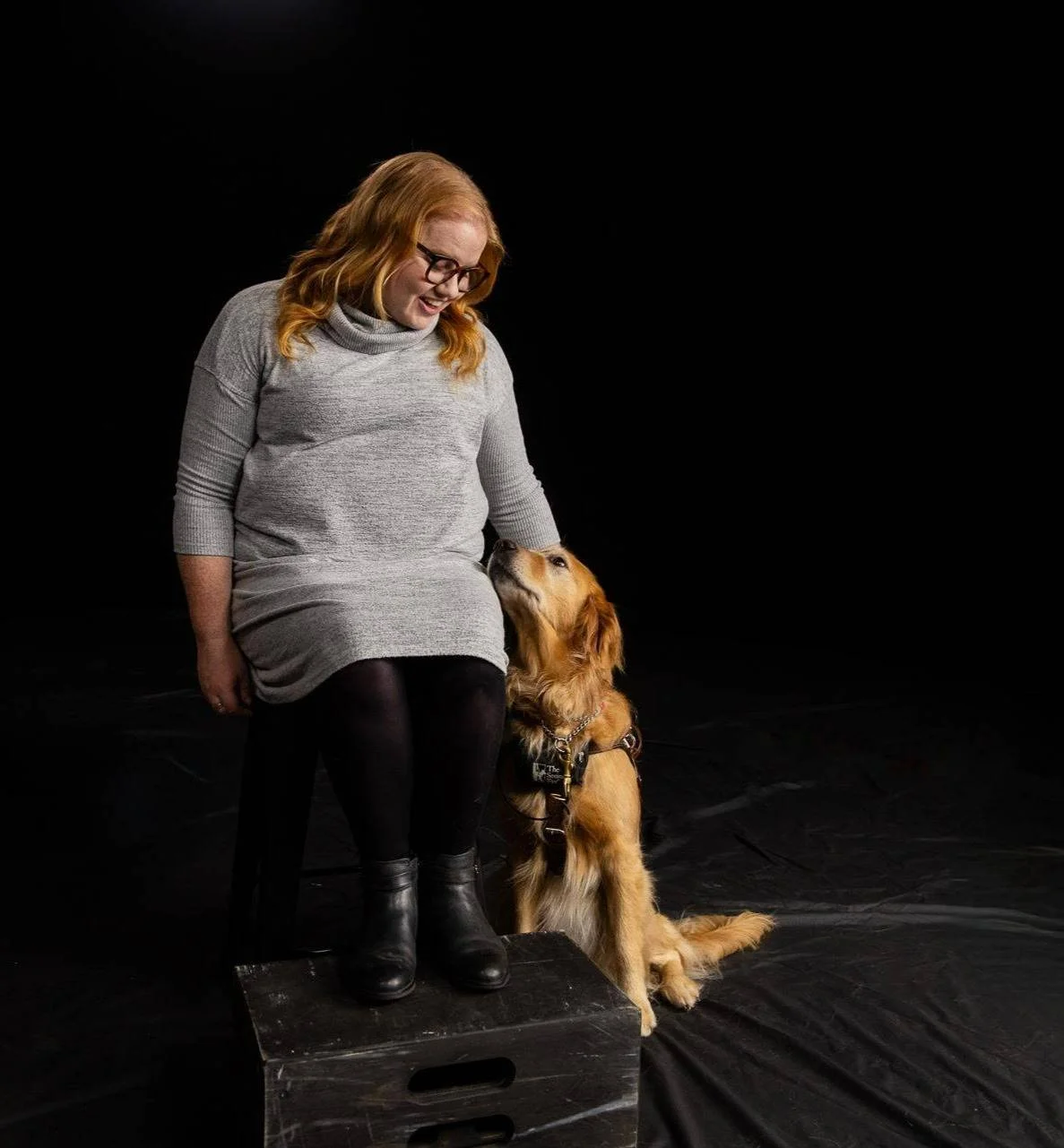
When Georgia lost her vision overnight, she realized life would feel different from that point forward.
But her first guide dog, Grainger, and her current guide dog, Maggie, both proved that life can be filled with independence, adventure, and endless amounts of love–no matter what.
When a love for dogs becomes something more
“One day I could see, and the next day I couldn't. And so it was obviously a complete shock, and very confusing. Once I knew this was it, that I was visually impaired, I had a thought while I was in the hospital: ‘Wow, wouldn't it be great if I could get a guide dog?’”
Since childhood, Georgia was always drawn to dogs. After she got over the slight fear she had when she was really young, she knew she wanted one of her own.
Having to convince her dad to get one, the family eventually welcomed home a sweet Wheaten Terrier named Cleo when Georgia was 7.
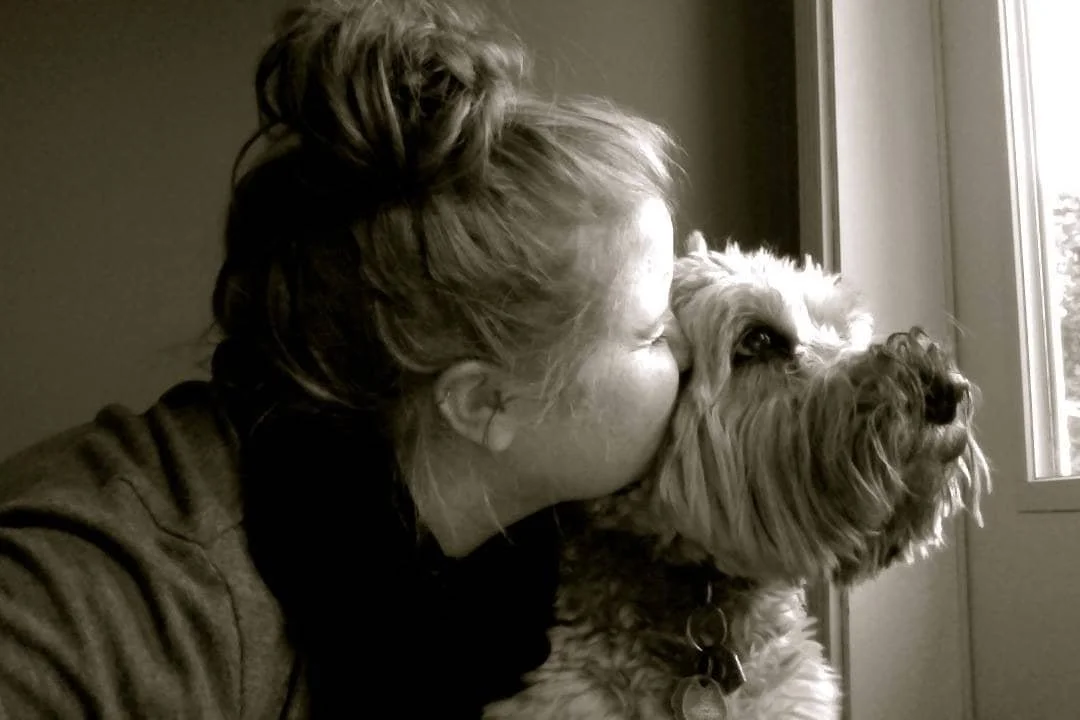
Image: Georgia & Cleo
“She was the love of my life and I absolutely adored her. She saw me grow up, she was there through it all. She passed away when I was 21.”
The connection she felt was undeniable, but she was about to experience a new kind of connection she never could’ve imagined.
When she was 19, Georgia unexpectedly lost her vision overnight due to surgical delays.
Knowing how strongly she felt about dogs, and knowing many people with visual impairments have guide dogs, she was determined to have one of her own.
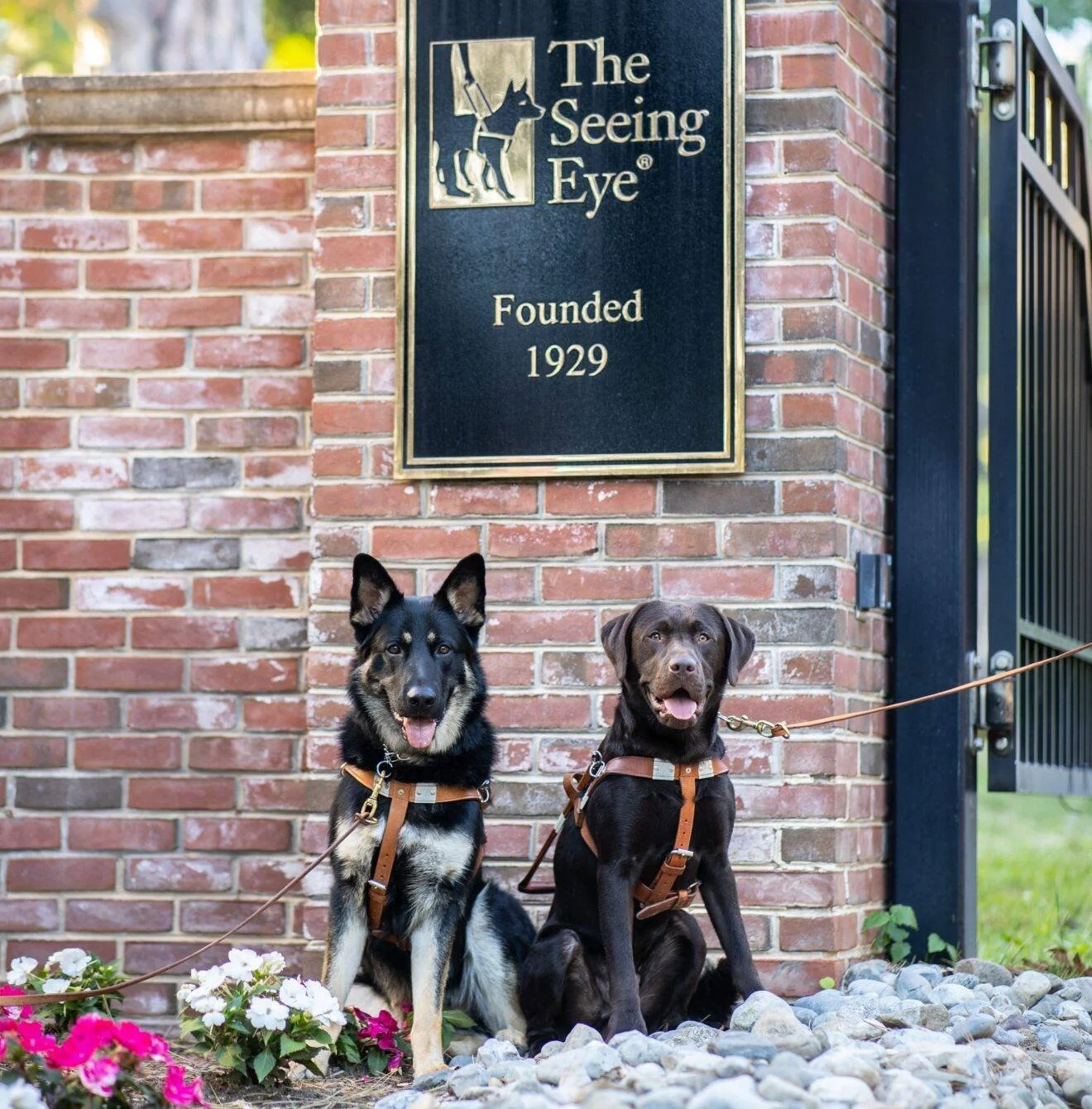
Image: https://seeingeye.org/
“I was in the hospital for about a month, and throughout that time, it kept popping into my head. I learned pretty quickly that there's a huge guide dog industry.”
She started researching different guide dog schools, learned how to use a white cane (a prerequisite for getting a guide dog), and started applying to schools.
Soon, she was accepted at The Seeing Eye in New Jersey, and around 7 months later, she was on her way to meet the guide dog that would change her life.
Why guide dogs aren’t technically pets
“I would argue that guide dogs are the most highly trained service dogs. They have people's lives in their hands. They can't be distracted by squirrels, they can't be distracted by pets, they have to make very quick decisions and know when to act on what we call intelligent disobedience.”
While guide dogs get just as much love as any pet, there’s also a lot of boundaries and “rules” put in place so the dog knows when to work and how to keep their handler safe.
And for Georgia, these guidelines were actually a little overwhelming at first.
Being a fairly laid-back person, the care directions, restrictions, and boundaries felt like a lot to keep organized.
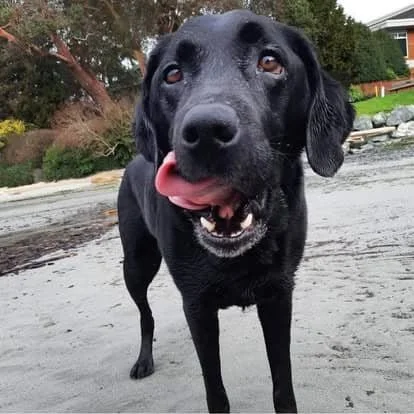
Image: Grainger
“I had all this stuff in my head and I was thinking, ‘Oh no, I'm going to mess up.’ But over time, you learn your dog, you learn where exactly they need strict boundaries.”
But when she was at The Seeing Eye, she experienced pretty quickly why they’re put in place.
At the end of her 3-week cohort, she was sent into the streets of New York City with her first guide dog, Grainger.
Cars were at a standstill within an intersection, completely gridlocked in the streets.
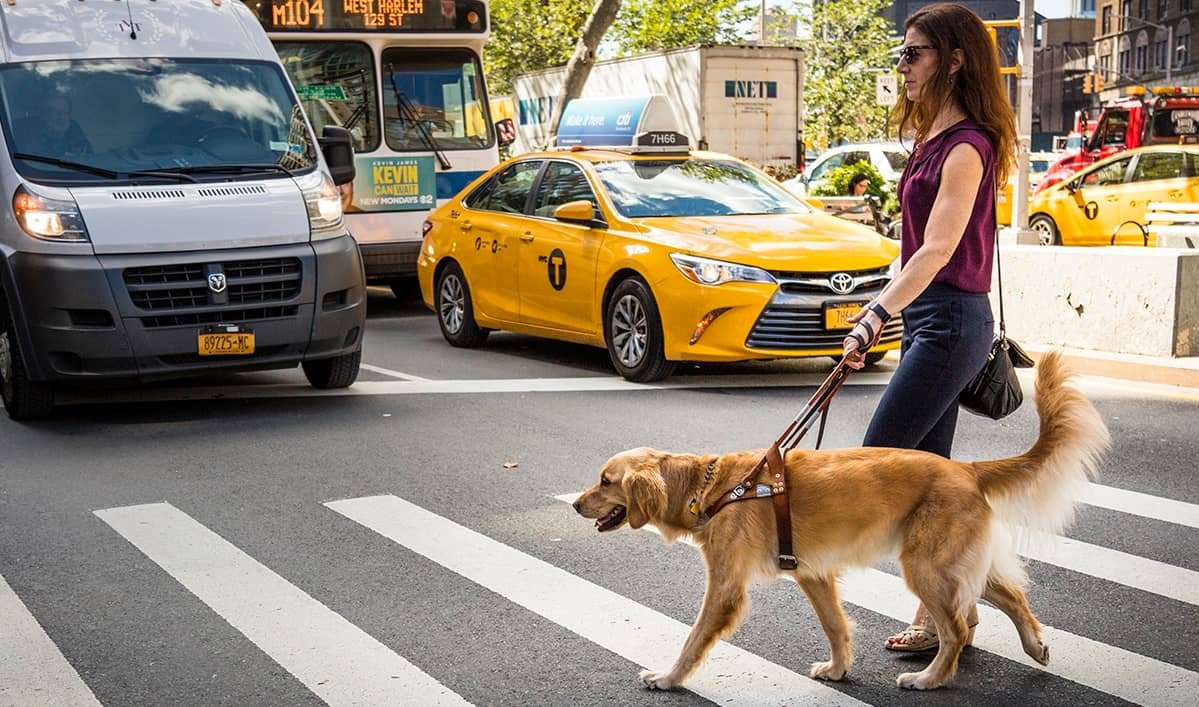
Image: https://seeingeye.org/
Georgia’s instructor said, “Just tell him to go forward.” In slight disbelief, she did just that.
“So I said, ‘Grainger forward,’ and he wove me in and out of the cars, and got me to the other side. At that moment, I was like, ‘Holy smokes, this dog knows what he's doing… Okay, you got me. We got this.’”
At the same time, if she tells her guide dog to go forward and there’s a car turning, about to cut them off… The dog needs to make the decision to “intelligently disobey.”
So when it comes to dogs like Grainger and Maggie, they have a responsibility to keep their handler safe–something a companion pet is typically not trained to do.
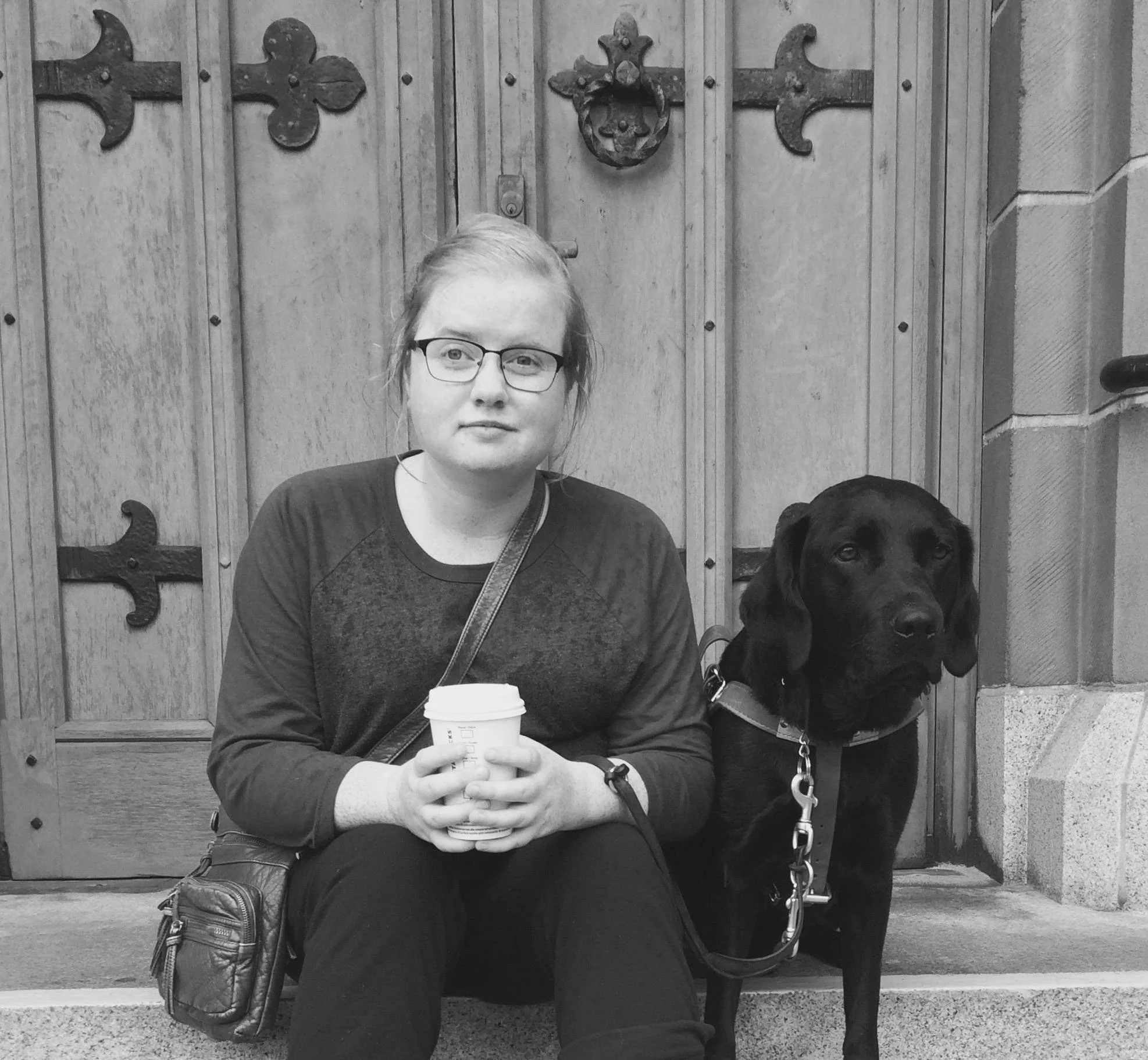
And because of that, the bond she feels with these dogs is unlike anything else.
The special connection with a guide dog
“There’s such a strong bond between handlers and their guide dogs–there needs to be. You need to trust the dog with your life. When you're interacting with them and having conversations with them, it's all a communication. There has to be a sort of understanding of what’s going on with the other.”
Before a guide dog ends up with their handler, they’ve already been in the care of a few different people.
So when it’s time for them to form a bond with their handler, it can take a bit for them to realize this is their person.
Once that bond is formed, it can often feel much deeper than what’s felt with a pet. This is exactly what Georgia experienced with Maggie.
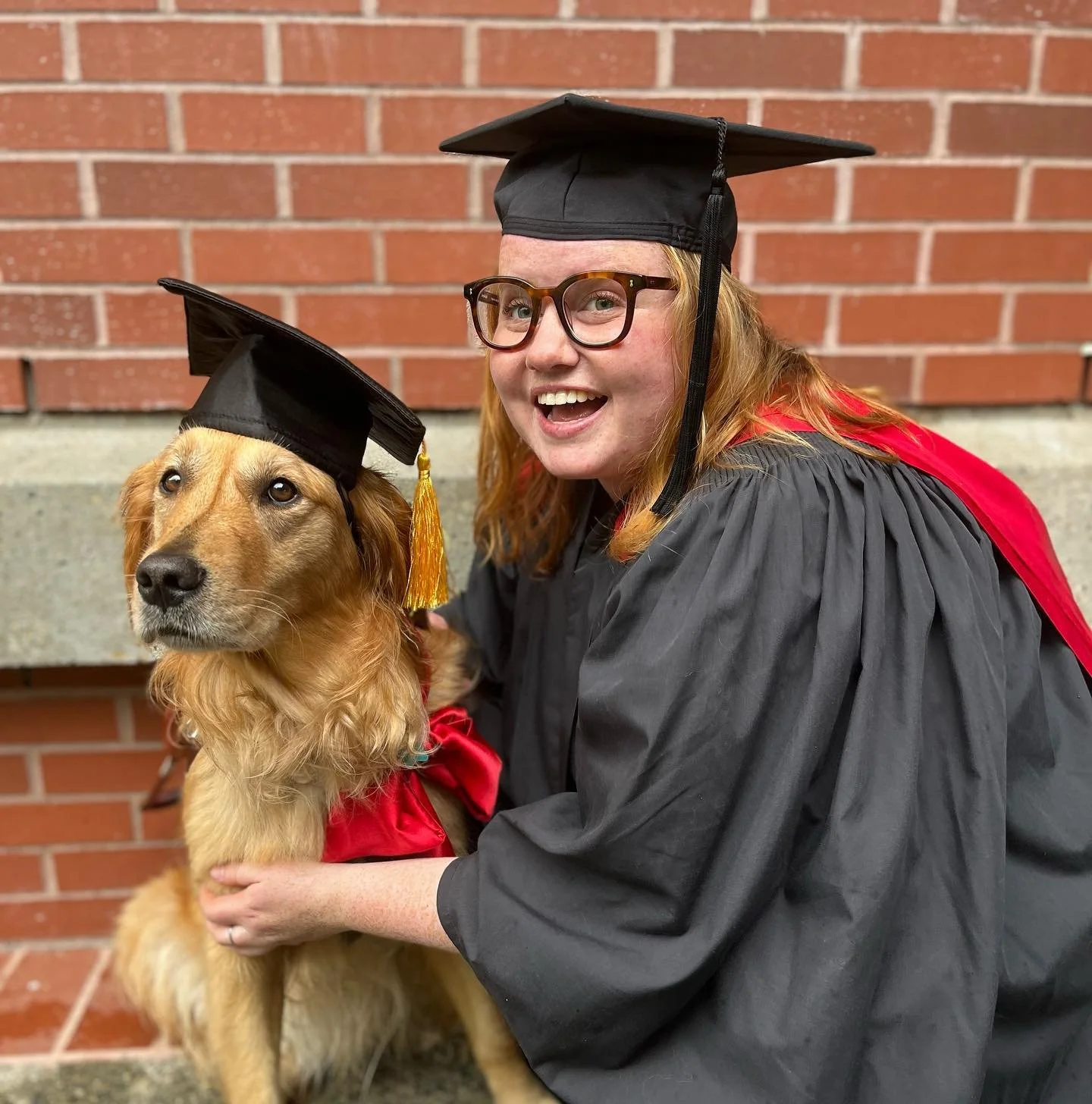
In a way, Maggie is an extension of Georgia–offering support with things she can’t do alone.
“I'm good at getting around in my home and around my building, which is where I tend to stay a lot. Whenever I venture out beyond, that’s when she's working. If I'm going downtown, to the bookstore, to the beach, or traveling, she's always the one pulling me along.”
Like any job, no one works 24/7. And in the moments a guide dog is “off duty,” they get to experience love, pets, snuggles, treats… Just like any dog would.
Since Georgia works from home, Maggie gets a lot of days off.
In those moments, sometimes, they love to spend moments wrestling (Maggie’s favorite), while others, they prefer quiet snuggles.
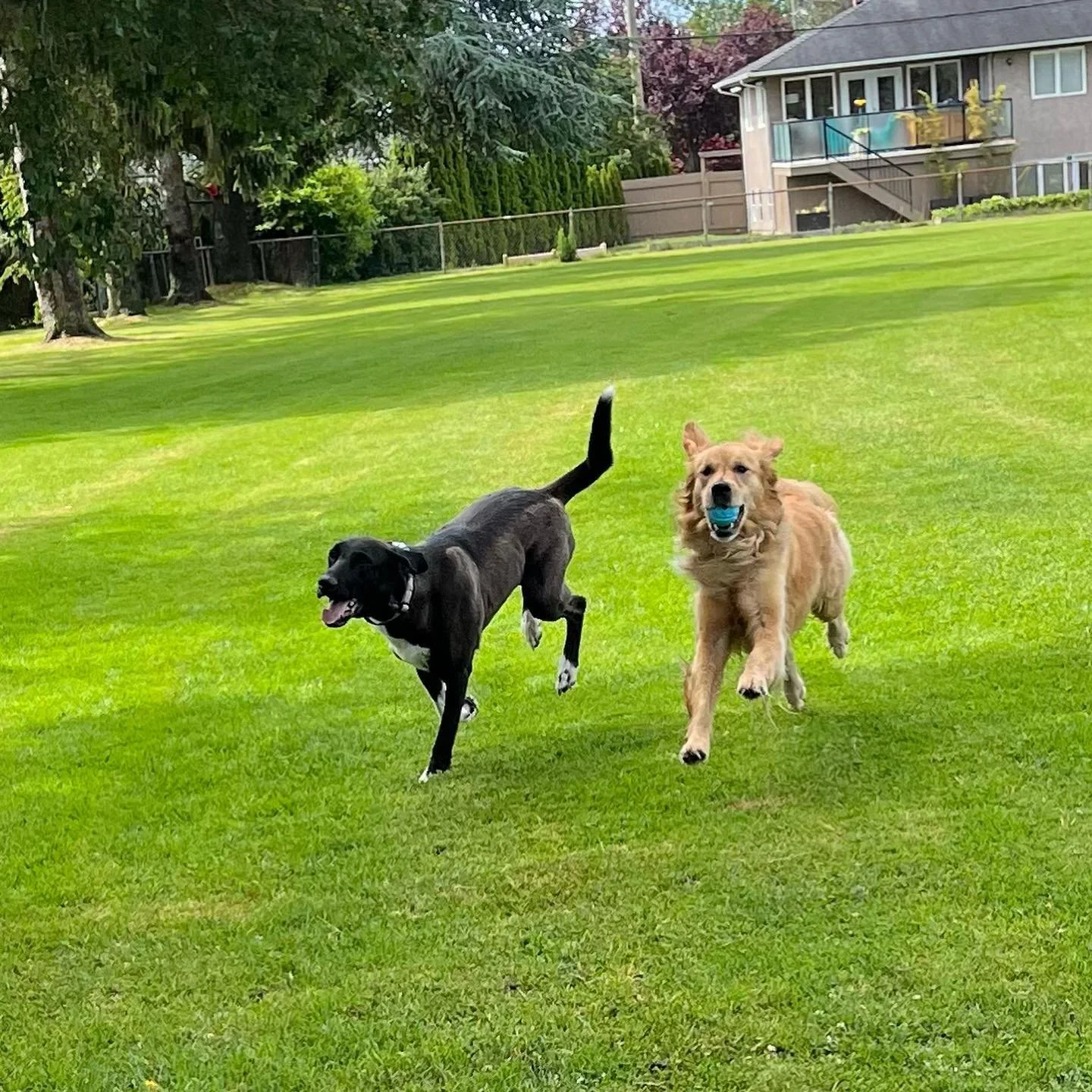
They spend time outside together, go on lots of walks, and take many playtime breaks throughout the day.
When Maggie isn’t working, she acts like an energetic “lunatic” …Definitely an unexpected demeanor to see in a guide dog.
But the moment her harness goes on, it’s like a switch is flipped. She knows it’s time to work.
Never having to face challenges alone
“The challenges are never ending. You really have to advocate for yourself. I’m constantly fighting for the right to be in places and to access services that, before I lost my vision, I wouldn't have thought twice about.”
Navigating everyday tasks, even simple ones, can be quite a process when you’re visually impaired.
But the moment you go out in public, there’s an endless set of new challenges that come just from being around others.
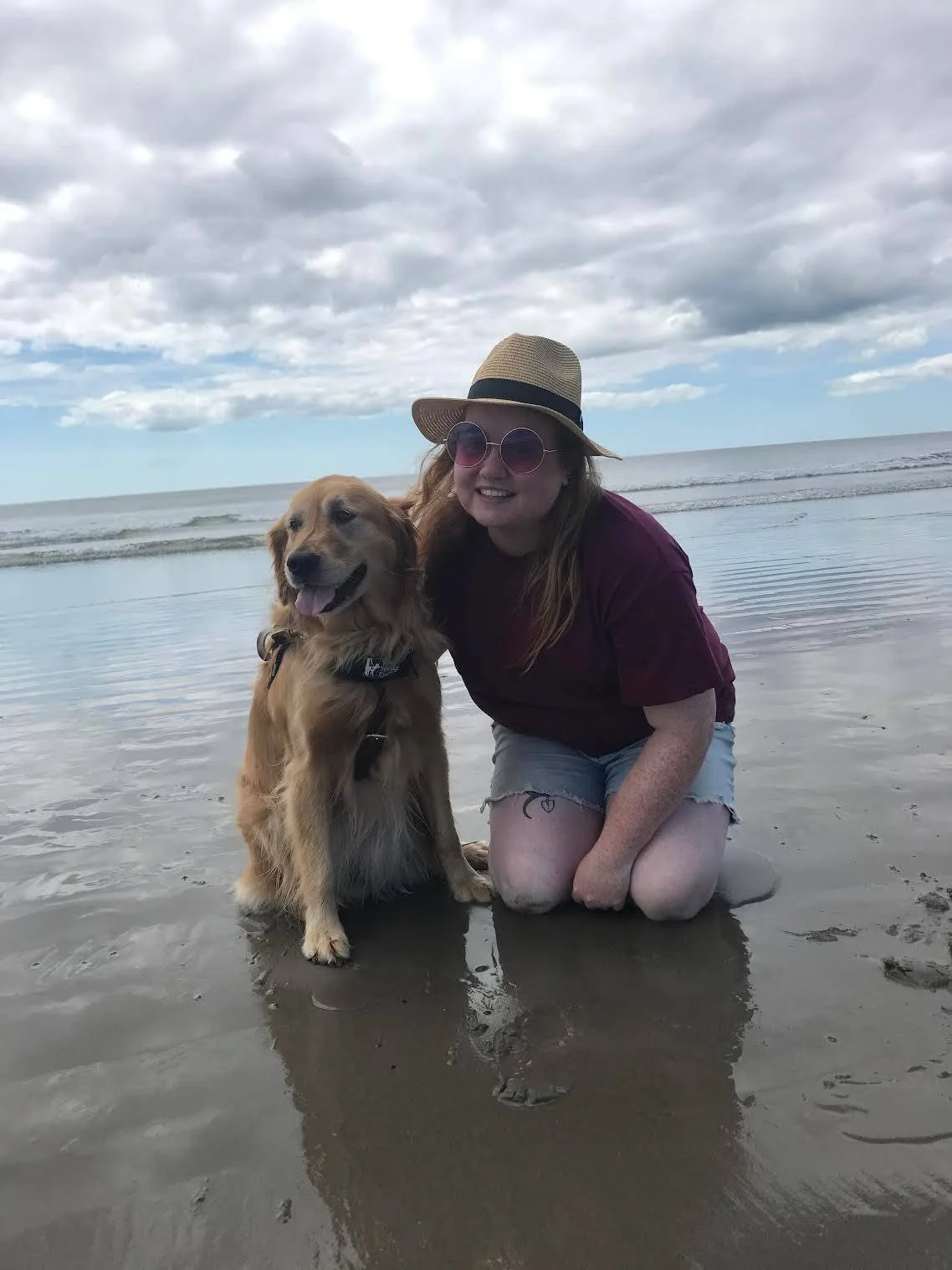
From getting groceries, to going out to eat, to hailing a taxi, people who are uneducated on service animal laws affect how easily Georgia can go about her day.
Then, there’s the moments when people have ignored the sign on Maggie’s harness that states: IGNORE ME.
Even though she’s working, people make kissy noises at her, clap at her, and try to distract her from what she’s trained to do (another reason those boundaries are so important!).
But through every challenge, Georgia is never alone. Maggie is there by her side, of course.
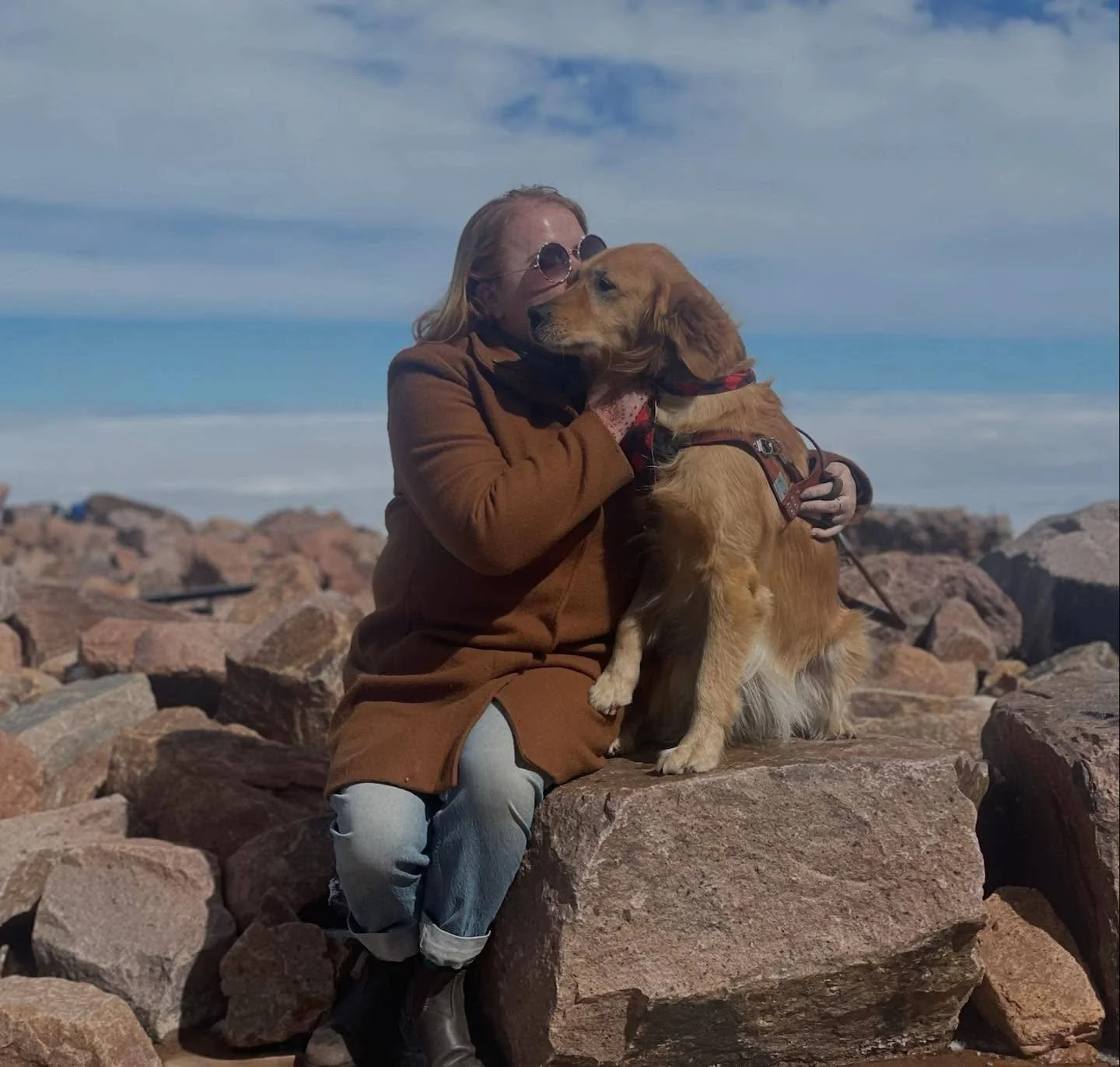
And Georgia has figured out a way to release some frustrations and relate to others who may be experiencing the same: The humorous content she creates for social media.
➡️ By the way, in the US, there are strict laws set in place by the ADA that give service dogs the right to be anywhere their handler would be. This page gives a quick, easy-to-read guide. Check it out!
Life will never be the same
“The cool thing about guide dogs is that their job is to pull you, so there's always tension in the harness. And this is kind of a metaphor that’s also actually happening, where they're pulling you forward. It can be so easy to get scared or overwhelmed and just want to stay inside. But they're constantly saying, ‘Okay, let's go. Let's venture out, let's continue, let's do this.’”
Because of Maggie, Georgia’s life is filled with so much joy.
Maggie’s guidance helps her gain back some of the independence she experienced so freely before she lost her vision.
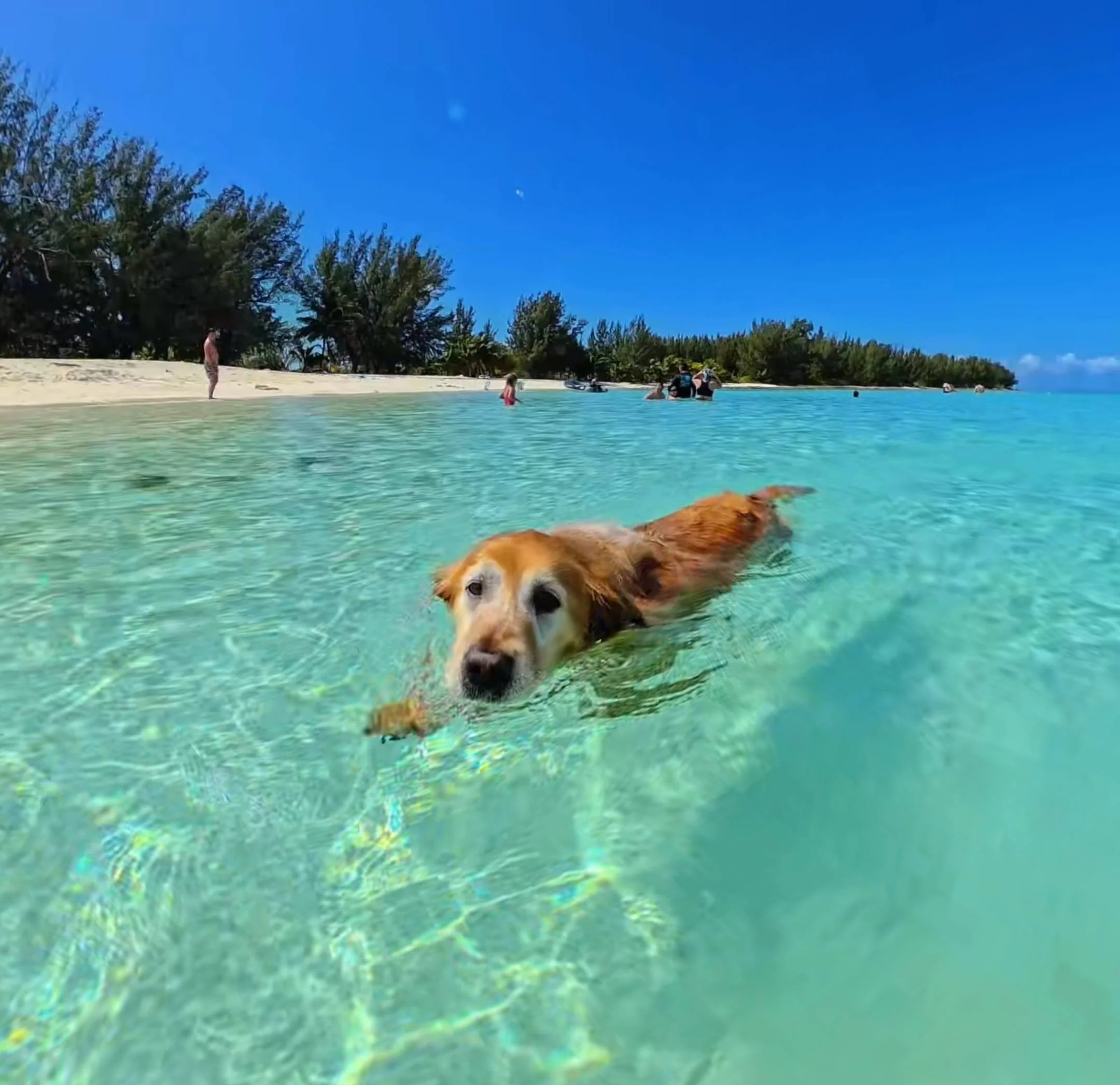
And to Georgia, Maggie just gets her. Something just clicked to where they were truly on the same page, connected in a way that’s hard to put into words.
But one thing’s for sure, her life is a whole lot happier with Maggie in it.
“Maggie's my soul dog, and everything has been so easy with her. With the challenges that we've had, when we've made it through, it's been so rewarding. It's like, ‘Okay, we've got this, we're on the same track, we're going for it.’ She's just a total love.”
Whether you adopt a companion pet, you’re a service dog handler, or you’re miraculously matched with your soul mate, the animal in your care gets to live a safe, full, happy life because of you.
But if you had to step away for a couple days, who would care for them in the same way you do?
If something happened and you couldn’t care for them for an extended period of time, would someone know exactly what to do?
Putting a Cotl plan in place ensures your pet is taken care of, just the way they’re used to, no matter what.
Discover how the process works or book a call directly with Sean, our founder and CEO, to see what a plan could look like for you.
