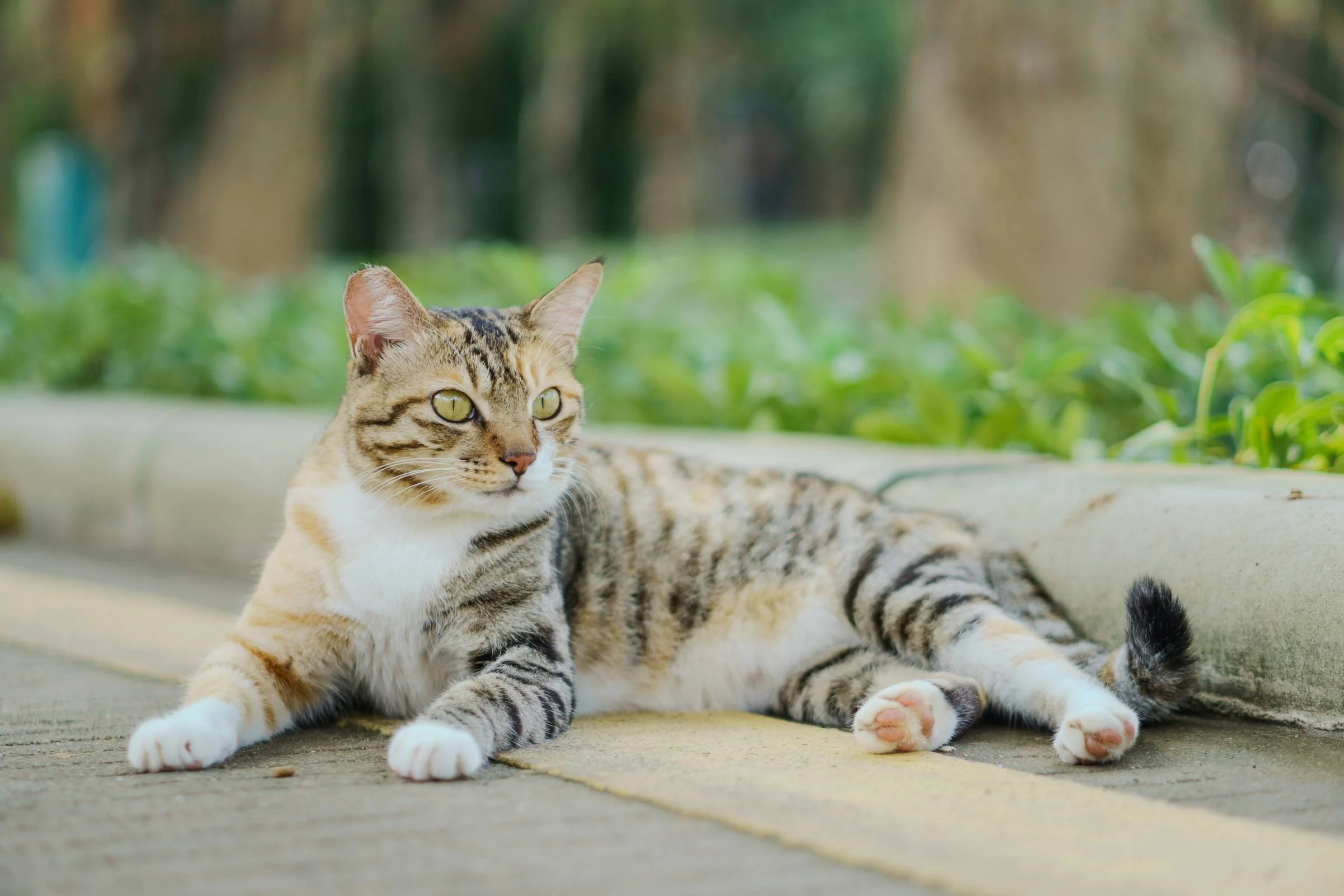
🤷🏻♀️ Are outdoor cats really a problem?
When you think of outdoor cats, what’s your initial reaction?
For many people, these cats get a bad rap–often associated with overpopulation and their effects on local birds and wildlife.
While it’s easy to think of the negatives, we often forget: these cats are outdoors because of us. Every outdoor cat came from somewhere.
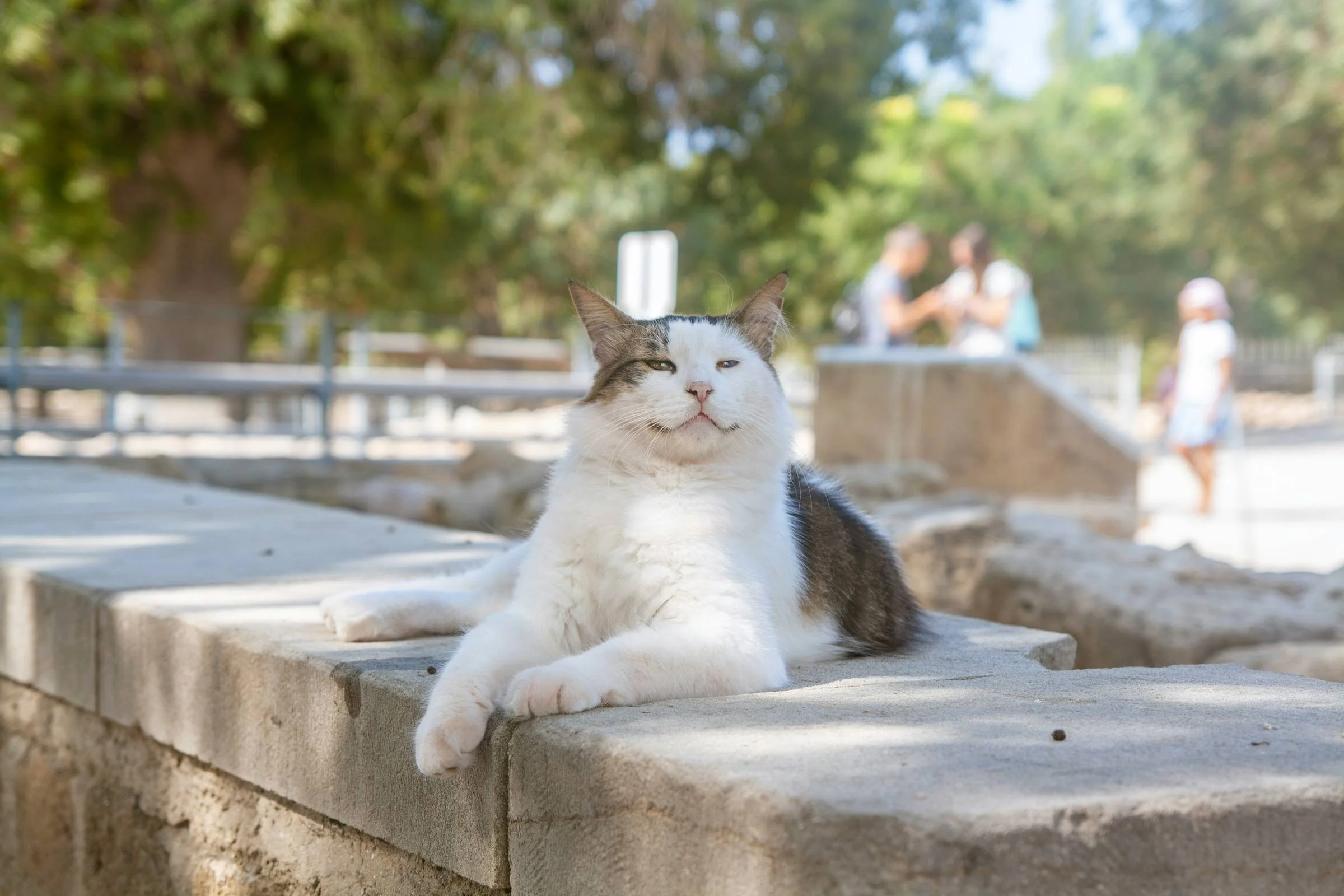
Often, these cats are just as loving and social as the ones indoors, and their presence outside might also have some surprising perks too.
But, there’s a lot outside. So how do we address overpopulation in an effective, humane way?
Stacy LeBaron, a compassionate leader and feline entrepreneur since 1994, has a few ideas.
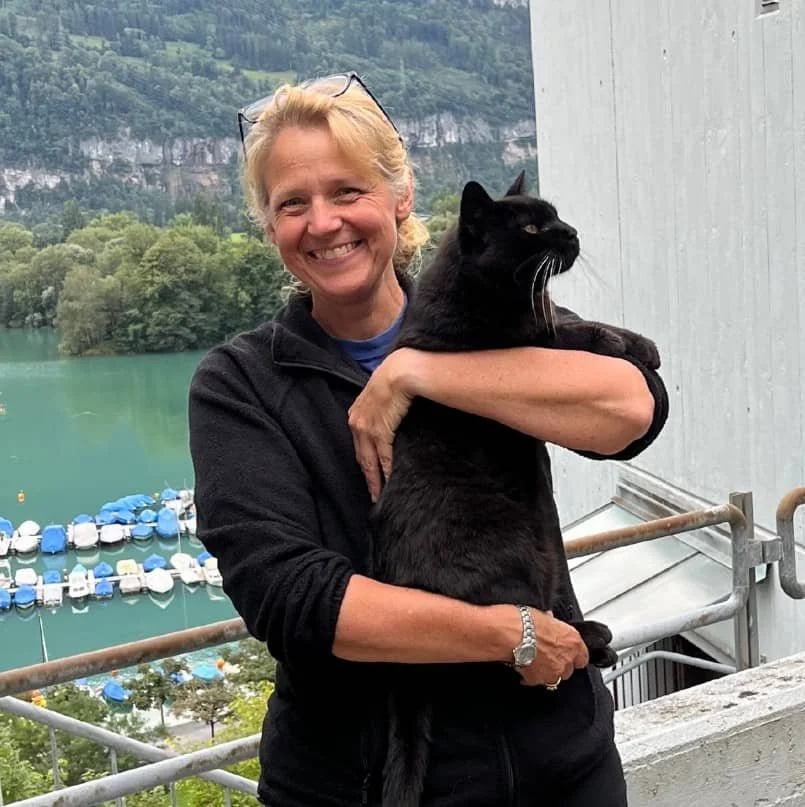
Founder of Community Cats Central, host of Community Cats Podcast (with over 600 episodes!), United Spay Alliance board member, and owner of two cat-only vet clinics in Georgia–Stacy has helped more cats, and communities, than she can count.
And she’s nowhere near done!
The facts about feral and outdoor cats
“The definition of feral means ‘born in the wild.’ In general, that tends to lead towards the behavior of a very skittish, very shy cat. It’s their temperament. It's not a statement of ‘sterilized or unsterilized,’ it's just a statement of behavior.”
When people think of outdoor cats, they’re often assumed to be feral. But Stacy reminds us, feral is not synonymous with outdoor.
Just because we see them outside doesn’t mean they’re wild and untouchable.
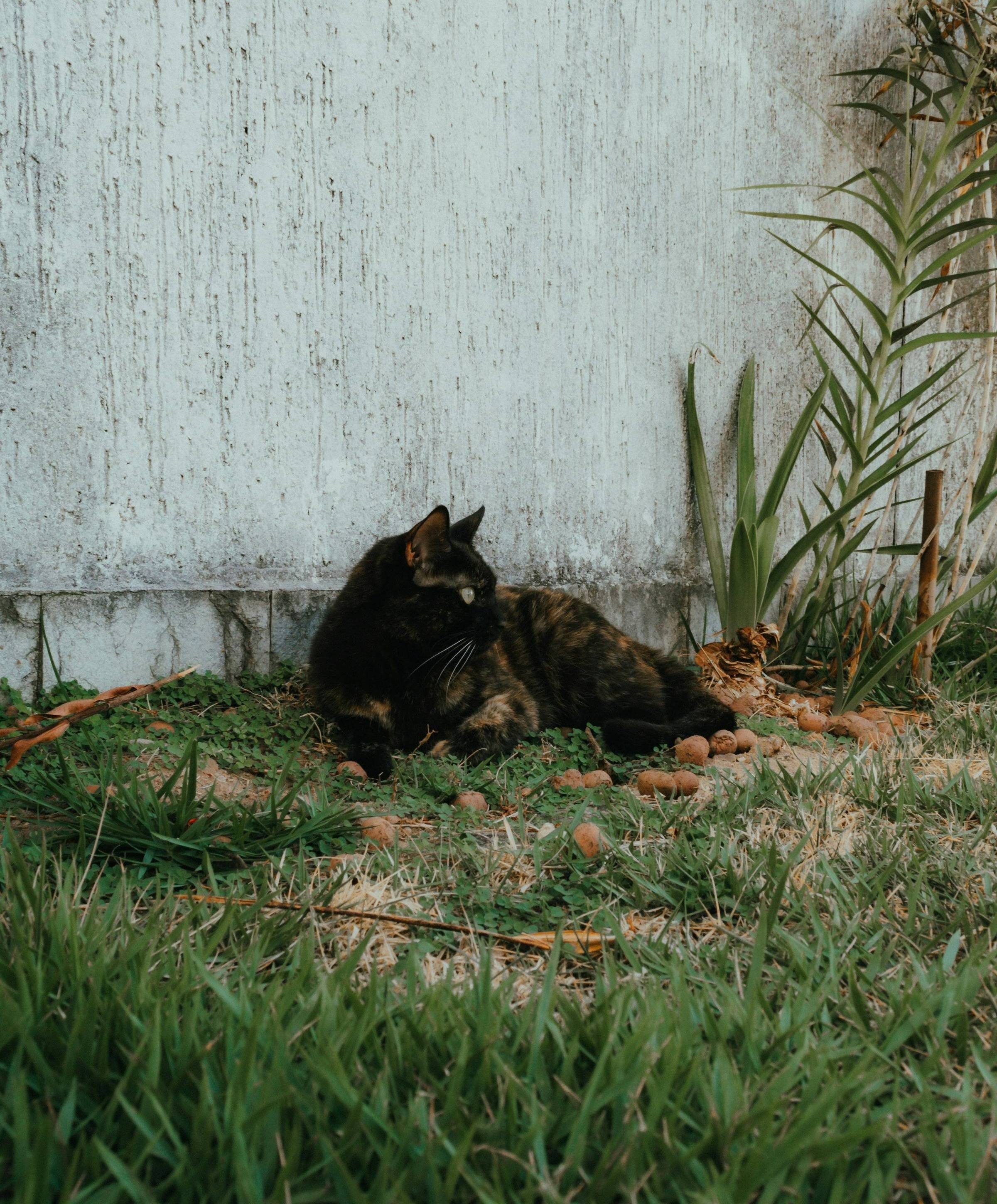
Many of the cats who live outdoors weren’t born there, but may end up outside due to circumstances to no fault of their own–whether they were kicked out of the house or simply allowed to explore.
And still, many likely have a home base–a safe place to sleep after they roam around and adventure.
Cats will often make their rounds, visiting different yards or open areas, leading to many people seeing the same cat.
These “community cats,” as Stacy calls them, end up with multiple people caring for and looking out after them.
“I've seen the same cats here and I've seen the same cat on the other side of the property, so it really makes you wonder, ‘How many people are actually in contact with each of these cats, feeding them, caring for them, loving on them?’”
When people call her with concerns over a stray cat in the yard, she advises them to write their number on this paper collar and secure it around the cat’s neck (if the cat is friendly, of course!).
The goal is simple: to find out who the owner is.
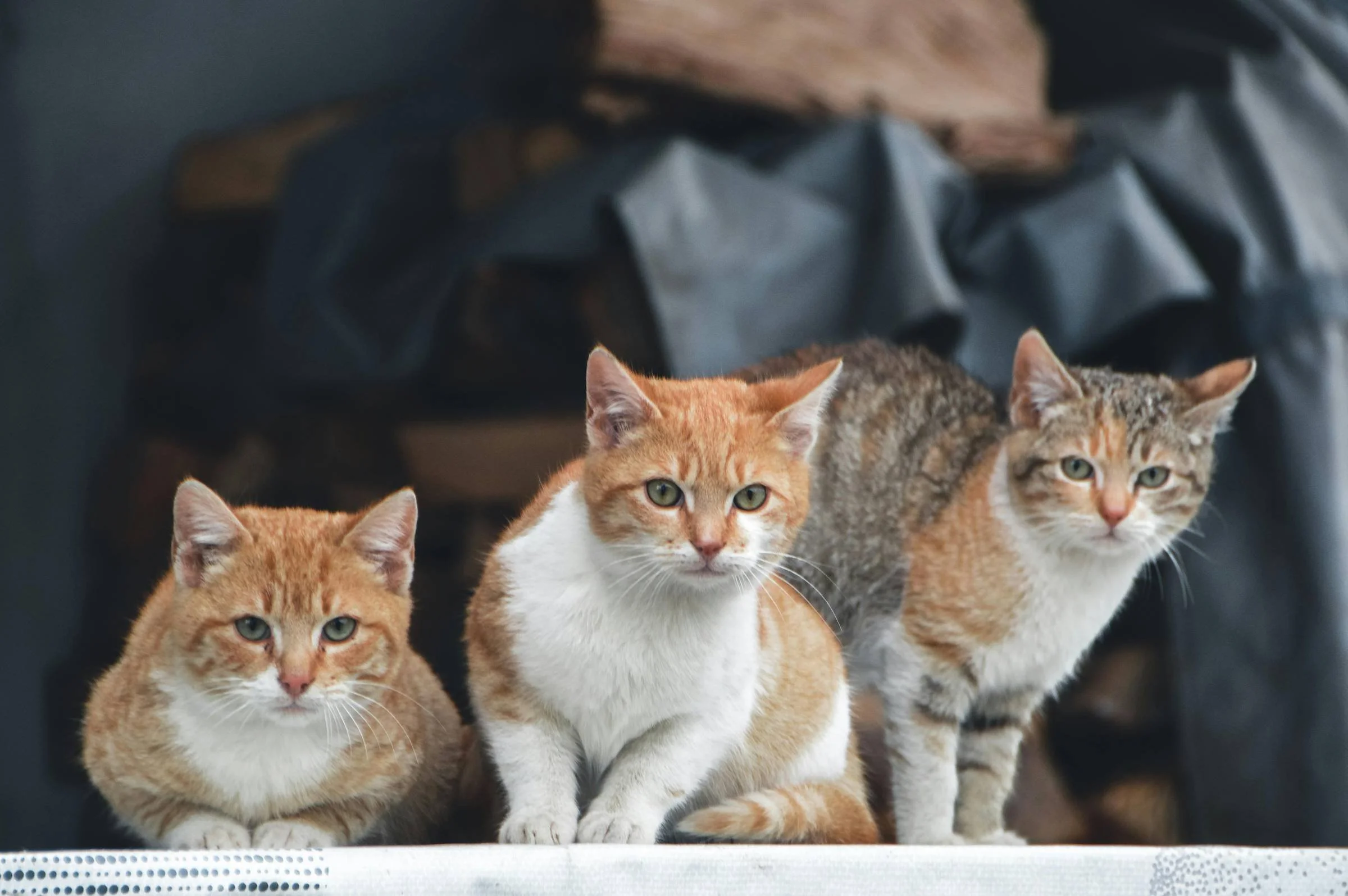
People are often surprised when it turns out, multiple people are actually caring for it! And according to Stacy, about 80-85% of the time, that “stray” cat has at least one owner.
But how did these cats get outside in the first place?
When two cats fall in love…
When so many community cats live together with no clear owner, it’s easy for natural instincts to take over and that means… a lot of kittens.
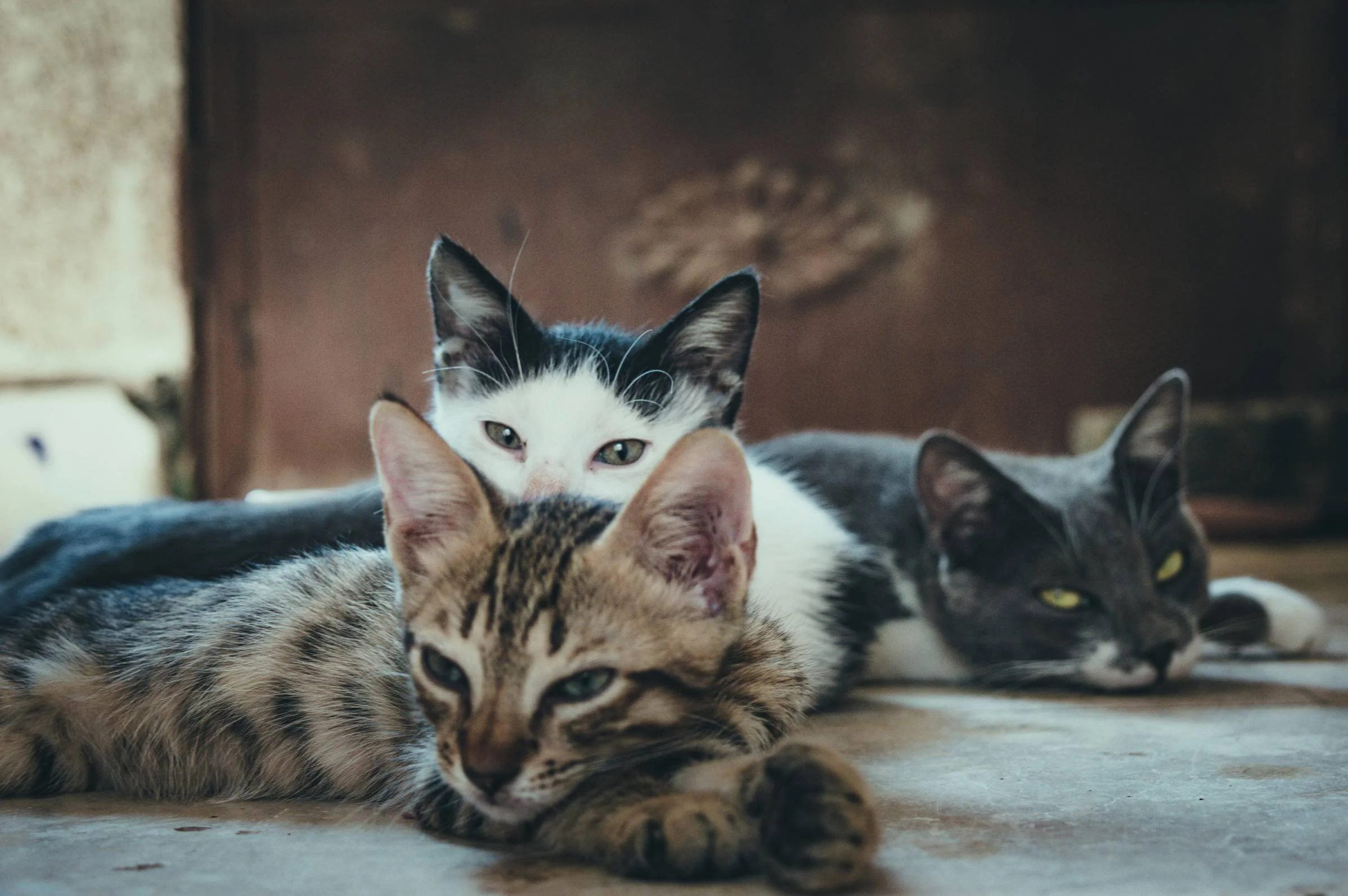
And when born outside, 70% of those kittens don’t make it through the first year.
“We really work hard to try and ensure that as many cats as possible are sterilized, not only the outdoor cats, but the owned cats in those communities too. ‘Adam and Eve’ is how it all starts, and so we want to make sure that Adam and Eve, and the household cats, are spayed and neutered.”
Getting these cats sterilized, however, often poses some challenges.
Many outdoor cat populations are found within low-income communities, where high cost, limited hours, or lack of nearby services leave many cats unfixed.
There’s often high turnaround in these communities as well, with families moving in and out at faster rates than those in higher income areas.
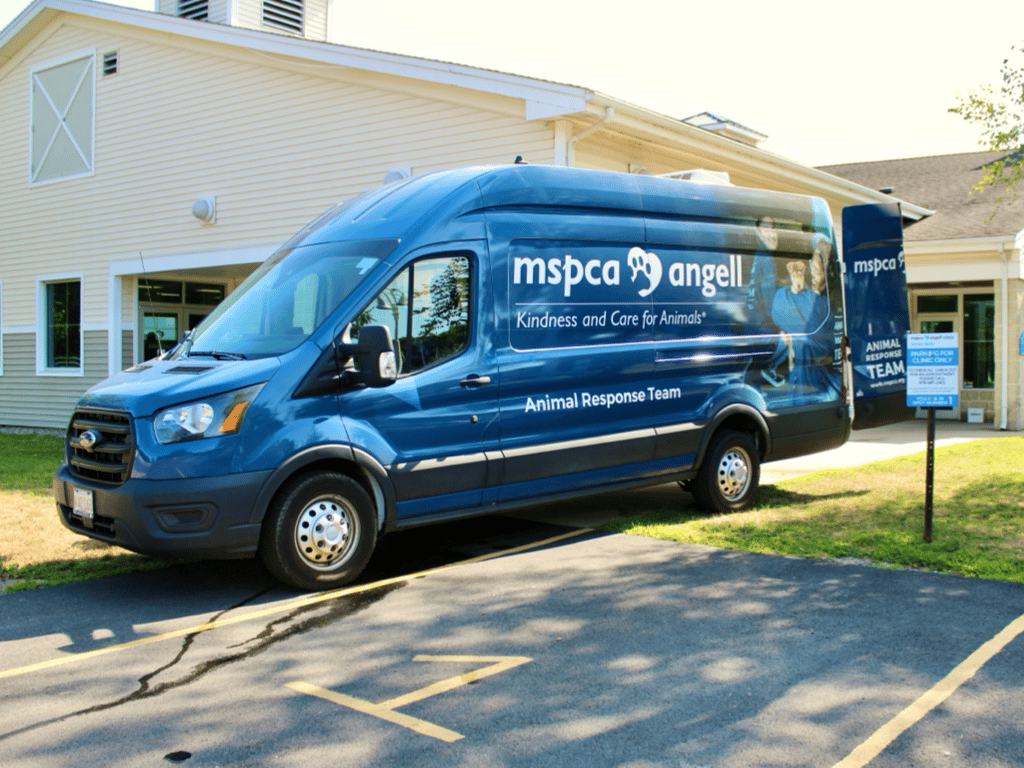
Photo: Community Cats Podcast
Providing accessible, affordable services will only do so much if new people move in, and they bring with them more unsterilized cats.
“You really have to stay on top of the situation and do significantly high-volume spay-neuter. Our Community Cat Calculator calculates the number of surgeries you need to do on an annual basis in order to get your cat population under control in your community. And people get shocked because it's a lot of surgery, including a lot of ‘owned cat’ surgery.”
Stacy has seen firsthand how affordable, accessible resources benefit communities in the long run, with huge spay and neuter efforts she was a part of back in the 90’s still having a positive effect.
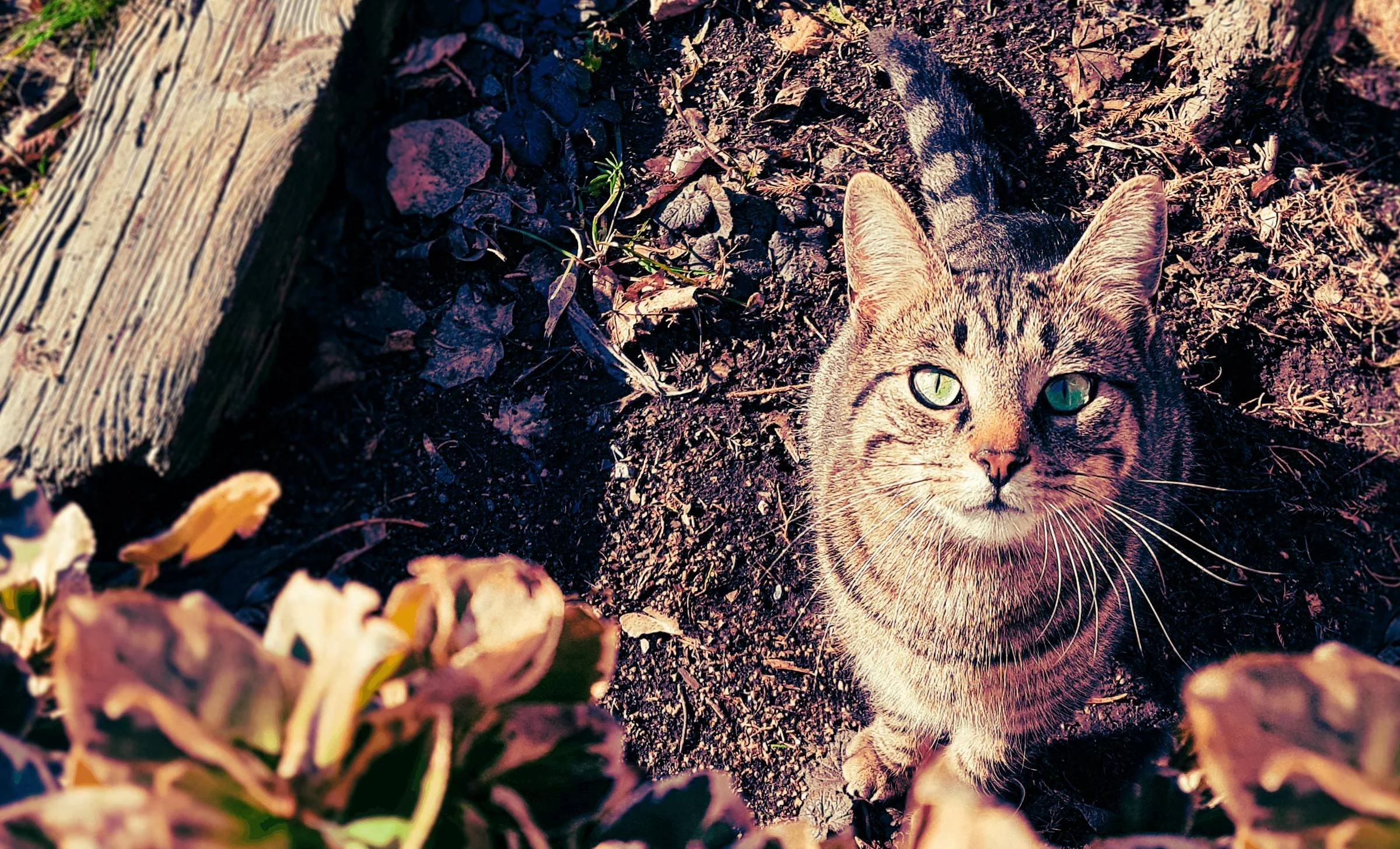
“I asked a colleague of mine to go check out the area, and this was done in the 90s. There are no cats behind that bar right now, today. And that's directly because the programs that we put in place are accessible, they're affordable. don't have to go in and put posters up. It’s just the culture in the area. You go to the Catmobile and you get your cat fixed.”
All it takes is another ‘Adam and Eve’ situation to cause a setback. But as long as there’s access to these services, the population stays under control.
The concerns with outdoor cats… And how to address them
“At the end of the day, we are mutually agreeing that reducing the outdoor cat population is beneficial for cat organizations as well as for bird and wildlife organizations. But there’s this fine balance that you kind of need to look at too.”
This comes as no surprise, but cats are instinctual hunters. And when they’re outside, they’re hunting local wildlife.
Numbers vary depending on the study, but outdoor cats in the US are responsible for bird and wildlife deaths in the billions each year.
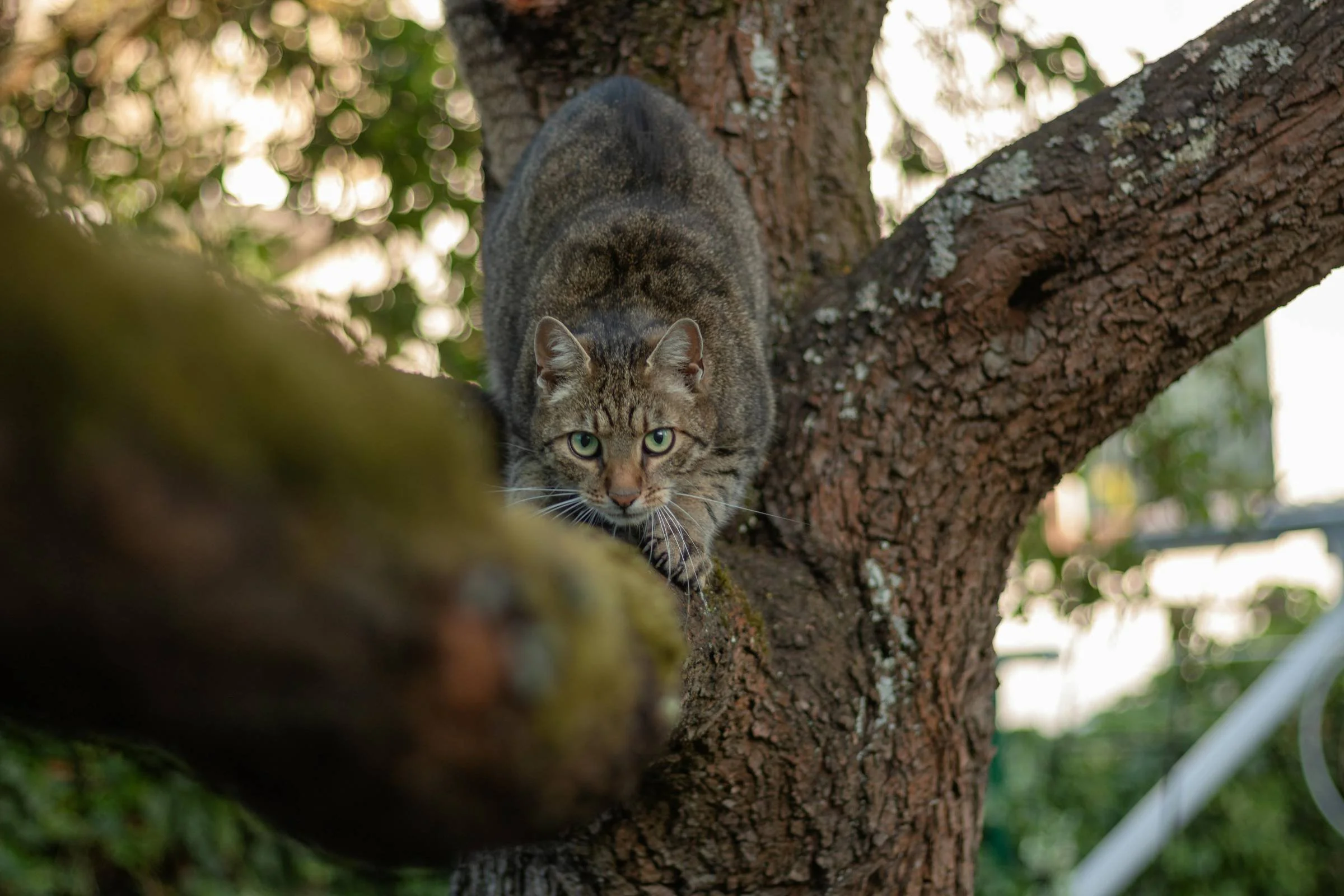
In especially concerning areas, such as protected areas or known breeding sites for endangered species, local organizations can partner up and tackle the problem together.
Setting up affordable services in these sensitive areas will have a direct positive impact. This could look like offering free or low-cost sterilization or alternatives to cats roaming free outdoors (such as catios).
TNR (Trap-neuter-release) may not reduce the population immediately, but communities do benefit right away.
When cats are sterilized, those who have been caring for them might be more willing to let them in.
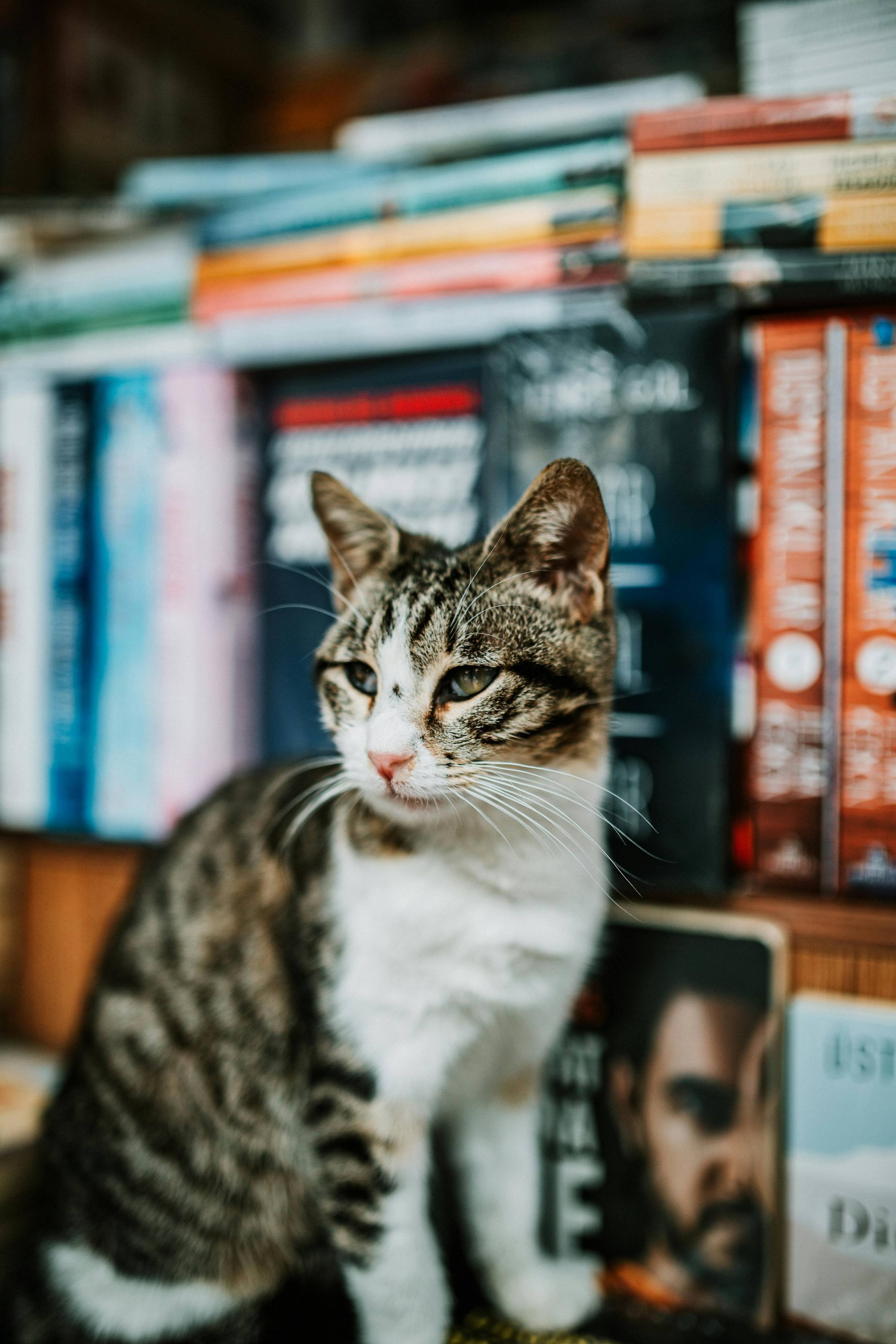
Local shops or boutiques might “adopt” a shop cat, after seeing the positive response from others in the community.
Cats may even become sought after or loved on by locals, because of their expected presence and willingness to love on anyone who comes in for a head scratch.
For others, it may seem like eradicating the population entirely is the best answer, but it’s important to remember that outdoor cats have become part of the ecosystem, whether invasive or not.
So while they may have a negative effect on certain populations, they also offer support against others.
The good that comes with cats
“I think we have to be careful about making comments that there should be absolutely no outdoor cats, because we do have a significant history of working cats, and they play several roles in regard to rodent control, as well as a public health barrier in regard to rabies.”
Historically, and even in modern-day life, working cats are adored for their ability to keep rodents out of a given area.
Breweries, greenhouses, boats, barns… They’ve all benefited directly from having cats around.
When cats are suddenly removed from an area, it doesn’t take long for their lack of presence to be known by less-desirable, and also invasive, species.
Without cats keeping the rats at bay, their populations quickly explode the moment it gets the chance.
So what do people do then? They typically reach for rodenticides… And what does that end up impacting? The bird population.
In addition to controlling the rat population, vaccinated outdoor cats also provide a barrier between people and wildlife that may be infected with rabies.
Cats can also provide the unexpected perk of bringing people together.
If multiple people care for the same cats, they can work together to get the cats trapped, fixed, and cared for.
“You might have 6 co-owners advocating for a cat, so if that cat needs to be sterilized, or if the cat gets injured, there's 6 people who can help pay the bill. There's just a huge safety net for these cats.”
When we see a large community of outdoor cats, it can be hard to remember that because they’re part of that local environment, the ecosystem has evolved to include them in it.
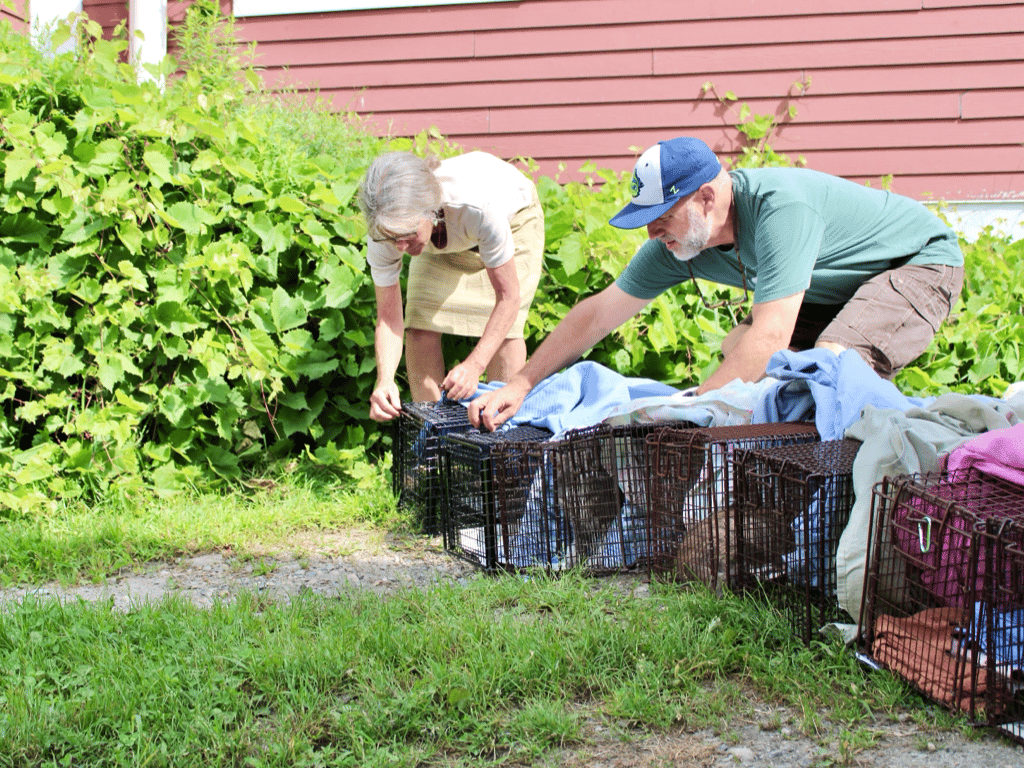
Photo: Community Cats Podcast
The moment they’re removed, their disappearance may end up having a negative impact no one considered.
An effective, humane solution to cat overpopulation
“I think the biggest takeaway with regard to TNR is understanding that there was an owned cat source somewhere there. When you're looking at TNR, you're not looking at just that cat, but going back generations and understanding that there was an ‘Adam and Eve’ at some point.”
Ultimately, the overpopulation issue comes down to the kittens.
With high outdoor kitten mortality rates and over 50% of euthanized shelter cats being under months of age, TNR directly eliminates the amount of kittens being born.
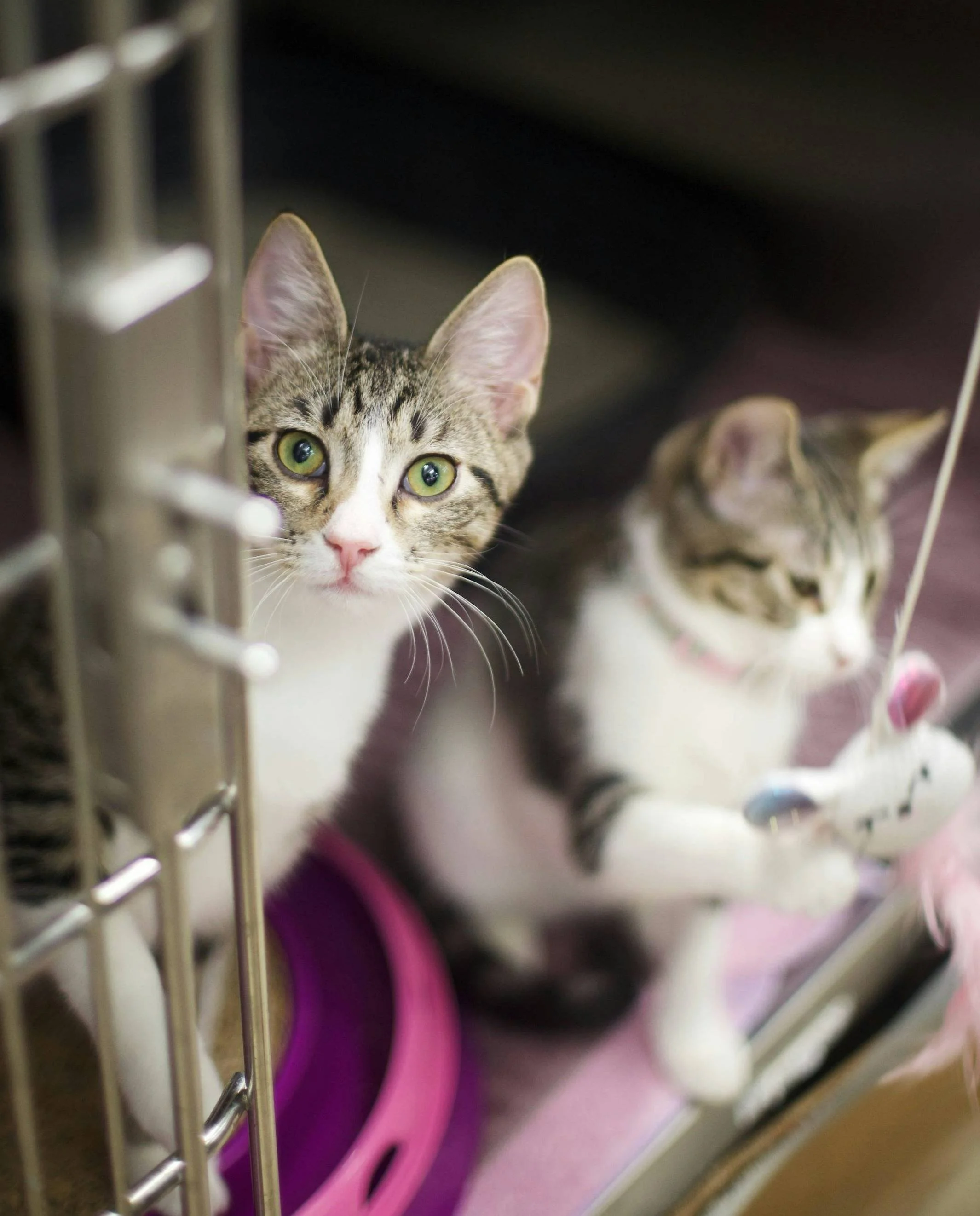
“We need to serve the needs of those cats that are outside, because we don't want them having kittens.”
The only way for TNR to work however, is to provide access to affordable spay-neuter services, not just for outdoor community cats but for owned cats as well…
And do it at a scale that makes sense for the population.
When people say TNR doesn’t work, it’s usually in places that don't have the capacity or resources to do the volume of sterilization it takes to really get things under control.
According to Stacy’s Community Cat Calculator, there’s an estimated 7.4 million owned (either indoor or community outdoor) cats and 1.3 million feral cats in the US that still need to be sterilized.
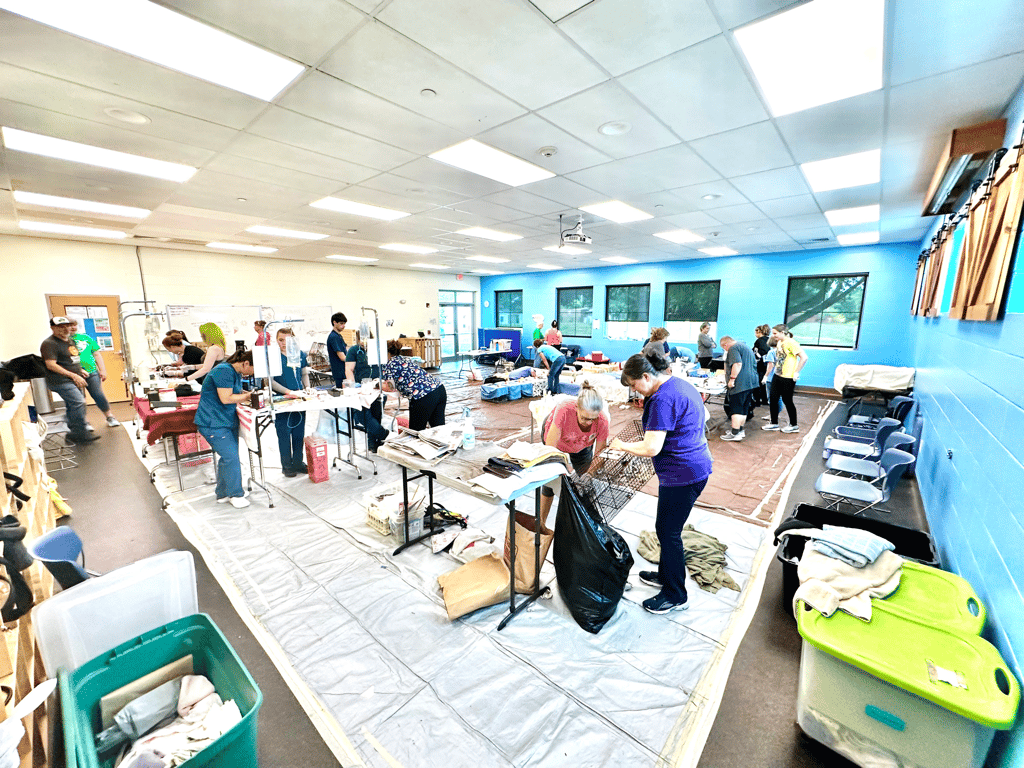
Photo: Community Cats Podcast
It might seem impossible but when focusing these efforts locally, we can have a bigger impact that we might ever imagine.
If you’re interested in educating yourself more on these efforts, Community Cats Central’s education page offers many online webinars, trainings, and courses to check out!
Caring for your pets, no matter how many!
Whether you’re caring for a single pet or your efforts include a whole community of them, these animals rely on you for safety, food, and lots of love and affection.
If you had to step away for a couple days, who would step in for you? If something happened and you couldn’t care for them for an extended period of time, would someone know exactly what to do?
Putting a Cotl plan in place ensures your pet is taken care of, just the way they’re used to, no matter what.
Discover how the process works or book a call directly with Sean, our founder and CEO, to see what a plan could look like for you.